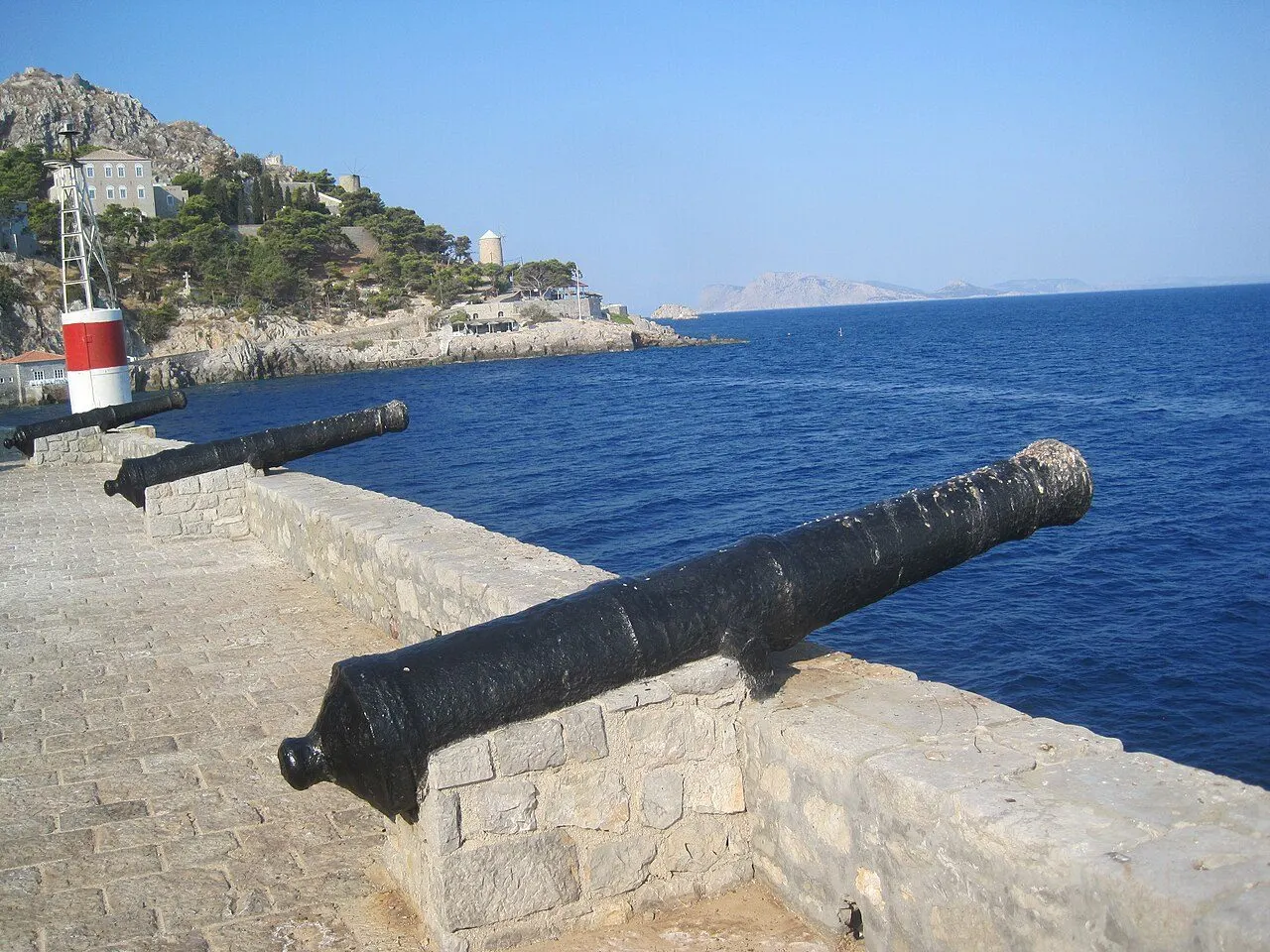
The harbour and its batteries
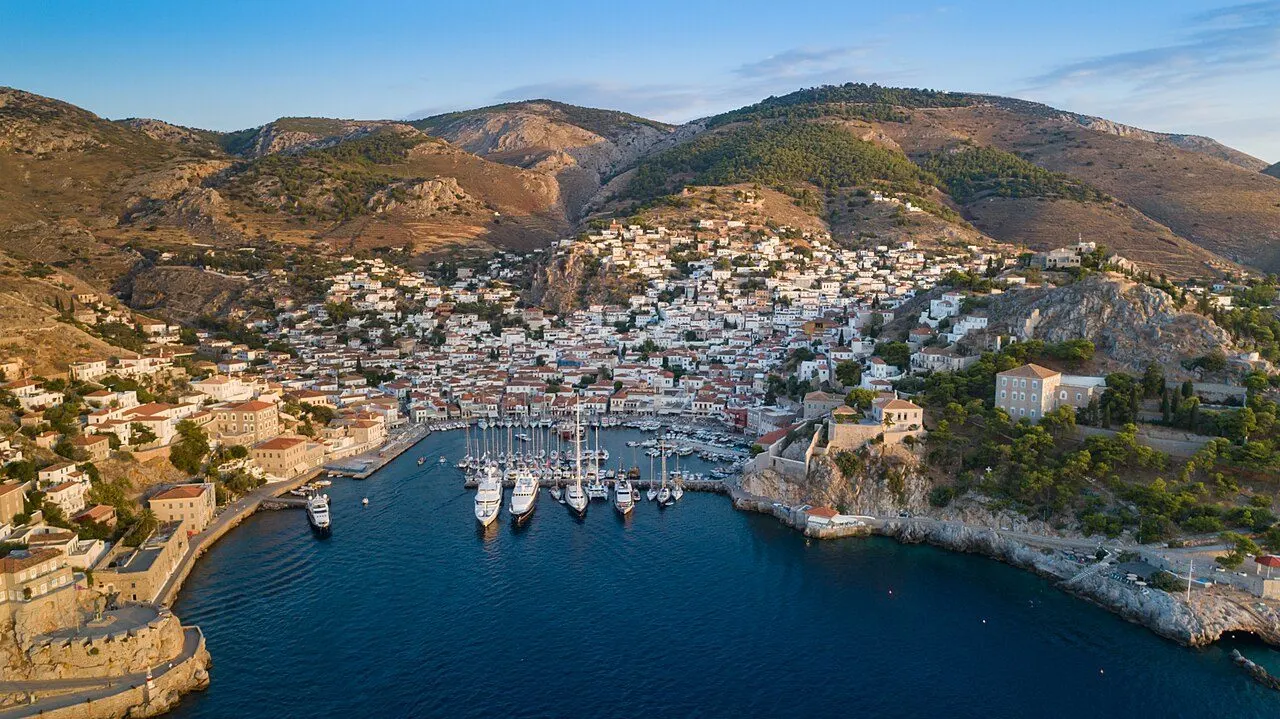
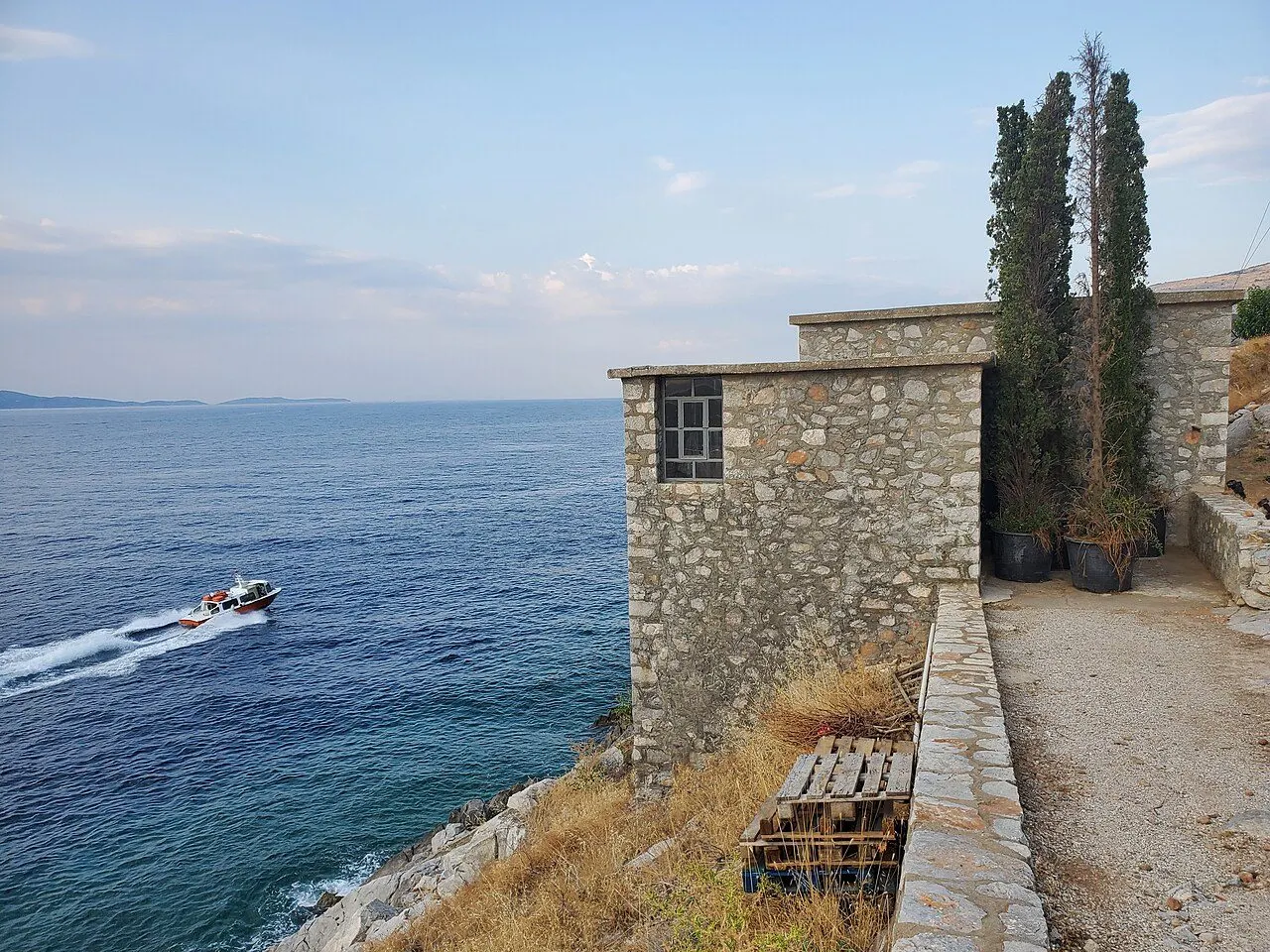
The stone quays and the old gun batteries at both ends of the harbour, still armed with cannons from the age of sail.
Hydra · History
A barren island named for its long-lost springs, settled by refugees, enriched by the sea, emptied by the age of steam and rediscovered by artists.
Timeline
Antiquity
In antiquity the island was called Hydrea, 'the watery one', probably for springs that have long since dried up. It was never much more than a sparsely farmed outlier of the cities on the mainland coast. Herodotus records that the people of Hermione sold it to exiles from Samos, who passed it on to the citizens of Troezen. For most of the next two thousand years it was almost empty.
16th–17th century
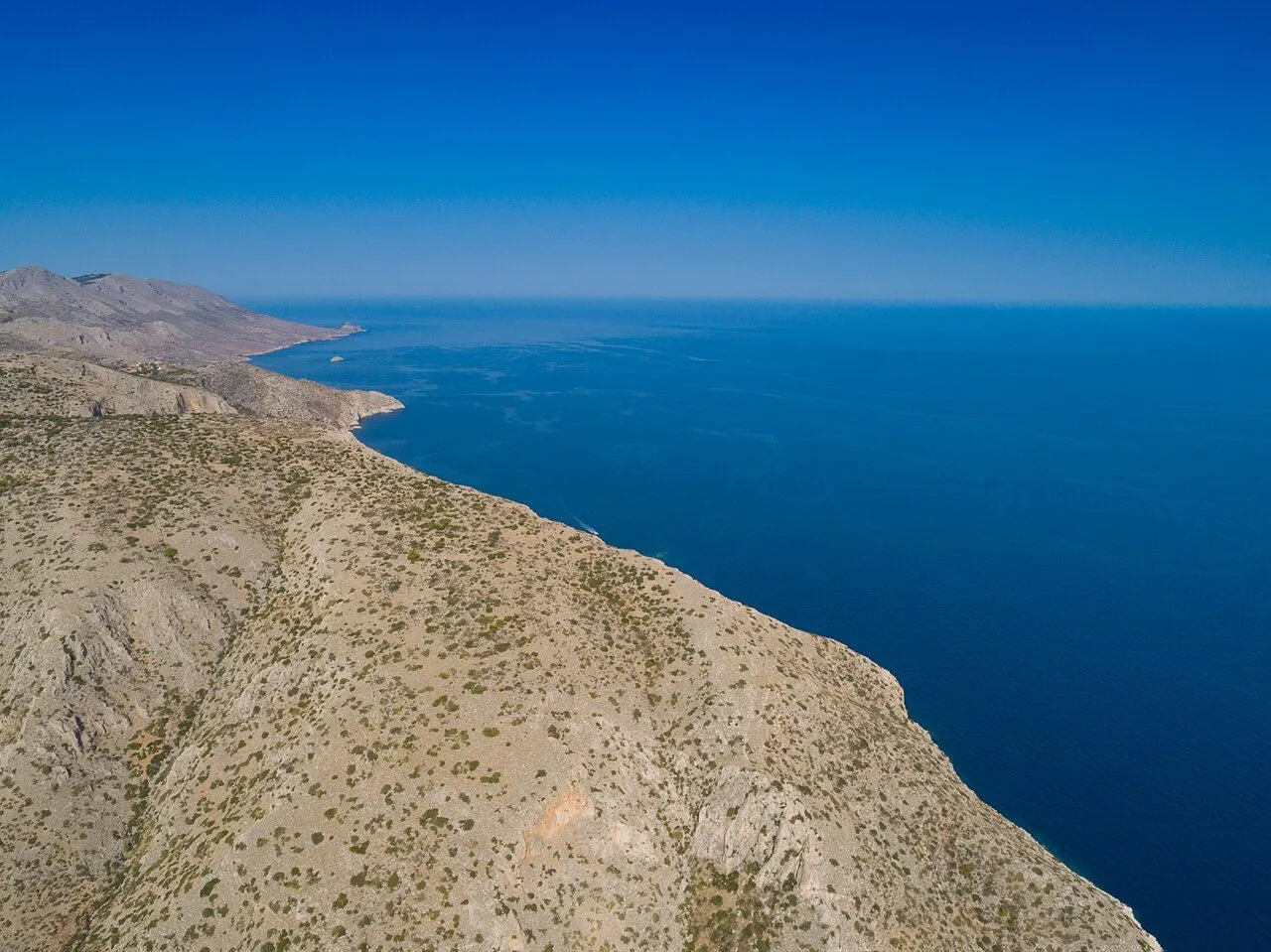
From the sixteenth century people fleeing war and Ottoman rule on the mainland, many of them Arvanites, Albanian-speaking Orthodox families from the Peloponnese, settled on the high ground above today's harbour, in the quarter still called Kiafa. With poor soil and little water, they turned to the sea, first as fishermen and boatbuilders, then as sailors and traders.
18th century
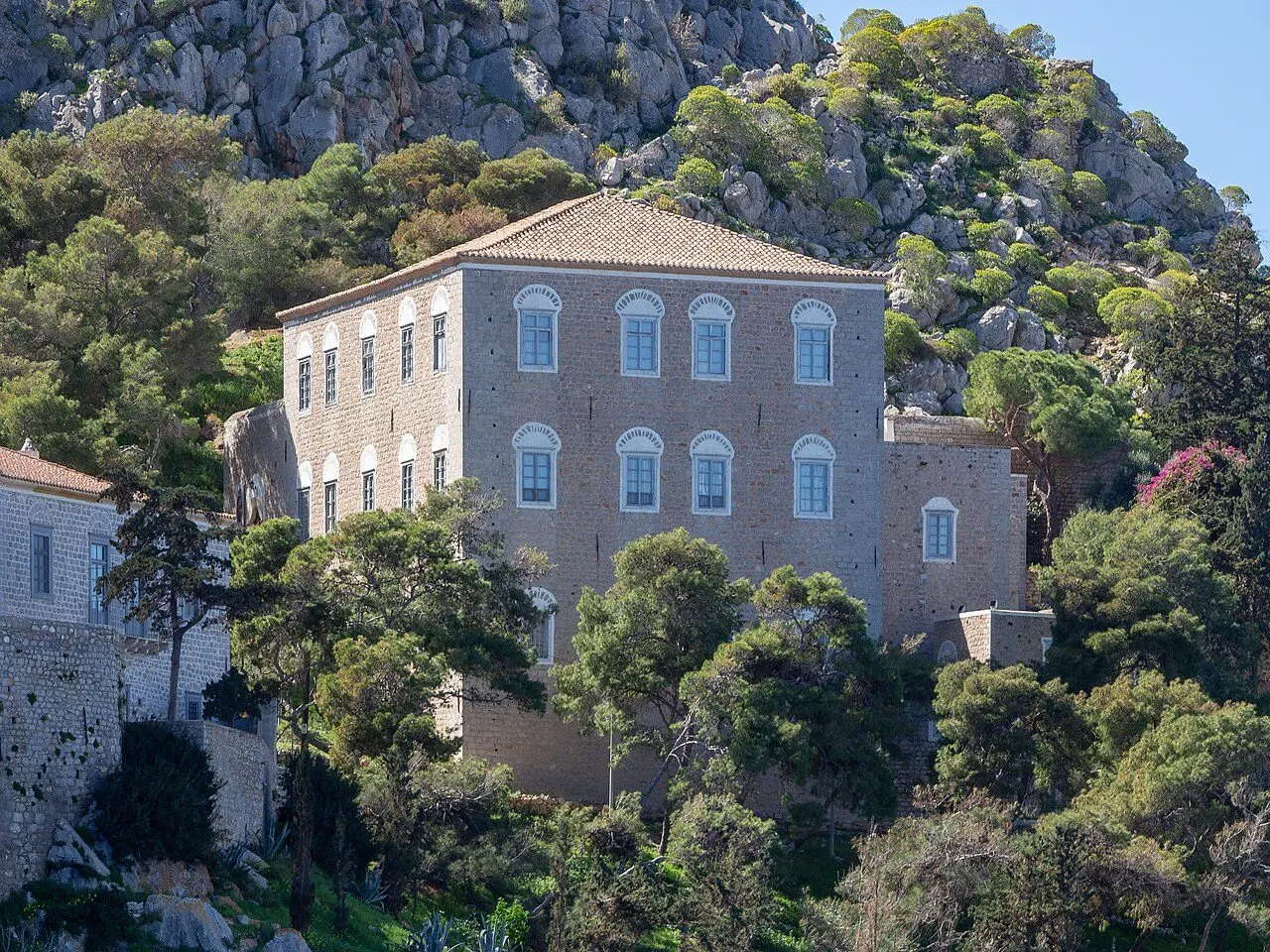
After the Treaty of Kuchuk Kainarji of 1774 allowed Greek ships to trade under the Russian flag, Hydra's merchants prospered. They carried grain from the Black Sea to the western Mediterranean, and during the Napoleonic wars they made fortunes running the British blockades. The great families built the stone mansions that still frame the harbour.
1821–1829
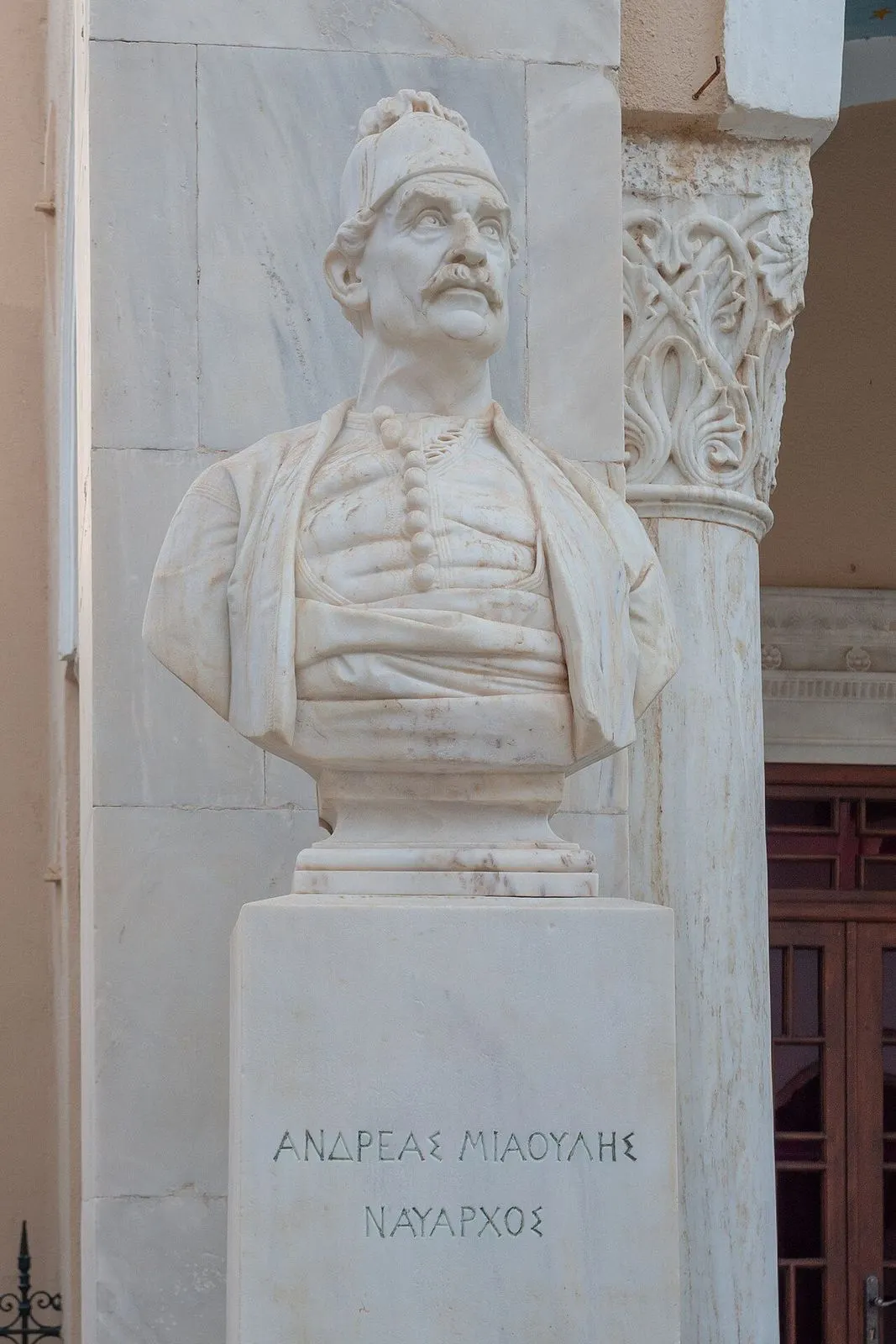
When the War of Independence broke out in 1821, Hydra joined with its merchant fleet, armed with cannons and paid for largely by its ship-owners. Under Andreas Miaoulis and other captains, the Hydriot ships fought alongside those of Spetses and Psara, and their fireships, old brigs packed with explosives and steered onto enemy vessels, became the terror of the Ottoman navy. Georgios Kountouriotis, of the island's richest family, led the revolutionary government in 1824–1826.
19th century
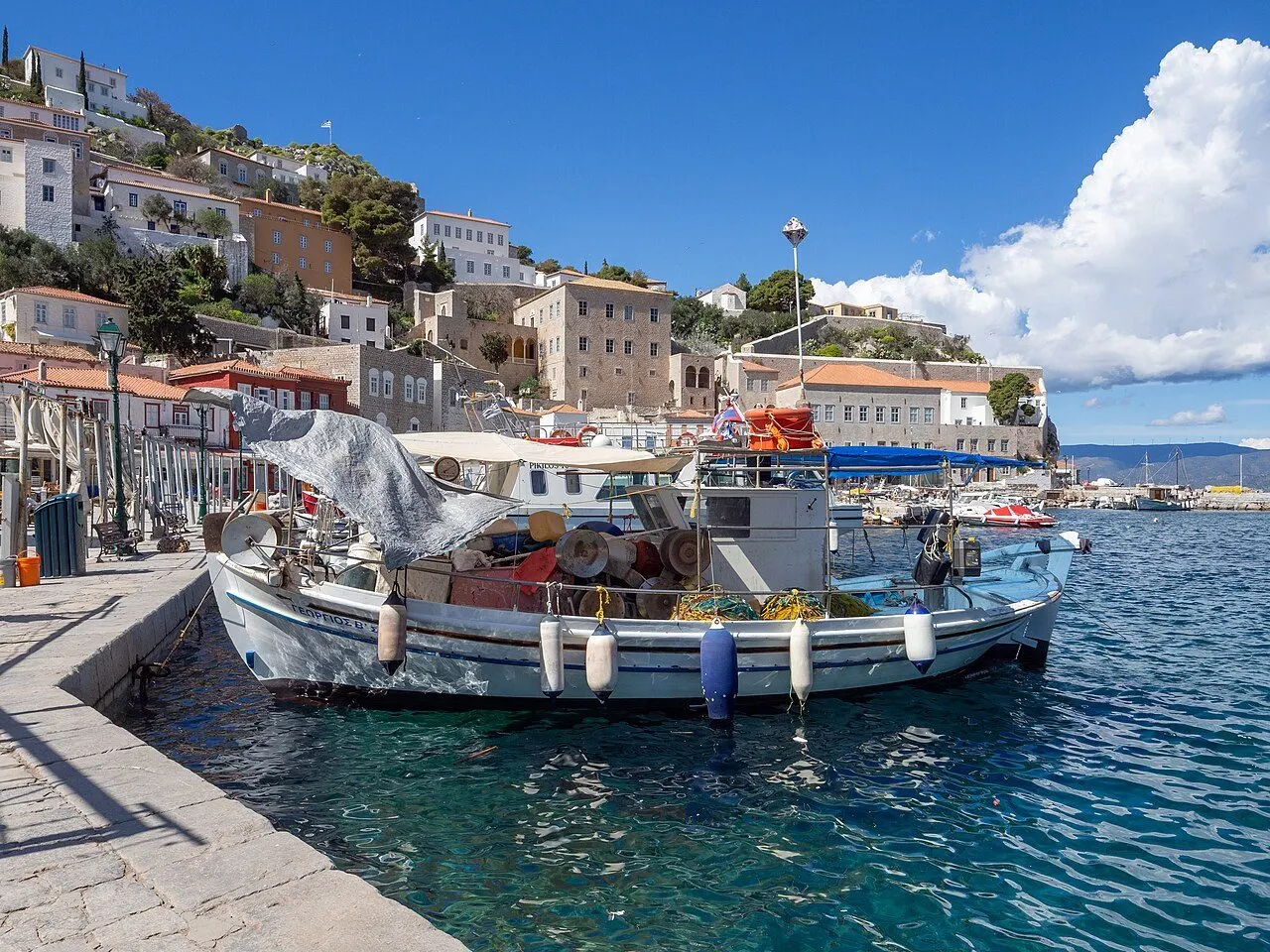
Independence made Hydra famous but not rich. The age of steamships ended the trade of its sailing fleet, and the population drained away to Piraeus and the new Greek state. Sponge fishing and small workshops kept the harbour alive, and in 1860 a sponge factory was built by the water; it is now the Bratsera hotel.
1930s–1950s
The painter Nikos Hadjikyriakos-Ghika, born into an old Hydriot family, made his family mansion a meeting place for writers and artists; Henry Miller, visiting with George Seferis and George Katsimbalis in 1939, wrote about the island in The Colossus of Maroussi. The Athens School of Fine Arts opened a branch for its students in the Tombazis mansion. The Ghika house burned down in 1961 and stands as a ruin.
1957–1970s
In 1957 Sophia Loren came to film Boy on a Dolphin in the harbour, and the world noticed the island. Through the 1960s a small colony of foreigners lived here among the islanders: George Johnston and Charmian Clift, Marianne Ihlen, and Leonard Cohen, who bought a house above the town in 1960 and kept it for the rest of his life.
Today
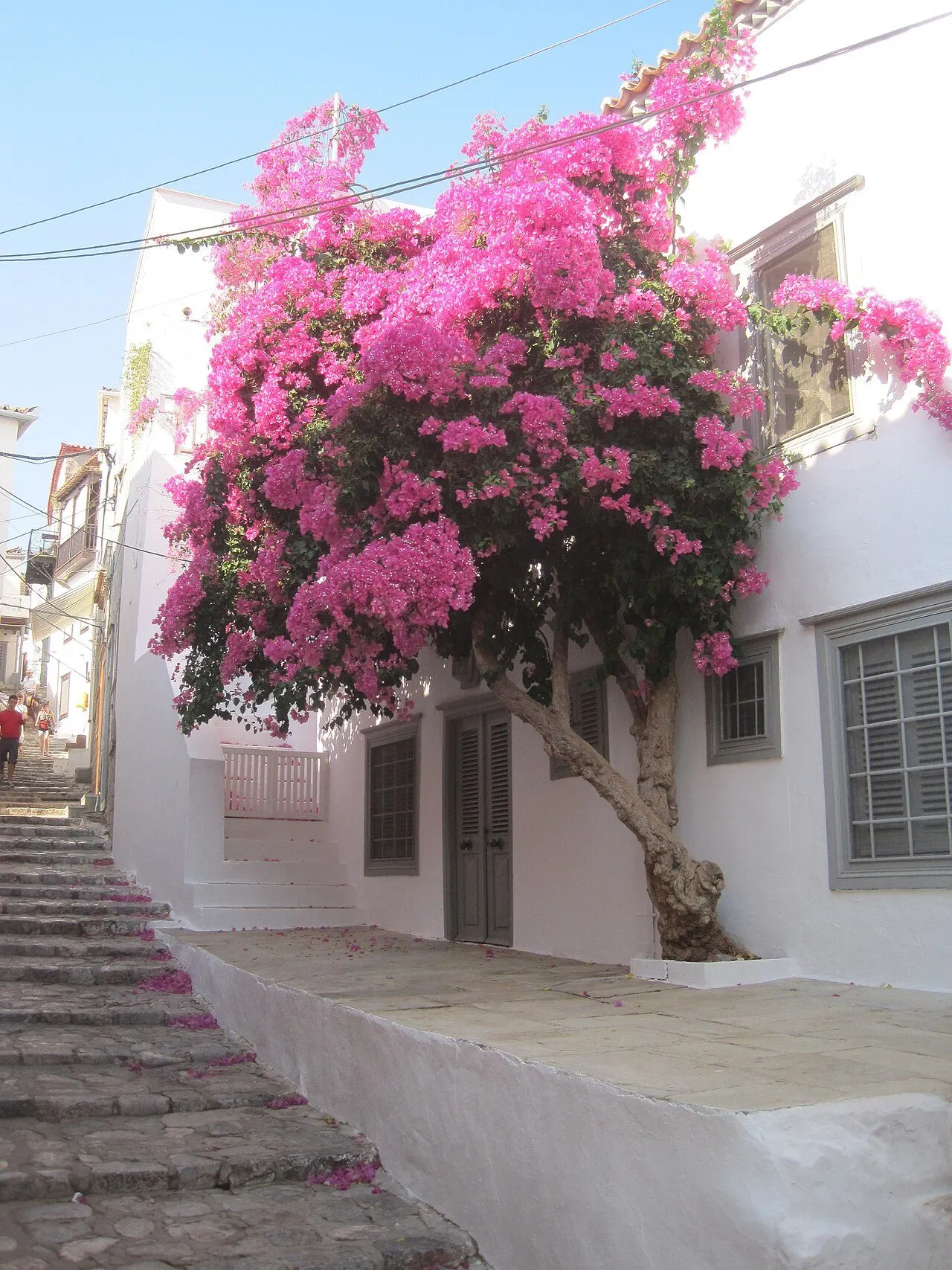
Hydra keeps its ban on cars and its listed townscape, and in summer it is one of the most fashionable addresses in Greece. Since 2009 the DESTE Foundation has shown a new commission each year in the old slaughterhouse, and small galleries and artists' houses open around it, keeping the island's old reputation very much alive.
Visit
The stone quays and the old gun batteries at both ends of the harbour, still armed with cannons from the age of sail.
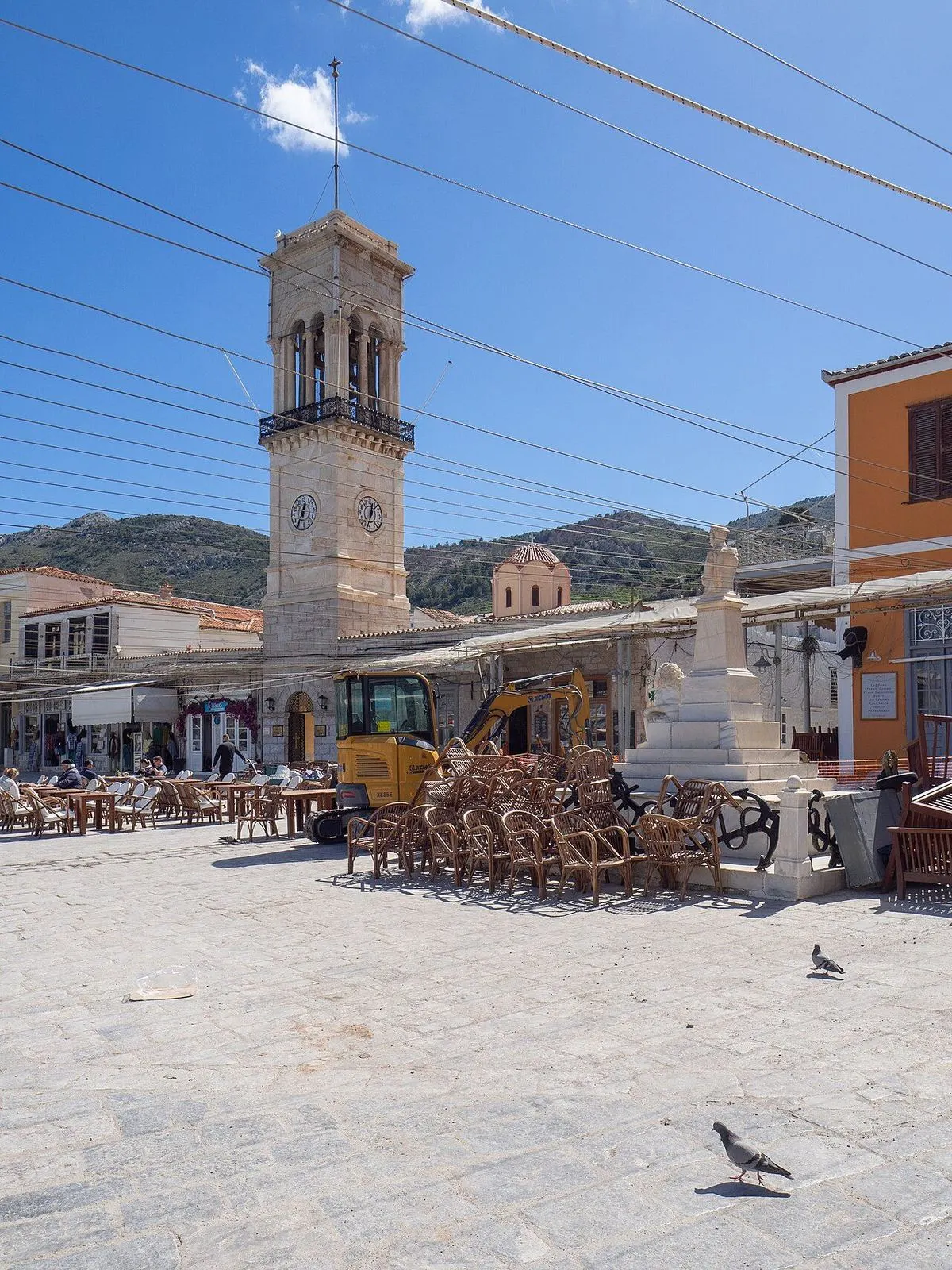
The cathedral on the harbour front, set round a cloister behind a white marble clock tower, with an ecclesiastical museum in its old cells.
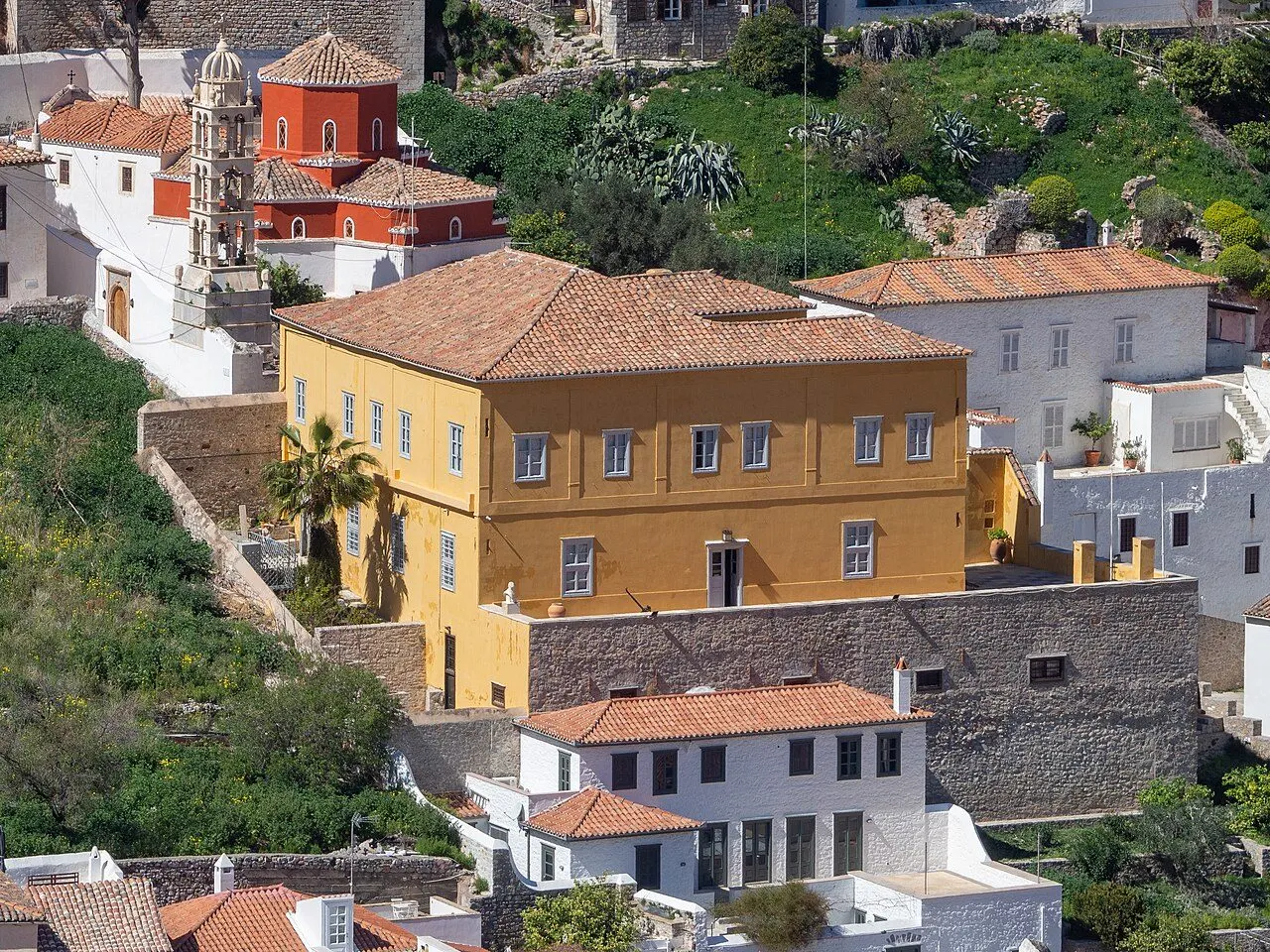
The finest surviving captain's house, now a museum on the hill above the western side of the harbour.
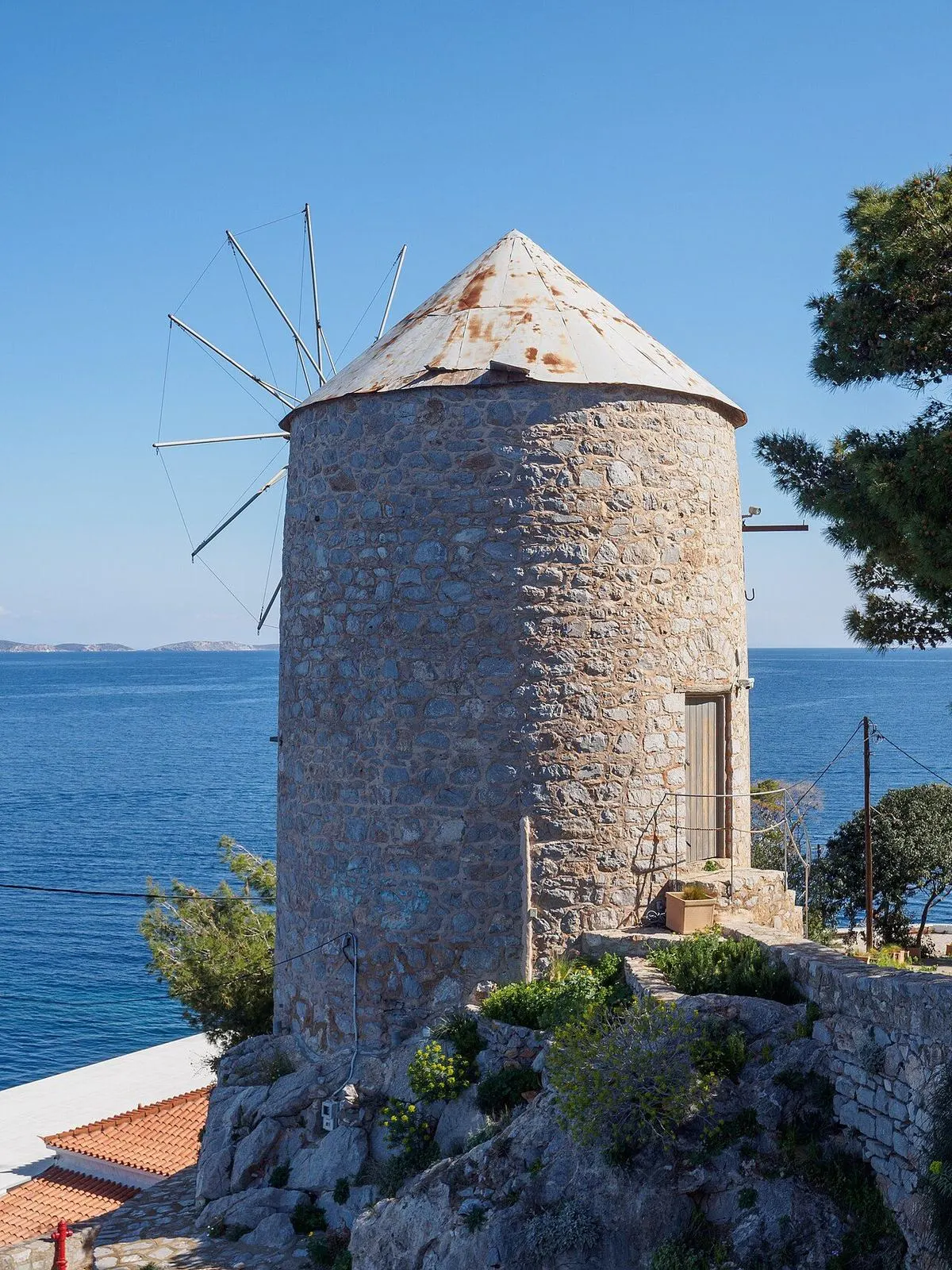
Round stone windmills on the ridges around the town, where the island's grain was once ground.
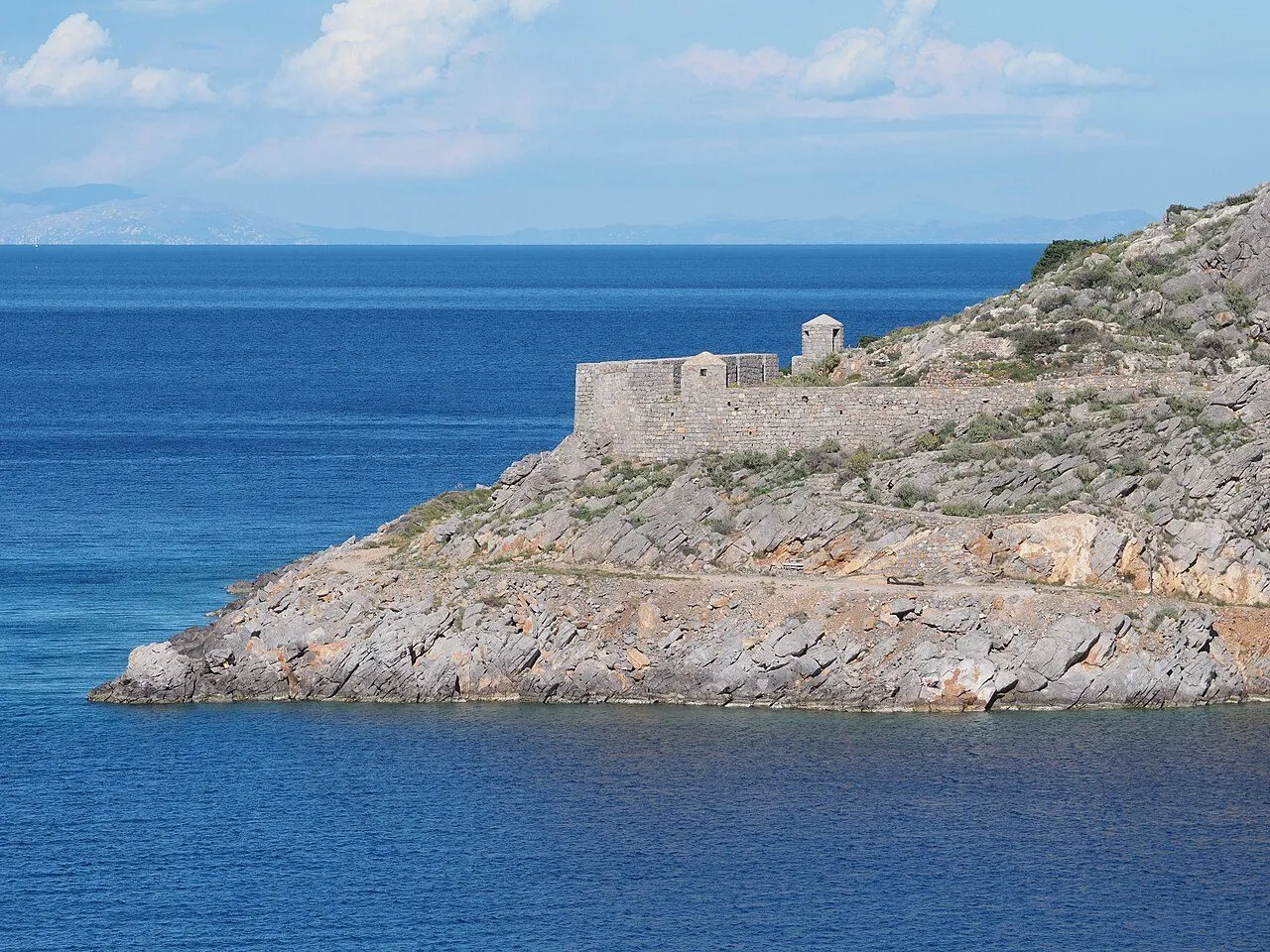
The walls of the batteries that guarded the old shipyard bay east of town.
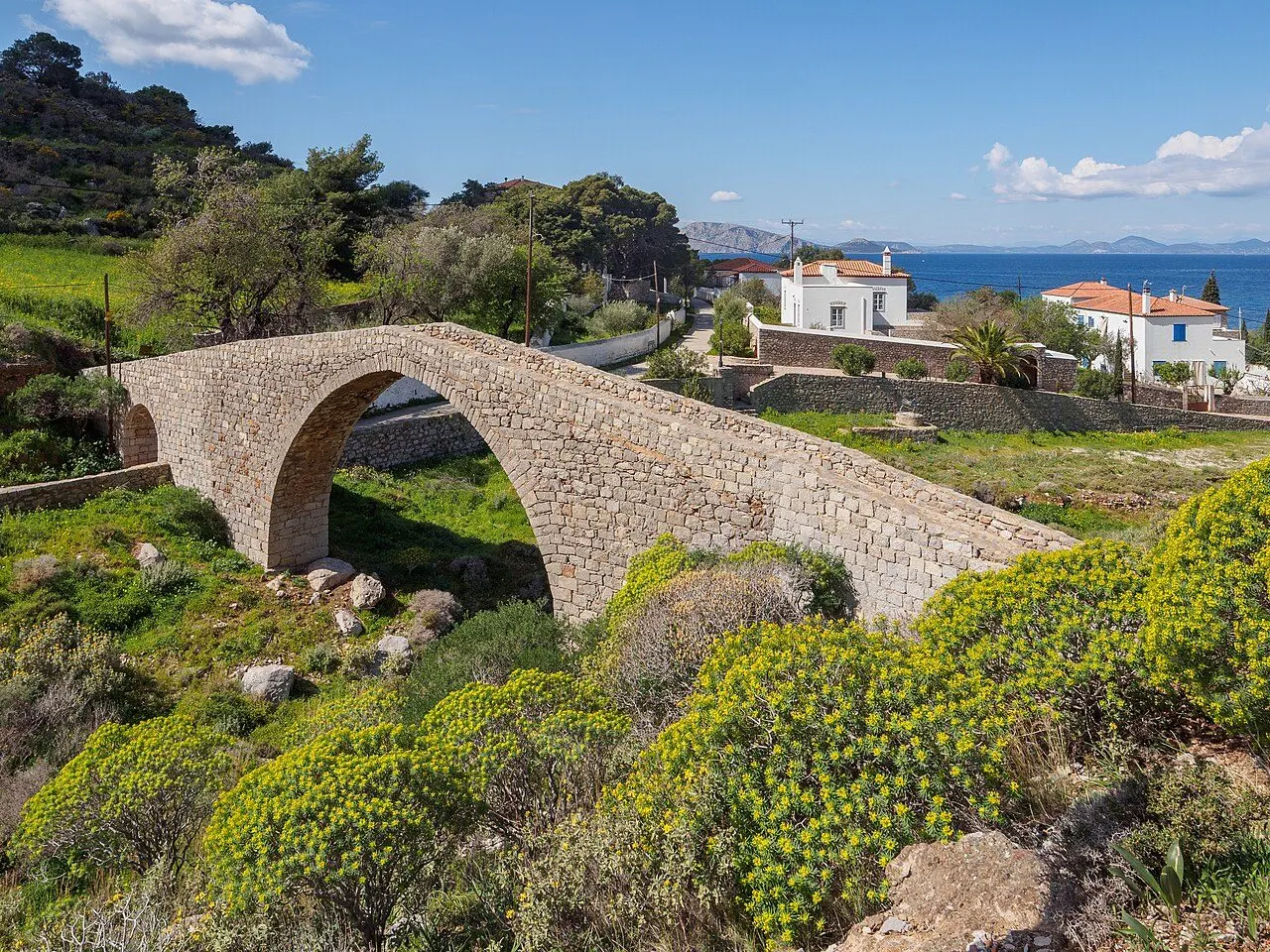
An old arched bridge over the dry stream bed behind Vlychos beach, on the coast path west of town.
Last updated