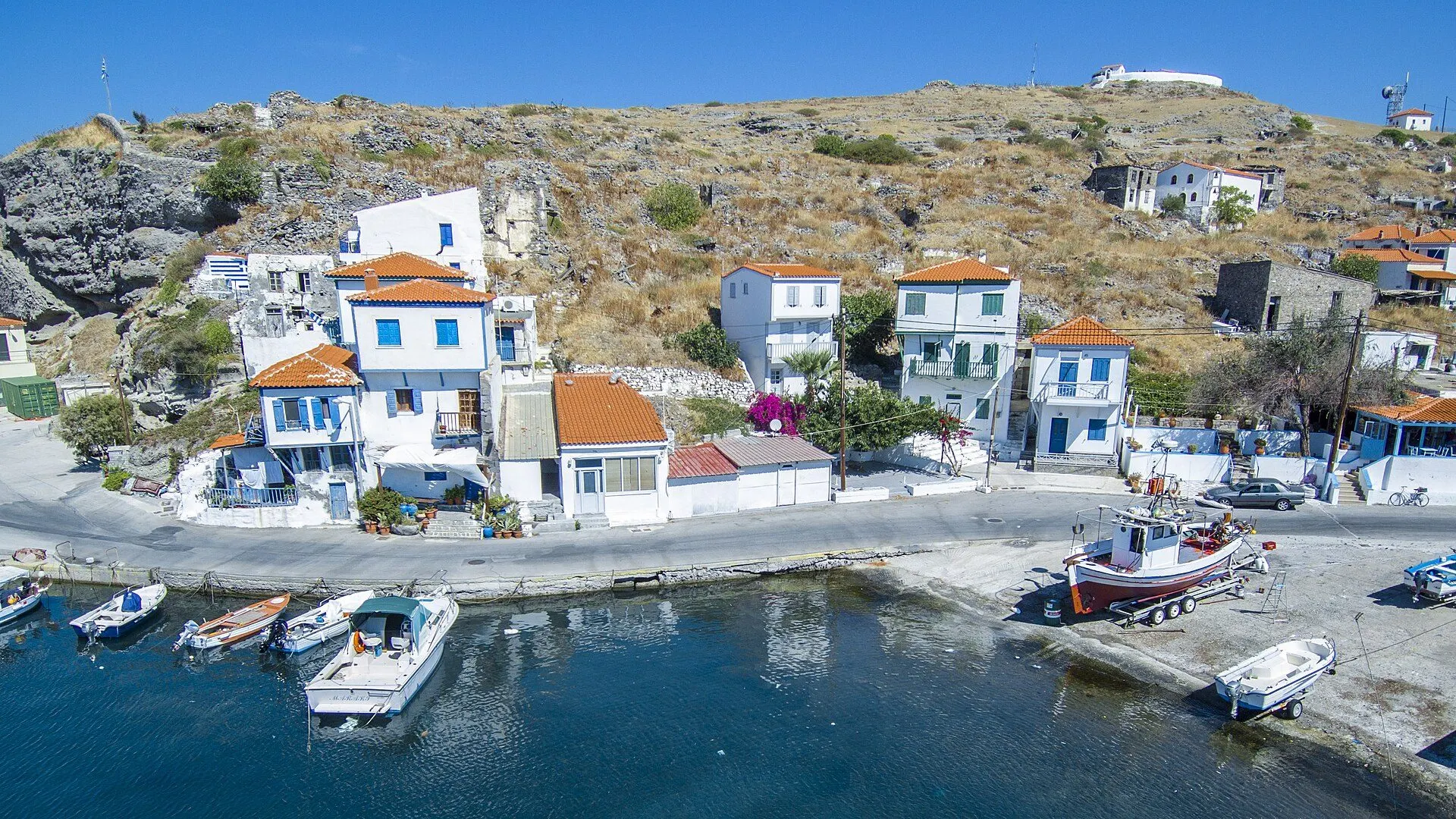
Aerial view of the harbour of Agios Efstratios, its boats and the colourful houses of the village on the rocky hill

Άγιος Ευστράτιος · Ai Stratis, the island of exile: one village, wild volcanic beaches and a museum of democracy at the end of the Aegean

Ai Stratis, the island they sent the poets to

Sail to Ai Stratis, the loneliest island of the North Aegean, where Ritsos and Varnalis were exiled, walk up to the old houses that survived the 1968 earthquake, and swim at beaches of black volcanic pebbles with no one else on them.

The village of Agios Efstratios in its valley above the bay and harbour, with bare hills behind

Greetings from Agios Efstratios

Ai Stratis

The little boat from Lemnos takes two and a half hours, and for most of it there is nothing on the horizon at all. Then a bare brown island, a breakwater, a quay and a village in a valley. In the morning, sit in the old school where the exiles had their infirmary and read the letters of poets who were sent here because of what they believed. In the afternoon, drive a dirt track to a beach of black pebbles with sea lilies in the sand, and you may have it to yourself until the sun goes down.

Wish you were here. x

Hour by hour

A perfect day on Ai Stratis

The six o'clock boat leaving, the Museum of Democracy, the old houses on the hill, a wild beach of black pebbles and a sunset dinner by the harbour.

  1. 06:00

    The morning boat

    Walk down to the quay as the small ferry leaves for Lemnos, and watch the harbour wake up.

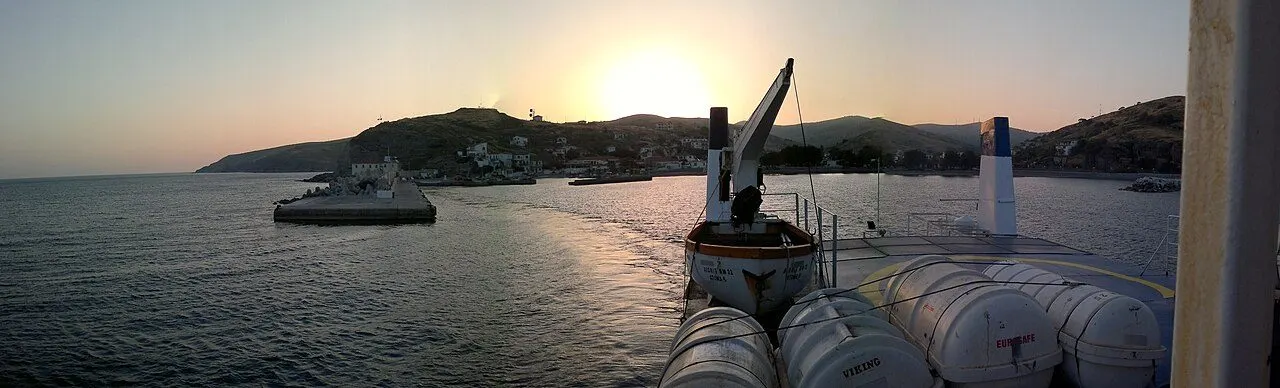
    Panorama of the harbour of Agios Efstratios at dawn, seen from a ferry deck
  2. 09:00

    The Museum of Democracy

    Visit the island's first school, which was the exiles' infirmary, to understand why so many of Greece's poets, actors and politicians once lived here against their will (closed on Tuesdays).

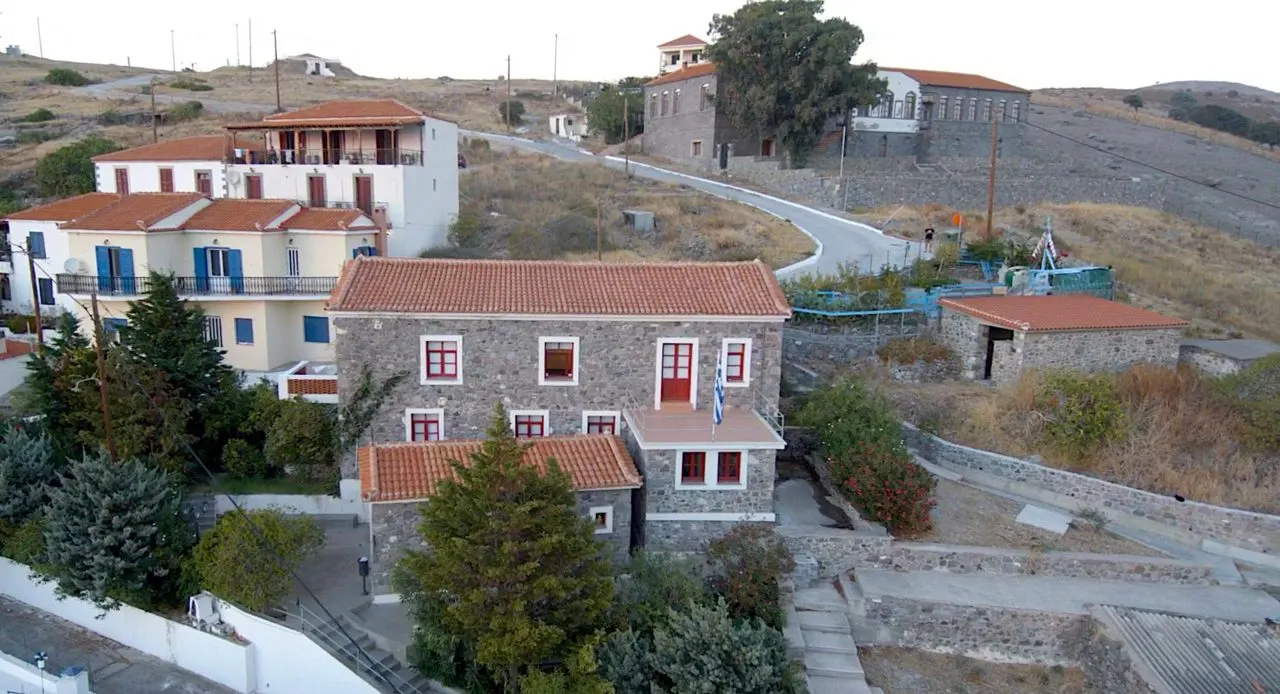
    Aerial view of the Museum of Democracy, a stone building with a tiled roof
  3. 10:30

    Up to the old village

    Climb the hill above the harbour to the houses that survived the earthquake of 1968, with the grid of the new village laid out below you.

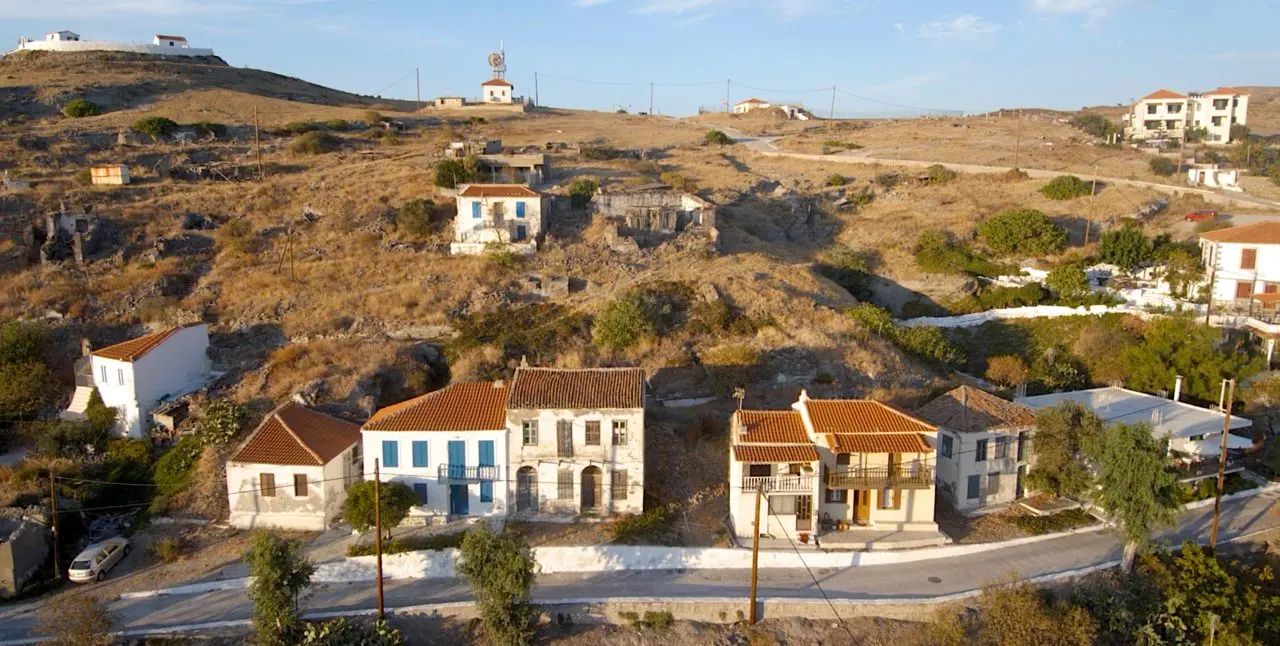
    Aerial view of older houses on the hillside of the upper village
  4. 12:00

    Across to Alonitsi

    Take the track across the island to the long beach of the east coast, look across the sea to Lemnos and swim below the honeycomb rocks.

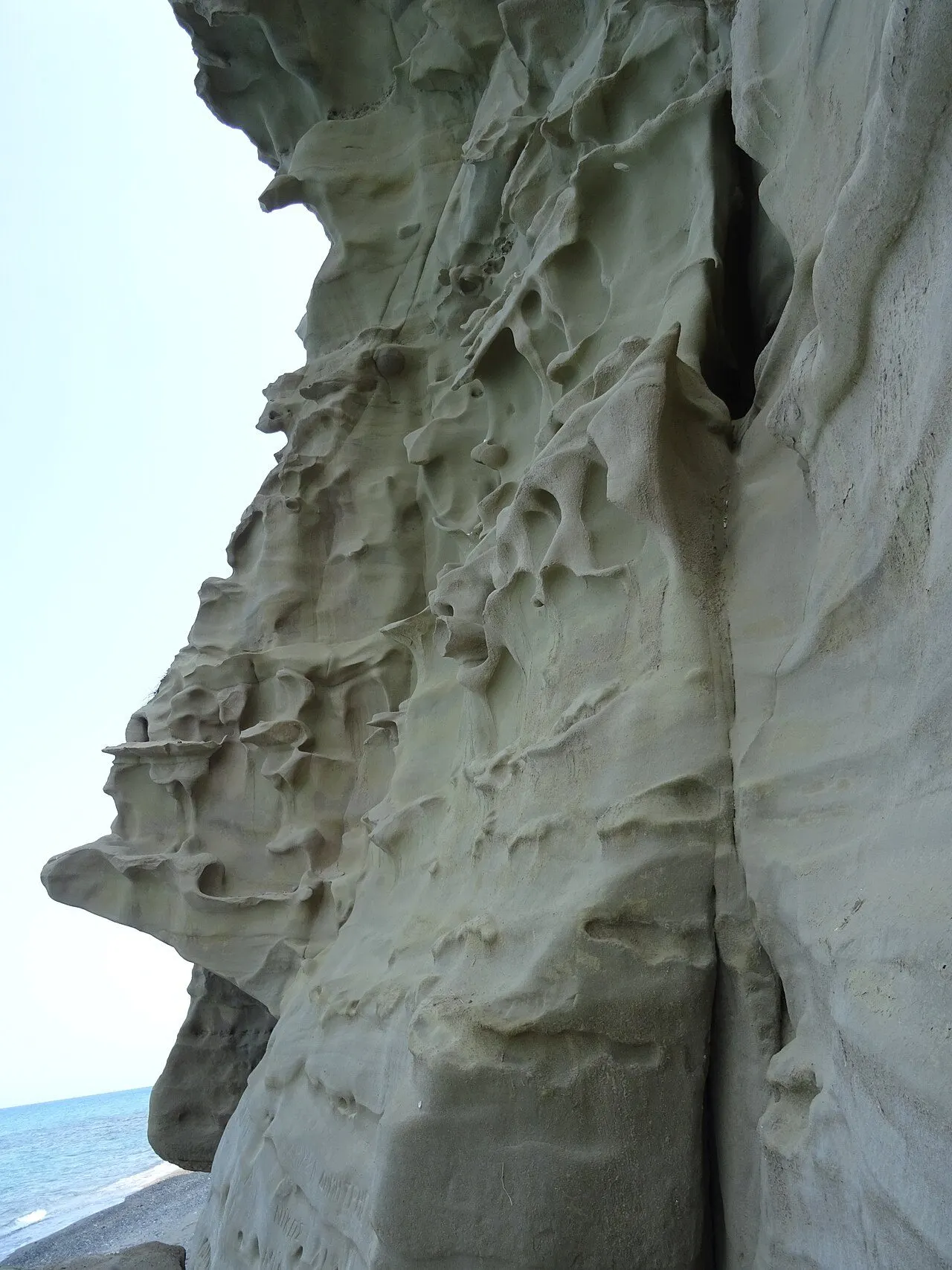
    A wind-carved honeycomb rock at Alonitsi
  5. 15:30

    Late lunch by the harbour

    Back in the village, eat on the waterfront: fish from the island's boats if there is some, and the local lamb.

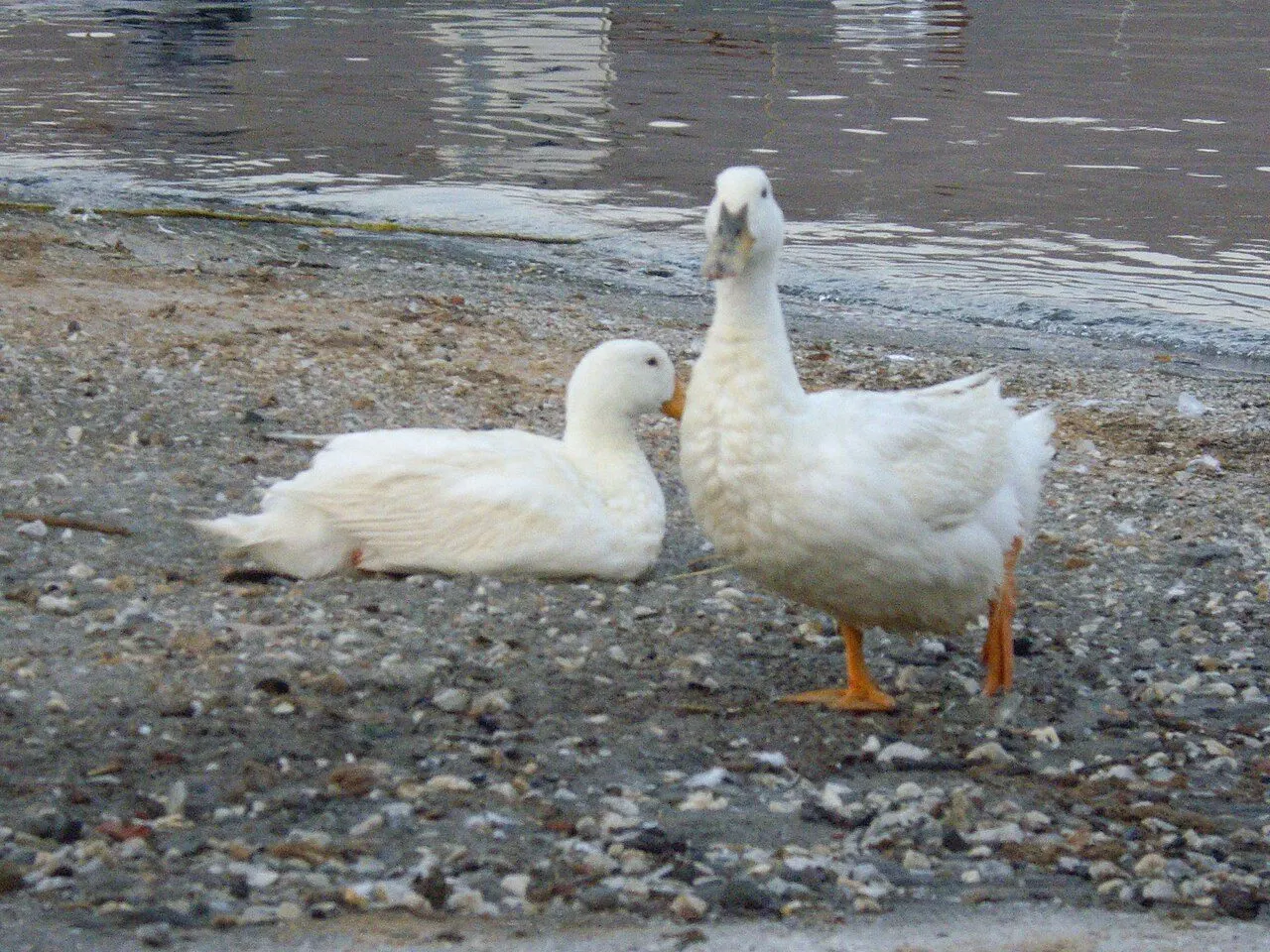
    White ducks in the village harbour
  6. 19:30

    Sunset at Agios Dimitrios

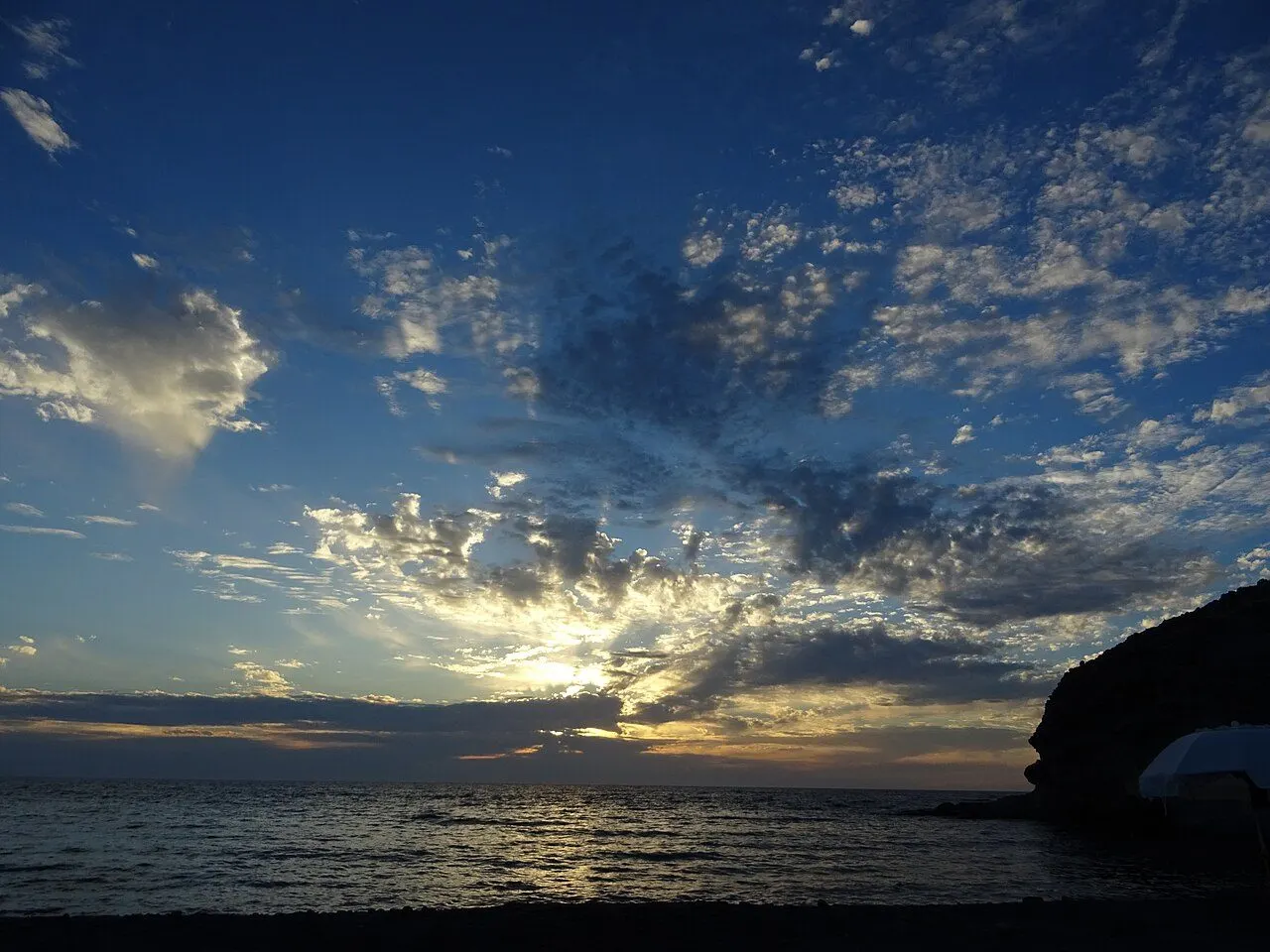
    Drive the dirt road to Agios Dimitrios, where sea lilies grow in the black sand, and stay until the sun drops into the sea.

    A cloudy sunset over the sea at Agios Dimitrios
  7. 21:30

    Dinner and a drink on the quay

    End at the other taverna on the waterfront, then a drink at the bar by the harbour.

    Aerial view of the harbour of Agios Efstratios and the houses on the rocky hill

Where to stay

Where you'll wake up on Agios Efstratios

All stays

Only on Ai Stratis

The things you'll tell everyone about

What makes Ai Stratis different from every other Greek island.

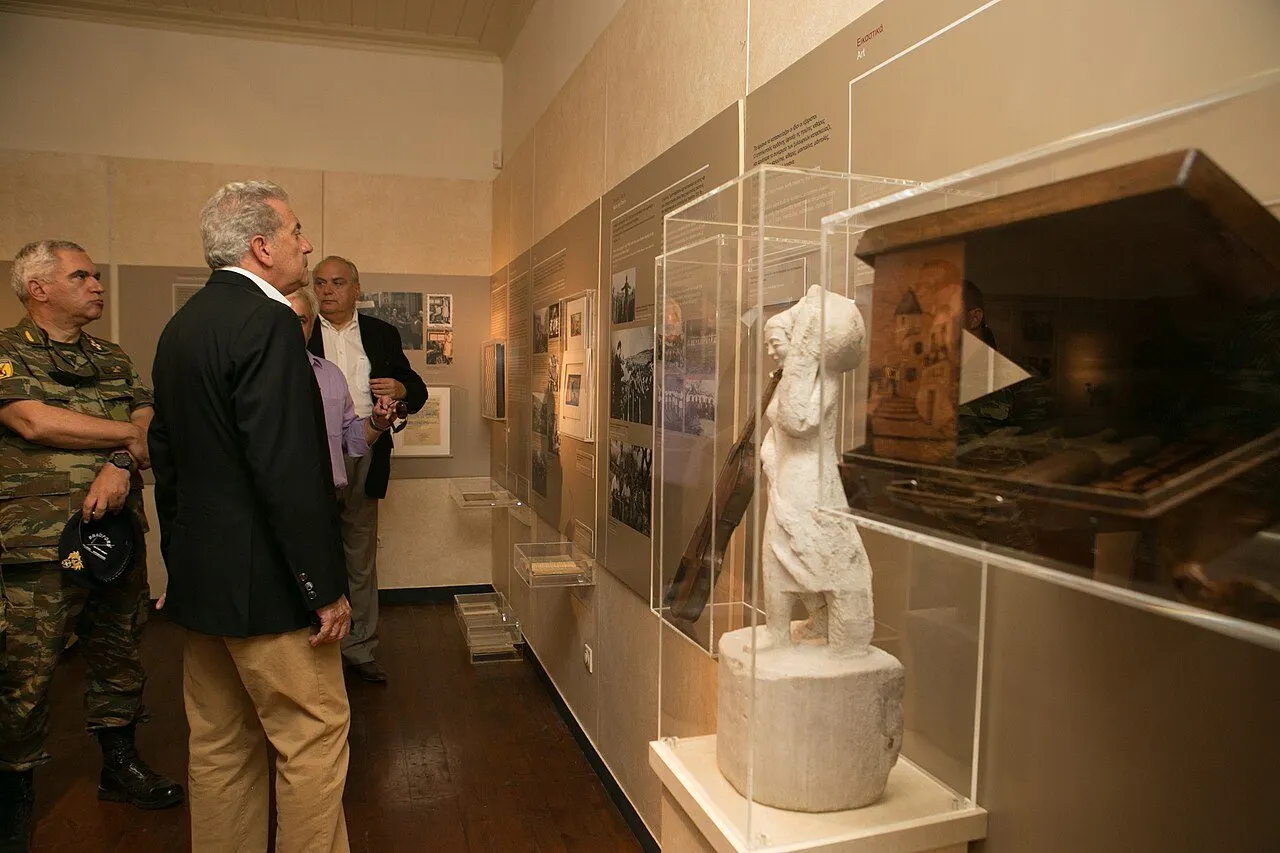
Exhibits inside the Museum of Democracy on Agios Efstratios

The island of exile

From 1929, under Venizelos, and again from 1947 to 1962, the Greek state sent its political opponents here: about 9,000 people passed through the camp from 1947 to 1962 alone. Ritsos wrote here, and carried his poems away in the false bottom of a suitcase; Katrakis brought Ritsos's earlier manuscripts, buried in bottles, from the camp on Makronisos. The island's first school, their infirmary, is now the Museum of Democracy.
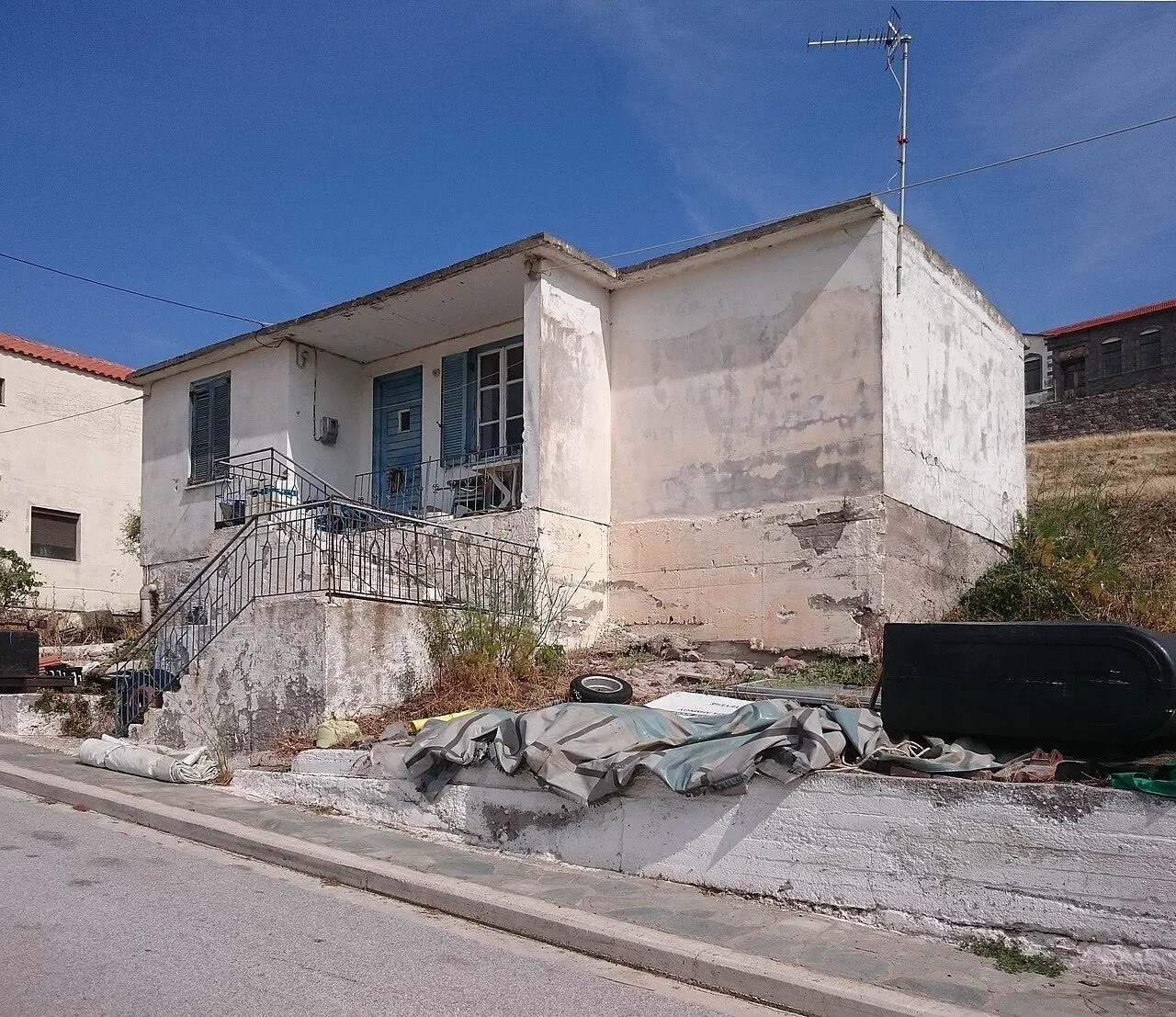
A plain single-storey concrete house in the village of Agios Efstratios

A village rebuilt by a dictatorship

After the earthquake of February 1968 the junta declared the old stone village on the hill unfit to live in and built a new one in the valley, of concrete prefabricated houses in straight rows. The few old houses that survived still look down on it from above the harbour.
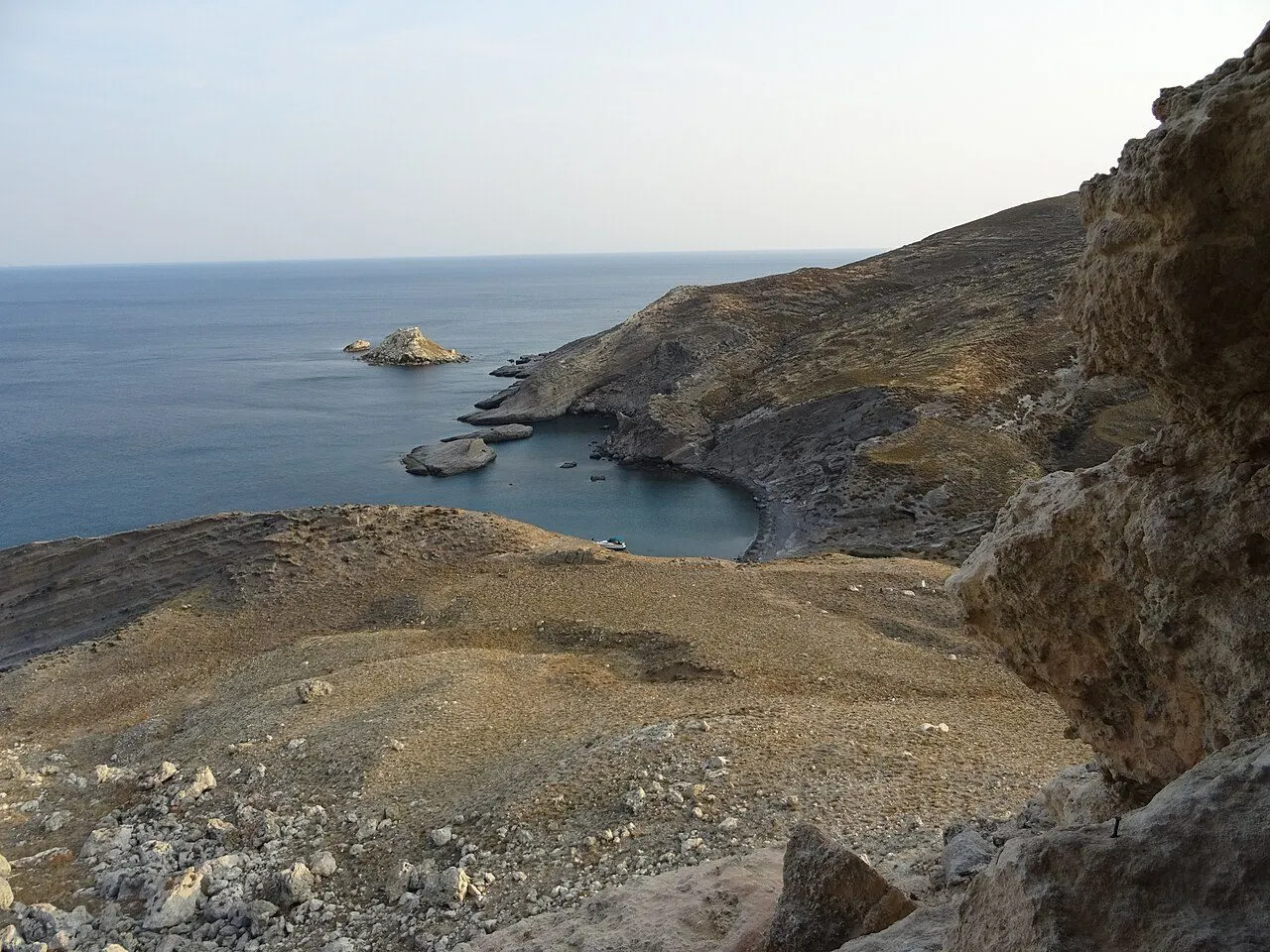
Rocky coves and islets near Alonitsi

The saint who was seasick

The island is named after Saint Eustratios, an abbot from Bithynia exiled in the 9th century, during the quarrel over icons. The story goes that he was put ashore here because he was seasick, and lived in a cave at Alonitsi. Long before him, Pausanias wrote of an island called Nea, 'the new one', that rose from the sea when another island sank.
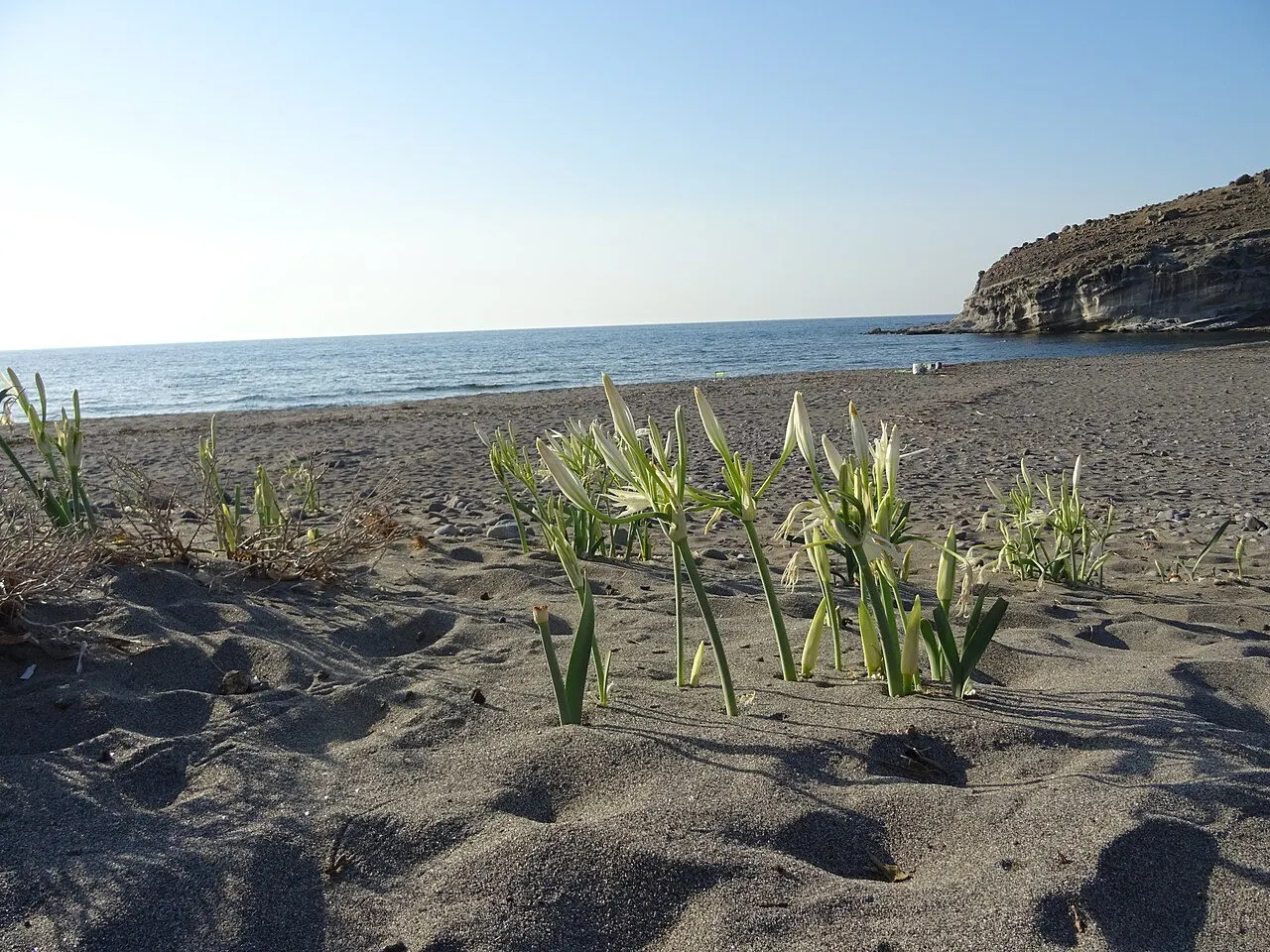
Sea lilies growing in the sand at Agios Dimitrios beach

Oak woods, monk seals and sea lilies

The whole island and its coastal sea are a Natura 2000 site. Monk seals breed in its sea caves, Eleonora's falcons and shags live on its cliffs, sea lilies flower on its beaches, and about 100 hectares of old oaks, some centuries old, grow down the cliffs to the shore between Avlakia and Alonitsi.
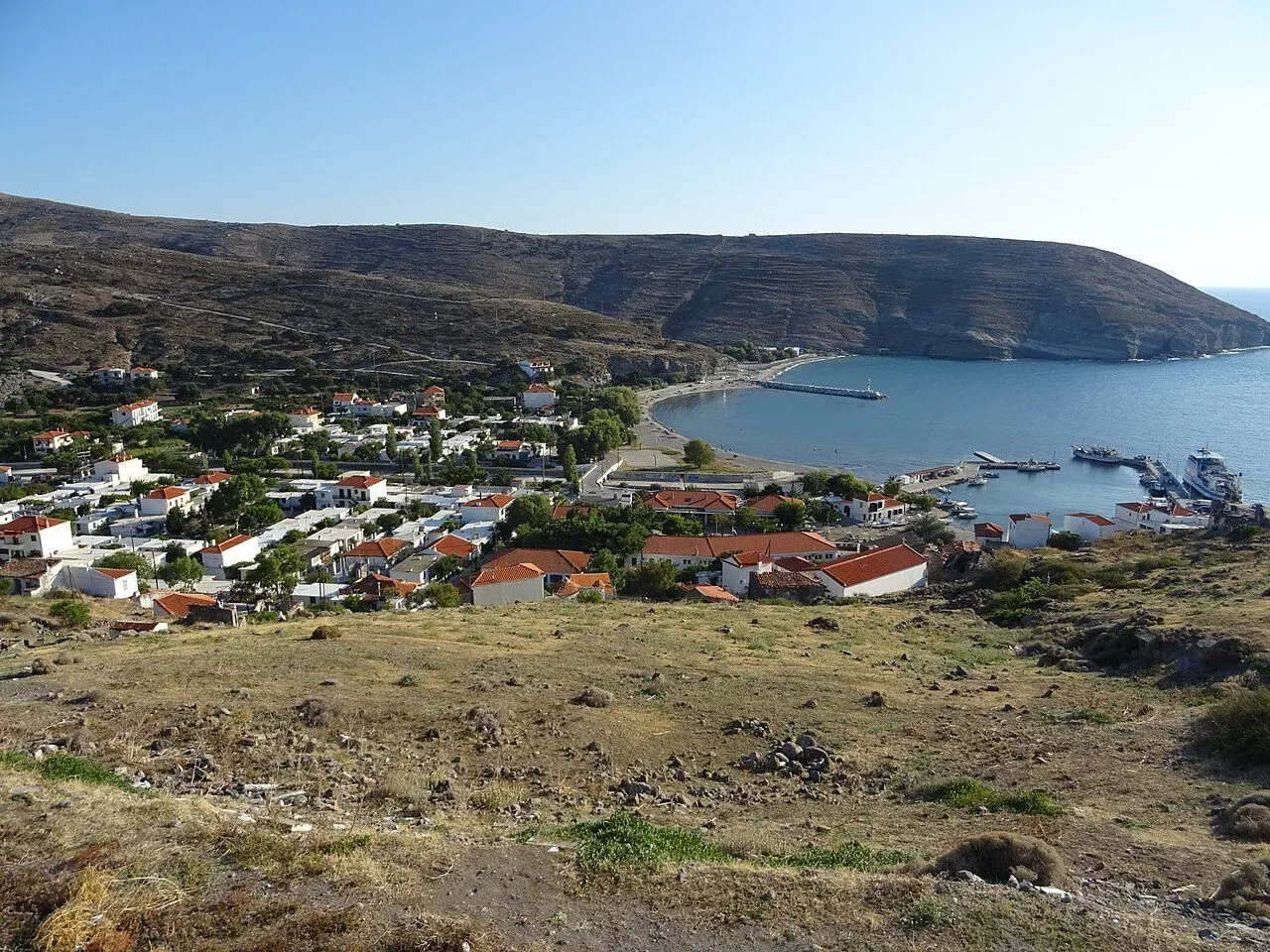
The village of Agios Efstratios in its valley above the bay and harbour

“The best fish on Ai Stratis is the ewe.”

Island saying

Towns & villages

Where you'll fall for Agios Efstratios

All towns & villages
View of Agios Efstratios village, The village & the harbour, Agios Efstratios
01
The village & the harbour

Agios Efstratios village

The only village on Ai Stratis: one harbour, one beach, two tavernas and a museum of exile

Everyone on Ai Stratis lives here: about 257 people in 2021, in the one village of the island, set in a valley between two streams that open onto the harbour bay on the west coast. Above the quay, on the rocky hill, are the older houses that survived the earthquake of 1968. Below them, filling the valley where the orchards used to be, is the new village the military government built after it, in straight rows of concrete prefabricated houses. Around them is the island's whole public life: the quay where the ferry from Lemnos ties up, a beach of grey volcanic sand with municipal umbrellas, a handful of tavernas and cafes, the churches, and the Museum of Democracy in the old school that served as the exiles' infirmary.

  • The Museum of Democracy, in the island's first school
  • Sunset over the harbour from the village beach
  • The older houses on the hill above the quay
  • Fish and the island's lamb on the waterfront
  • Watching the morning boat leave for Lemnos at six
Discover Agios Efstratios village
View of The old village, The village & the harbour, Agios Efstratios
02
The village & the harbour

The old village

What the 1968 earthquake and the bulldozers left on the hill above the harbour

Until 1968 Ai Stratis lived on the hill above the harbour, in some 500 stone houses of two and three storeys with wooden porches. After the earthquake of February 1968 the military government declared the village unfit to live in and moved everyone to the new village in the valley. Most of the old houses were pulled down; the ones that survived still stand above the quay among the ruins and the paths cleared around 2009. Here too stood the church of the Five Martyrs and Agios Efstratios, demolished after the quake: when the site was dug, it turned out to stand on an ancient temple, with column bases, an altar made of two Corinthian capitals and traces of mosaic, and it has not been rebuilt.

  • The surviving old houses on the hill above the quay
  • The site of the church of the Five Martyrs, over an ancient temple
  • The view over the harbour and the grid of the new village
Discover The old village

Things to do

Moments to collect

Aerial view of the Museum of Democracy, a stone building with a tiled roof

Culture

Read the story of the exiles

Spend a morning in the old school where the exiles had their infirmary, and learn how Ritsos, Varnalis and thousands of others lived on the island.

Museum of Democracy, the village

Aerial view of older houses on the hillside of the upper village

Culture

Walk the old village

Climb through the ruins and the surviving stone houses of the village destroyed in 1968, for the view over the bay.

The hill above the harbour

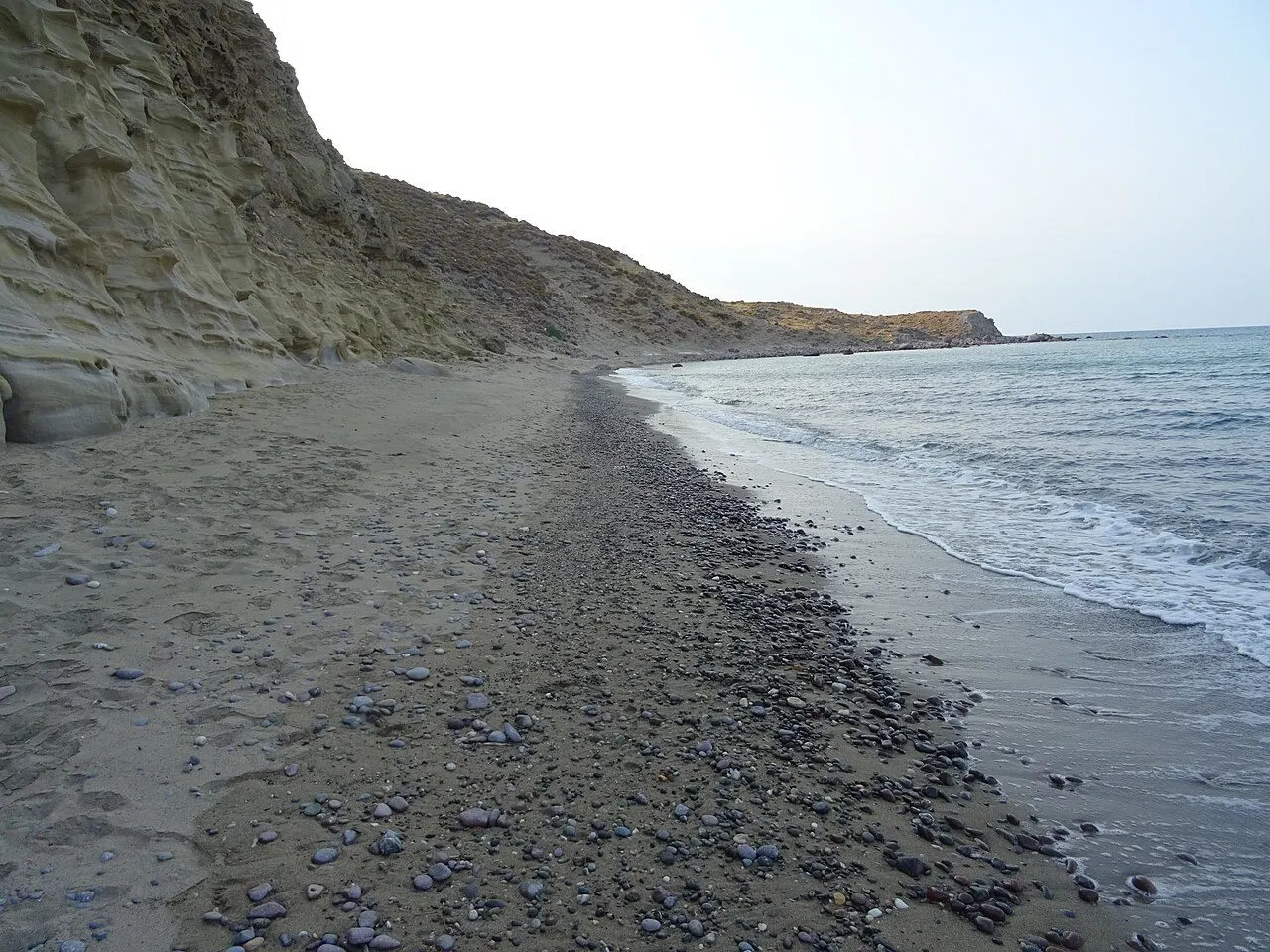
An empty beach of sand and dark pebbles under pale cliffs, about 1.5 km along from Alonitsi

Beach

Have Alonitsi to yourself

Cross the island to two kilometres of sand and pebbles facing Lemnos, under cliffs the wind has carved into honeycombs.

Alonitsi, east coast

Good to know

Before you fall for Agios Efstratios

Agios Efstratios, which everyone in Greece calls Ai Stratis, is a volcanic island of about 43 km² alone in the middle of the North Aegean, 18 nautical miles south-west of Lemnos and further still from anywhere else. It has one village, built around one harbour, and 257 people (2021). For much of the 20th century the Greek state used it as a place of exile: thousands of communists and left-wing writers, actors and politicians were sent here between 1929 and 1962, among them the poets Yiannis Ritsos, Kostas Varnalis and Tasos Leivaditis and the actor Manos Katrakis. In 1968 an earthquake destroyed the old village, and the military government rebuilt it in rows of prefabricated houses in the valley. Today Ai Stratis is a Natura 2000 site of oak woods, wind-carved rocks, monk seals and empty beaches, for travellers who want the Aegean with no one else in it and do not mind dirt tracks and a boat timetable that the wind decides.

Area
≈ 43 km²
Population
257 (2021), one village
Highest point
Simadi, 298 m
Airport
None, fly to Lemnos
  • Solitude
  • Modern history
  • Wild beaches
  • Walkers

From the island of Nea to the island of exile

An island said to have risen from the sea, an exiled saint, centuries as the property of a monastery on Mount Athos, union with Greece in 1912, thirty years as a prison for ideas, and an earthquake that ended the old village.

Walk through the story

Last updated