Sifnos: a whitewashed monastery and village above the Aegean

Σίφνος · The island where Saturday night smells of wood smoke and chickpeas, and a ferry stops for a rock

Sifnos, the island that cooks slowly

A small Cycladic island of potters, poets and cooks: chickpeas left overnight in a clay pot in the village oven, 77 ancient towers on the hills, saints who live a year in someone's house, and some 200 km of marble-paved paths between them.

Kastro on its rock above the sea

Greetings from Sifnos

Sifnos

Last night at nine a woman in Exambela walked past us with a clay pot wrapped in a tea towel, on her way to the baker's oven. This morning we followed a marble path from Apollonia down to Kastro, past dovecotes and one of the island's ancient round towers, and swam from the rocks below the Seven Martyrs. At lunch in Vathi the taverna owner lifted the lid off that same kind of pot: chickpeas, soft as butter, twelve hours in the embers. Now we are on the steps of Chrysopigi, the monastery on its split rock, and the sea in the crack below is turning gold.

Wish you were here. x

Hour by hour

A perfect day on Sifnos

A marble path, a village that is its own wall, a swim below a chapel, a slow lunch from the wood oven and sunset at the monastery on the split rock.

  1. 08:30

    Almond sweets in Apollonia

    Start in the white lanes of Apollonia with a coffee and amygdalota, the soft almond sweets every Sifnian bakery makes, before the sun gets onto the marble.

    A whitewashed lane in Apollonia
  2. 09:30

    The path to Kastro

    Walk the signposted path down to Kastro, about an hour through terraces held up by dry-stone walls, then slip through one of the covered gateways into the medieval village.

    A narrow lane inside Kastro
  3. 11:30

    A swim below the Seven Martyrs

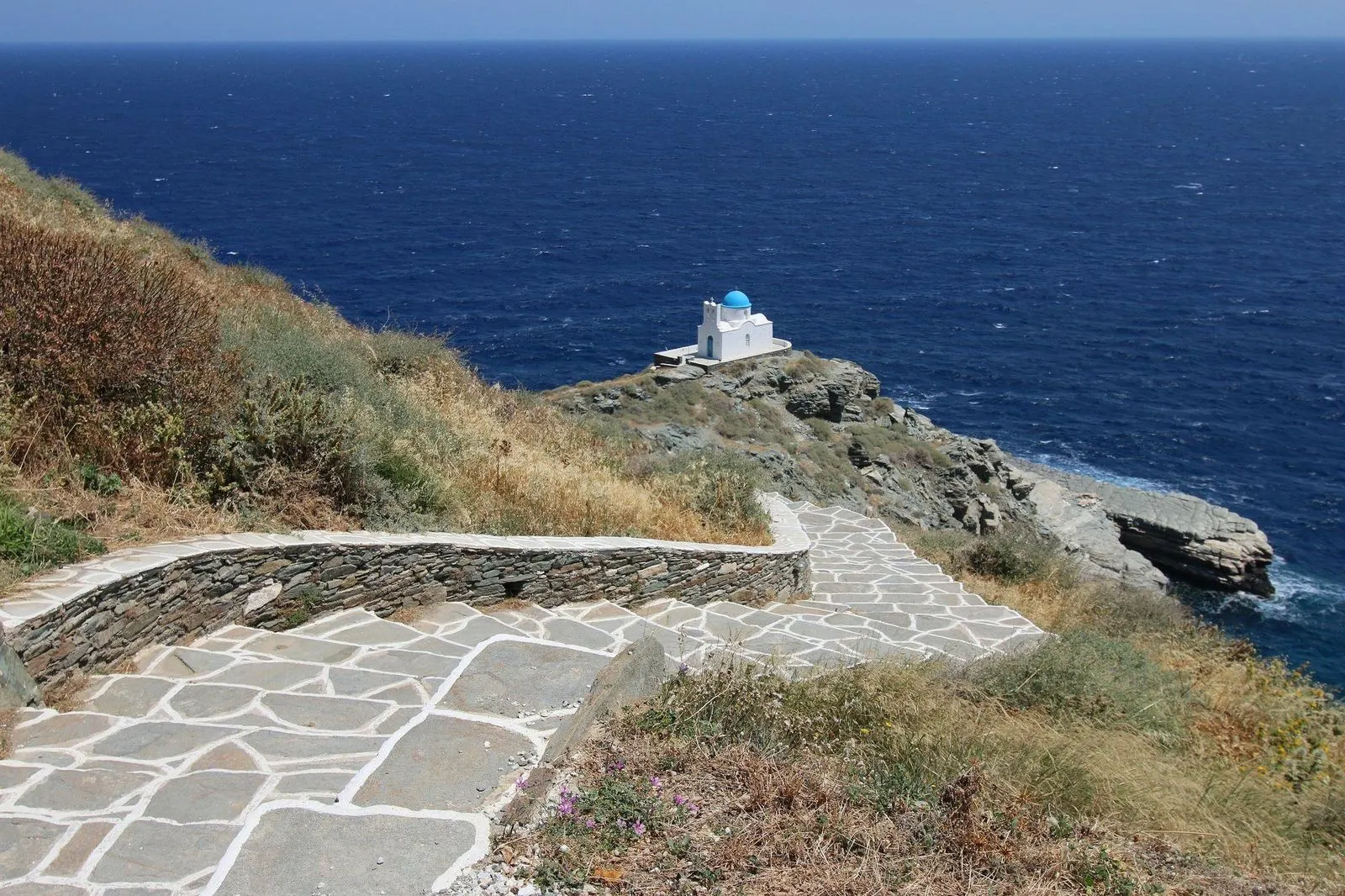
    Climb down to the little chapel alone on its rock in the sea and swim from the flat rocks around it, in water so clear you can count the sea urchins.

    The chapel of the Seven Martyrs below Kastro
  4. 14:00

    Lunch from the wood oven in Vathi

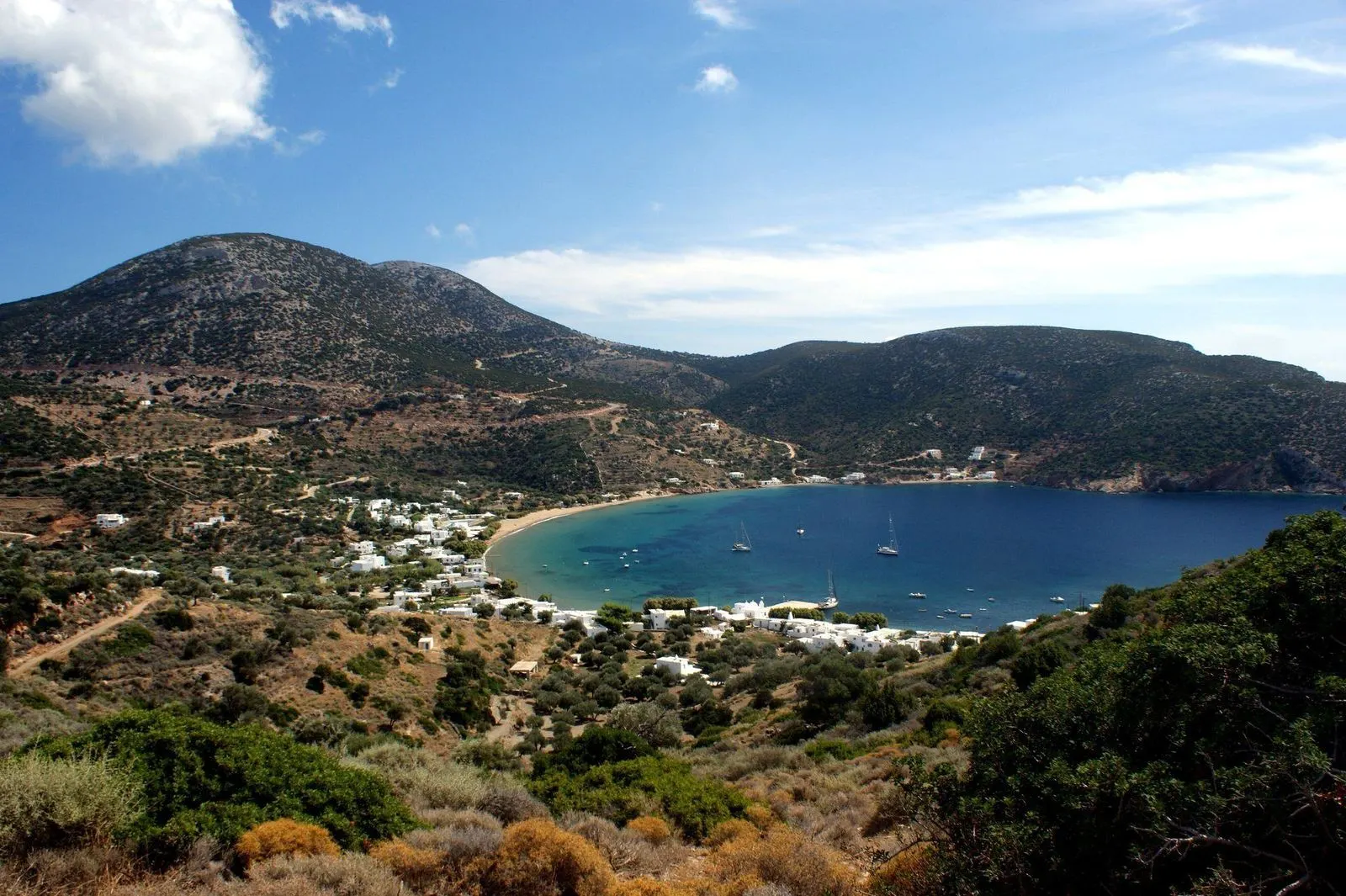
    Cross the island to the round, sheltered bay of Vathi and order whatever came out of the oven in a clay pot: revithada, or mastelo, lamb in red wine and dill. Then swim it off.

    The calm bay of Vathi
  5. 18:30

    Chrysopigi at golden hour

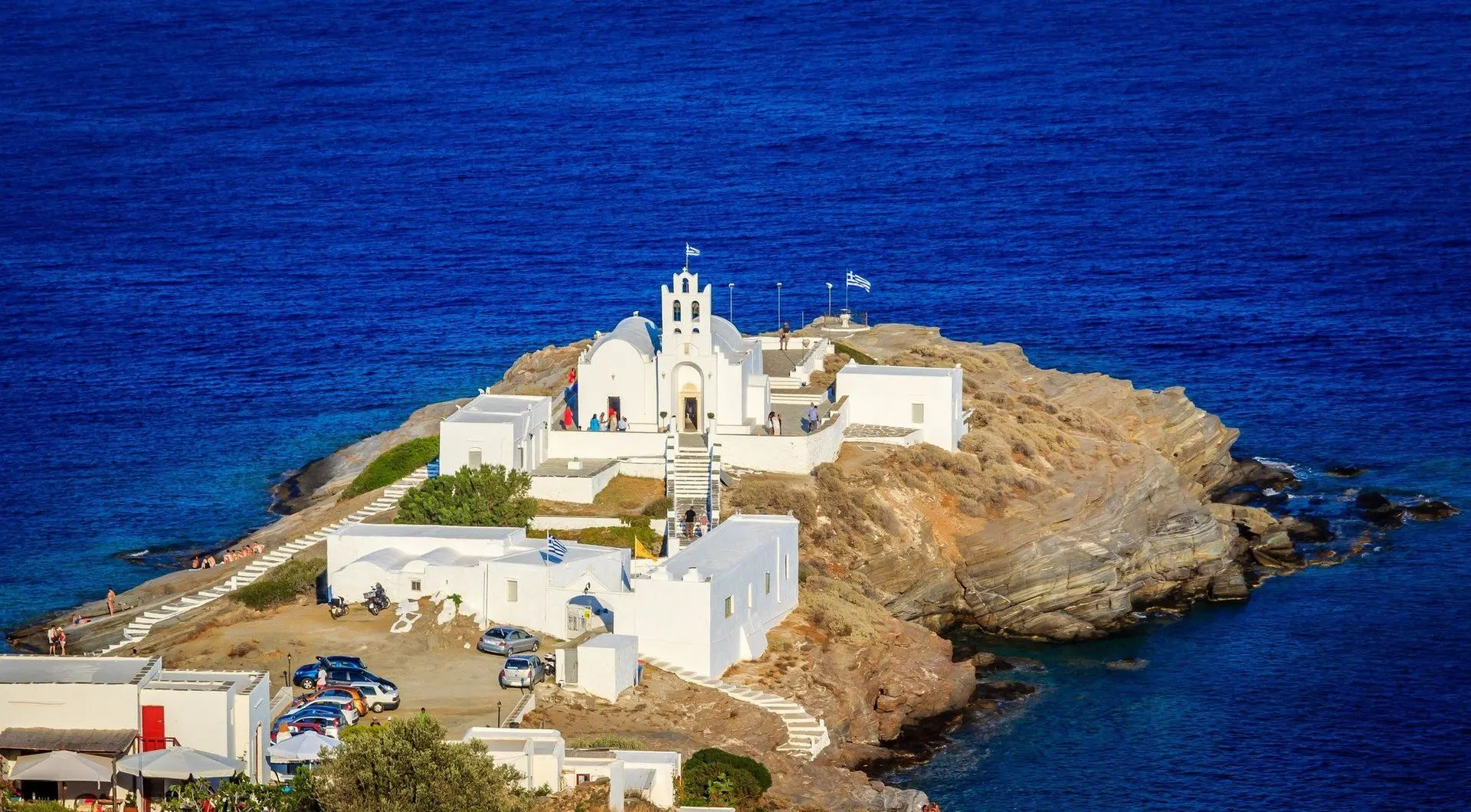
    Cross the little bridge over the crack in the rock to the island's patron monastery, then swim at Apokofto next door while the white walls go pink.

    The monastery of Chrysopigi on its rock
  6. 21:00

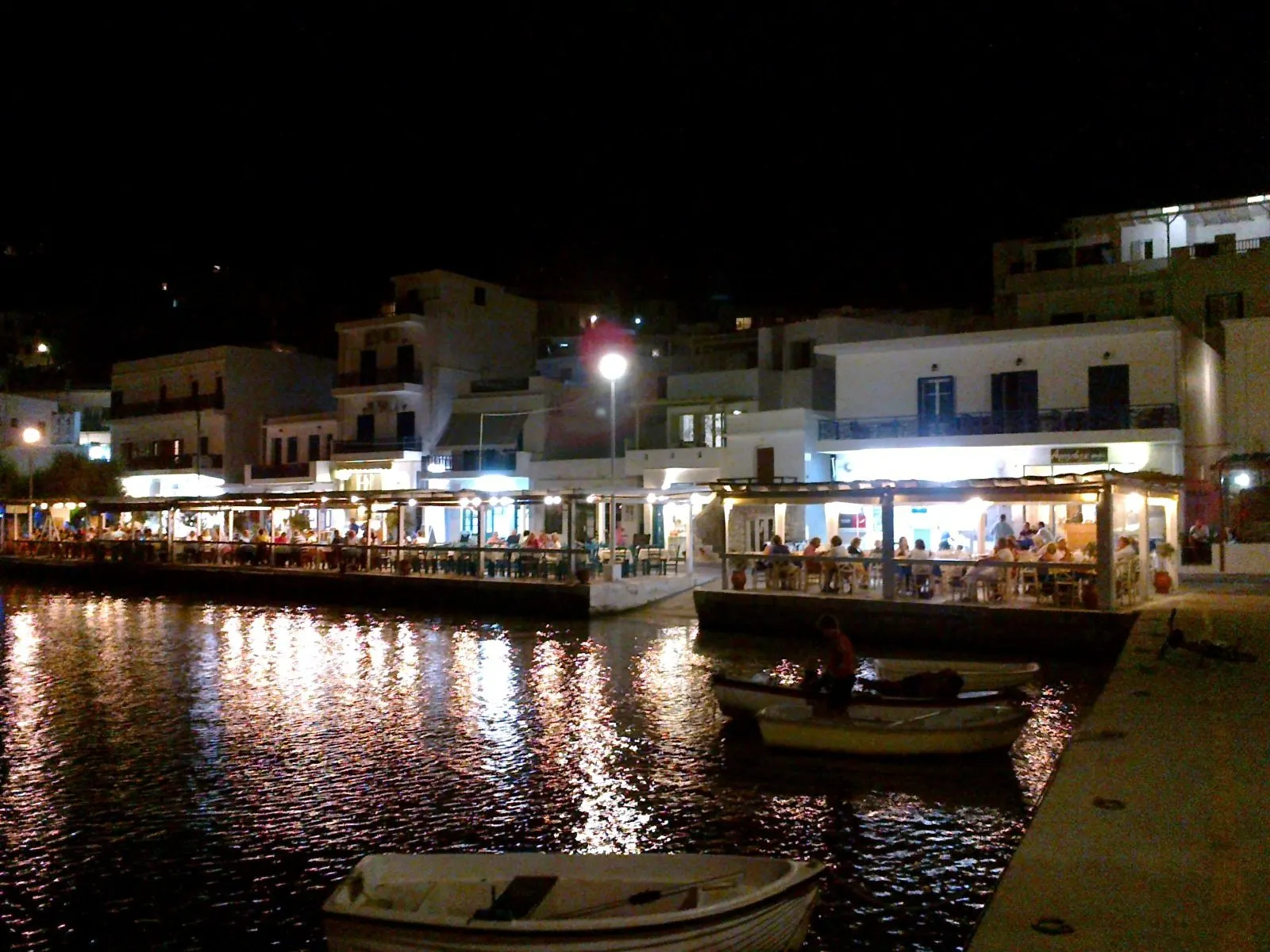
    Dinner by the sea

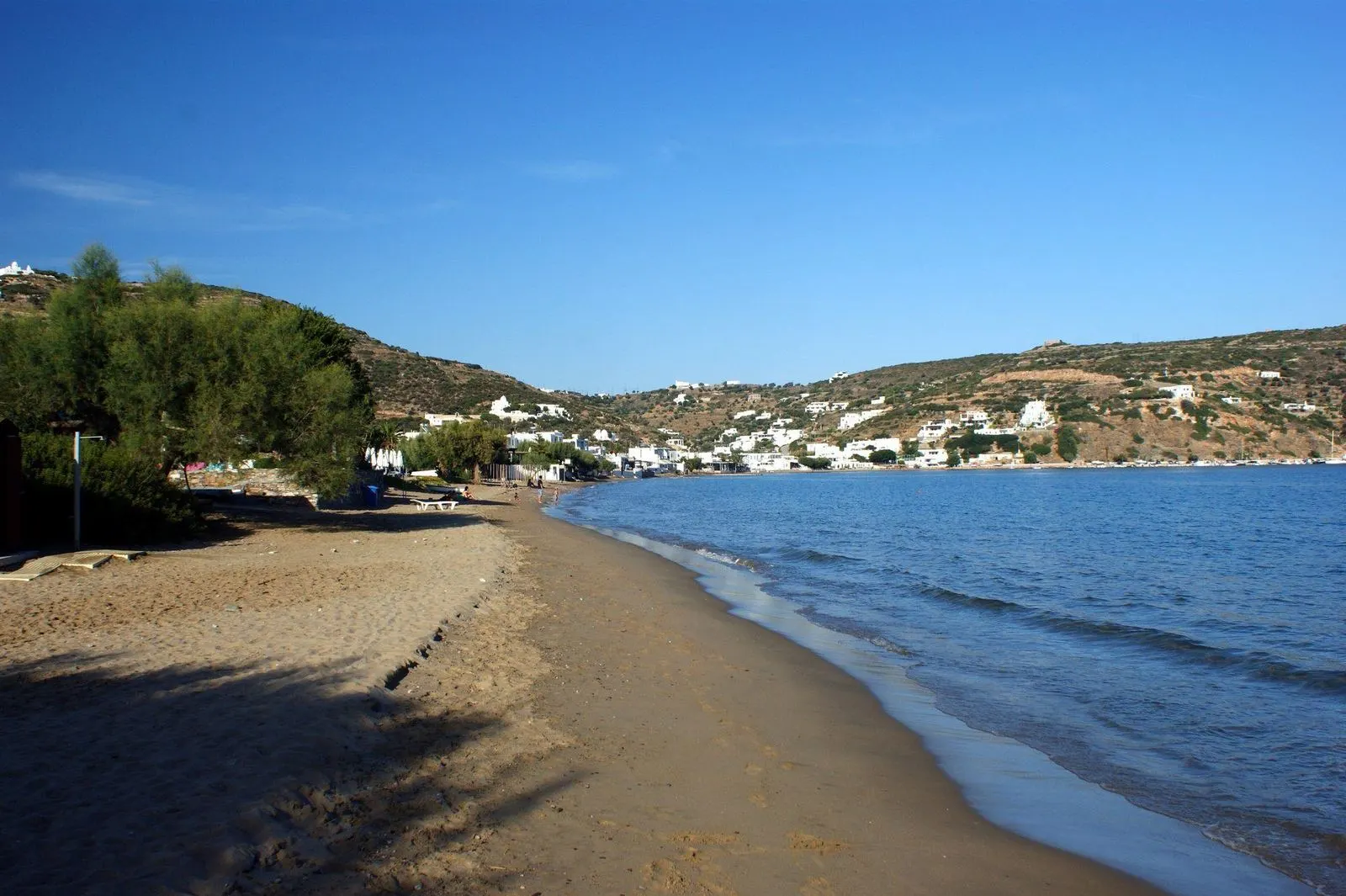
    End on the long sand of Platis Gialos with fish and small plates, a few steps from the water and a wedge of manoura cheese to finish.

    The beach of Platis Gialos

Where to stay

Where you'll wake up on Sifnos

All stays

Only on Sifnos

The things you'll tell everyone about

Things even seasoned islomaniacs rarely know about this island.

A table of Sifnian dishes

Saturday night at the oven

Revithada is chickpeas, onion and olive oil, left overnight in a lidded clay pot called a skepastaria in an oven fired with brushwood, and eaten after church on Sunday. Mastelo, lamb or goat in red wine and dill, goes into its own pot of the same name for Easter. The man who taught all of Greece to cook, Nikolaos Tselementes, was born in Exambela in 1878; his cookbook of 1930 gave the country béchamel and the modern moussaka.
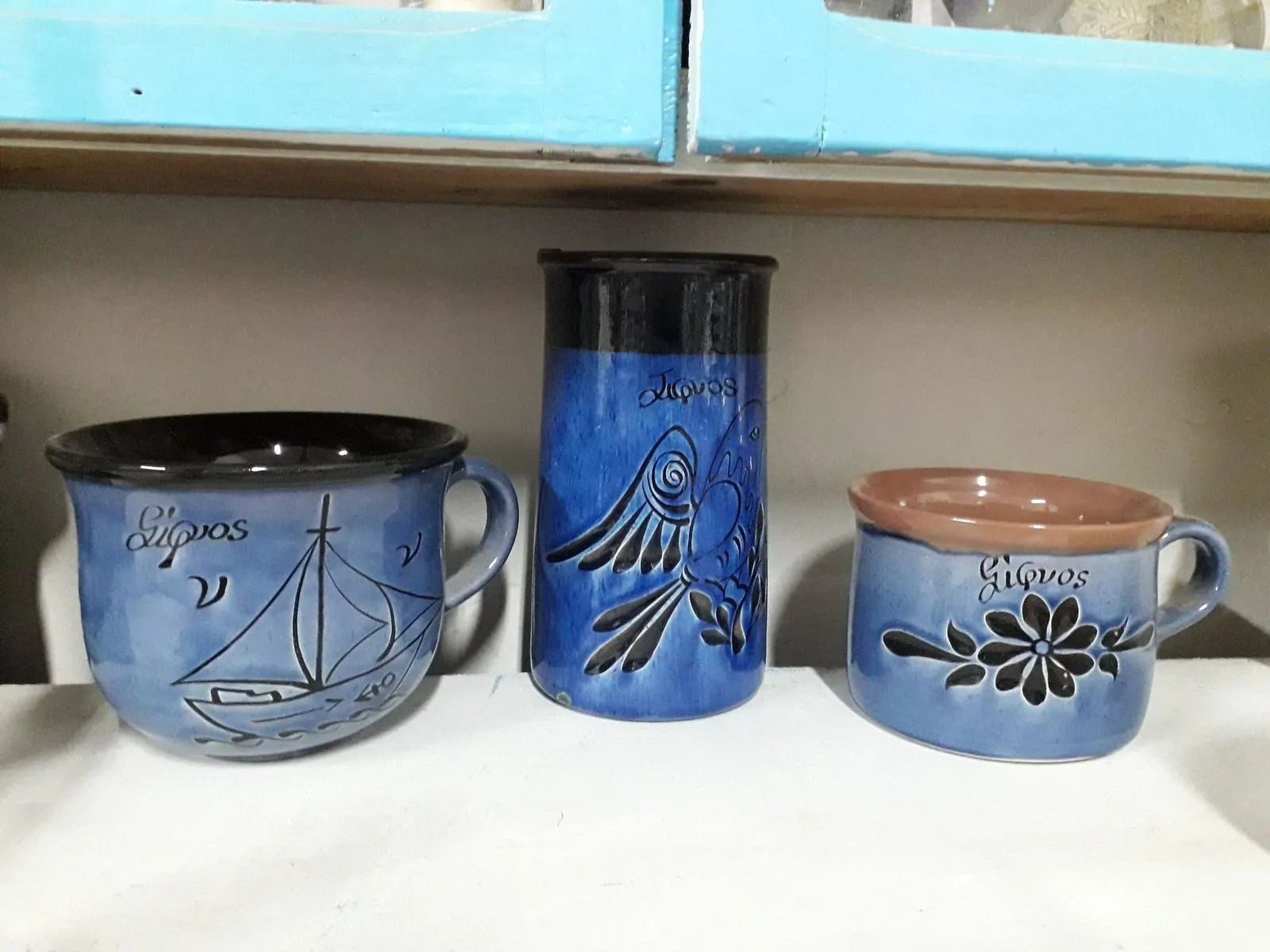
Pottery made on Sifnos

When 'Sifnian' meant potter

The island's fireproof clay, weathered out of its schist, made its potters so famous that 'a Sifnian' became another word for a potter. They carried the trade to other islands and to Attica, setting up whole workshop quarters in Marousi, Chalandri and Agia Paraskevi. At home they worked by the sea all week, slept at the kilns and walked back to their villages on Saturday afternoon. Look up at the roofs: the clay chimney pots, the flaroi, are theirs. About 15 workshops still fire today.
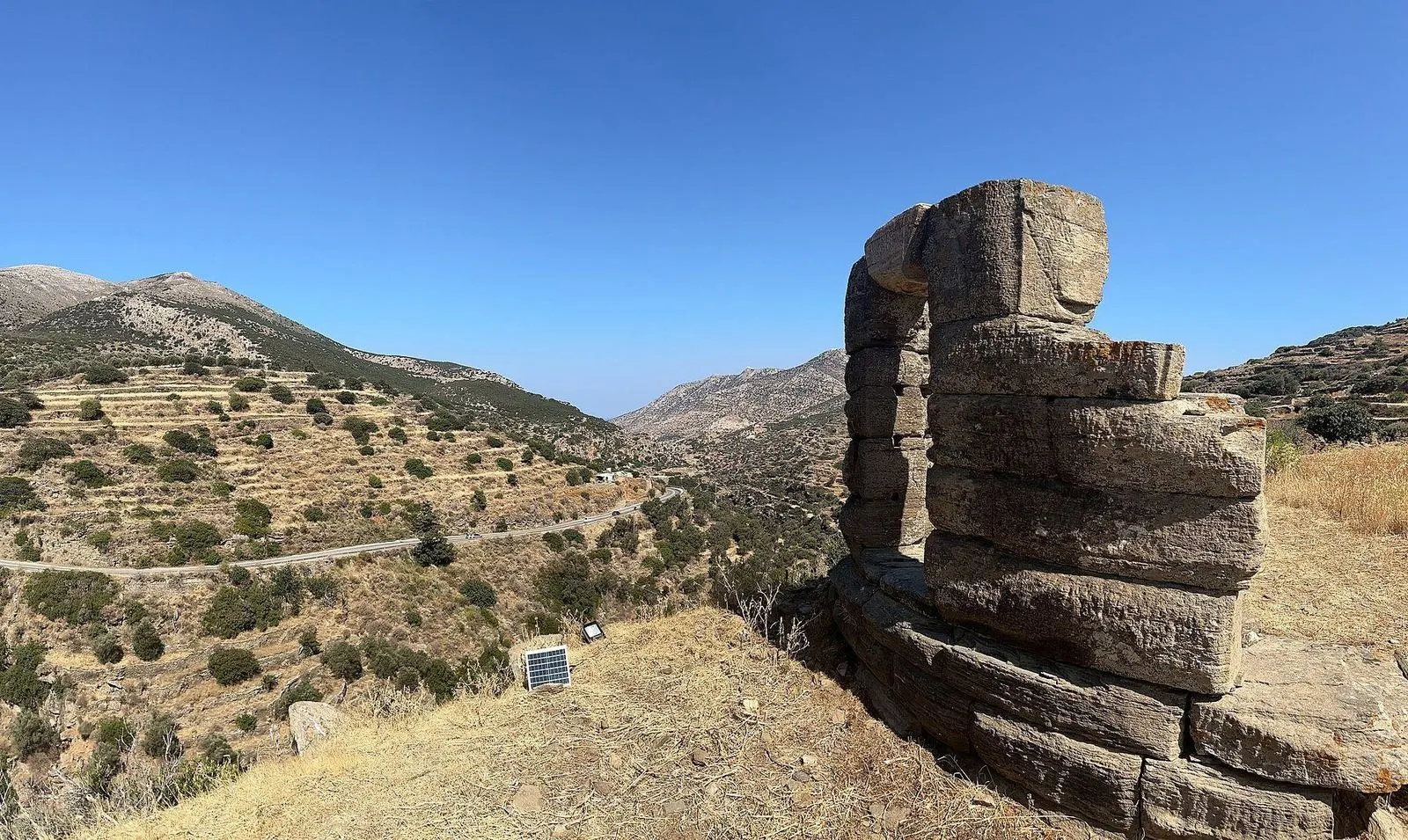
An ancient round watchtower on Sifnos

77 towers, lit again every year

Archaeologists have recorded 77 round stone towers on the island, about 8 m across and mostly from the 6th to the 3rd century BC, more than one for every square kilometre and more than on any other Aegean island. They guarded the mines and fields and passed signals between the hilltop citadels. Every year since 2003, on the eve of the Day of the Holy Spirit, volunteers hike out to the ruins at 7 in the evening and signal from tower to tower once more, with smoke and mirrors.
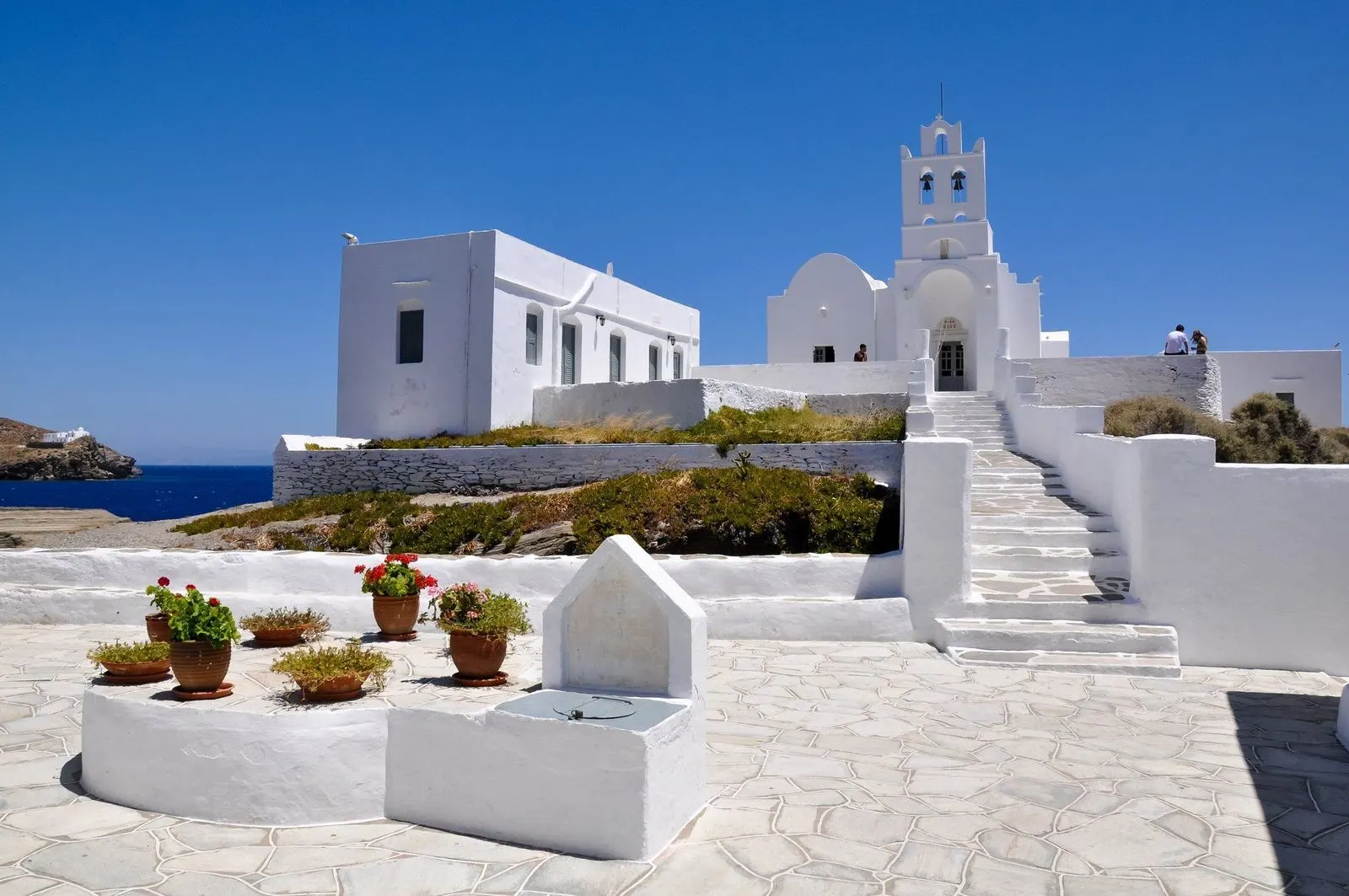
The monastery of Chrysopigi on its rock

The ferry that stops for a rock

On the eve of Ascension Day the icon of Chrysopigi, the island's patron, is carried from the house of the family hosting the feast to Agios Georgios in Kamares. Then the host and the priests board the regular ferry from Piraeus, which that one day adds the rock of Chrysopigi to its route. Pilgrims go by road. Next morning a caique takes the icon to Seralia below Kastro, and it is walked through the villages to Apollonia, where next year's host receives it.
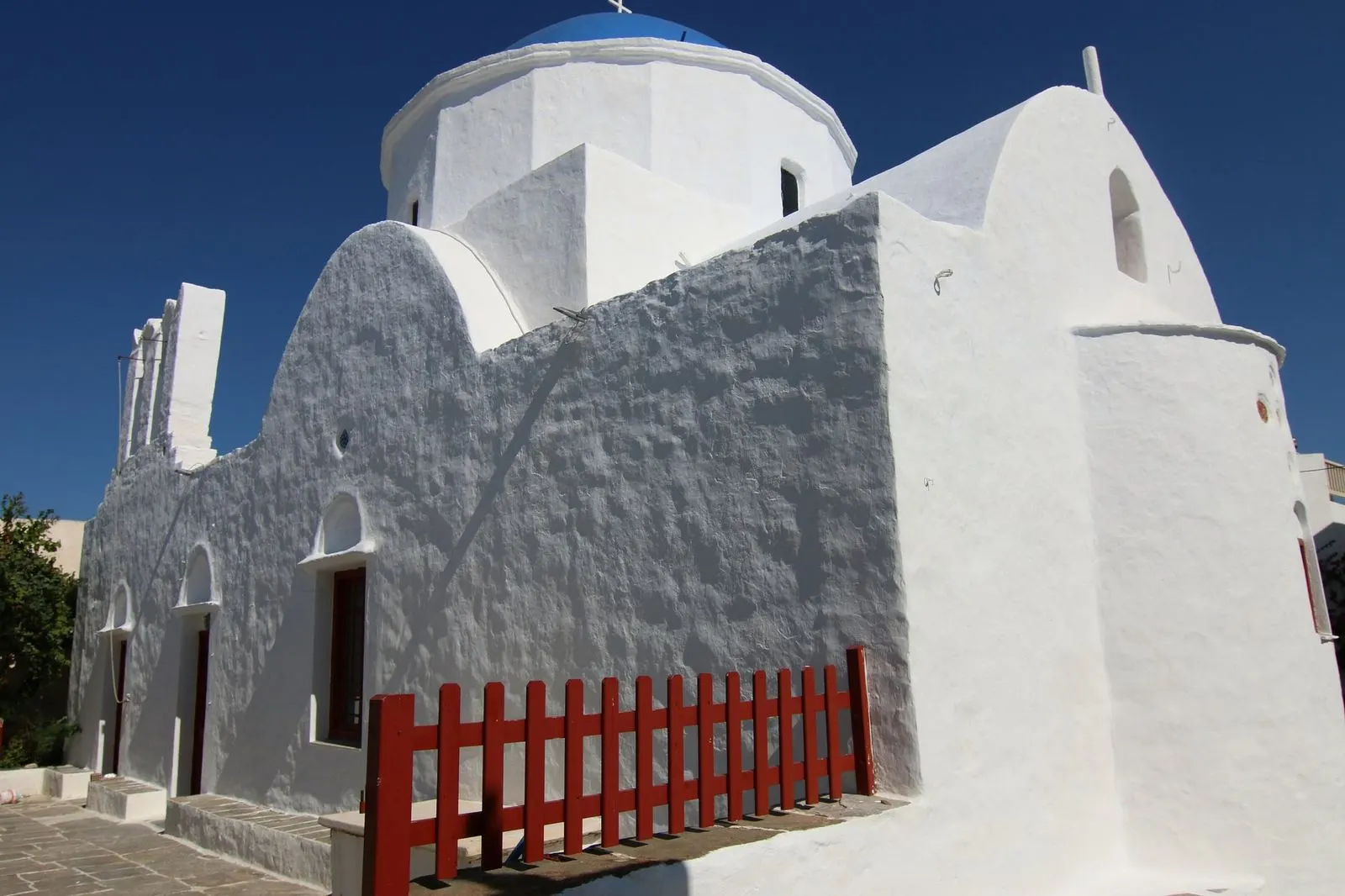
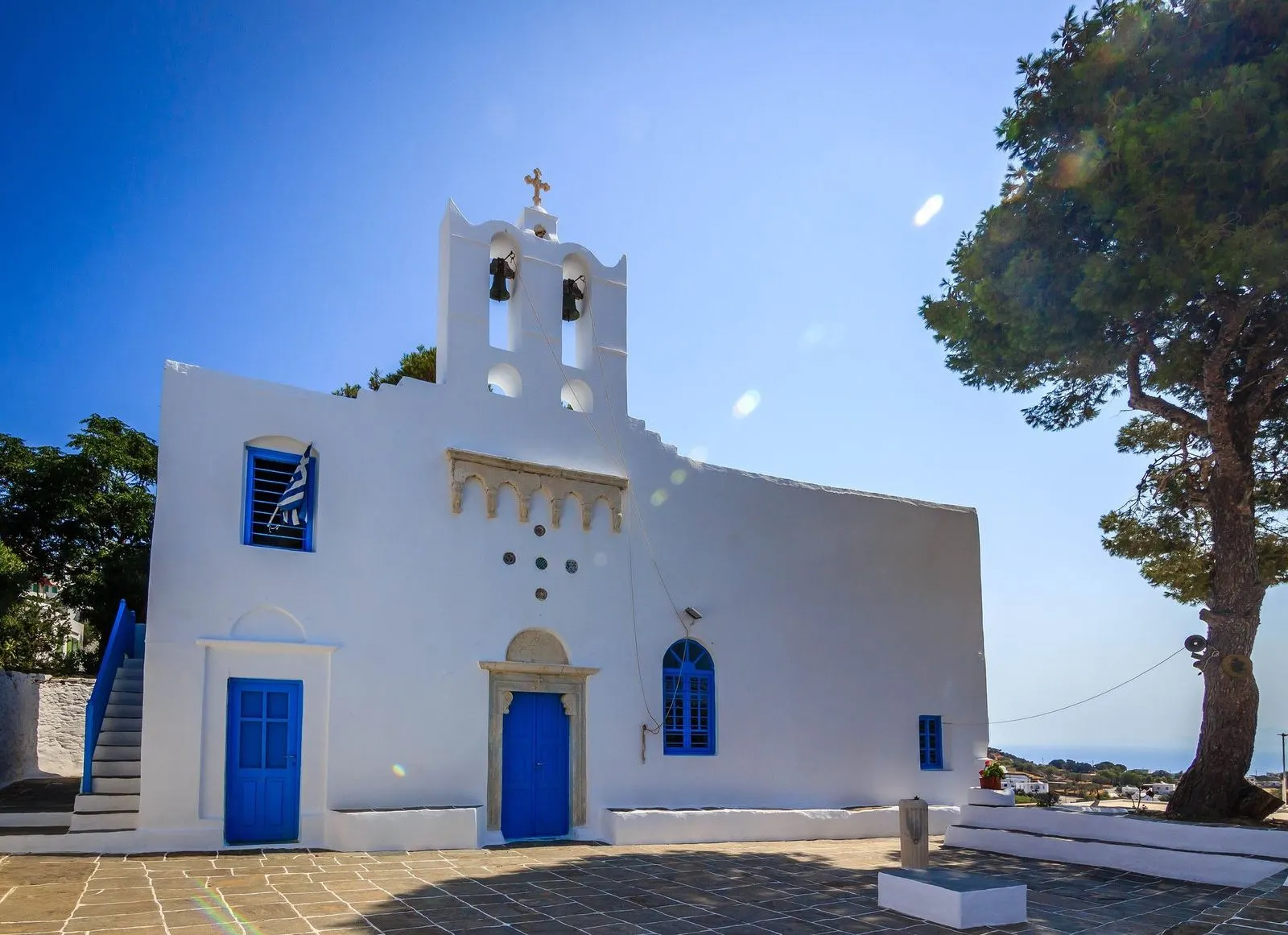
A whitewashed church on Sifnos

A saint in the spare room

Each village feast is paid for by one person or family, the panigyras: the whitewash, the priests, the violinist and lute player, the wine and dinner for everyone. In return the saint's icon lives in their house all year. Some churches have waiting lists years long. After vespers the long tables are laid with revithada and lamb in tomato with macaroni, cooked on raised hearths, and set again and again until everyone has eaten.
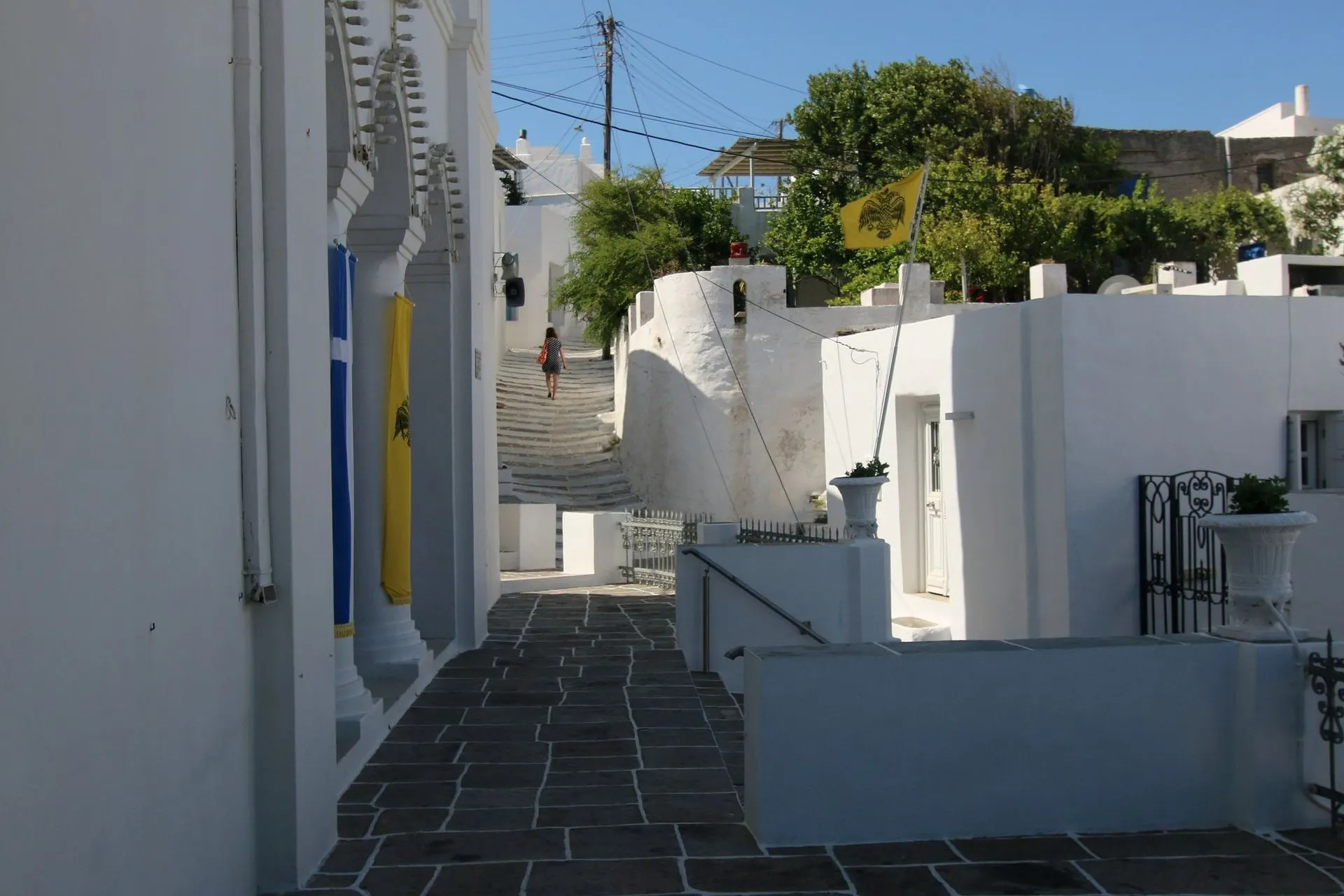
A whitewashed lane in Apollonia

Carols written new each year

Sifnians sing their kalanda, the house-to-house carols, on New Year's Eve and New Year's Day to a Byzantine tune, and every year new verses are written about the year's news, local and world. In February the municipality judges the best of them, and in doing so keeps old words of the island's dialect alive.
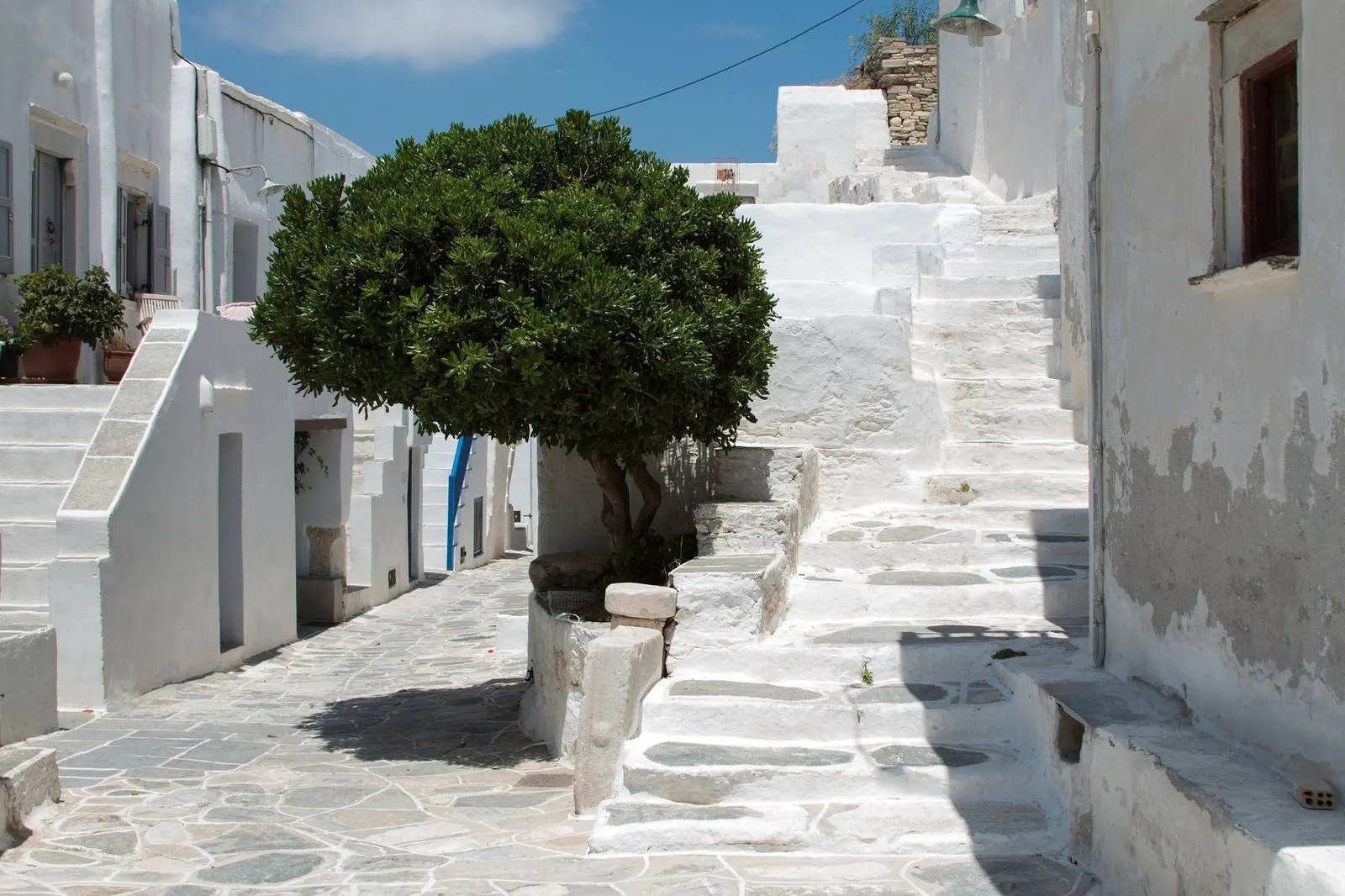
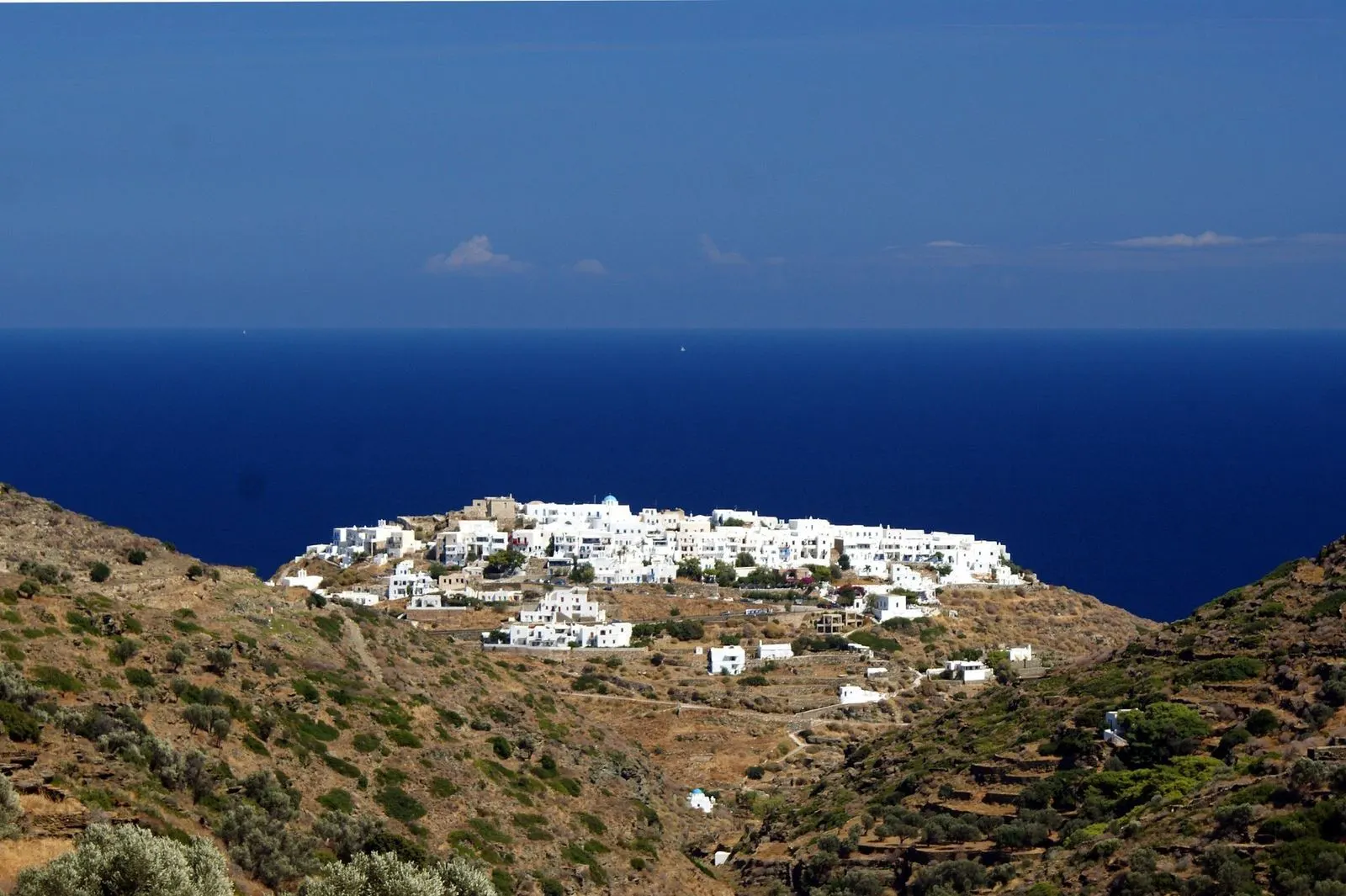
A vaulted lane inside Kastro

A village that is its own wall

Kastro has no separate fortification. Its outer ring of three-storey houses, each only about 30 m², turns blank walls to the sea, and the way in was through six covered gateway passages called lotzies. By the early 17th century some 5,000 people were packed onto the rock, on a hill that also carries the white-marble walls of the ancient acropolis.
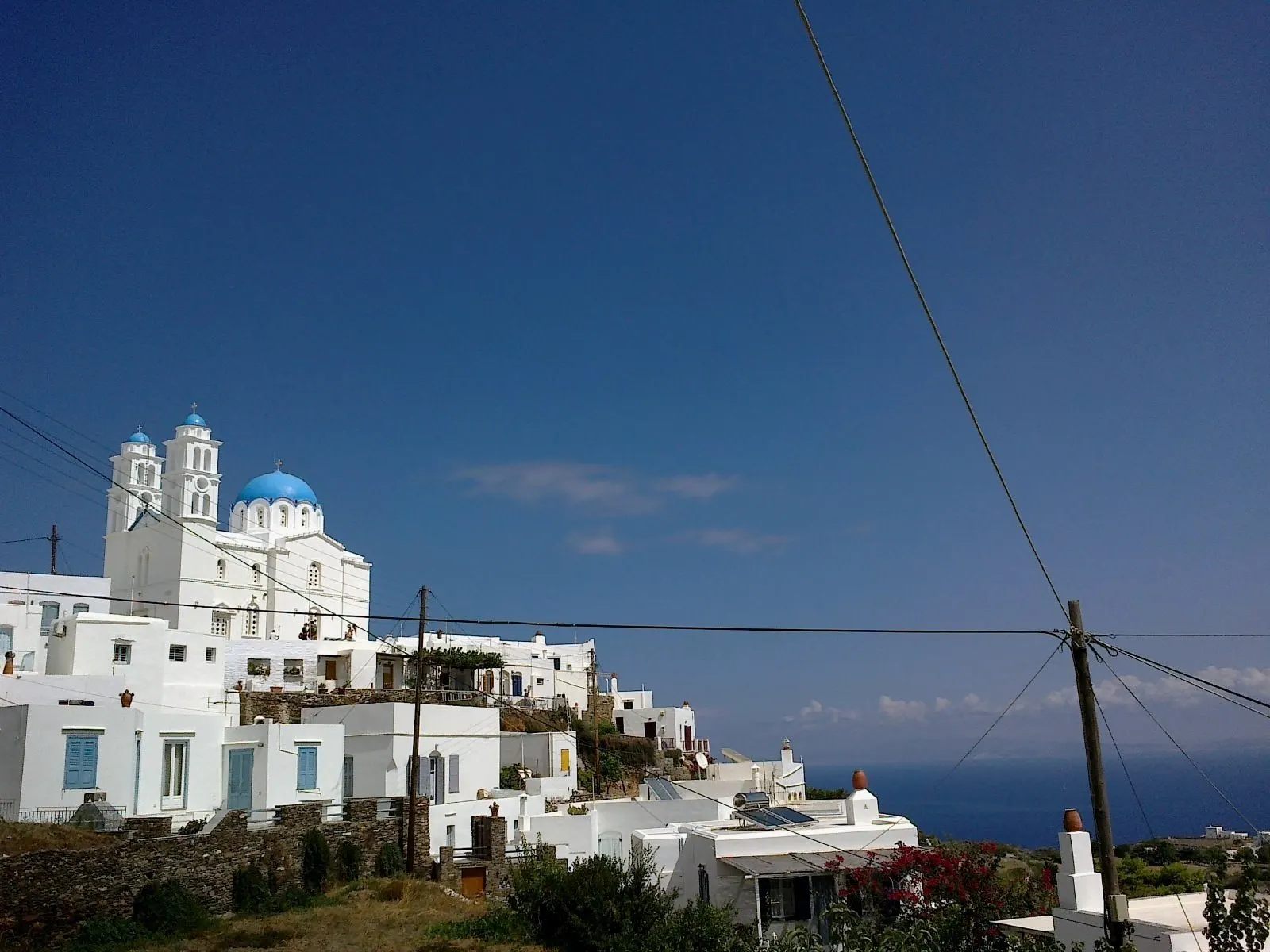
The village of Exambela

An island of poets

Ioannis Gryparis, born here in 1870, wrote the sonnets of Scarabs and Terracottas and translated Aeschylus and Sophocles into modern Greek; an August evening of readings, the Grypareia, is held in his honour. Aristomenis Provelengios of Exambela made the first Greek verse Faust, helped found the Academy of Athens and came home to write a book of poems called Chrysopigi.
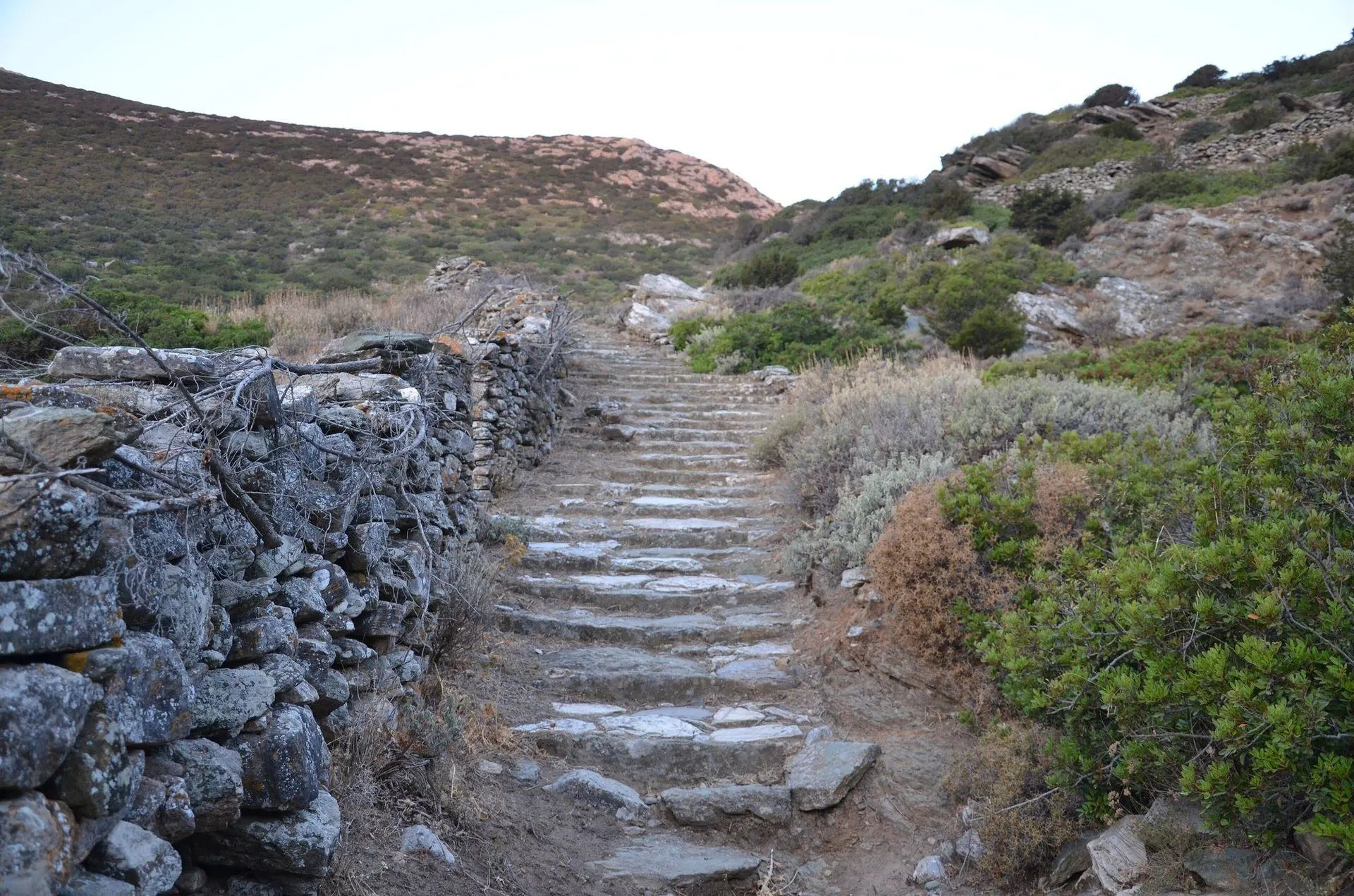
A stone footpath across the hills of Sifnos

Some 200 km of paths through juniper

Stone and marble paths, the oldest going back to the third millennium BC, link every village, chapel and bay; 19 routes are signposted as the Sifnos Trails. They pass wells, threshing floors, lime kilns and dovecotes, and cross the island's Natura 2000 reserve, about 20 km² from Profitis Ilias to the west coast, where the protected juniper is called fida in the local dialect.
A whitewashed lane in Apollonia

“When the prytaneum on Siphnos is white, and white-browed the market, then a wise man is needed: beware a wooden ambush and a red herald.”

The oracle of Delphi to the Siphnians, as told by Herodotus

Towns & villages

Where you'll fall for Sifnos

All towns & villages
View of Apollonia, Apollonia & the hill villages, Sifnos
01
Apollonia & the hill villages

Apollonia

Three white hills that ran together into a capital, with the Steno for a main street

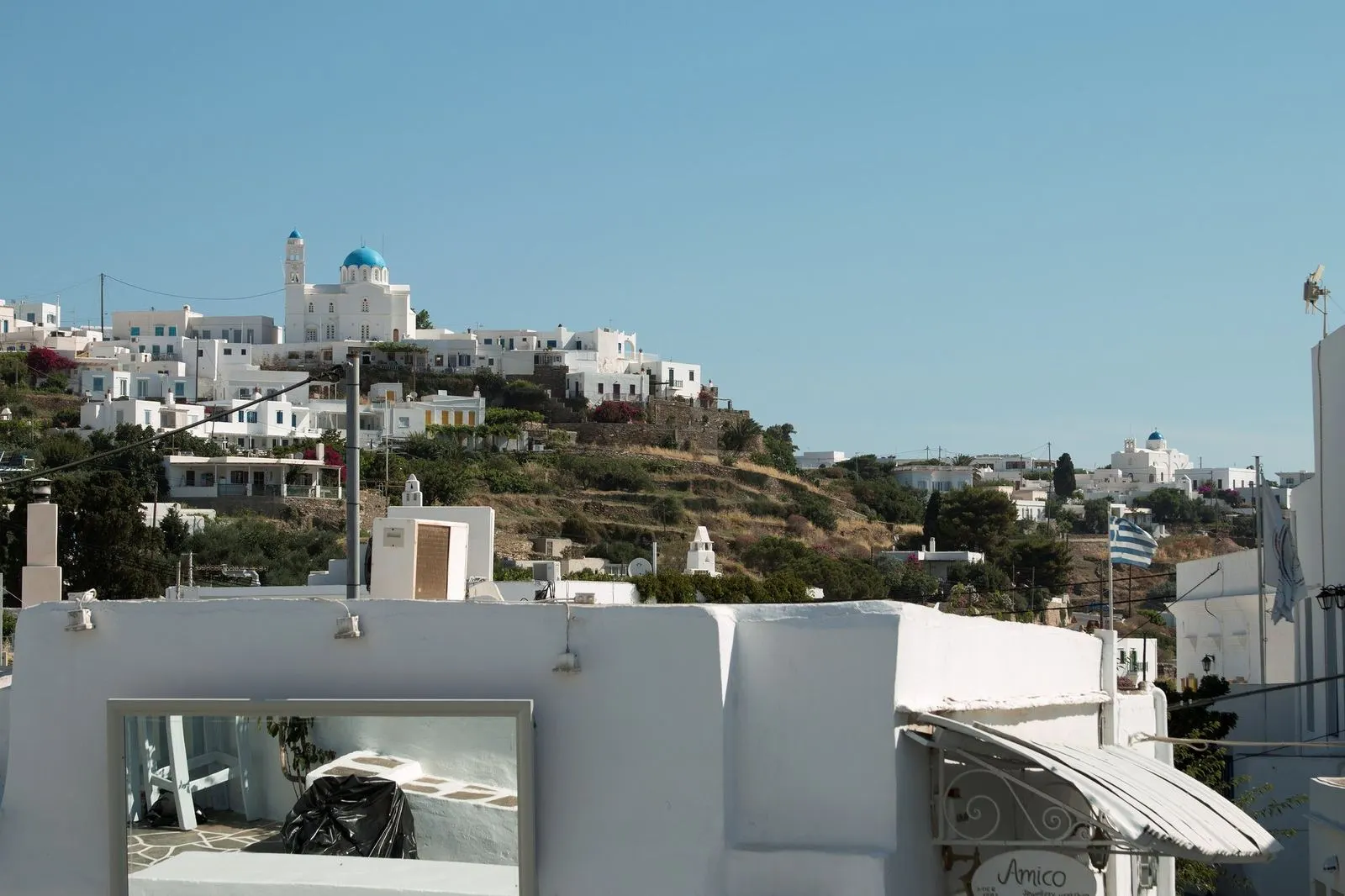
Apollonia is the capital of Sifnos, a white village spread over three low hills in the middle of the island, which older islanders also call Stavri. Its main lane, the Steno, is a narrow marble-paved street of shops, cafes and small bars that fills up after dark. Around it are quiet lanes of whitewashed houses with blue doors, a church at almost every turn, the Folklore Museum on Iroon Square and paths that lead out across the terraces to Artemonas, Kastro and Exambela. It is the best base for a first visit: everything on the island is a short drive or a walk away.

  • An evening walk along the Steno
  • The Folklore Museum on Iroon Square
  • The paths to Artemonas and Kastro
  • Almond sweets and coffee by the bus stop
  • Sunset from the hill of Agios Symeon nearby
Discover Apollonia
View of Artemonas, Apollonia & the hill villages, Sifnos
02
Apollonia & the hill villages

Artemonas

Mansions, windmills and old churches on the hill above the capital

Artemonas sits about 2 km north of Apollonia, a short walk along the lanes. It is the most elegant village on Sifnos: beside the white Cycladic houses stand neoclassical mansions with gardens and painted doorways, built by island families who made their money at sea and abroad, and the whole village has been protected as a traditional settlement since 1978. Above it are the old windmills, and from the top you look down over the white villages, the terraces and dovecotes to Kastro and the sea. It is quieter than Apollonia, with a small square, a much-loved bakery and a few good places to eat.

  • The windmills above the village
  • The mansions and their gardens
  • The churches of Agios Konstantinos and Panagia tis Kochis
  • Almond sweets from the village bakery
  • Small plates on the square in the evening
Discover Artemonas

Things to do

Moments to collect

A table of Sifnian dishes

Food & wine

Revithada from the wood oven

On Sunday, order the chickpeas that spent the night in a clay skepastaria in a brushwood-fired oven, soft and sweet with onion and olive oil. In summer some tavernas make them every day.

Tavernas across the island

Pottery made on Sifnos

Culture

Watch a potter at the wheel

Visit one of the island's 15 or so workshops to watch mastelo and revithada pots being thrown, and the flaroi, the clay chimney pots of the island's roofs, then take a pot home.

Kamares, Vathi, Platis Gialos, Artemonas, Cherronisos

A stone footpath across the hills

Hike

Walk the Sifnos Trails

Pick one of the 19 signposted routes: Apollonia to Kastro in about an hour, Faros to Chrysopigi along the shore, or the long climb to Profitis Ilias through the juniper. Spring and autumn are best, when the hills are full of herbs and wild flowers.

All over the island

Good to know

Before you fall for Sifnos

Sifnos is 74 km² of terraced hills in the western Cyclades, with a chain of white villages along its spine and a handful of sandy bays around the edge. Its gold and silver made it the richest island of the ancient Aegean, rich enough to build an all-marble treasury at Delphi. What it kept is quieter and stranger. Islanders still carry clay pots of chickpeas to the wood oven on Saturday night. The hills hold 77 round stone towers, more than one for every square kilometre, and once a year volunteers walk out to light them again. There are 237 churches, and many of their saints spend the year in the home of whichever family is hosting next year's feast. For islomaniacs who think they have seen the Cyclades, this is the one that still keeps its own calendar. There is no airport, and that is part of the point.

Area
≈ 74 km²
Population
≈ 2,800
Highest point
Profitis Ilias, ≈ 680 m
Ancient towers
77 recorded
Churches
≈ 237
Airport
None, ferries to Kamares
  • Couples
  • Food
  • Walking
  • Villages
  • When to go

    May, June and September are ideal: warm, quiet and good for walking. July and August are busy and the north wind can blow hard. In spring the hills are green and the herbs are in flower.

  • Getting around

    Buses run from Apollonia to Kamares and the main villages and beaches. A small car or scooter is handier for the coves and monasteries. Many places are best reached on foot along the old paths.

  • Feast days

    A panigyri is open to all. Most of the best ones are at remote chapels between autumn and spring; in summer, watch for the eve of Profitis Ilias on 19 July and mid-August at the chapels of the Virgin. Bring cash for a candle, not for dinner.

  • How long

    Four to six days gives you the villages, Kastro, a day on the paths and time on two or three beaches. Add Serifos or Milos for a longer trip.

  • Getting there

    No airport: take the ferry from Piraeus to Kamares, about 2.5–3 hours by fast boat or 5 by the big ferry.

    Flights & ferries

From the first silver mines to the white villages

Some of the oldest silver mines on earth, a Mycenaean citadel, a marble treasury at Delphi, a Venetian lord who made himself prince of a rock, a school that turned out patriarchs, and a capital that moved inland.

Walk through the story

Last updated