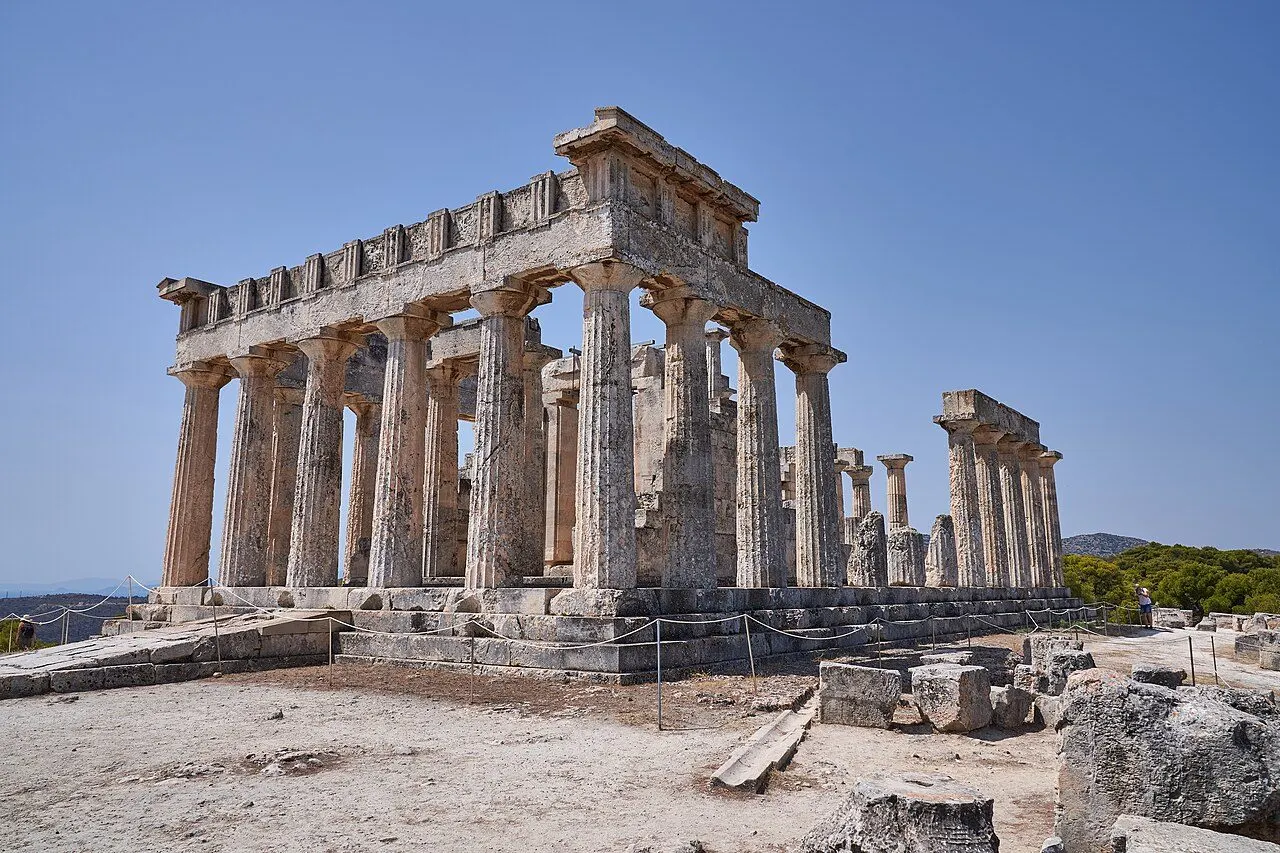
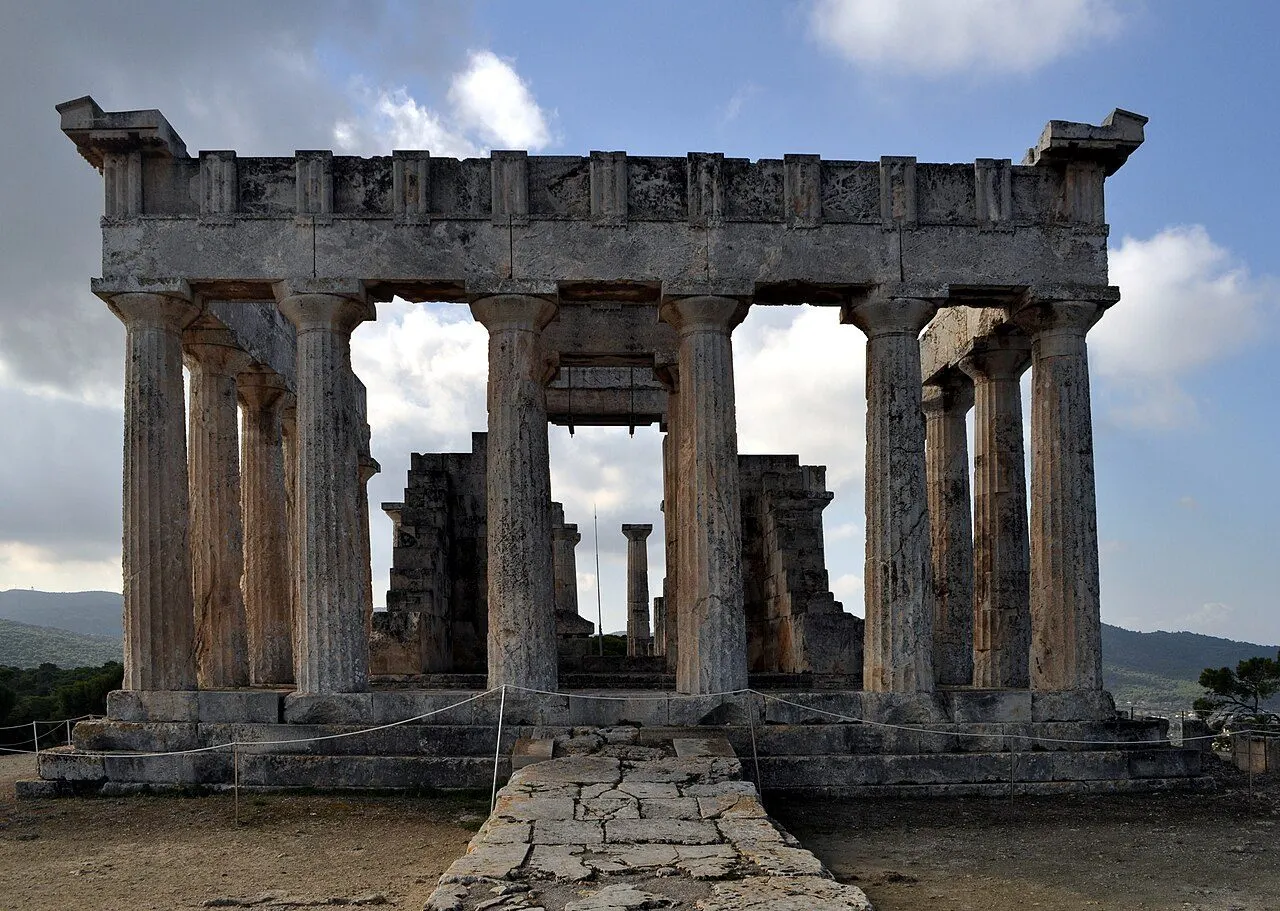
The Temple of Aphaia seen from one corner, its full Doric colonnade standing under a blue sky

Αίγινα · Two Archaic temples, a ghost town of chapels and the first capital of modern Greece, forty minutes from Piraeus

Aegina, the island of temples

Walk among the columns of the Temple of Aphaia on its pine-covered summit, swim below Apollo's last standing column at Kolona, wander the deserted churches of Paleochora and eat fish by the harbour of Perdika, all on an island you can reach from Athens before lunch.

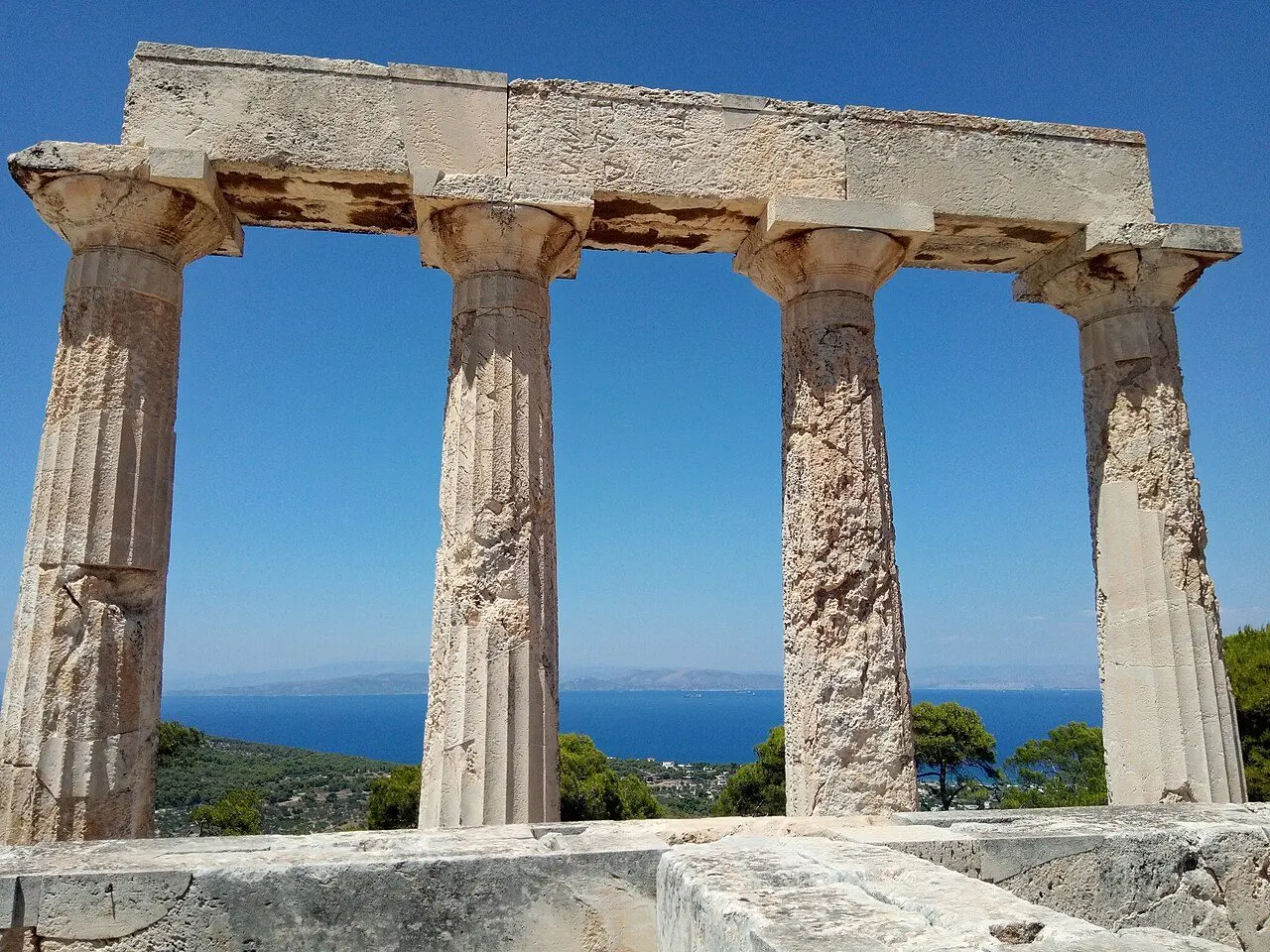
The sea and the coast seen between the columns of the Temple of Aphaia

Greetings from Aegina

Aegina

Nine in the morning among the columns of Aphaia, with only the cicadas for company, and far across the blue water, just visible, the hill of the Acropolis you left the day before. By lunch you are in Perdika, eating grilled fish on a terrace above the caiques, and in the afternoon a little boat takes you over to Moni, where a peacock walks past your towel. Back in town tonight, someone sells you a paper cone of pistachios on the quay, still warm from roasting, and the lone column of Apollo turns pink at the end of the harbour.

Wish you were here. x

Hour by hour

A perfect day on Aegina

One temple at dawn, another at dusk, and a ghost town, a saint and a fish lunch in between.

  1. 08:30

    Aphaia before the crowds

    Drive up through the pines to the Temple of Aphaia for opening time, when the low sun warms the limestone and the gulf is still and silver below.

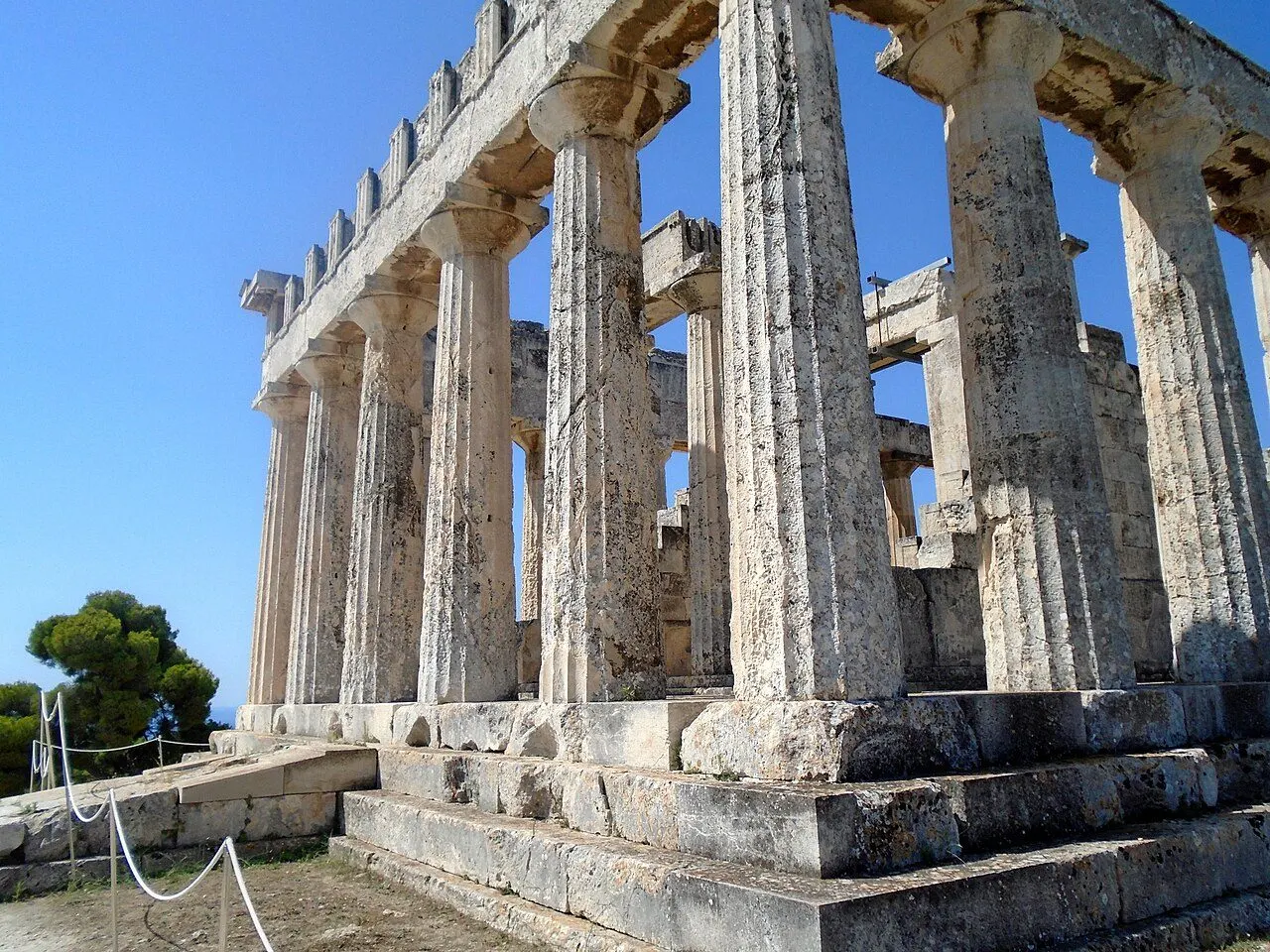
    Looking up along the weathered limestone columns of the Temple of Aphaia, with pines below
  2. 10:30

    A swim at Agia Marina

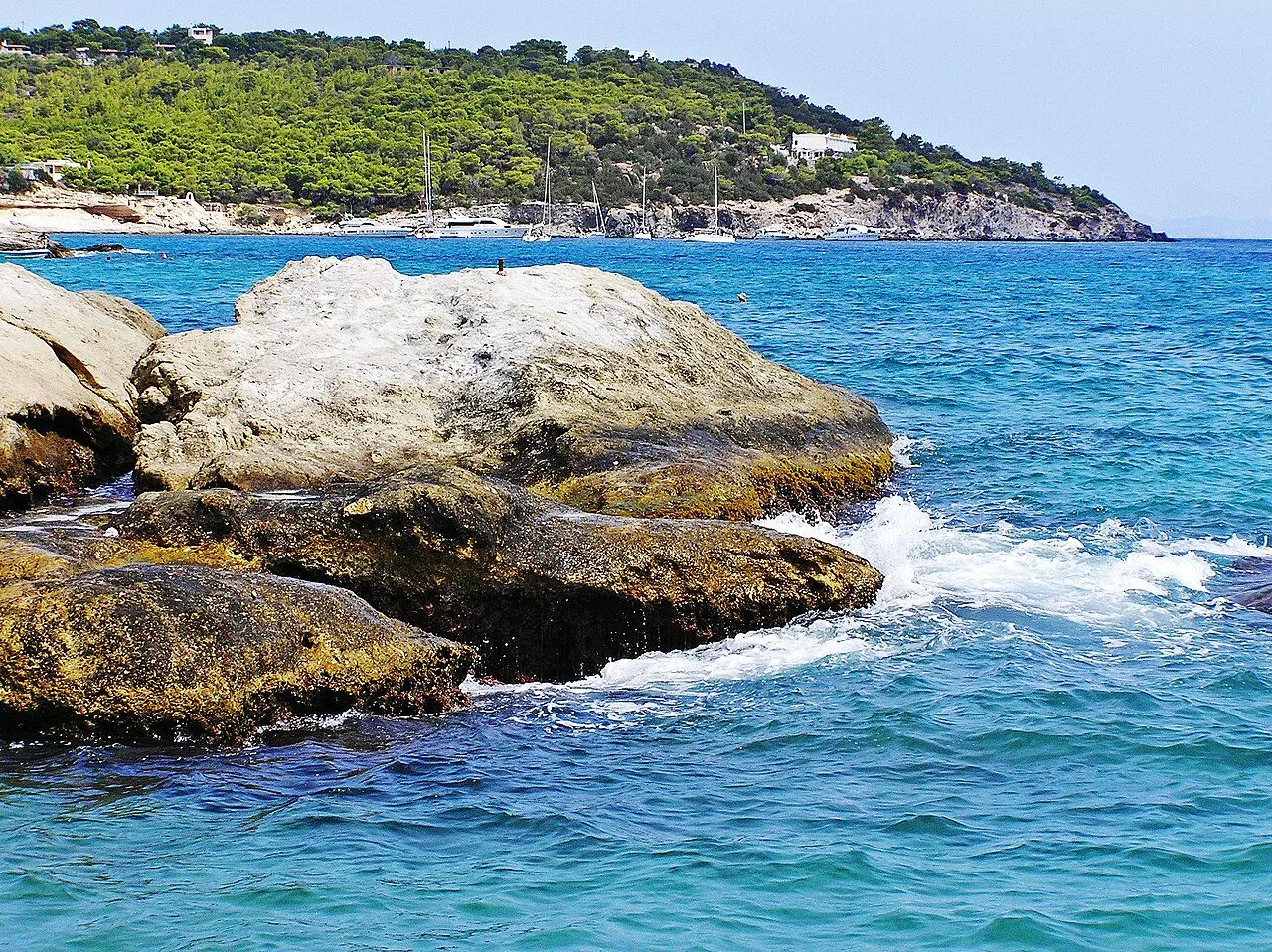
    Wind down the hill to the sandy bay of Agia Marina, or follow the footpath through the forest, and swim off the rocks at the north end of the beach.

    Turquoise water and a wooded headland at Agia Marina
  3. 12:30

    The hill of churches

    On the way back, stop at Paleochora and climb among the chapels of the abandoned capital, then pay your respects at the convent of Agios Nektarios just below.

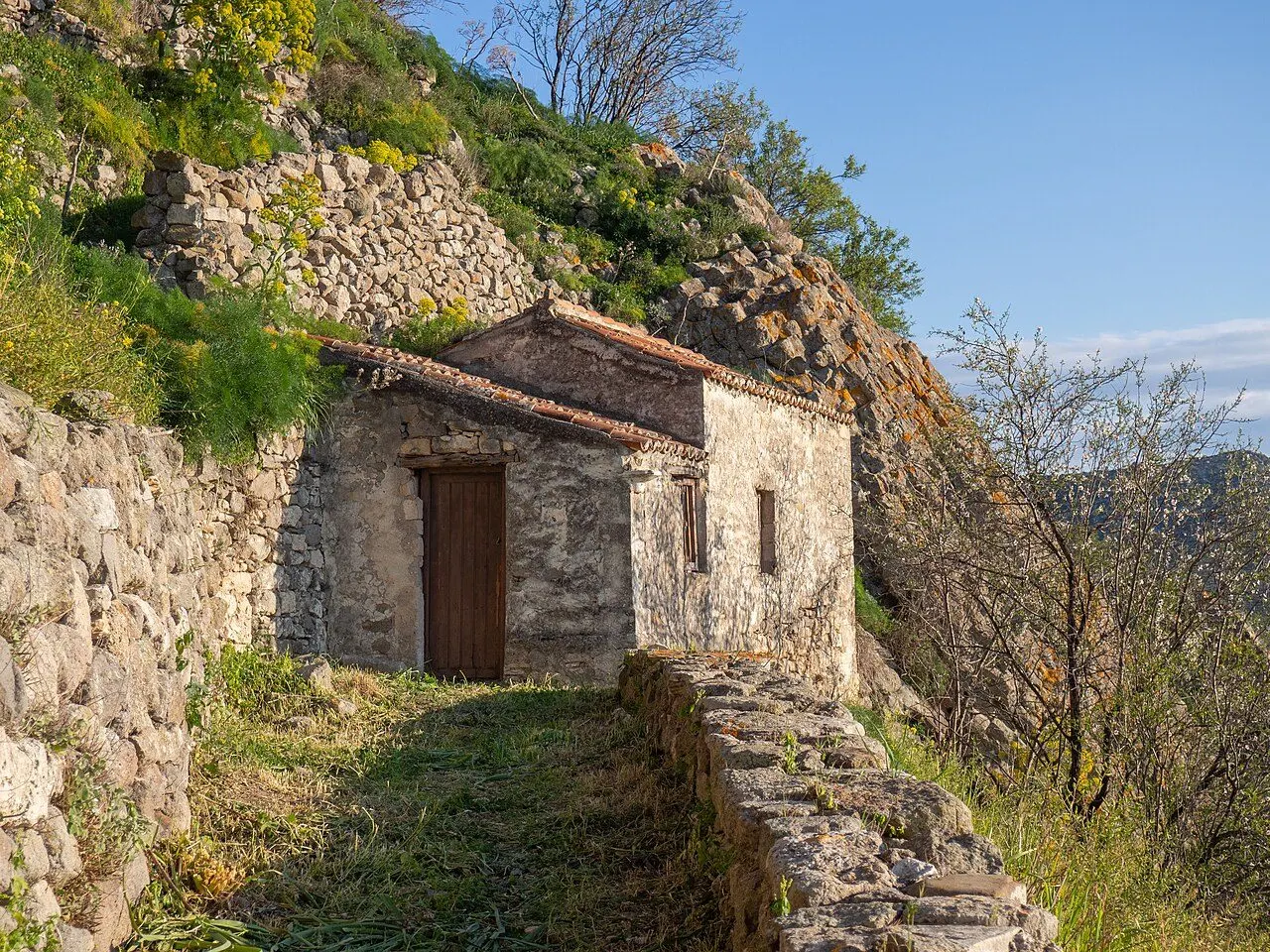
    The small whitewashed stone chapel of Agia Anna at Paleochora, built against the rock
  4. 14:30

    Fish lunch at Perdika

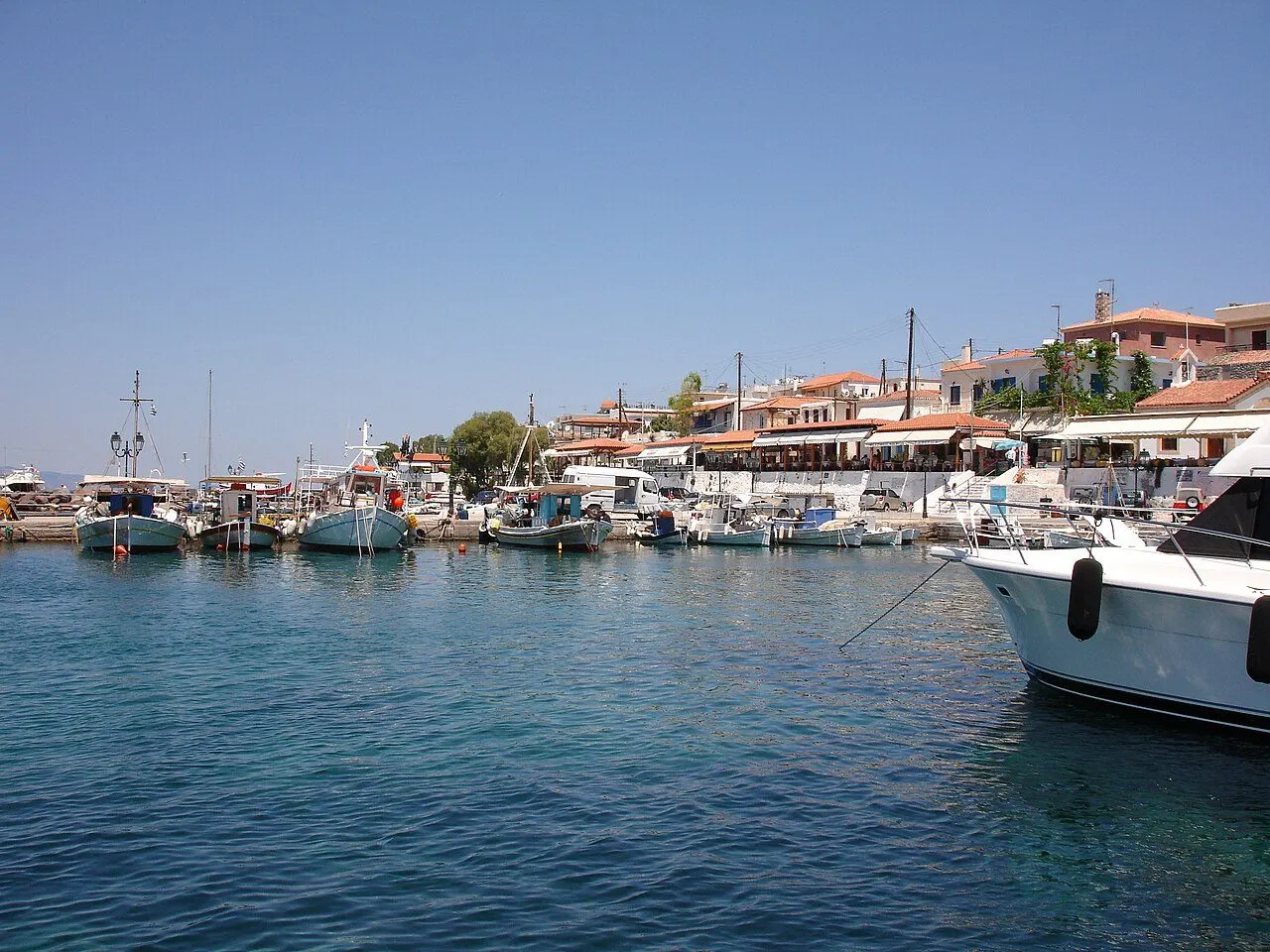
    Cross the island to Perdika for a long, late lunch on the terrace above the fishing harbour, looking over to Moni.

    Fishing boats in the small harbour of Perdika
  5. 18:30

    Apollo's column

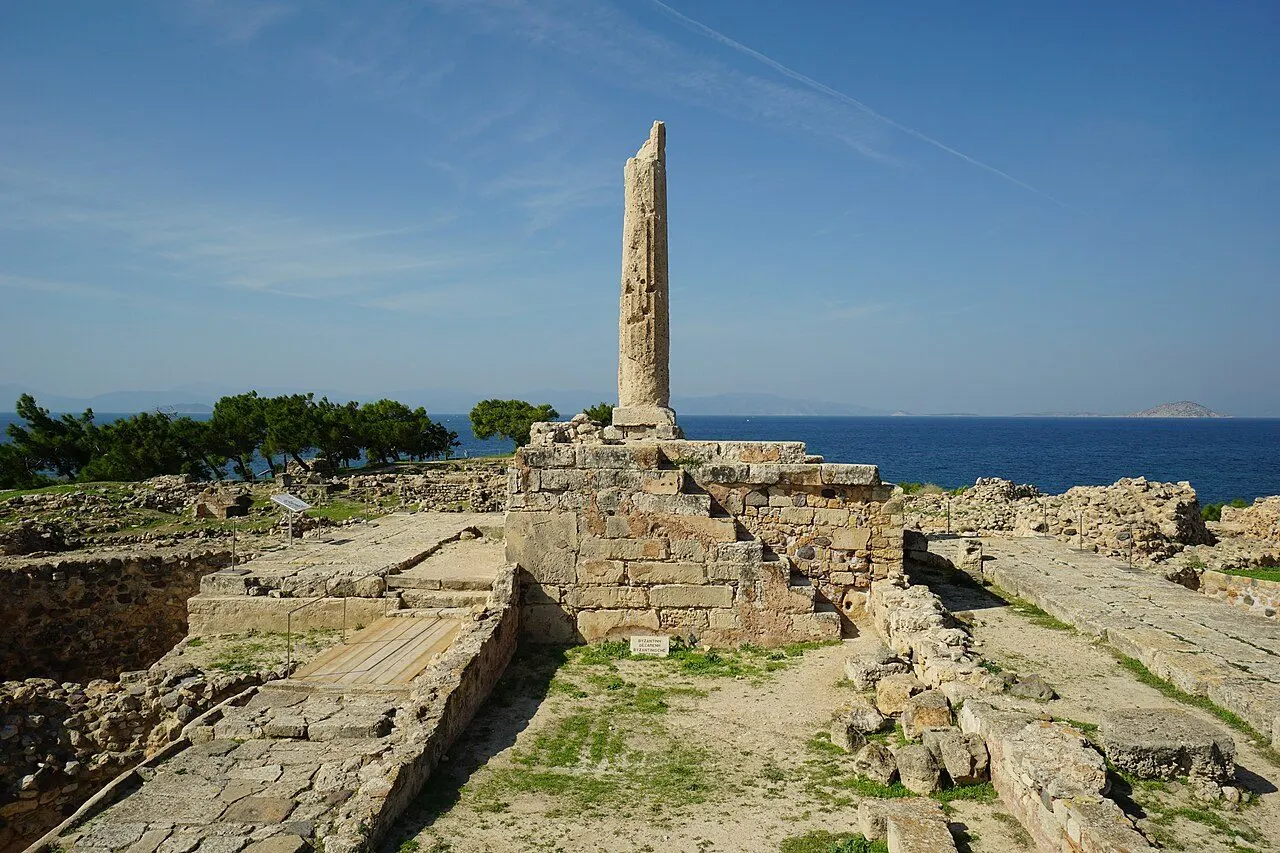
    Back in Aegina Town, walk out to Kolona as the heat goes and watch the single column of the Temple of Apollo glow against the evening sea.

    The single standing column of the Temple of Apollo at Kolona, with the sea behind
  6. 21:00

    Ouzo in the market lanes

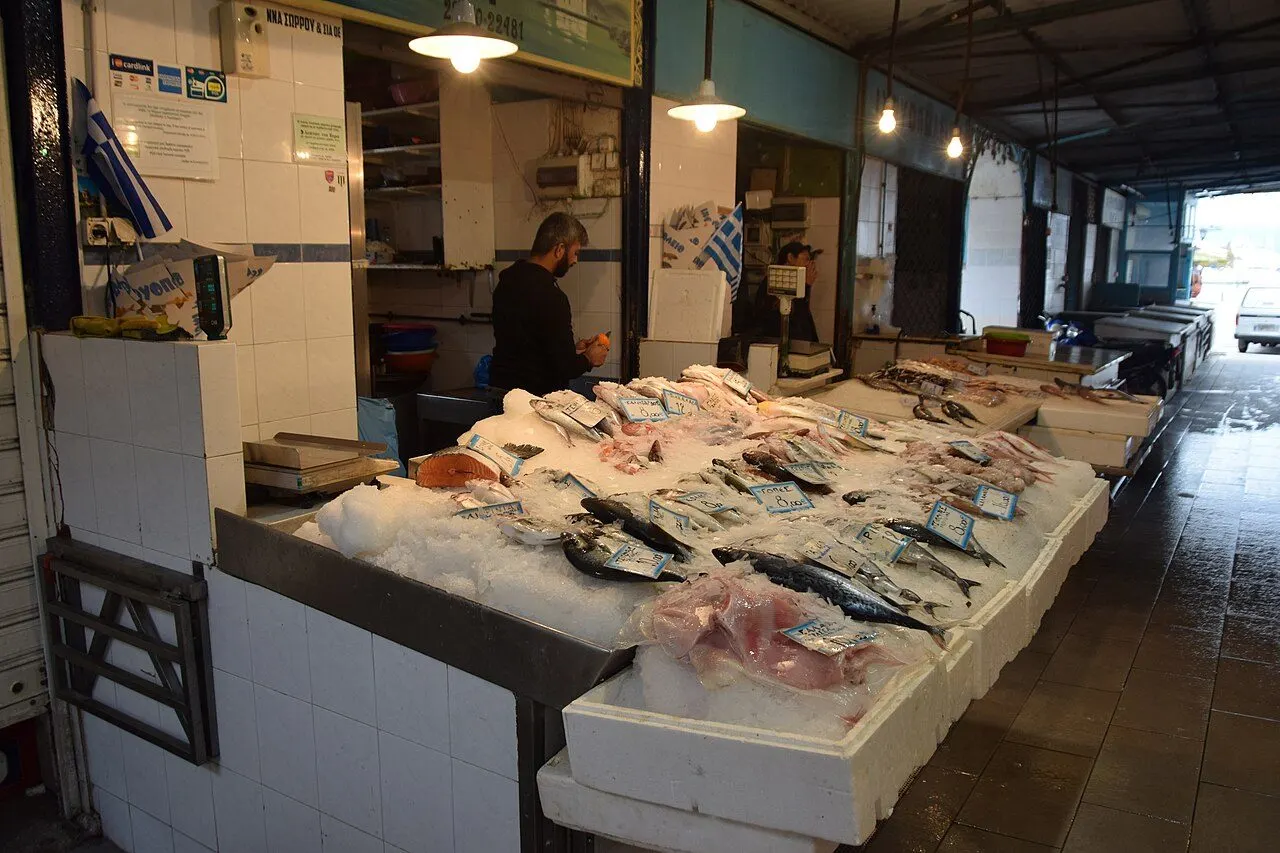
    Finish in the lanes behind the fish market, where the ouzeris grill octopus and sardines at pavement tables until late.

    Fresh fish laid out on a stall at the fish market of Aegina Town

Where to stay

Where you'll wake up on Aegina

All stays

Only on Aegina

The things you'll tell everyone about

What Aegina has that no other Greek island does.

The east front of the Temple of Aphaia seen straight on

A temple with a view of the Parthenon

From the terrace of Aphaia the Acropolis of Athens, about 30 km away, appears across the water on a clear day. Locals will tell you that Aphaia, the Parthenon and the Temple of Poseidon at Sounion form a perfect 'sacred triangle'. Treat it as a legend: the temples were built decades apart for different gods. The view, though, is real.
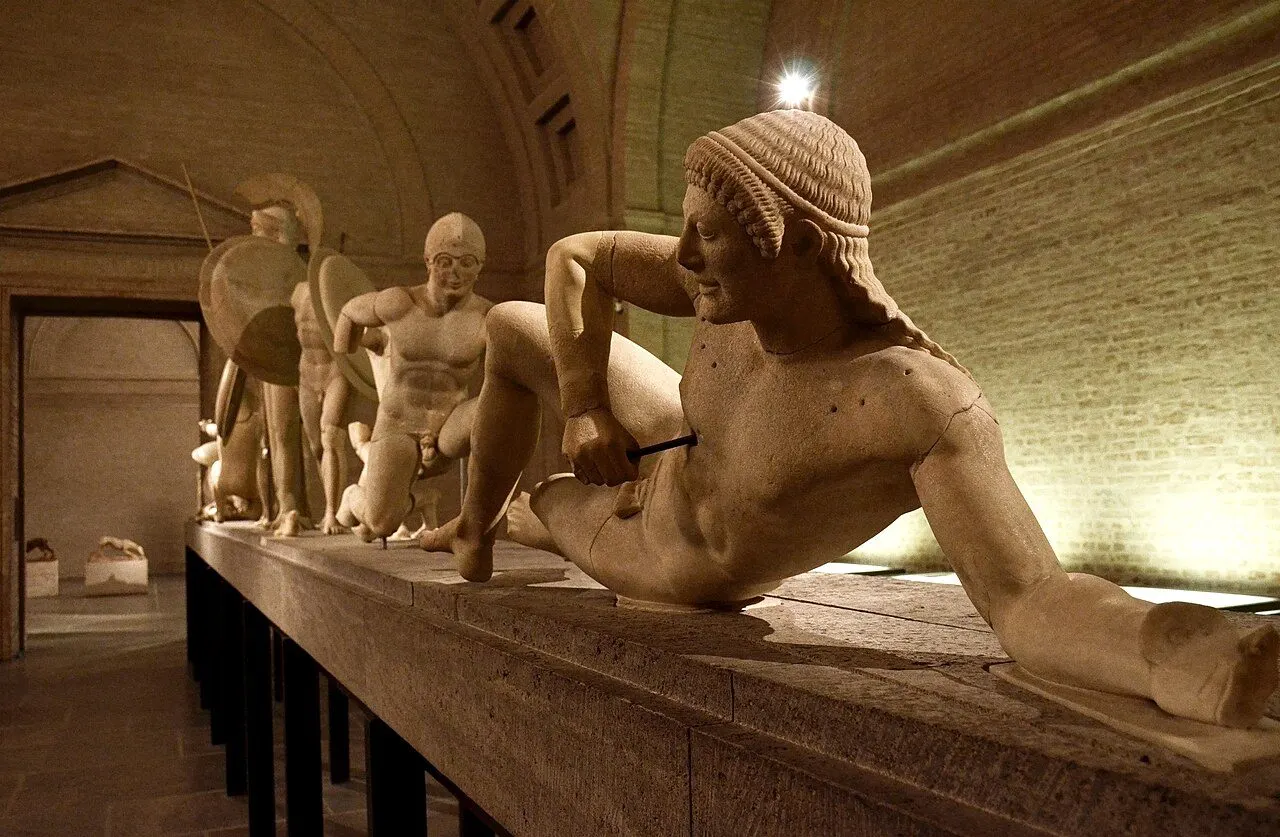
The Aeginetan pediment warriors on display in the Glyptothek in Munich

Its warriors live in Munich

The marble figures from Aphaia's two pediments, Greek and Trojan warriors with traces of their original paint, were dug up by European travellers in 1811 and sold to the future King Ludwig I of Bavaria. They have been the pride of the Glyptothek in Munich for two centuries; the island keeps copies and fragments.

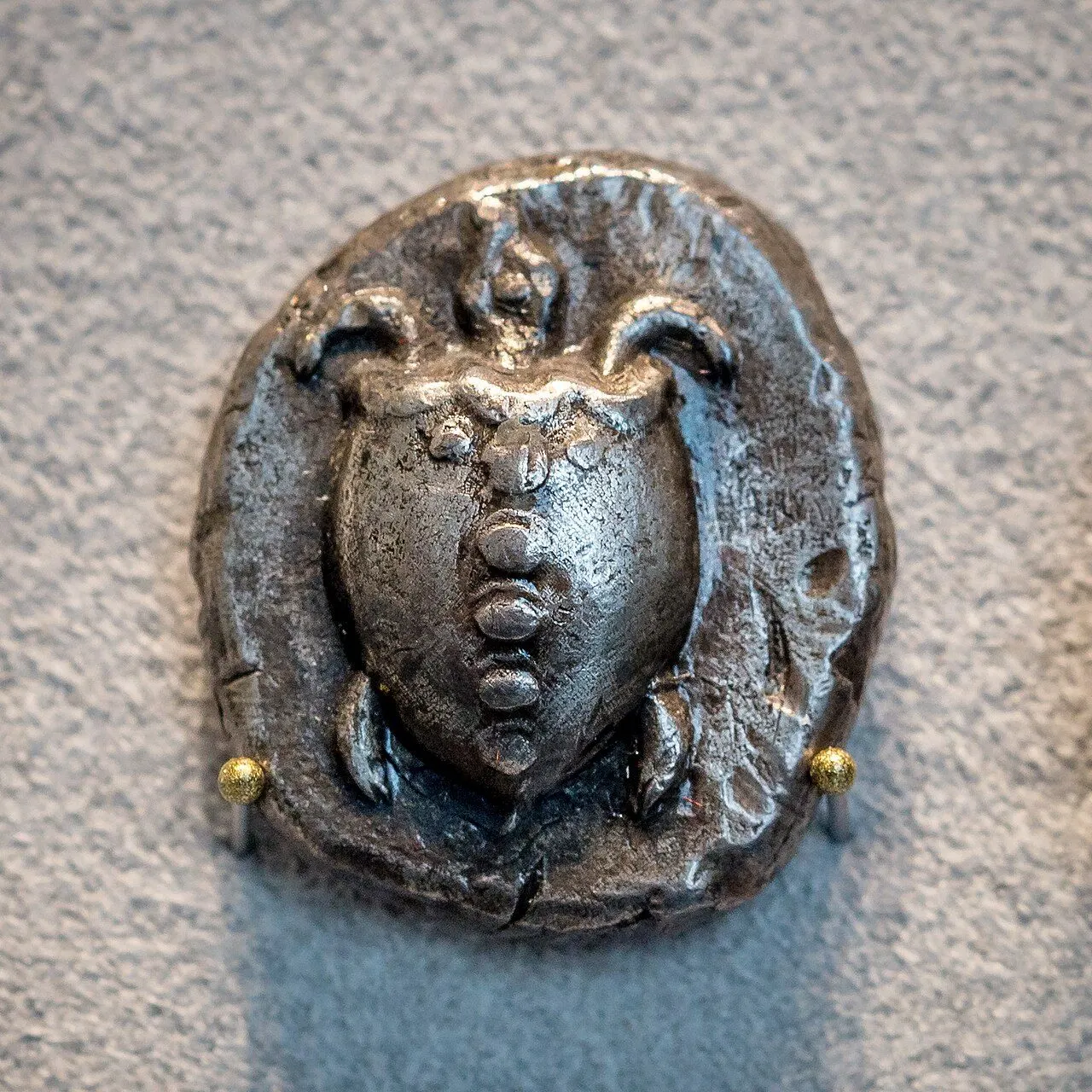
An ancient silver turtle stater of Aegina from 480–457 BC

The first coins in Europe, and in modern Greece

Ancient Aegina is thought to have been the first state in Europe to strike its own coins, silver pieces stamped with a sea turtle, in the sixth century BC. More than two thousand years later, in 1829, the first coins of independent Greece, the phoenix, were minted here too.

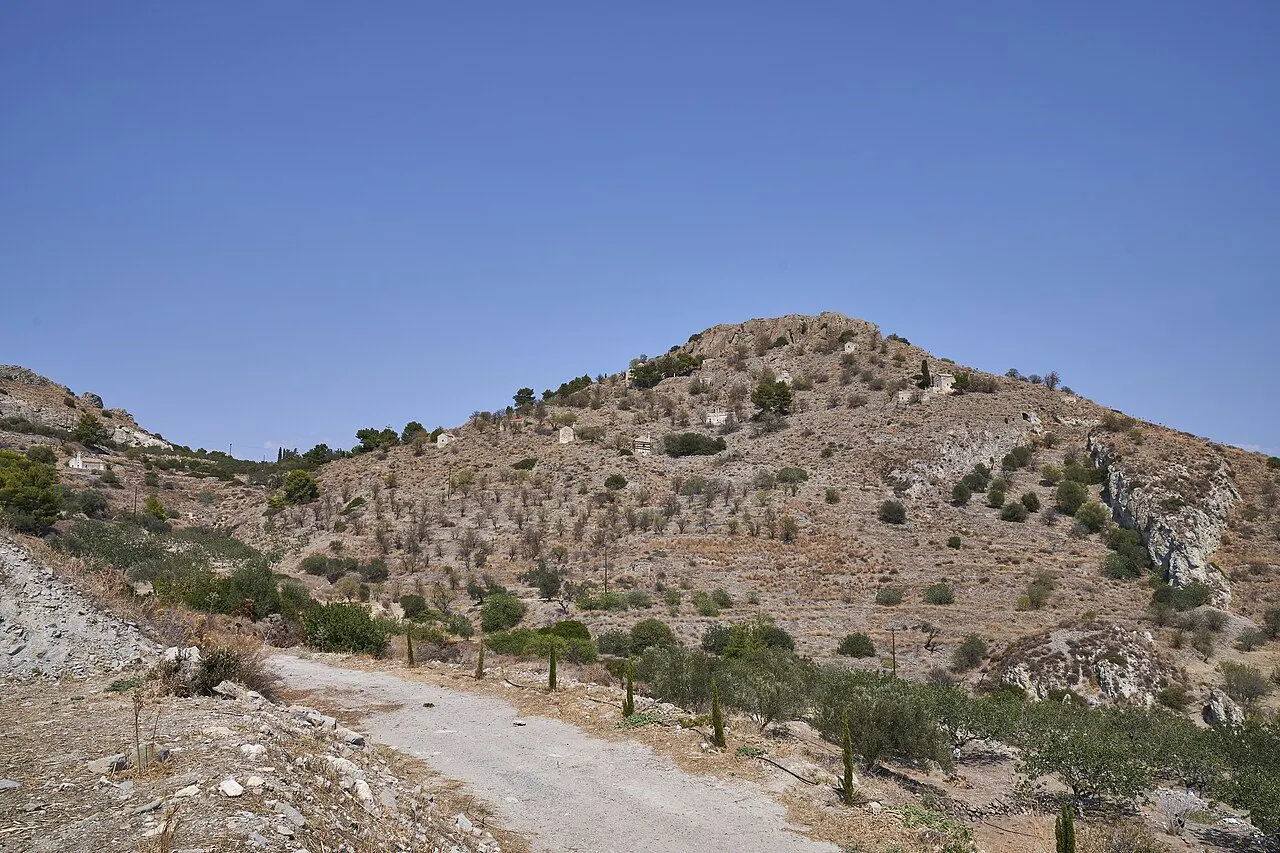
The rocky hill of Paleochora with small chapels scattered across it

A town of churches and no houses

On the hill of Paleochora, the islanders' hiding place from pirates for a thousand years, the homes have crumbled away but more than thirty chapels still stand, many with frescoes, scattered over the rocks like dice.

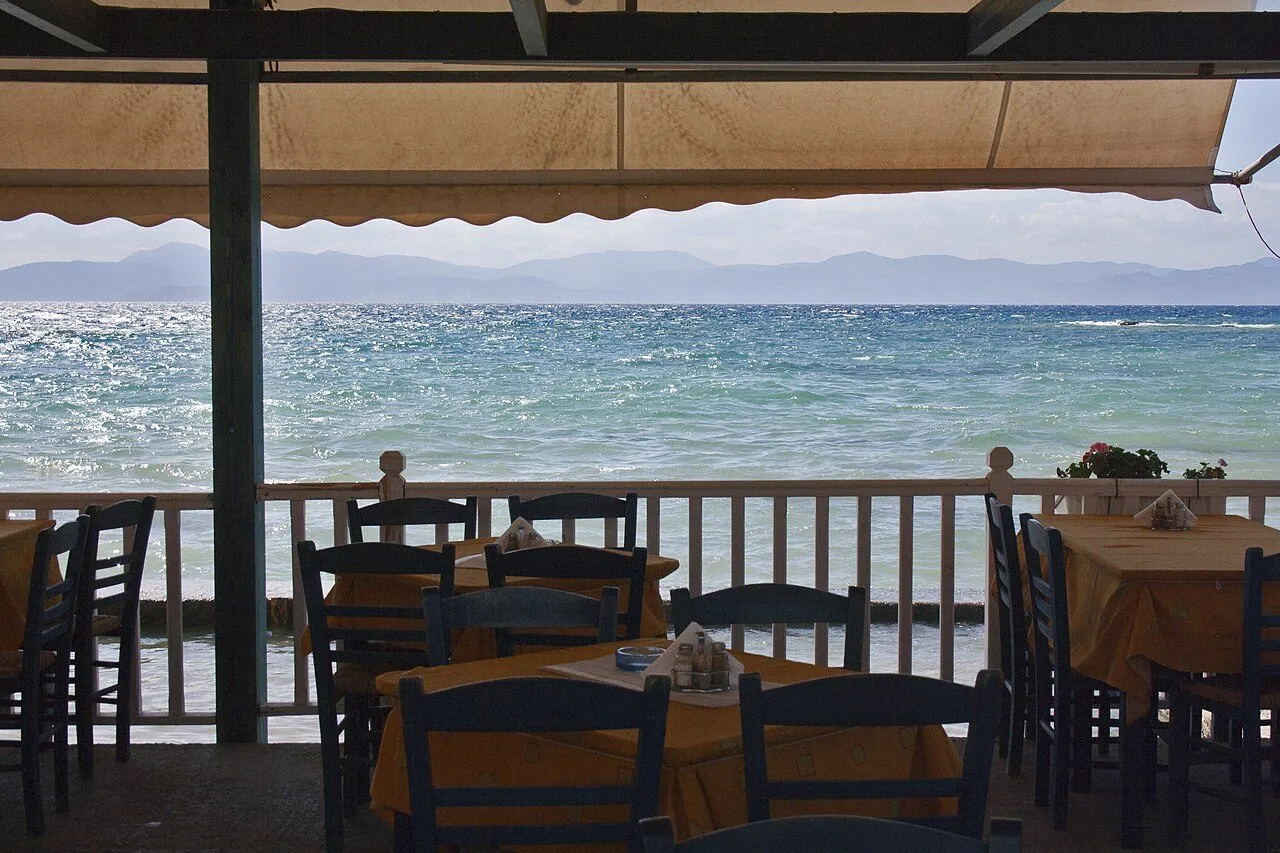
Taverna tables under an awning on a terrace looking out to the sea on Aegina

The pistachio island

A doctor named Nikolaos Peroglou is credited with starting the first proper pistachio orchards in 1896. Today the nuts of Aegina, fistiki Aeginis, carry a protected designation of origin, and you see the low, grey-green trees in fields all over the island.

Towns & villages

Where you'll fall for Aegina

All towns & villages
View of Aegina Town, Aegina Town & Kolona, Aegina
01
Aegina Town & Kolona

Aegina Town

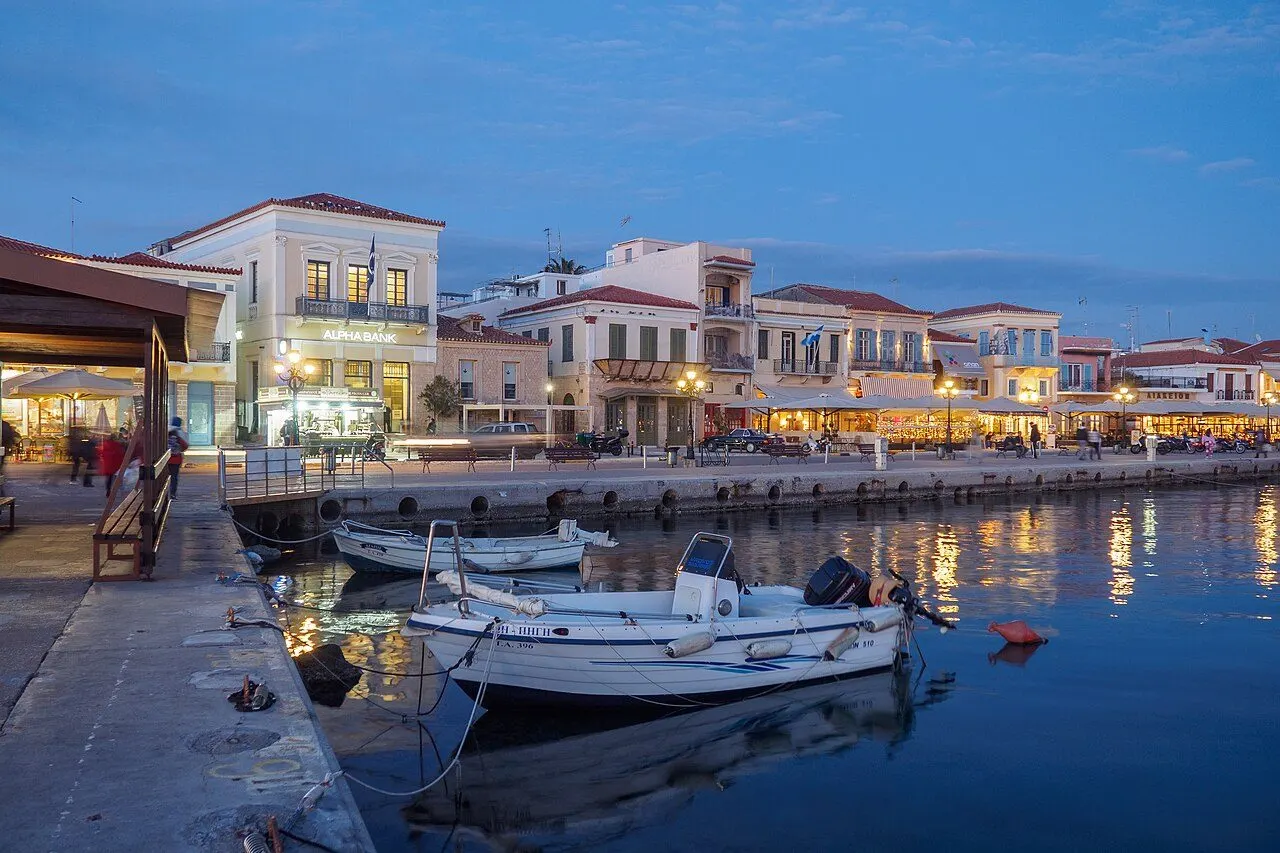
A harbour of neoclassical houses that was briefly the capital of Greece, with a lone Archaic column at the end of the quay

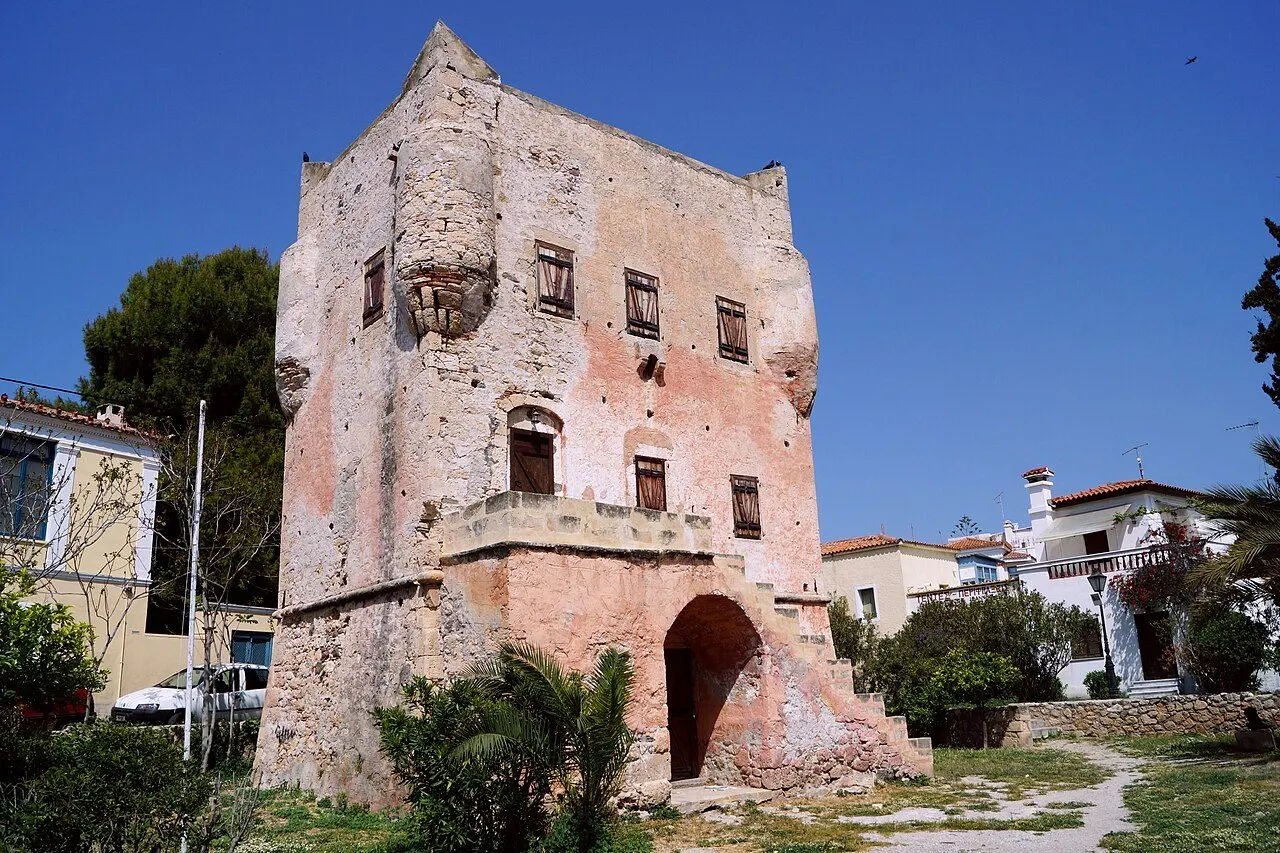
Aegina Town spreads along the west coast of the island, facing the Peloponnese. Its waterfront is a long curve of pastel neoclassical houses, cafés and moored caiques, with the tiny white chapel of Agios Nikolaos standing on the harbour mole. Behind the front, a grid of quiet lanes hides the buildings of 1828–1829, when the town was the first seat of government of the new Greek state. At its northern end, on a low headland by the sea, a single column marks the Temple of Apollo at Kolona, the oldest inhabited spot on the island.

  • The lone column of the Temple of Apollo at Kolona
  • The fish market and its ouzeri lanes
  • The Governor's House of Kapodistrias
  • The Markellos Tower
  • Sunset over the Peloponnese from the quay
Discover Aegina Town
View of Temple of Aphaia, Agia Marina & Aphaia, Aegina
02
Agia Marina & Aphaia

Temple of Aphaia

A limestone temple of about 500 BC on a pine-clad summit, with Athens on the far side of the water

The Temple of Aphaia crowns a hilltop of roughly 160 metres in the north-east of the island, surrounded by Aleppo pines and looking out in almost every direction over the Saronic Gulf. Built around 500 BC in the Doric order, with six columns across its fronts and twelve down each side, it is one of the most complete temples of the late Archaic period anywhere in Greece: most of its outer colonnade still stands, and on the inner row a second storey of slender columns survives. On a clear day the Acropolis of Athens, about 30 km away, is visible from the terrace.

  • The double-storey columns inside the cella
  • Athens and the Acropolis on a clear day
  • The painted older temple in the site museum
  • The footpath down through the pines to Agia Marina
Discover Temple of Aphaia

Things to do

Moments to collect

The sea and coast seen between the columns of the Temple of Aphaia

Culture

Watch the sun rise at Aphaia

Be at the gate for opening time and walk round the temple in the first light, then look for the Acropolis on the horizon from the eastern edge of the terrace.

Temple of Aphaia, the north-east

Turquoise water and a wooded headland at Agia Marina

Hike

Walk from the temple to the sea

Follow the footpath down through the pine forest from the temple to Agia Marina, around half an hour, and finish with a swim in the bay.

Aphaia to Agia Marina

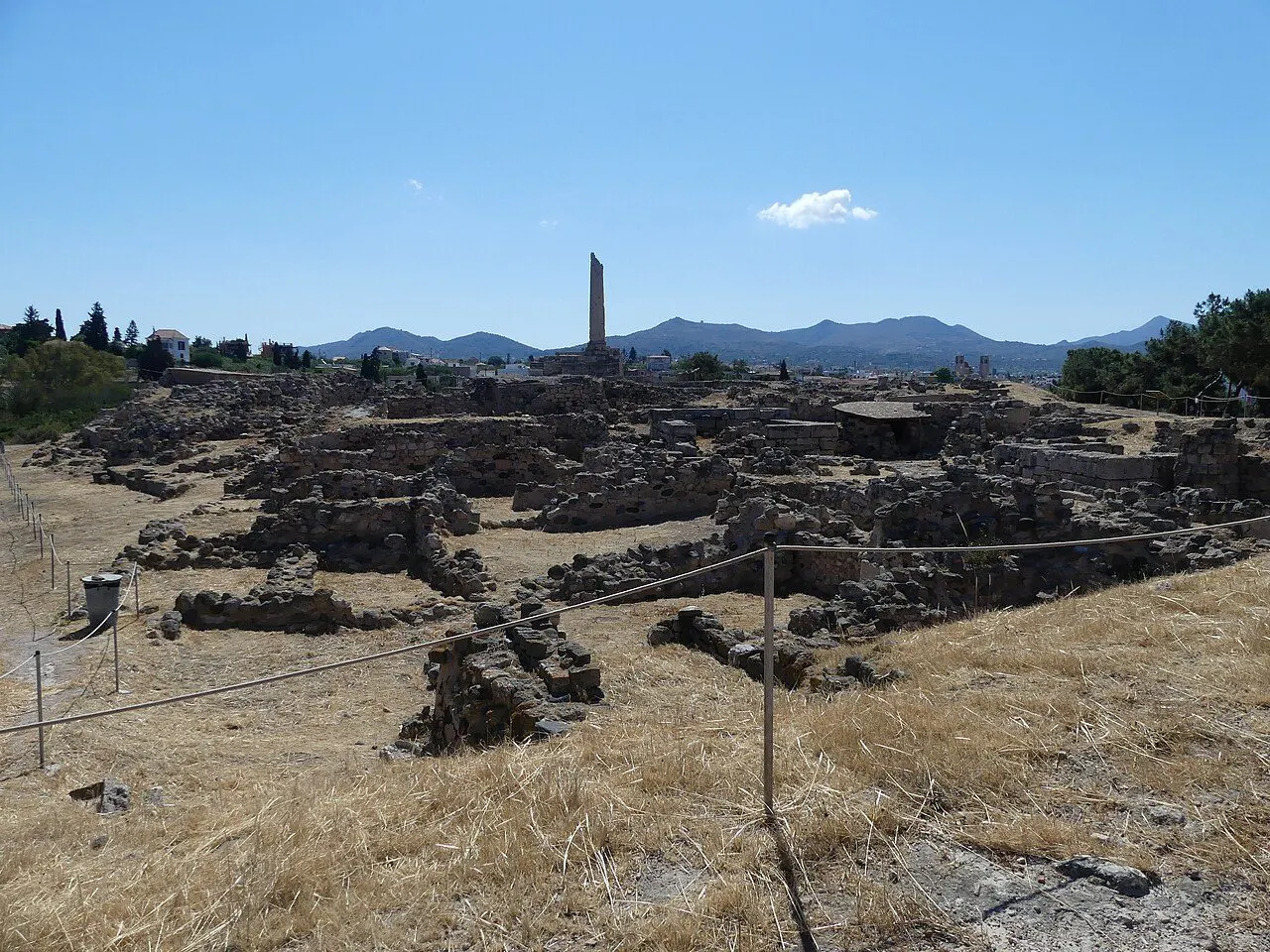
The foundations of the Kolona site with the lone column in the distance

Culture

Morning at Kolona

Walk to the north end of the waterfront, climb the hill of Apollo's column, explore the Bronze Age walls and spend an hour in the museum, then swim on the little beach below.

Aegina Town

Good to know

Before you fall for Aegina

Aegina is the nearest real island to Athens, a triangle of pine woods, pistachio orchards and volcanic hills in the middle of the Saronic Gulf. In the sixth and fifth centuries BC it was a sea power proud enough to challenge Athens, and it left behind two temples: Aphaia, high on a wooded hill in the north-east and one of the most complete Archaic temples in Greece, and the Temple of Apollo at Kolona, of which a single column still stands by the harbour. Between them lie Paleochora, the deserted medieval capital where dozens of tiny churches survive among the rocks, and the convent of Agios Nektarios, one of the most visited places of pilgrimage in Orthodox Greece. In 1828 Aegina Town became the first seat of government of the new Greek state, and its neoclassical waterfront still carries that history lightly, between fish market, ouzeris and pistachio stalls.

Area
≈ 87 km²
Population
≈ 13,000
Highest point
Mount Oros, 531 m
Airport
None, boats from Piraeus
  • History
  • Temples
  • Short trips from Athens
  • Food lovers
  • When to go

    April to June and September to October are the best months: warm, green or golden, and good for walking among the ruins. July and August are hot and busy, and every weekend of the year brings crowds from Athens, so come midweek if you can.

  • Temple hours

    Aphaia and Kolona open in the morning and close earlier in winter than in summer. Check the current hours before you go, and aim for the first or last hour of the day for the light and the quiet.

  • Getting around

    Buses from the harbour reach Agia Marina, Aphaia, Agios Nektarios, Marathonas and Perdika. A scooter or small car is the easiest way to add Paleochora, Mount Oros and Souvala.

  • How long

    A day trip from Athens covers the town and one temple. Stay two or three nights to see both temples, Paleochora, Perdika and Moni without rushing, or a week to add Angistri and the walks.

  • Getting there

    The closest of the Saronic islands: about 40 minutes by fast boat or an hour and a quarter by ferry from Piraeus, with boats all day, all year.

    Flights & ferries

From Aeacus and the Myrmidons to the first capital of Greece

A Bronze Age town at Kolona, a sea power that minted Europe's first coins and built two great temples, a rival crushed by Athens, a medieval town hidden inland, and a year and a half as the capital of a newborn country.

Walk through the story

Last updated