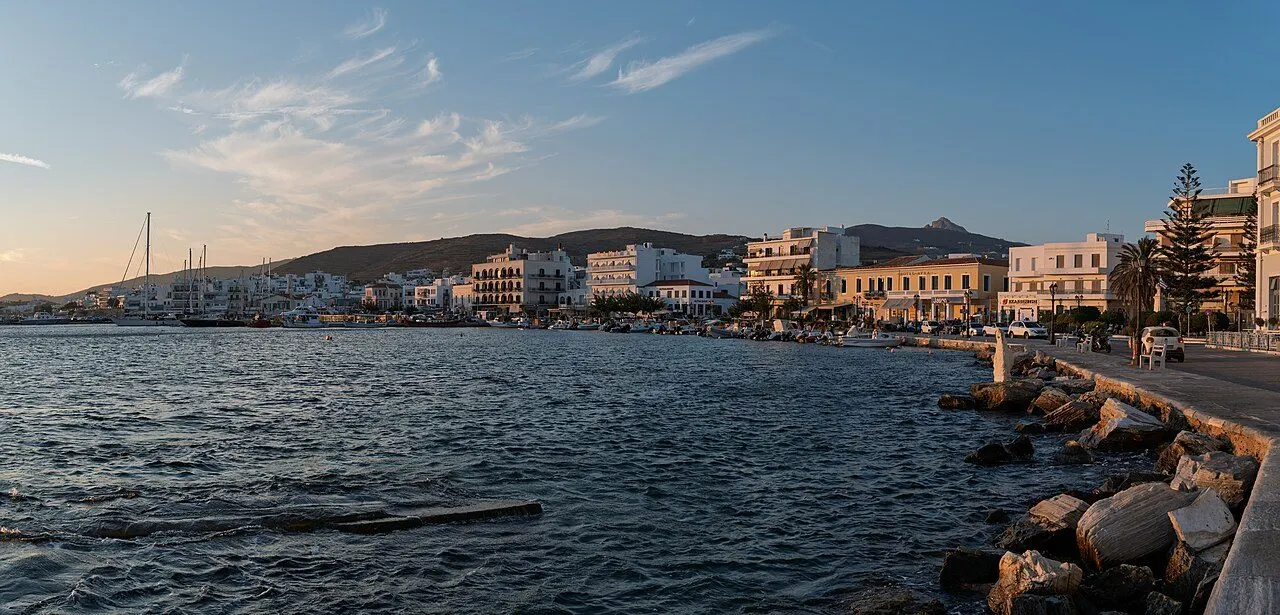
The port of Tinos Town at sunset

Τήνος · Marble villages, a thousand dovecotes and the holiest church in Greece

Tinos. And its fifty villages

A pilgrim island next door to Mykonos with a very different soul: a great marble church above the port, dozens of villages of carvers and farmers, dovecotes in every valley, Catholic and Orthodox bell towers, and a north wind that keeps the beaches honest.

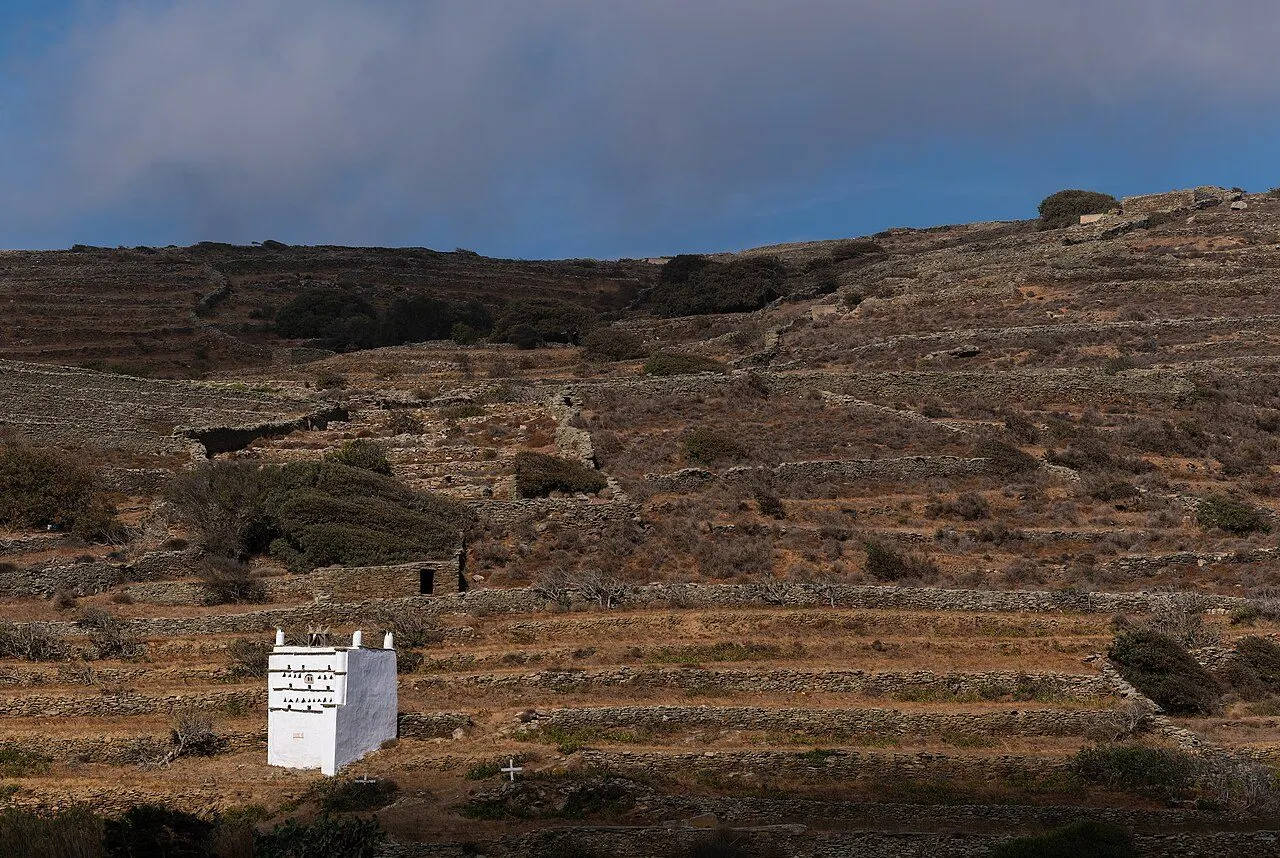
Dovecotes in the valley of Tarambados

Greetings from Tinos

Tinos

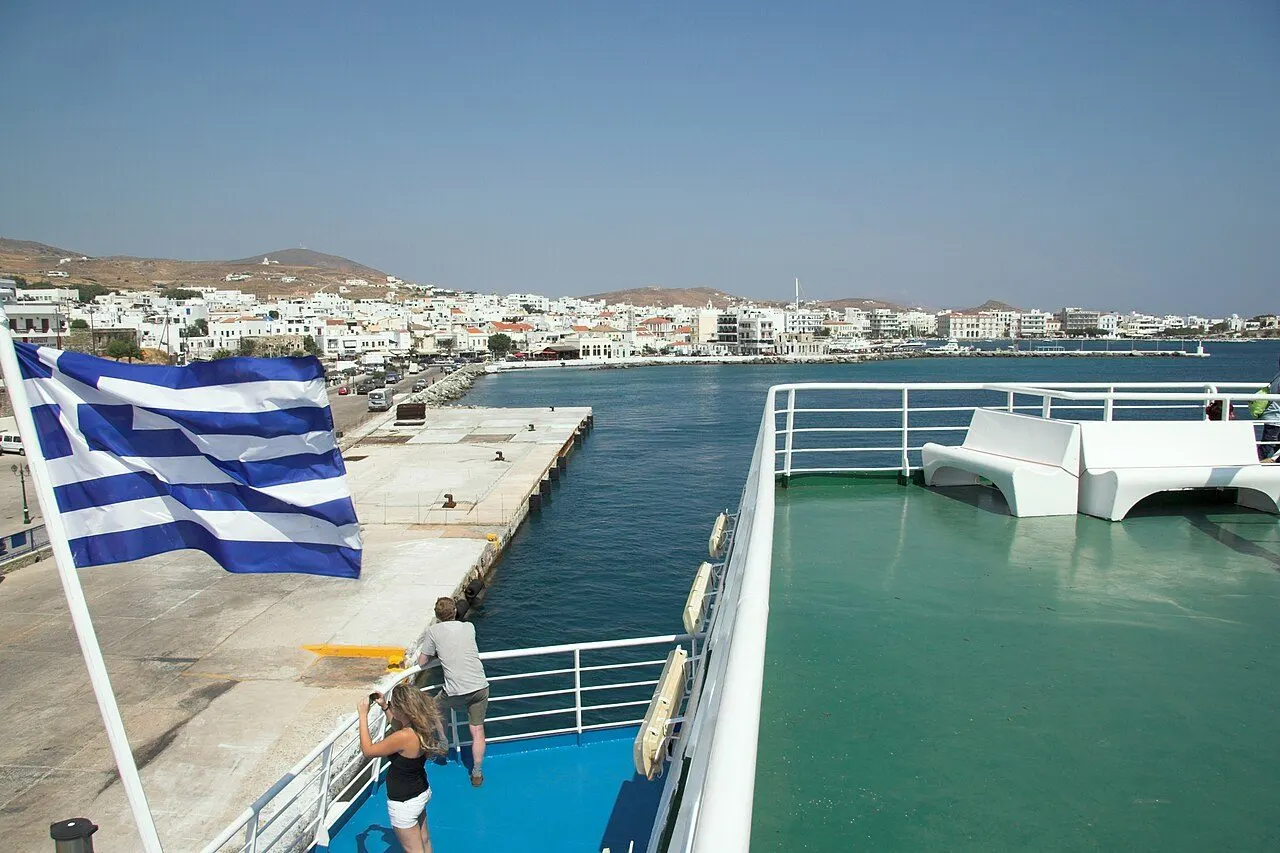
The ferry from Mykonos takes half an hour, and the island you land on feels like another country. In the morning, walk up the pilgrims' street past the candle shops to the marble courtyard of the Evangelistria, where women in black are lighting tapers taller than they are. At noon, drive into the hills and lose count of the dovecotes, white towers of lace stone standing in the terraces. In the afternoon, coffee under the plane tree in Pyrgos, with the sound of a chisel somewhere down the lane. In the evening, fish at the harbour of Panormos, and the wind pushing at the tablecloths.

Wish you were here. x

Hour by hour

A perfect day on Tinos

The church in the cool of the morning, a valley of dovecotes, a village of marble, a swim below the carvers' harbour and dinner by the boats.

  1. 08:00

    Up the pilgrims' street

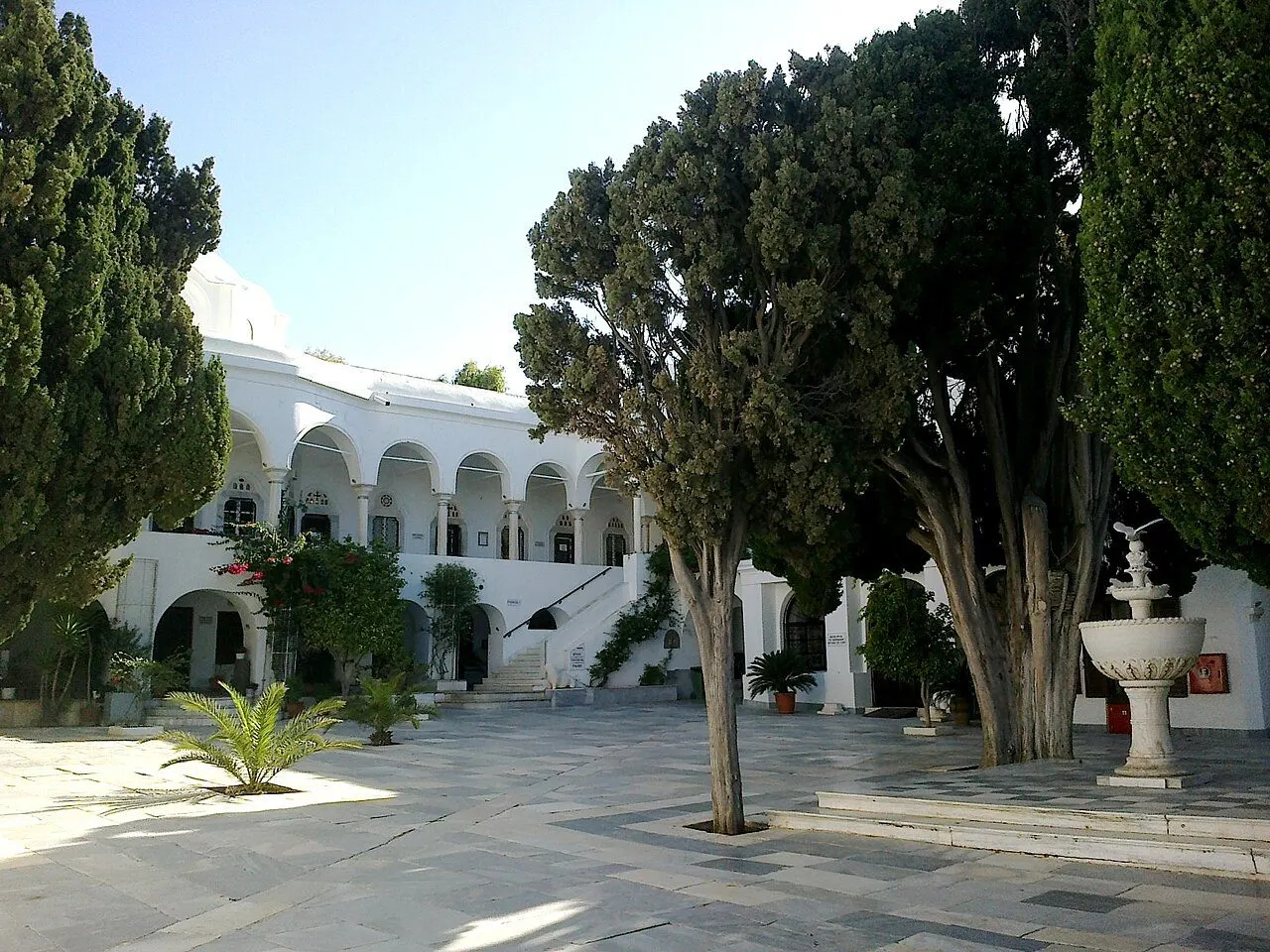
    Walk up from the harbour before the day-trippers arrive, past the shops of candles and silver votives, and into the marble courtyard of Panagia Evangelistria while the church is still quiet.

    The main street of Tinos Town climbing to the Evangelistria
  2. 10:00

    The dovecotes of Tarambados

    Drive inland and take the stepped path down the valley below Tarambados, where the dovecotes stand one after another in the terraces, their walls cut into triangles, diamonds and suns.

    Dovecotes in the valley of Tarambados
  3. 11:30

    Volax and its boulders

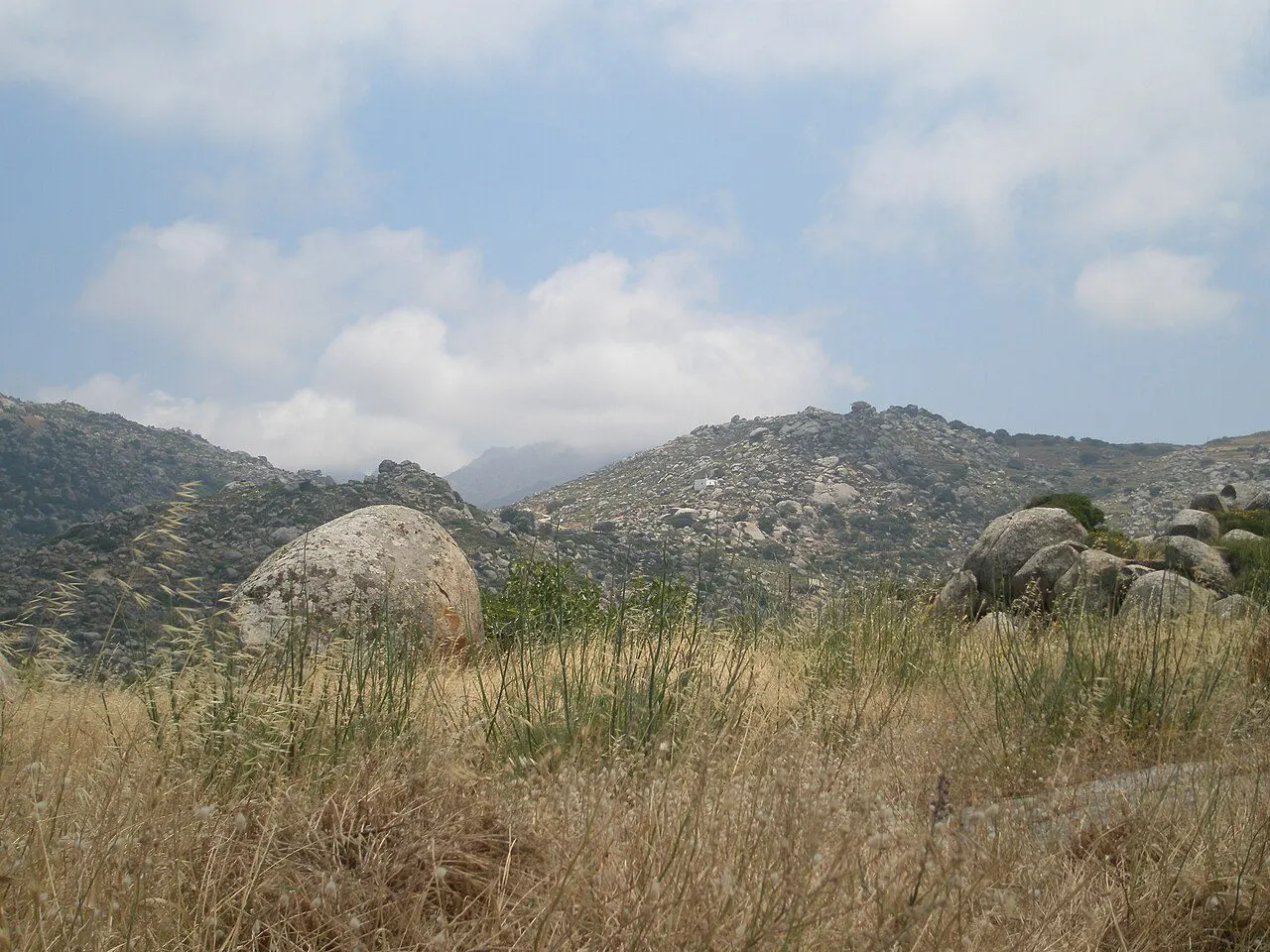
    Wander the tiny village in its field of round granite rocks, look in on the basket weavers, and stop for a coffee in the shade.

    The village of Volax among its granite boulders
  4. 13:30

    Marble in Pyrgos

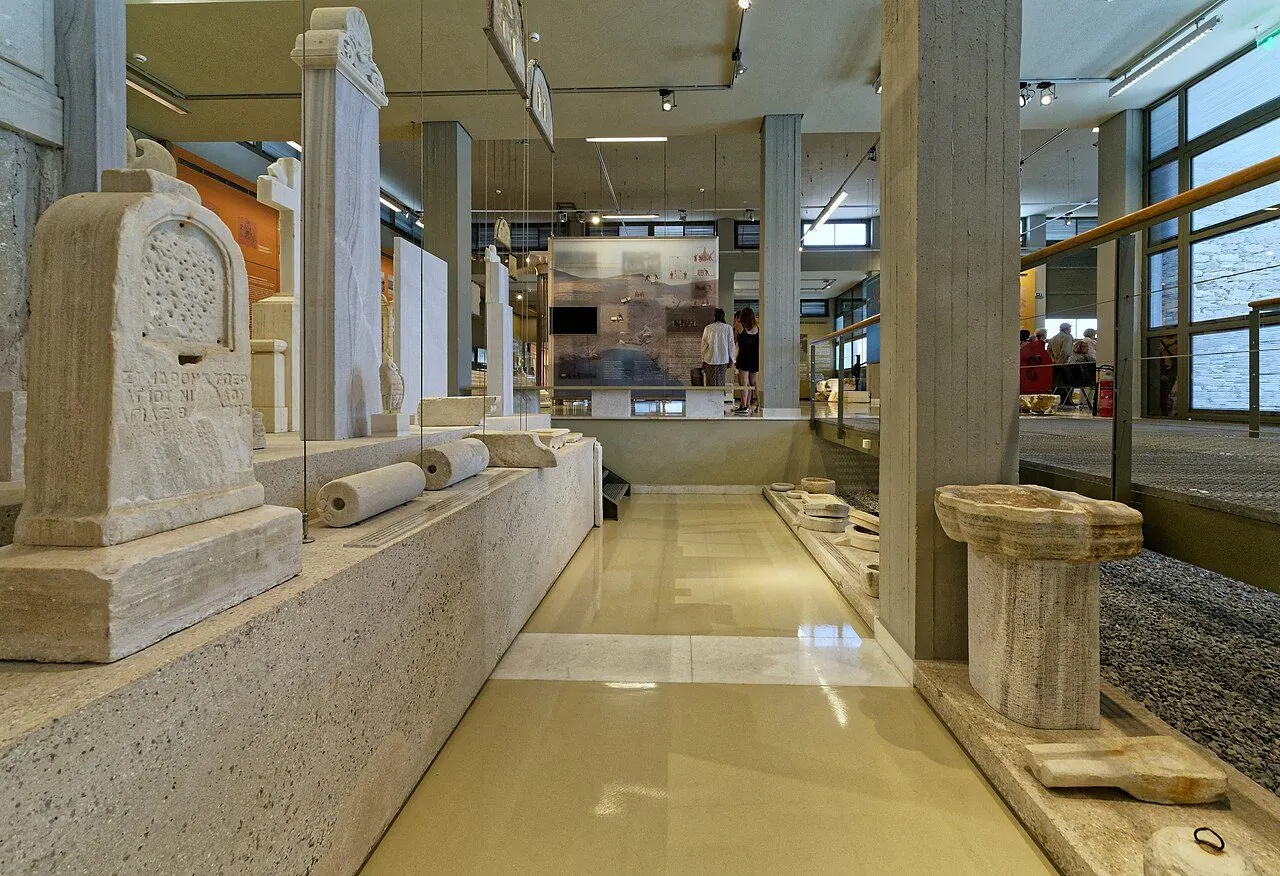
    Spend the hot hours in the Museum of Marble Crafts, then walk up through the lanes to the square, the house of Yannoulis Chalepas and the white tombs of the cemetery.

    Inside the Museum of Marble Crafts in Pyrgos
  5. 17:00

    A swim at Panormos

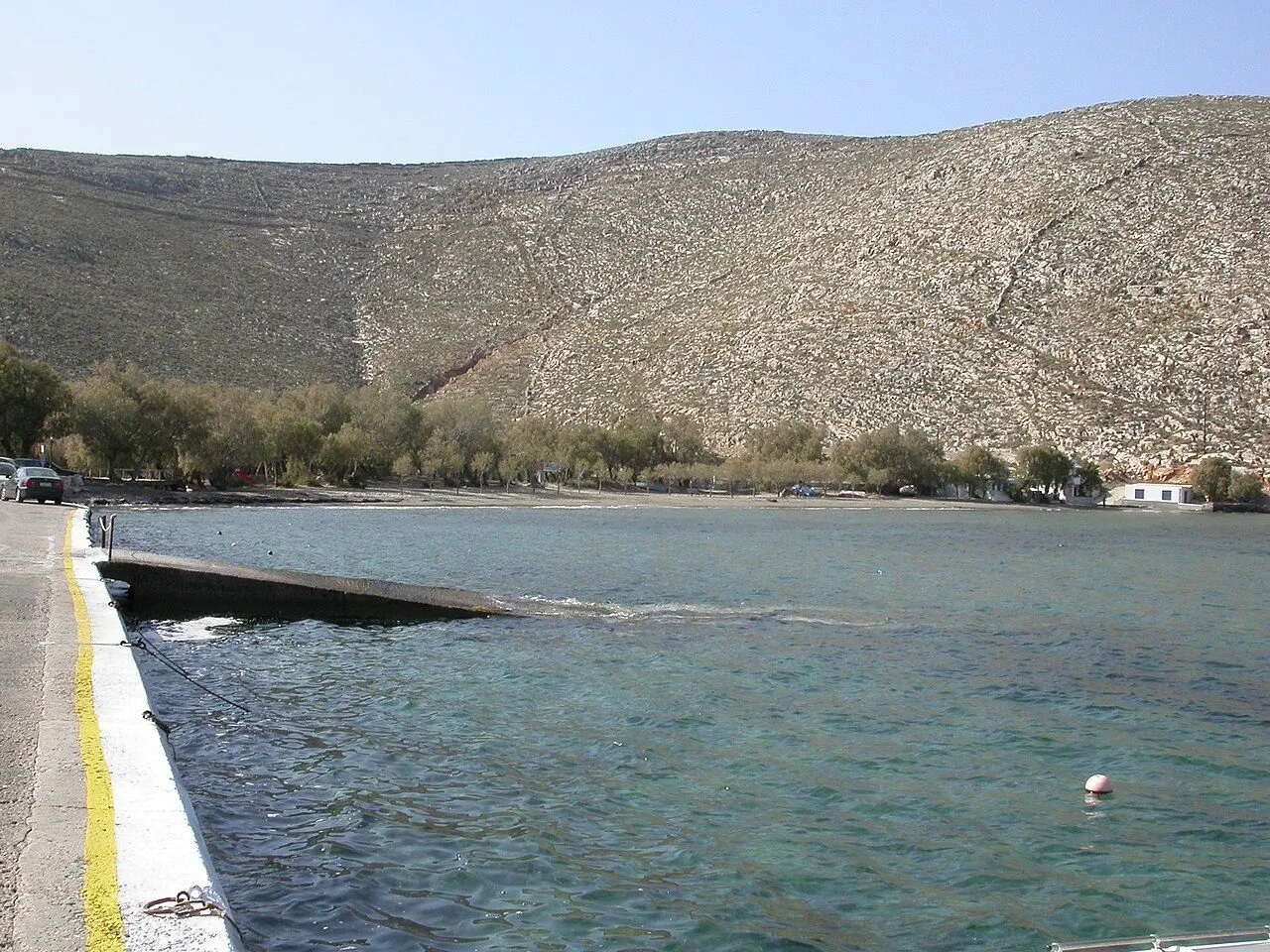
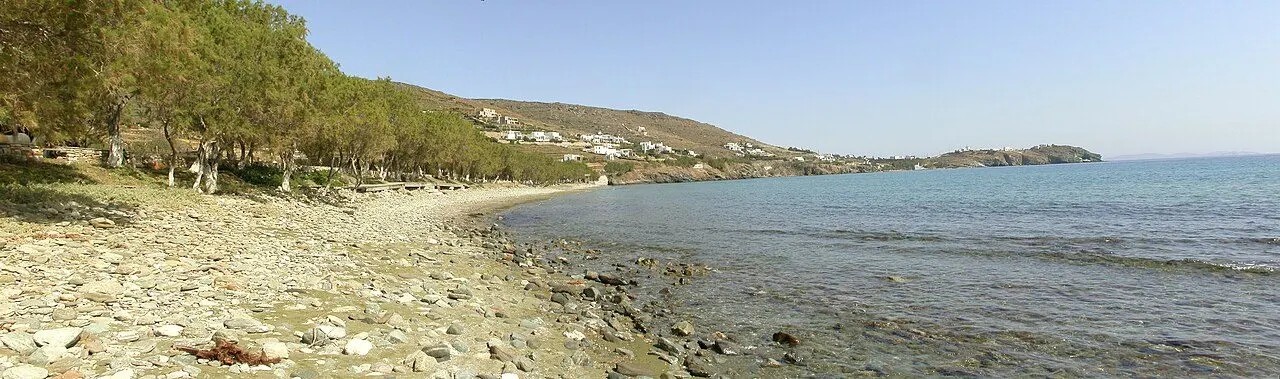
    Go down to the bay where the marble was once loaded onto boats and swim from the little beaches either side of the harbour. If the meltemi is up, the water on this north coast will be rough, so ask in the village first.

    A beach on the bay of Panormos
  6. 20:00

    Fish by the boats

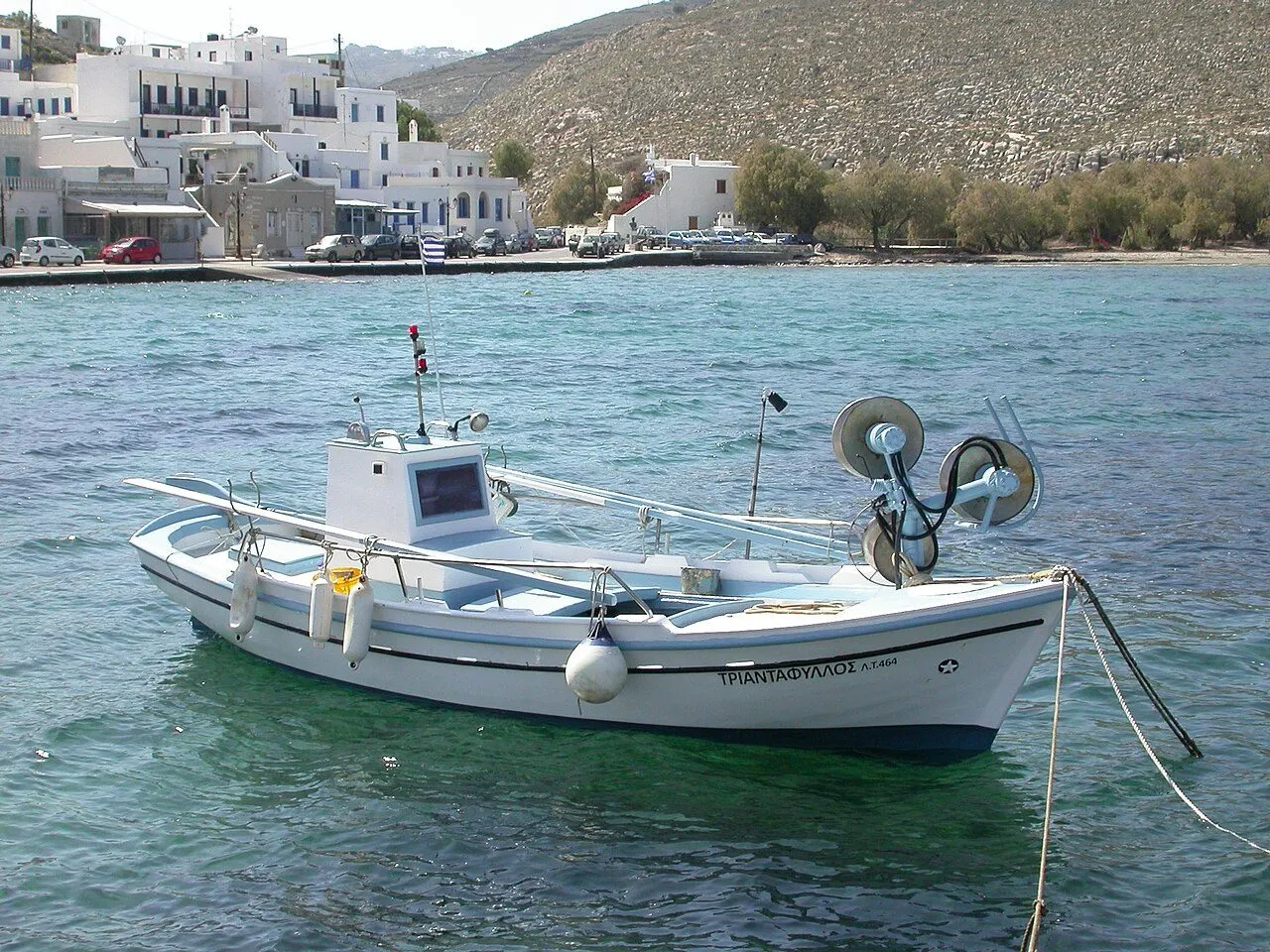
    Stay for dinner on the waterfront of Panormos, with the fishing caiques tied up beside the tables and grilled fish from that morning.

    The harbour of Panormos

Where to stay

Where you'll wake up on Tinos

All stays

Only on Tinos

The things you'll tell everyone about

What sets Tinos apart from the islands on either side of it.

The marble courtyard of Panagia Evangelistria

The church of the pilgrims

In 1823, two years into the War of Independence, a nun of the monastery of Kechrovouni, Pelagia, said she had been told in visions where to dig, and an icon of the Annunciation was found in a field above the port. The church of Panagia Evangelistria was built over the spot in white marble, and it became the great pilgrimage of the Greek Orthodox world. On 25 March and above all on 15 August the island fills with people who have come to keep a promise.
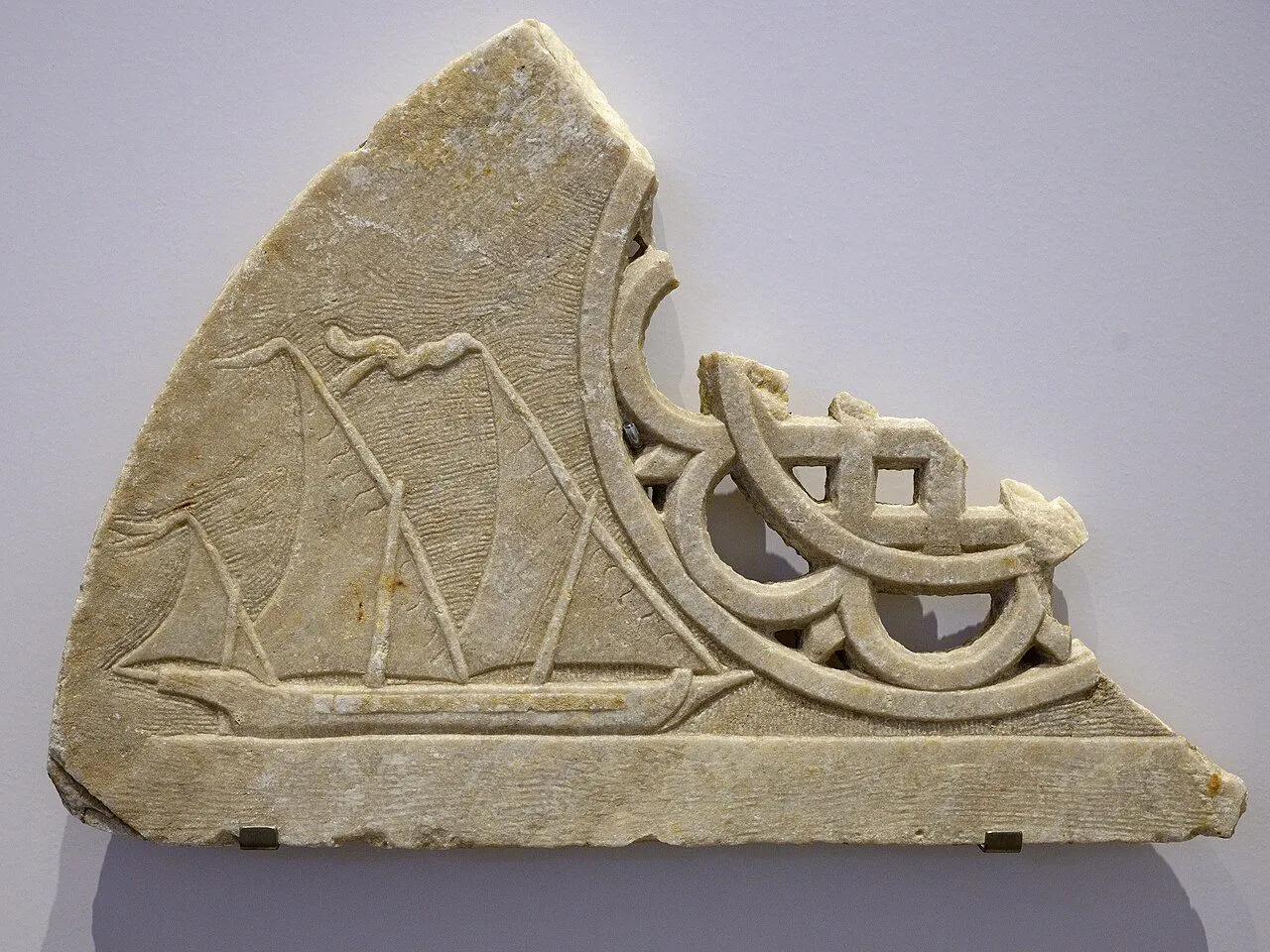
A Tinian marble fanlight carved with a sailing ship

A school of marble

The hills of Tinos are full of white and green-veined marble, and its carvers worked it for churches, fountains and graves across Greece and the old Ottoman cities. The craft is still taught in Pyrgos, and in 2015 UNESCO listed Tinian marble craftsmanship as intangible heritage. Look up at any door on the island and you will find a carved fanlight over it.

Dovecotes in the valley of Tarambados

The dovecotes

Hundreds of dovecotes stand in the terraces of Tinos, most of them built from the Venetian years onwards, when keeping pigeons was a privilege and a source of meat and fertiliser. They are two-storey stone towers whose upper walls are worked into open patterns of triangles, rhombuses and suns, so the birds can come and go. The densest cluster is in the valleys around Tarambados.

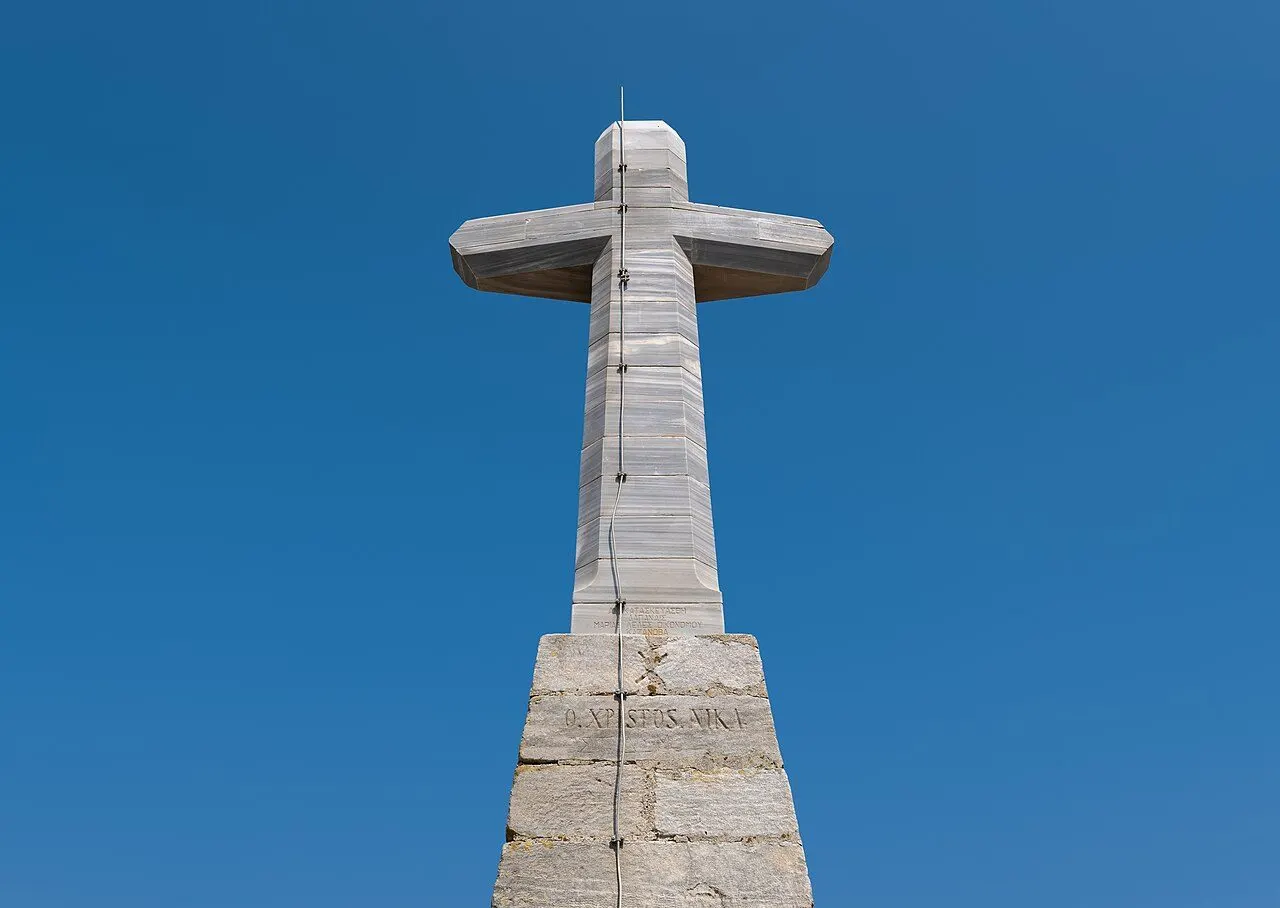
The cross on top of Exomvourgo

Two churches, one island

Venice held Tinos for about five centuries, longer than any other island in the Aegean, and it was the last Venetian possession here when it fell to the Ottomans in 1715. That long rule left a large Catholic community, and many inland villages still have a Catholic church and an Orthodox one, sometimes a few lanes apart, each with its own bell tower.

Towns & villages

Where you'll fall for Tinos

All towns & villages
View of Pyrgos, Exomeria & the marble villages, Tinos
01
Exomeria & the marble villages

Pyrgos

The village of the marble carvers, where even the graves are works of art

Pyrgos is the largest village of Tinos and the home of its marble carvers, in the north-west of the island above the bay of Panormos. Marble is everywhere: in the doorframes and the carved fanlights over the doors, the fountain and the benches in the square under the plane tree, the bell towers and the steps. It has a school of fine arts where young carvers still learn the craft, the Museum of Marble Crafts, the house of the sculptor Yannoulis Chalepas, and a cemetery of marble tombs that people come to visit as if it were a gallery.

  • The Museum of Marble Crafts
  • The house of Yannoulis Chalepas
  • Coffee under the plane tree in the square
  • The marble tombs of the cemetery
  • Carvers at work in the workshops
Discover Pyrgos
View of Tinos Town, Tinos Town & the coast either side, Tinos
02
Tinos Town & the coast either side

Tinos Town

The port town of the pilgrims, climbing to the church of the Evangelistria

Tinos Town, which islanders call Chora, is the port and capital of the island, a working Cycladic town of white houses and pastel mansions climbing from the harbour to the great marble church of Panagia Evangelistria. Its two main streets run straight up the hill: one lined with shops selling candles, icons and votive offerings, the other with a strip of carpet along its edge for pilgrims who make the climb on their knees. Behind them are lanes of tavernas, bakeries and bars, and on either side of town the beaches of Agios Fokas and Kionia.

  • The church of Panagia Evangelistria
  • The pilgrims' street up from the harbour
  • The Archaeological Museum
  • Dinner in the lanes behind the port
  • Sunset over Syros from the harbour wall
Discover Tinos Town

Things to do

Moments to collect

The main street of Tinos Town climbing to the Evangelistria

Culture

The church before the crowds

Climb to Panagia Evangelistria early, when the courtyard is cool and the first candles are being lit, and see the votive ships and silver hanging from the ceiling.

Tinos Town

Dovecotes in the valley of Tarambados

Hike

A walk through the dovecotes

Follow the old stepped paths between Tarambados, Kampos and the villages around them, with dovecotes in almost every terrace. Many of the island's footpaths are waymarked.

Tarambados and Kampos

The cross on top of Exomvourgo

Hike

Up Exomvourgo

Scramble up the granite rock of the Venetian capital for the ruins and a view that takes in Syros, Mykonos, Delos and Naxos on a clear day. Go early, take water, and skip it in a strong wind.

Exomvourgo

Good to know

Before you fall for Tinos

Tinos is about 194 km² of bare, terraced hills between Andros and Mykonos, and most people who see it from a ferry rail have no idea how much is up there. Above the port stands Panagia Evangelistria, the most visited church in Greece, where pilgrims climb the last stretch of the street on their knees. Behind it the island breaks into something like fifty villages, each on its own slope: Pyrgos of the marble carvers, Volax among its granite boulders, Kardiani in its gardens, Catholic hamlets with their own bell towers and valleys full of dovecotes built under Venice. Tinian marble craft is on the UNESCO list, and you see why in every doorway. The trade-offs are real. The meltemi blows hard in July and August, the roads are steep and slow, the buses do not reach most villages, and around 15 August the town fills with pilgrims and every bed is gone. The beaches are good but not the reason to come. This is an island for people who like to drive a mountain road, stop in a square, and stay longer than they planned.

Area
≈ 194 km²
Population
≈ 8,600
Highest point
Tsiknias, ≈ 725 m
Capital
Tinos Town (Chora)
  • Villages
  • Culture
  • Food
  • Walking
  • When to go

    May, June and September are best: warm, green on the terraces in spring and calmer than high summer. July and August bring the meltemi, which can blow for days. Avoid the days around 15 August unless you have come for the feast, and note that 25 March is busy too. Some villages close up between November and Easter.

  • Getting around

    Rent a car or scooter. Buses link Tinos Town with the main villages and beaches, but not often, and the most beautiful places are on the small roads. Mountain roads are narrow and winding, so allow more time than the map suggests, and take a scooter only if you are confident in wind.

  • How long

    Three days covers the town, Pyrgos, the dovecotes and a beach. Five to seven lets you walk the old paths, see a dozen villages and wait out a windy day. Tinos also works as a quiet base for a day trip to Mykonos or Delos.

  • Getting there

    No airport: ferries from Piraeus and Rafina near Athens, about two to four and a half hours, and a short hop from Mykonos, whose airport is the nearest.

    Flights & ferries

From the sanctuary of Poseidon to the church of the Annunciation

An island of snakes and springs in the ancient sources, a hilltop city on a granite rock, five Venetian centuries, and a discovery in 1823 that made a farming island the holy island of modern Greece.

Walk through the story

Last updated