Venetian fort of Agios Nikolaos
The overgrown walls of the Venetian fort on the pine-covered islet across the channel from Gaios, with an old windmill and a chapel nearby.
Paxos · History
A small island on the sea route between Italy and Greece, shaped by a myth, four centuries of Venetian rule and the slow work of olive farmers.
Timeline
Myth
A local legend says that Poseidon, wanting a quiet place to be alone with his wife Amphitrite, struck the southern tip of Corfu with his trident and broke off a piece of land: Paxos. It is a story told with a smile, but it suits an island that has always been a retreat.
Antiquity
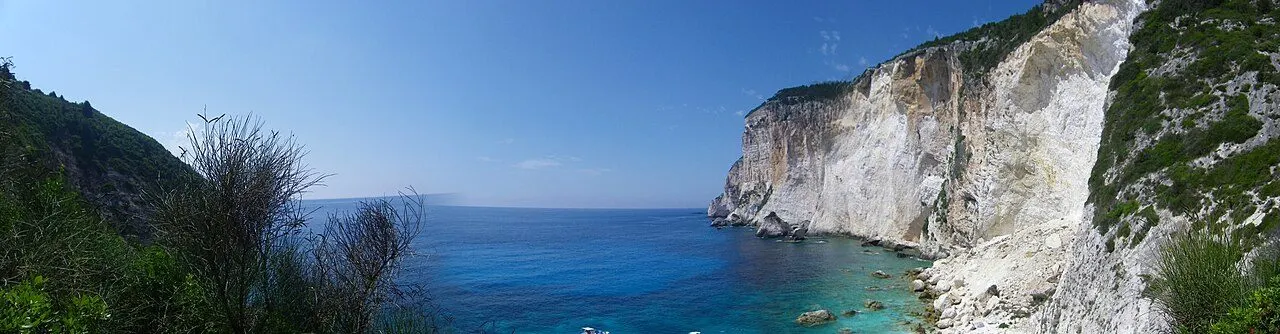
Paxos appears in one of the strangest stories of the ancient world. Plutarch tells how, in the reign of the emperor Tiberius, a ship sailing for Italy was becalmed near the islands of Paxi, and a voice called across the water to its Egyptian pilot, Thamus, telling him to announce that the great Pan was dead. Little else is known of the island in antiquity.
Middle Ages
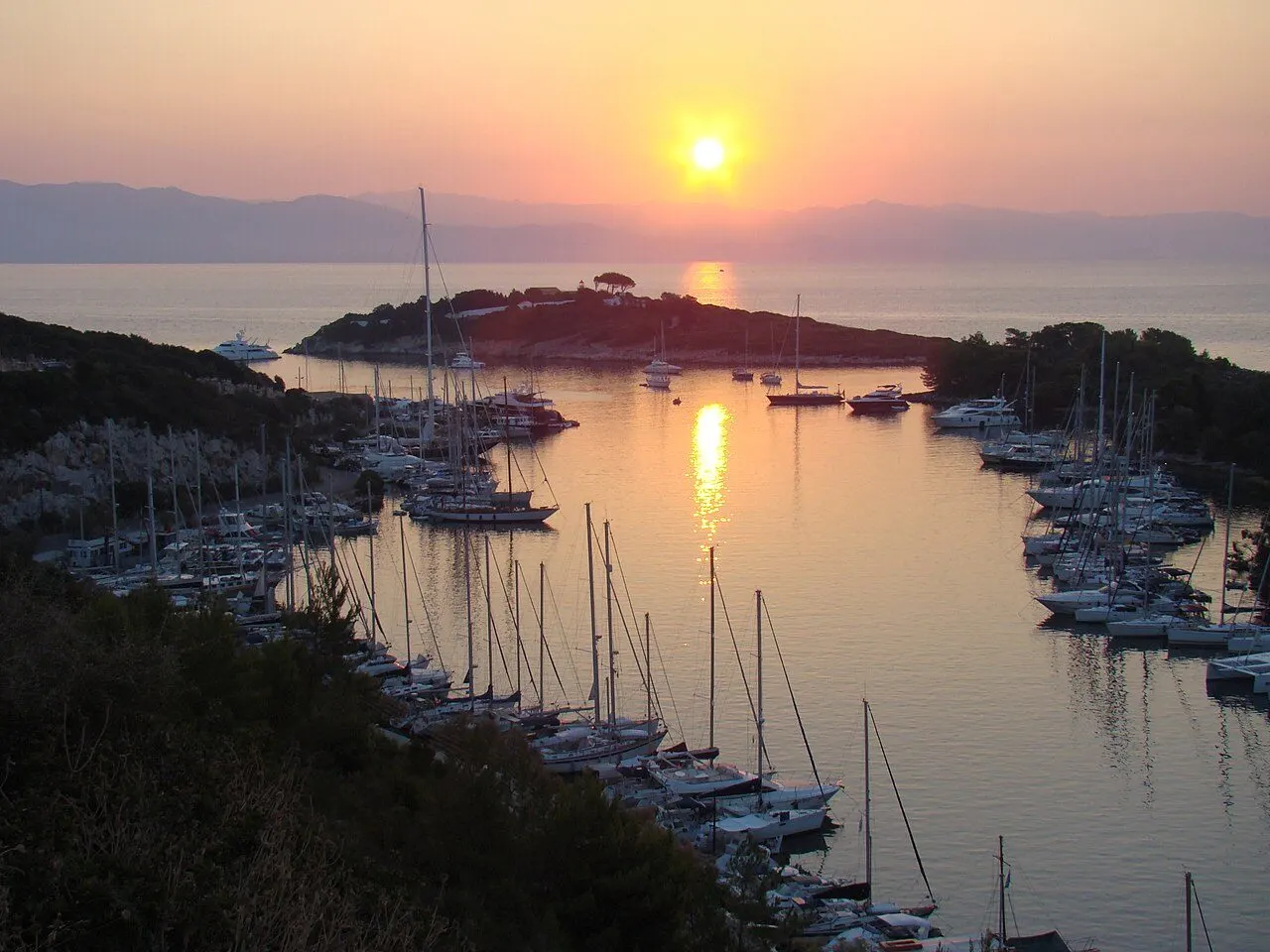
In the Middle Ages Paxos followed the fortunes of Corfu, passing between Byzantine, Norman and Angevin hands. Its small population lived inland, away from the shore, for fear of pirates who raided these waters for centuries.
1386–1797
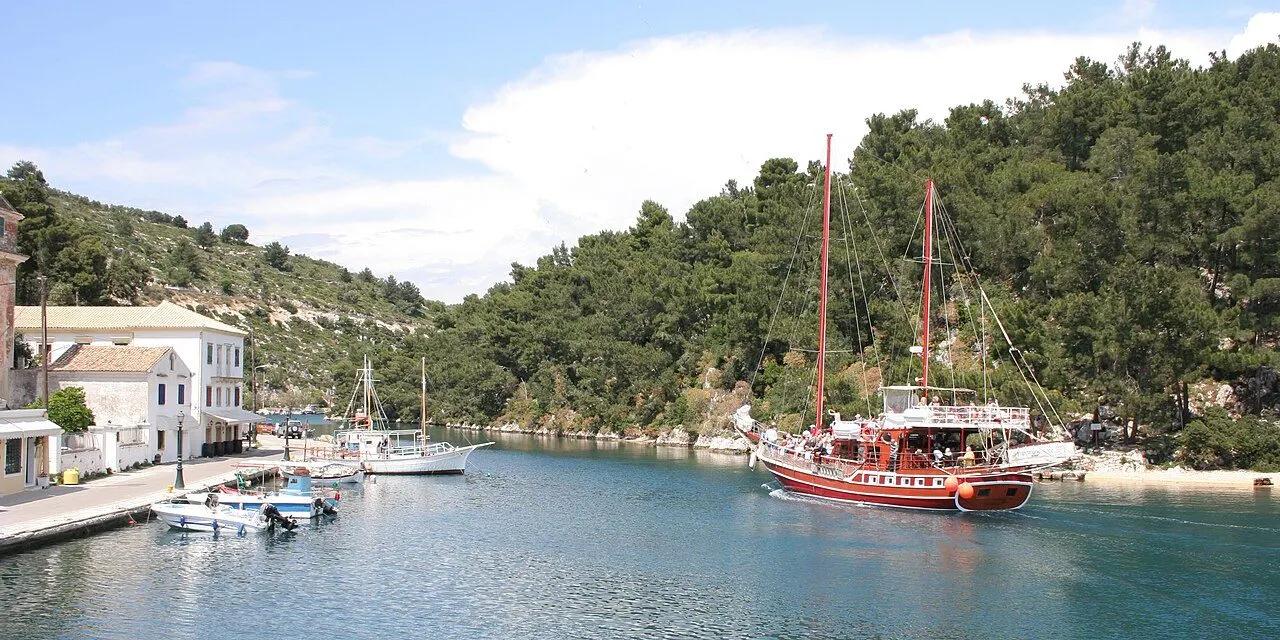
Like Corfu, Paxos came under Venetian rule at the end of the fourteenth century and stayed Venetian until the fall of the Republic in 1797. The Venetians fortified the islet of Agios Nikolaos off Gaios and promoted the planting of olive trees, which turned the island into the grove it is today and its oil into its fortune.
1797–1864
After Venice fell, Paxos passed with the other Ionian islands through French rule, the Russo-Ottoman Septinsular Republic and French rule again, before the islands became a British protectorate after the Napoleonic wars. The British built roads and public buildings across the Ionian; in 1864 they handed the islands to Greece.
19th–20th century
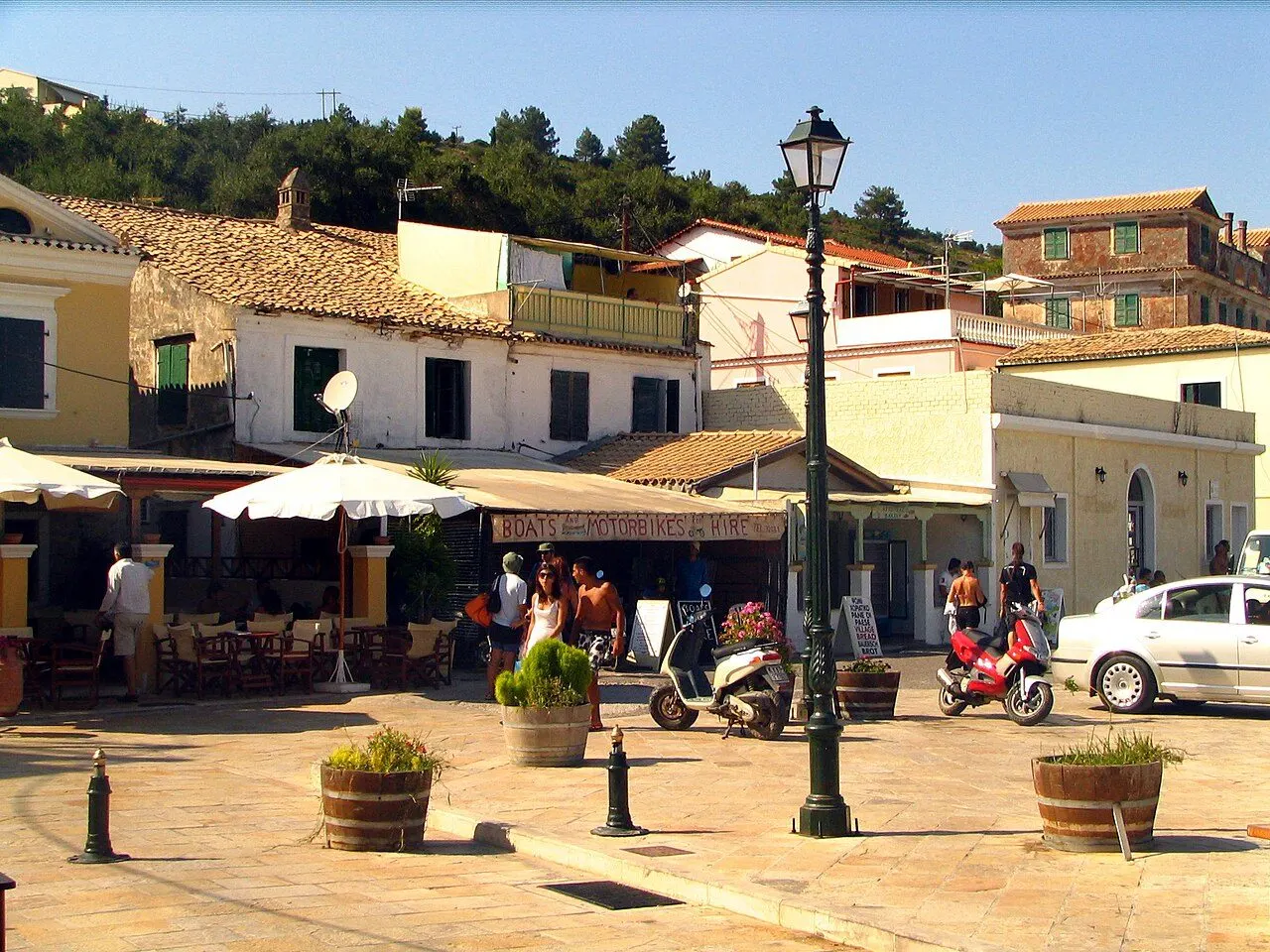
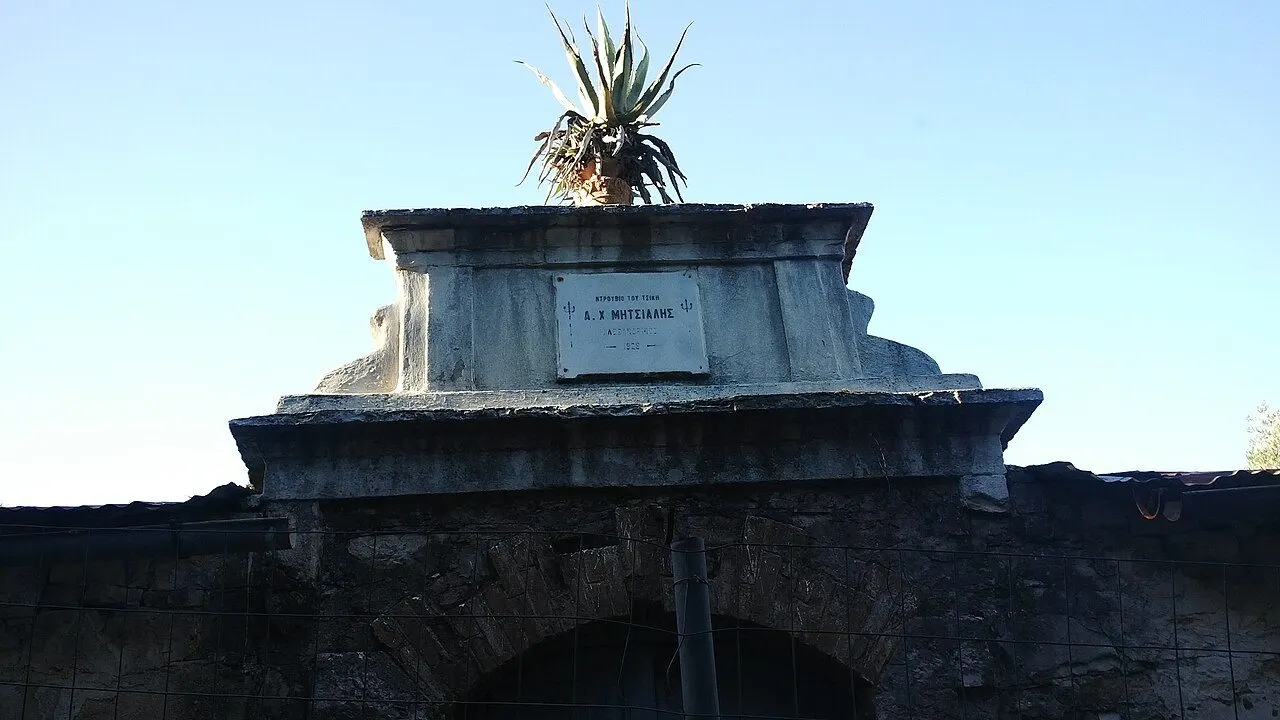
Through the nineteenth and early twentieth centuries the island lived from its olives. Presses were built in the groves and a soap factory in Loggos worked the oil; the old mill of the Tsikis family dates from 1928. But the land could not feed everyone, and many islanders left to work at sea or abroad.
Today
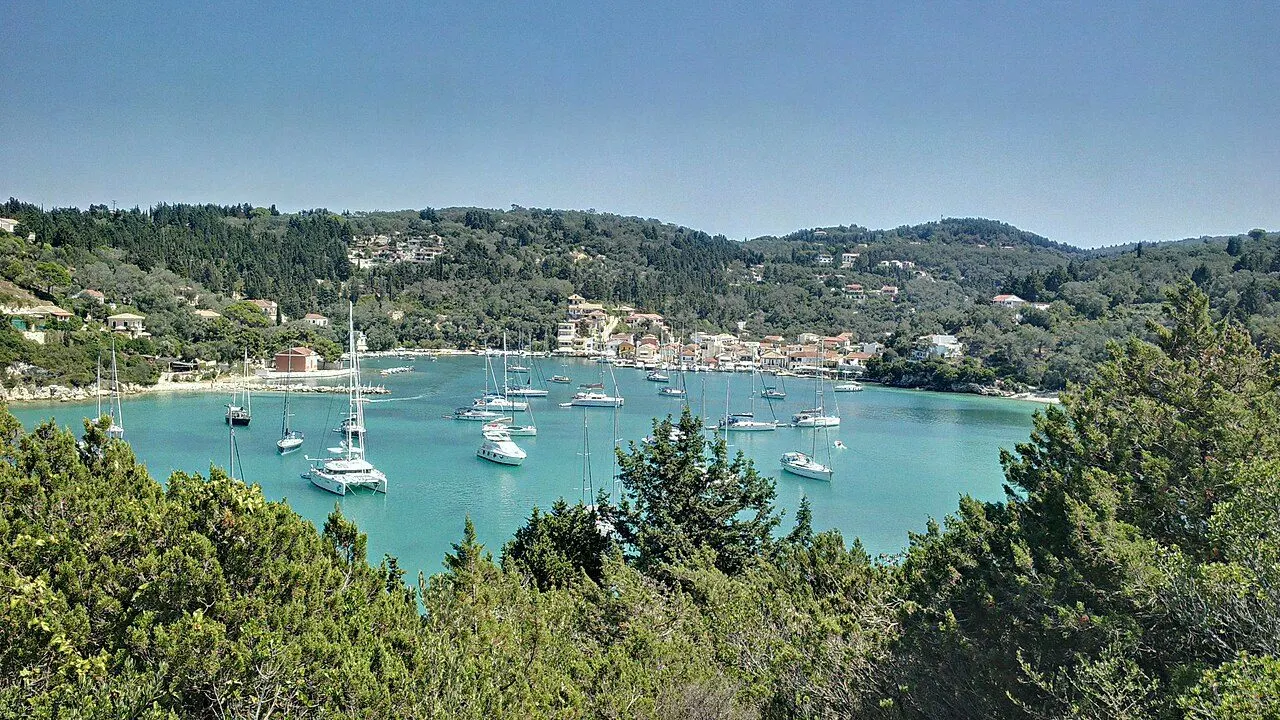
Paxos found a new living in tourism late and on a small scale. With no airport and little room to build, it never had the big resorts of its neighbours. Visitors stay in restored houses and villas, the olives are still harvested every winter, and in the off season the island is almost empty.
Visit
The overgrown walls of the Venetian fort on the pine-covered islet across the channel from Gaios, with an old windmill and a chapel nearby.
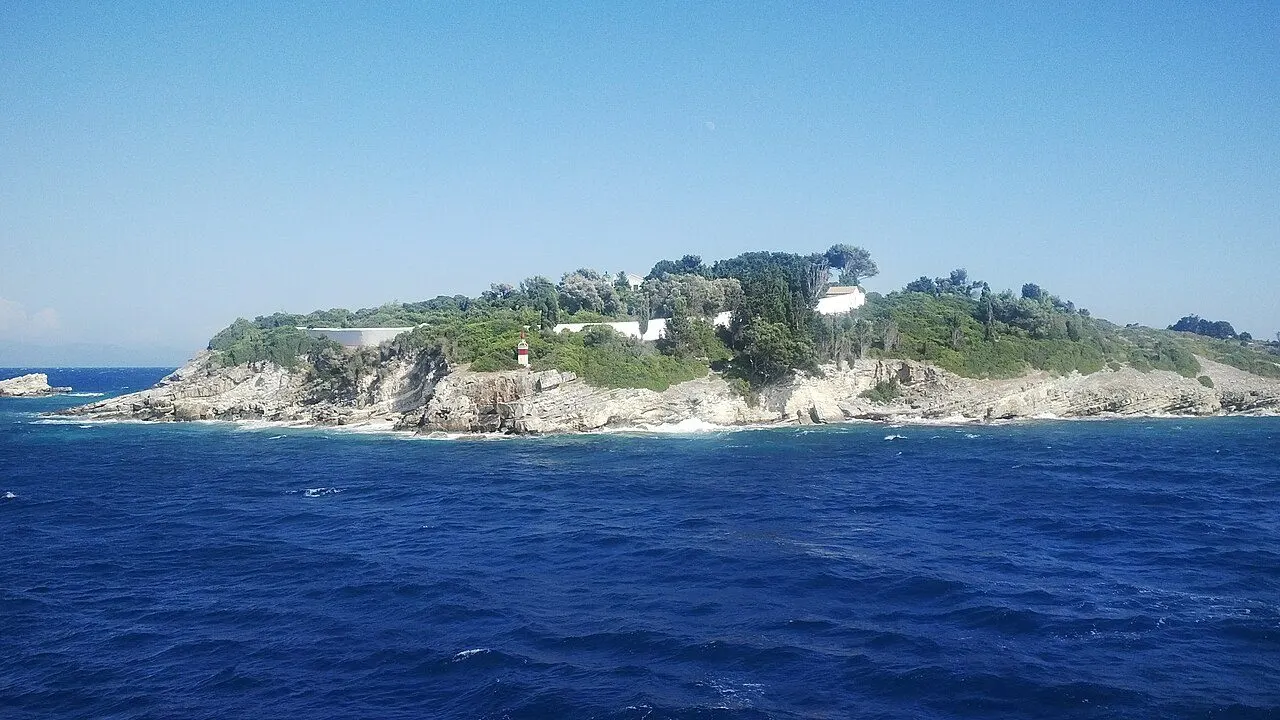
The monastery of the Virgin on its own islet at the mouth of Gaios harbour, the focus of the great island festival every 15 August.
Stone mill buildings scattered through the groves, among them the mill of the Tsikis family of 1928, witnesses to the oil that made the island.
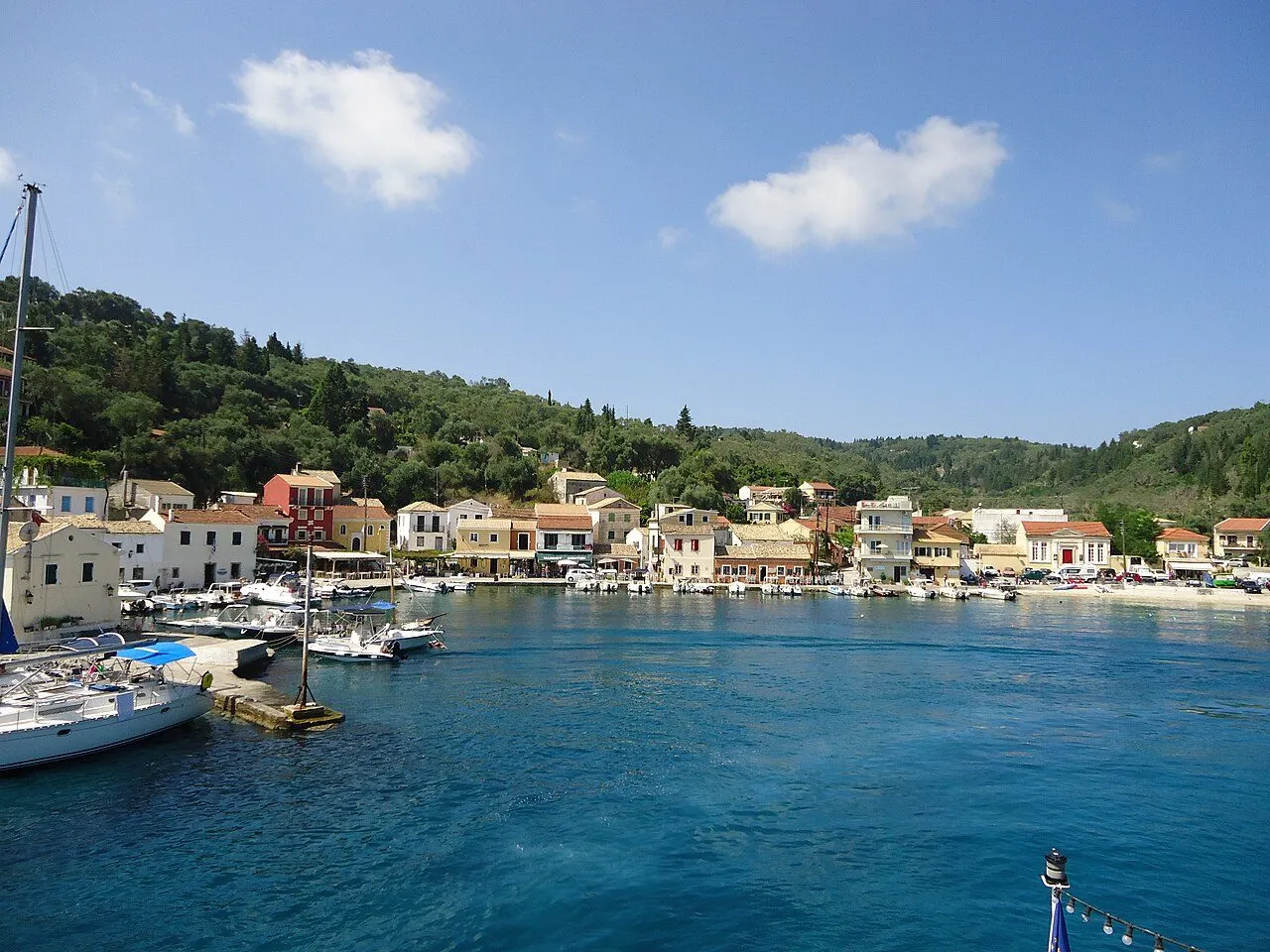
The tall chimney of the old soap factory on the edge of the harbour at Loggos, where the island's oil was turned into soap.
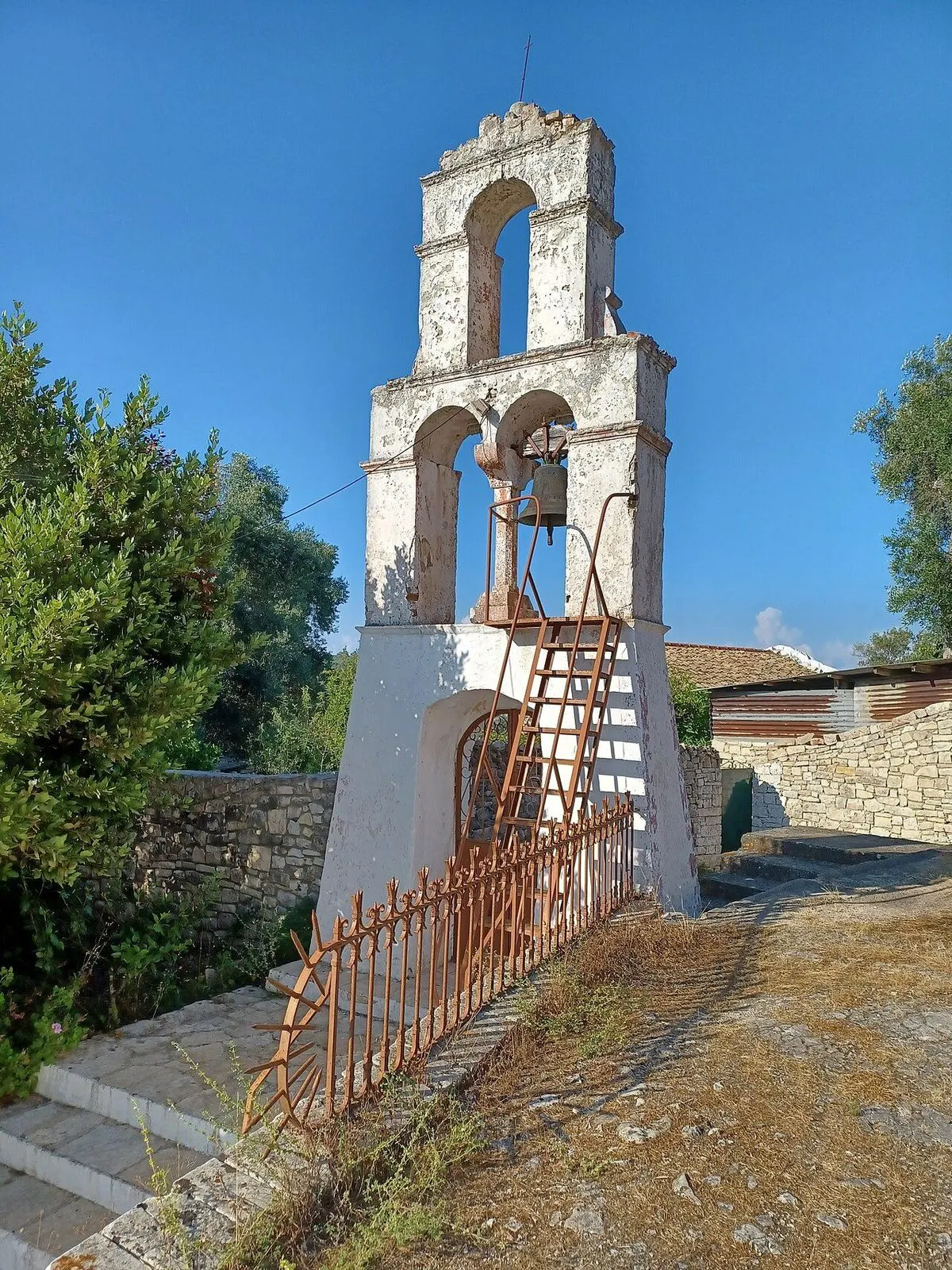
One of many village churches in the interior, its white bell tower standing out above the olive trees.
Last updated