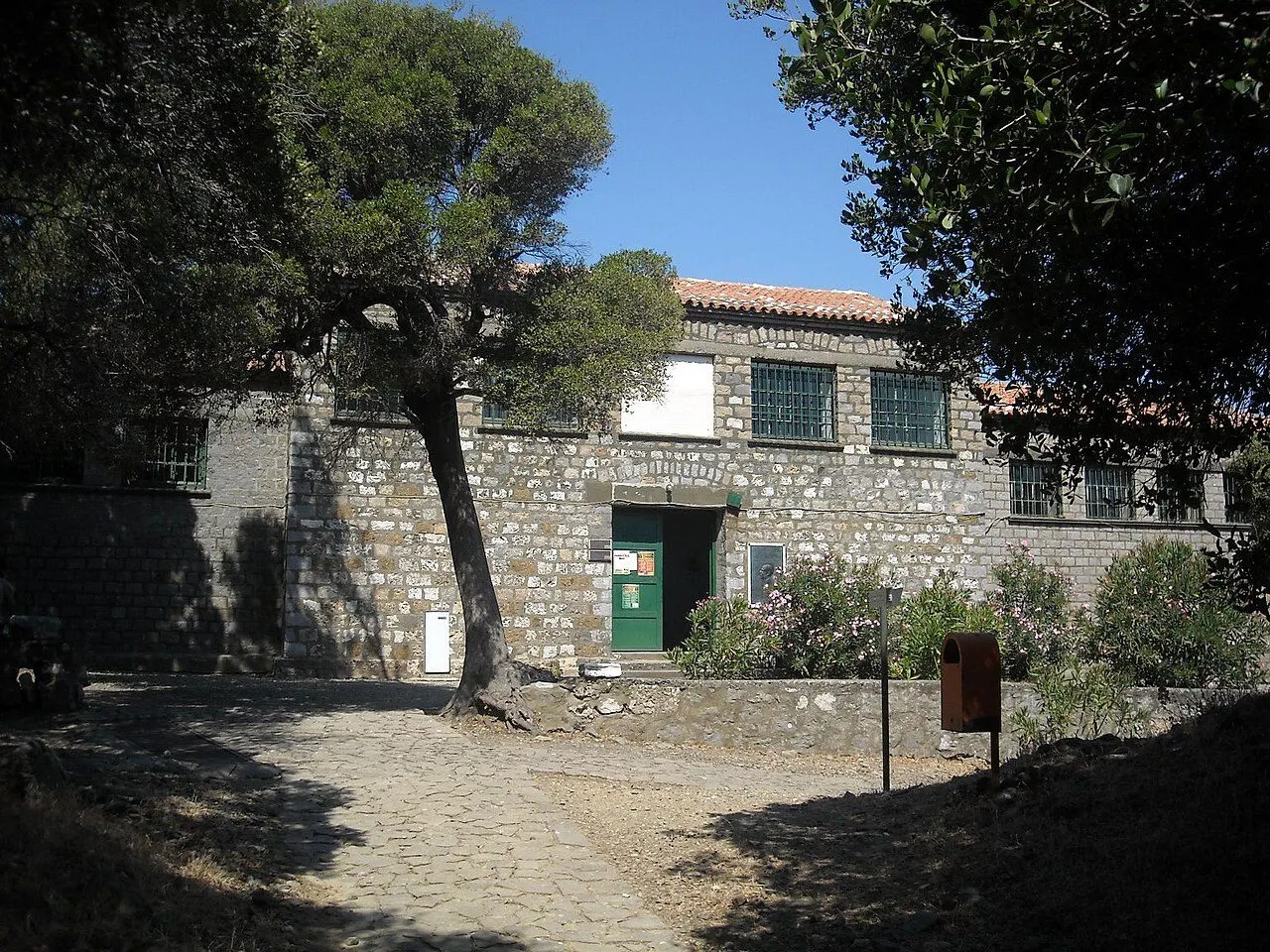
The Archaeological Museum
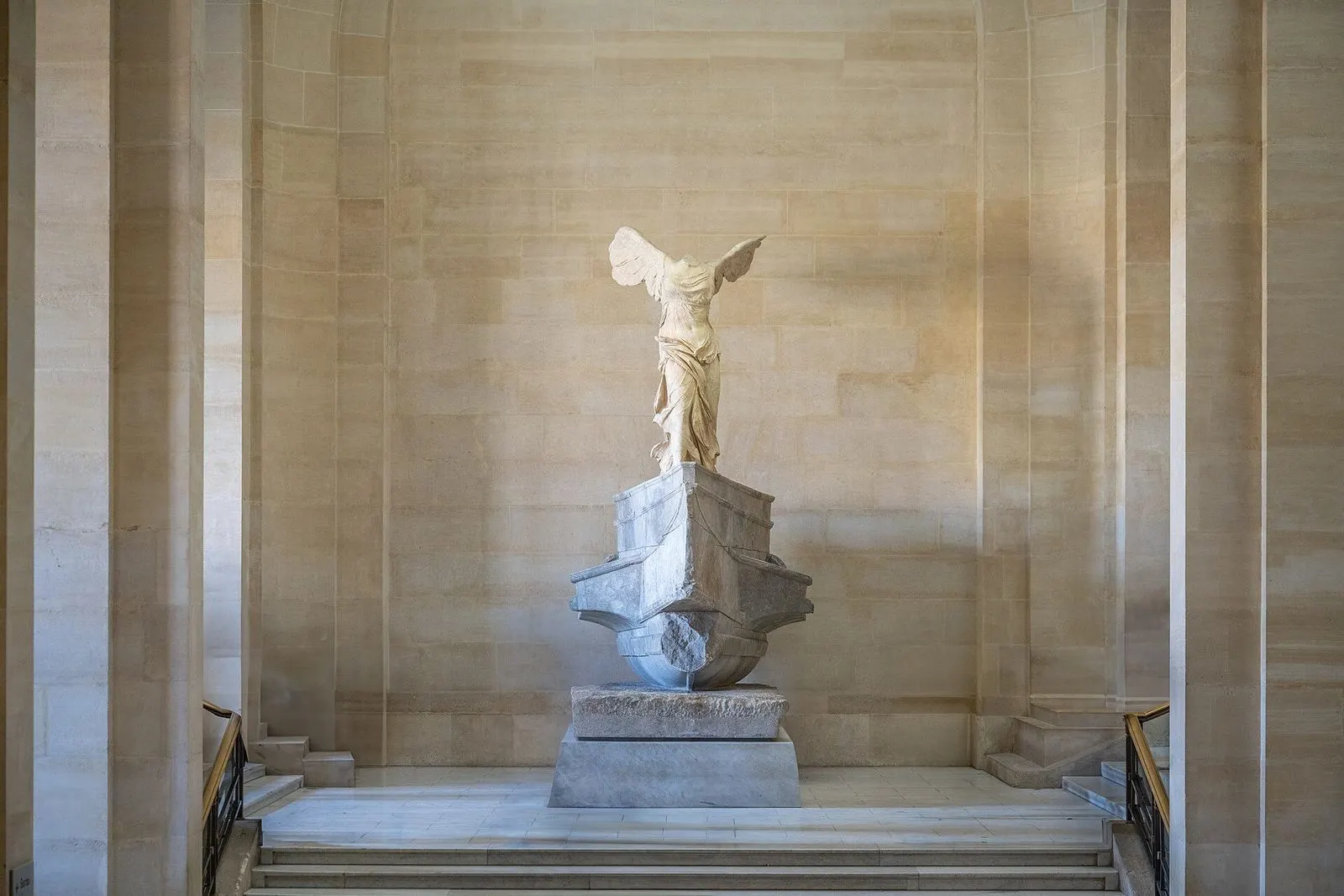
At the entrance to the site, with the finds from the sanctuary and a full-size cast of the Winged Victory.
Samothraki · Paleopoli & the north coast · Παλαιόπολη
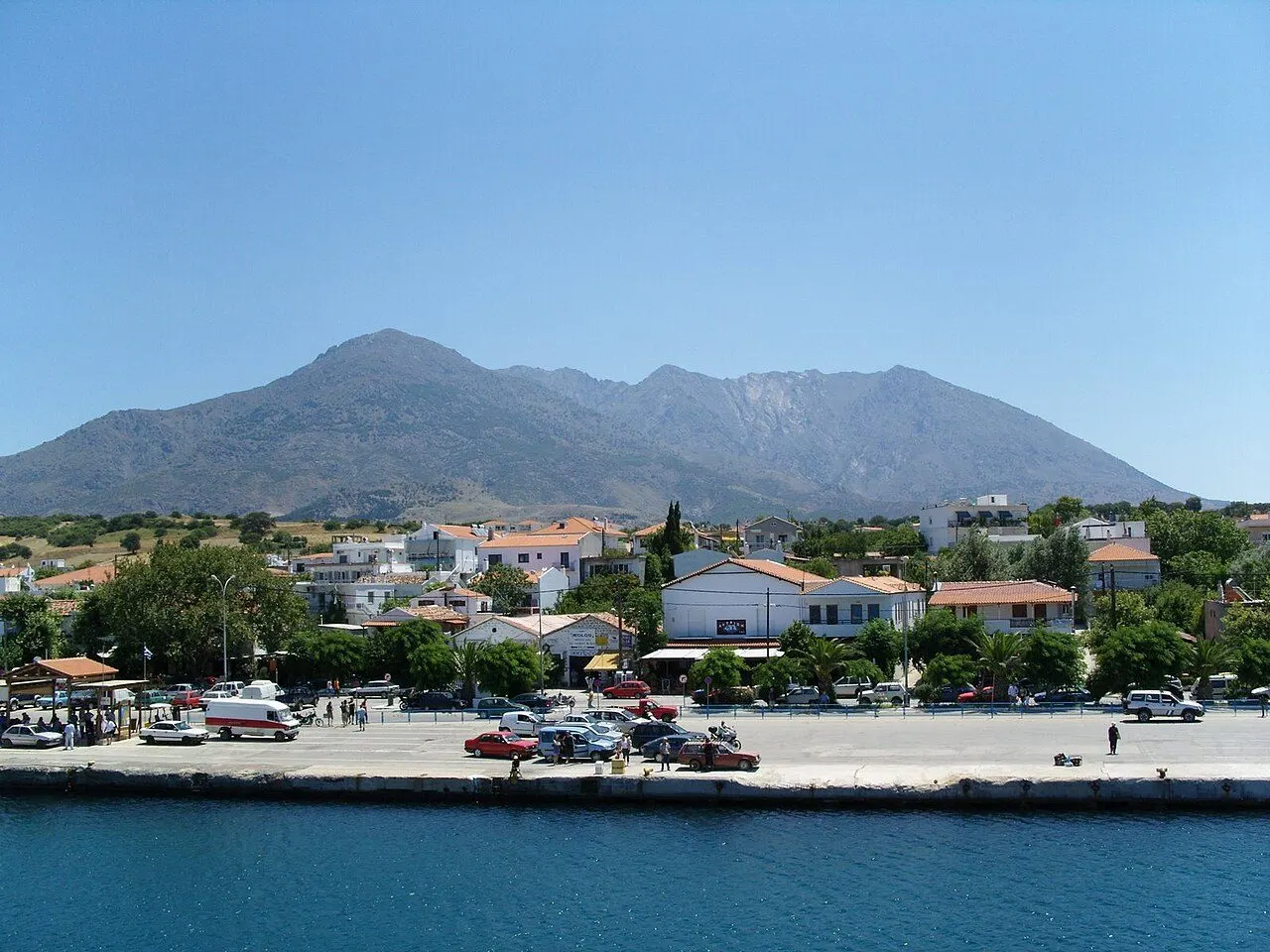
Paleopoli, 'the old city', is a scatter of houses and olive groves on the north coast where the ancient city of Samothrace once stood. In a wooded ravine below its walls lies the Sanctuary of the Great Gods, where for a thousand years people came from across the Greek world to be initiated into the island's Mysteries, and where the Winged Victory was found in 1863. The Archaeological Museum stands at the entrance to the site, the towers of the Genoese Gattilusi rise on the hill above, and a pebble shore and a few tavernas wait by the sea.
Greetings from Paleopoli
Paleopoli
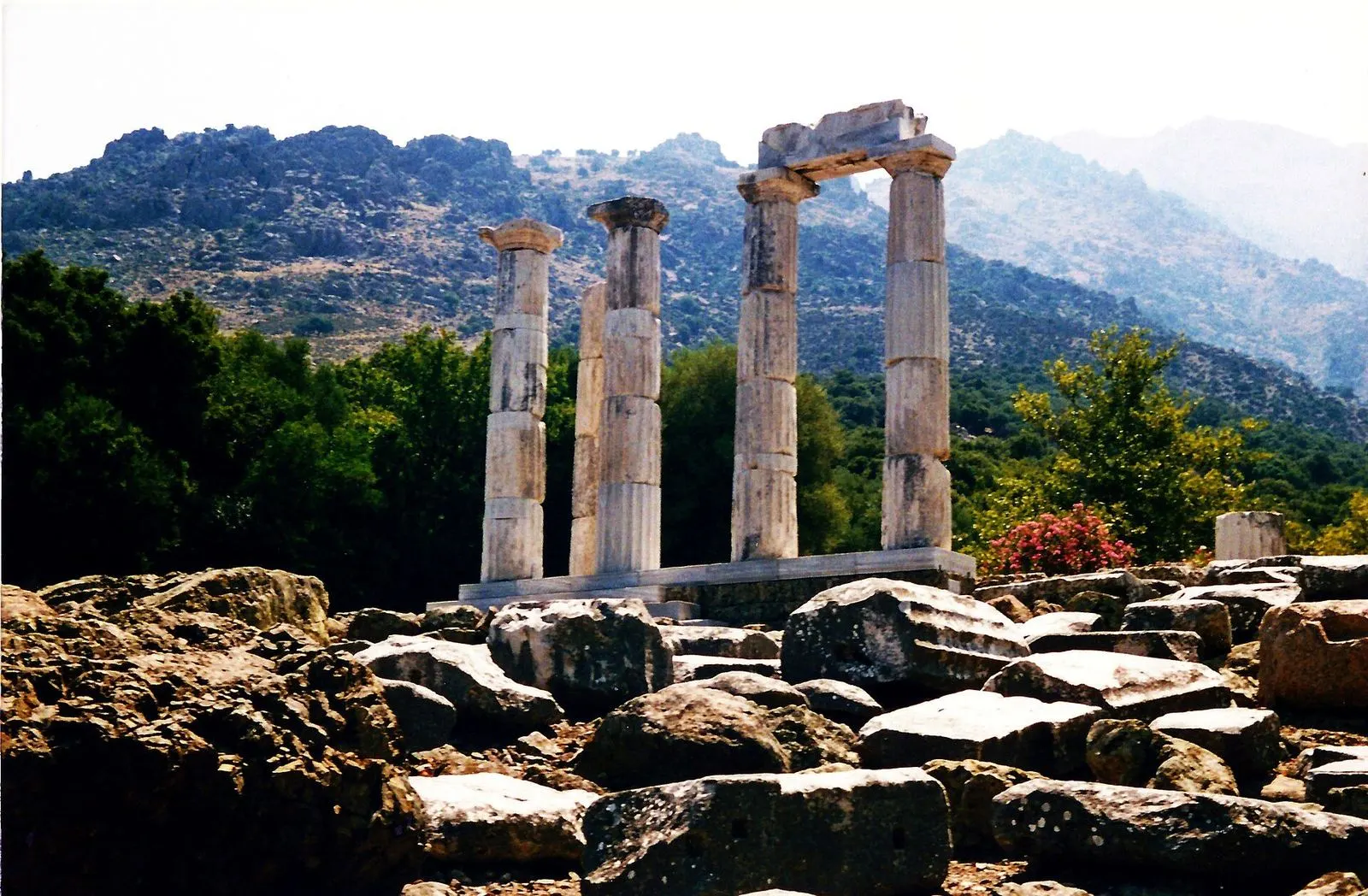
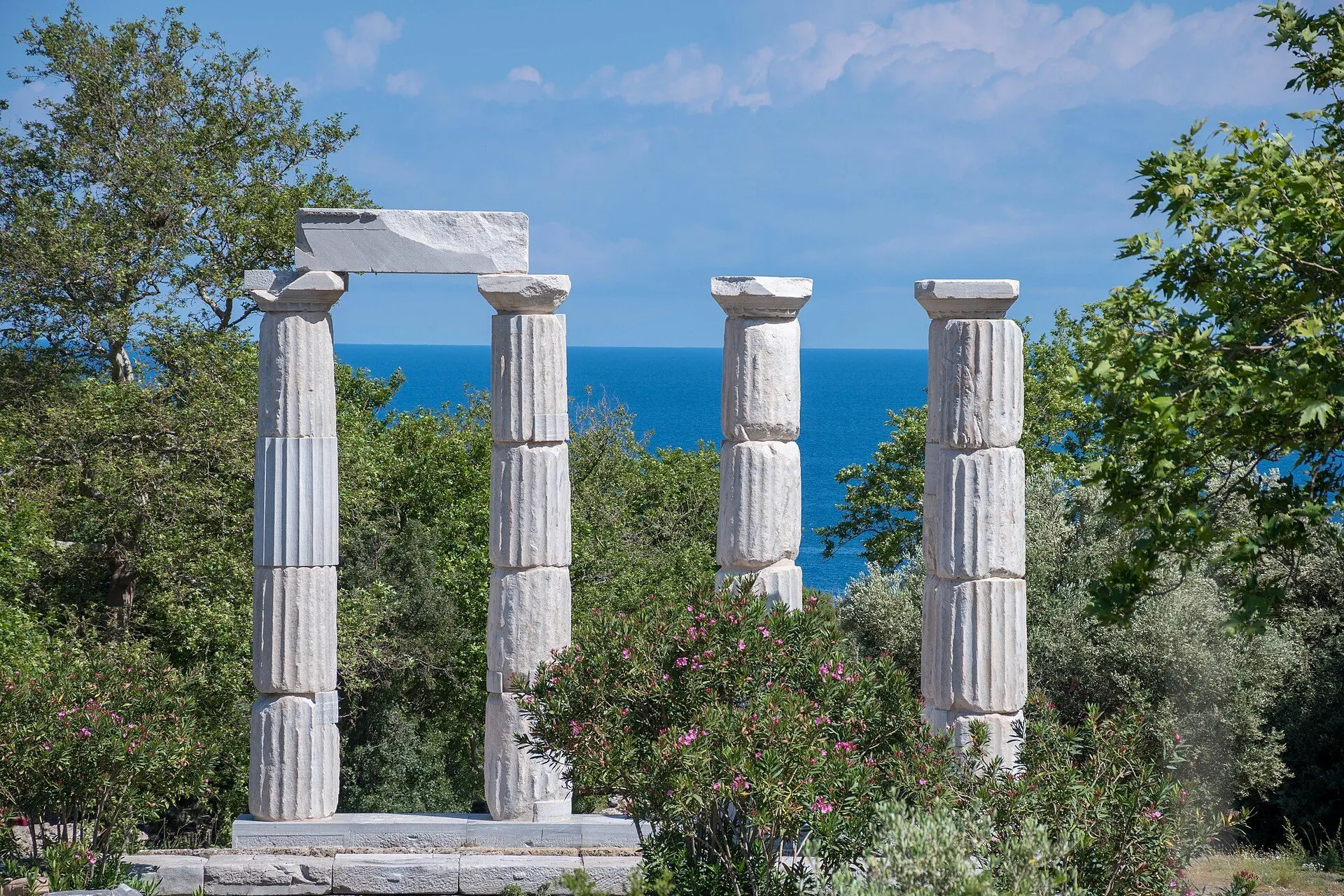
We walked into the Sanctuary at opening time and for an hour there was nobody else, only the birds, the stream and a row of white columns standing in the long grass with the mountain behind them. We found the place where the Victory once stood, high on the slope, and tried to imagine the initiates coming down the path by torchlight. In the museum we stood in front of the cast of her for a long time. Then we had fish by the sea and swam off the pebbles below the old towers.
The ancient city and the sanctuary of the Mysteries, between the mountain and the sea
Around 700 BC Greek settlers, most likely from Lesbos and the coast of Asia Minor, founded a city here on the slope between Mount Saos and the sea. They found an older population of Thracians already living on the island and worshipping their own gods, and the two came together. The city grew rich, built a wall of great stone blocks up the hillside, parts of which still stand, and kept a fleet and colonies on the mainland opposite.
In a ravine just west of the city, between two streams, lay the sanctuary. Its gods were never named in full in public: a Great Mother of the mountains, a pair of underworld gods, a young male god and the twin Kabeiroi, protectors of sailors. People came to be initiated into their Mysteries, in rites held at night, and initiation was open to almost anyone, men and women, Greeks and foreigners, free and slave. The island's old Thracian language survived in the rituals for centuries.
The sanctuary grew famous, and kings competed to adorn it. Philip II of Macedon was initiated here as a young man, and according to Plutarch it was here that he first met Olympias, the mother of Alexander the Great. Alexander's successors built some of its finest buildings, among them the great round Arsinoeion, given by Queen Arsinoe II, and in 168 BC the last king of Macedon, Perseus, fled here after his defeat by Rome. The cult lasted into the late Roman empire, and faded away with the rise of Christianity.
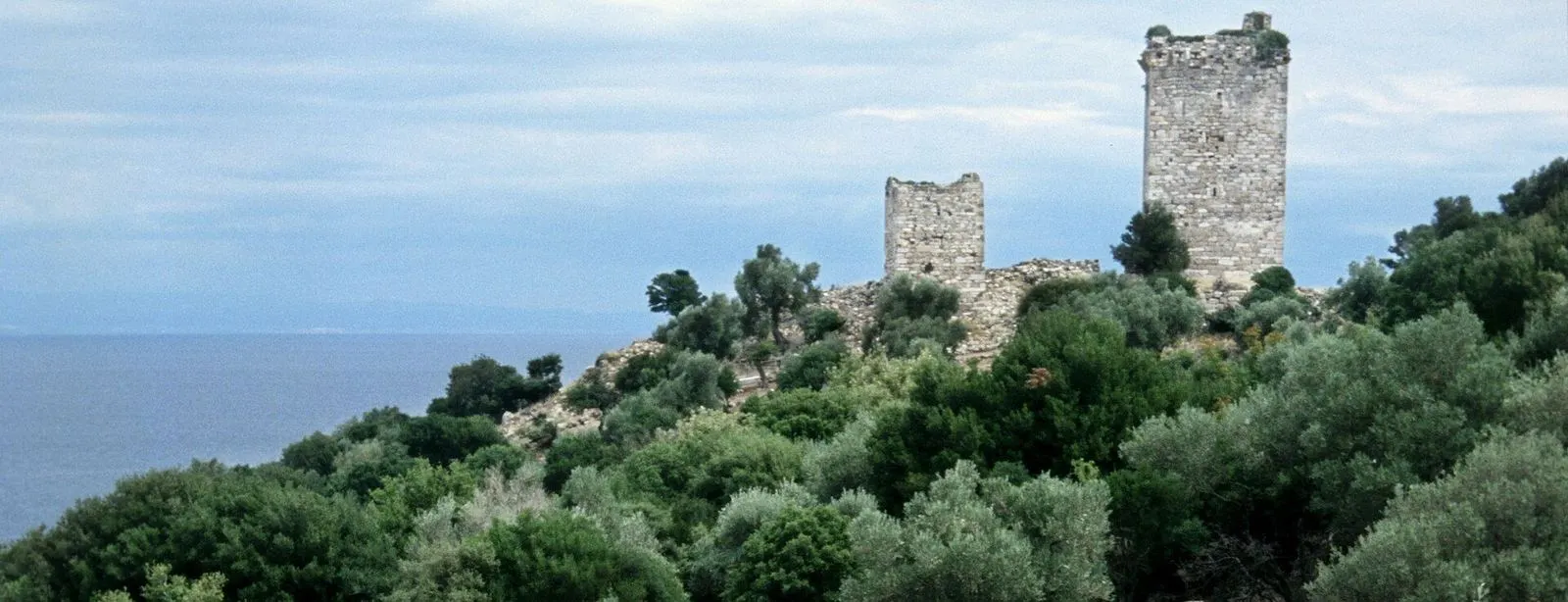
Earthquakes and the centuries brought the buildings down. In the Middle Ages the Gattilusi, the Genoese lords of Lesbos who held Samothraki in the 15th century, used the ancient stones to build towers on the hill above the old harbour, and those towers still stand. Then in 1863 a French consul, Charles Champoiseau, dug in the ruins and found the marble Winged Victory, the goddess Nike alighting on the prow of a ship. She was taken to Paris, where she stands at the top of a staircase in the Louvre.
Archaeologists have been working here ever since, and the site you walk through today owes much to the American excavations that began in the 1930s. It is a quiet, green place: columns standing among plane trees, the outline of the theatre, the niche where the Victory stood looking down on the sanctuary, and the mountain rising behind. Come early or late, when the light is low and you may have it to yourself.
Hour by hour
The Sanctuary in the morning light, the museum, a walk up to the towers and a lazy afternoon by the sea. Here is how we would spend a day here.
Walk into the site as it opens, while the air is cool and the light is soft on the columns and the mountain behind them.
Climb the slope to the niche above the theatre where the Winged Victory stood on her marble ship, looking down over the sanctuary.
See the finds from the sanctuary and the cast of the Victory in the museum at the entrance to the site.
Walk up the hill to the medieval towers built from the stones of the ancient city, with a view along the coast.
Lunch at a taverna on the shore road, with the table almost in the water.
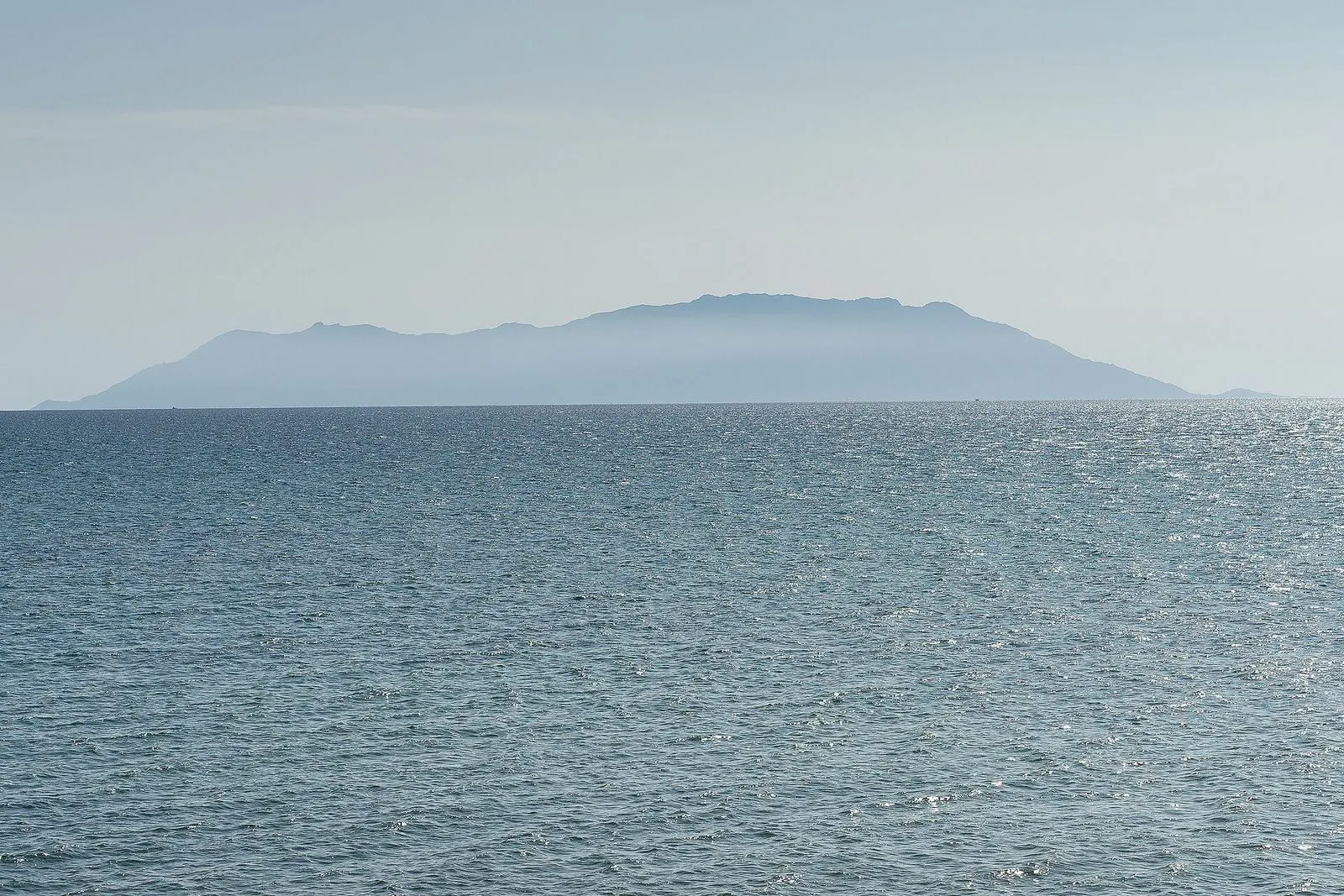
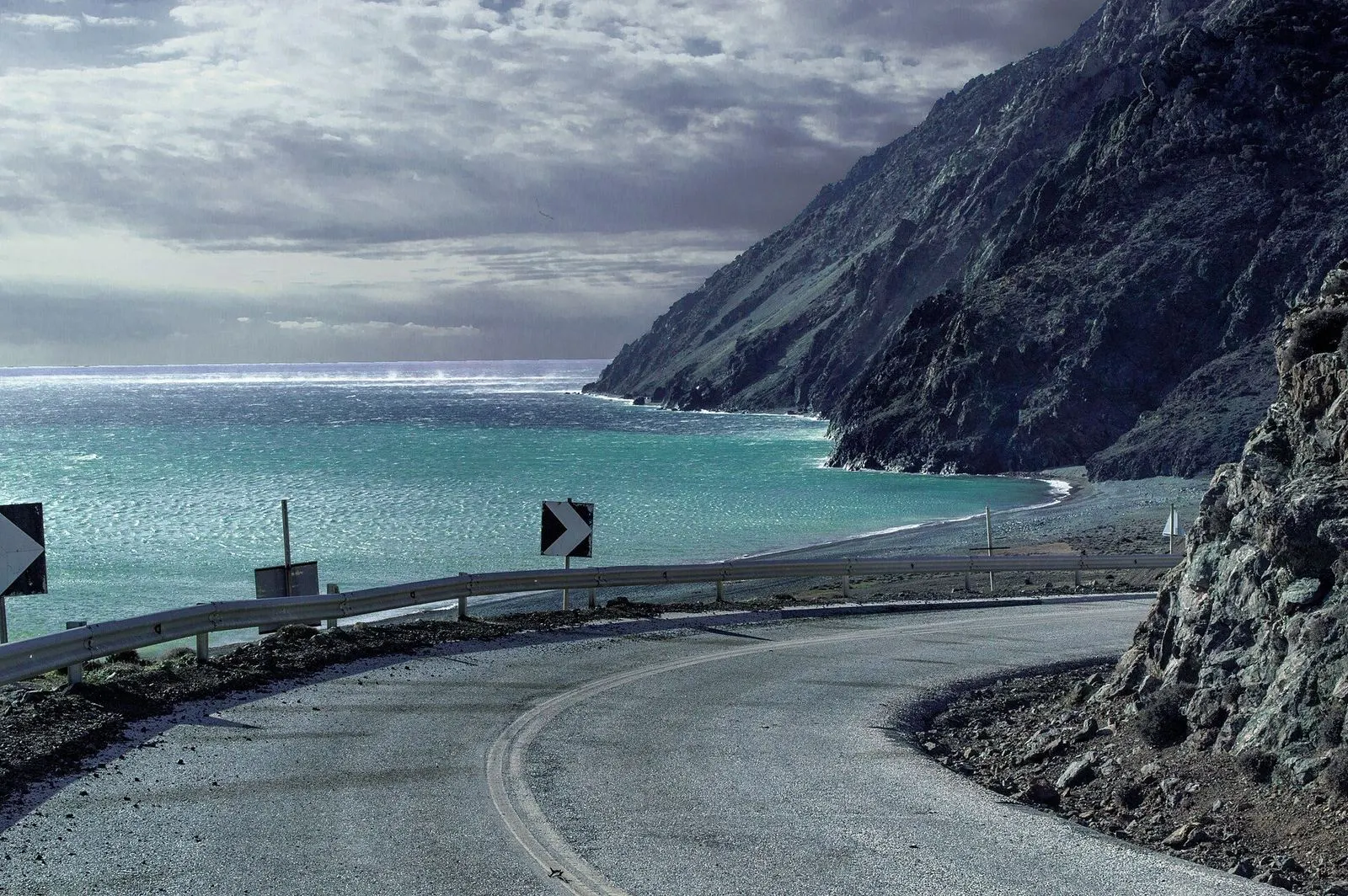
Drive a little east along the coast for a swim off the pebbles and a drink on the beach as the mountain turns pink.
Where to stay
Paleopoli
Samothraki Village Hotel · Seaside hotel · €€€
Where to eat
Paleopoli · Paleopoli & the north coast
Within an easy drive
At the entrance to the site, with the finds from the sanctuary and a full-size cast of the Winged Victory.
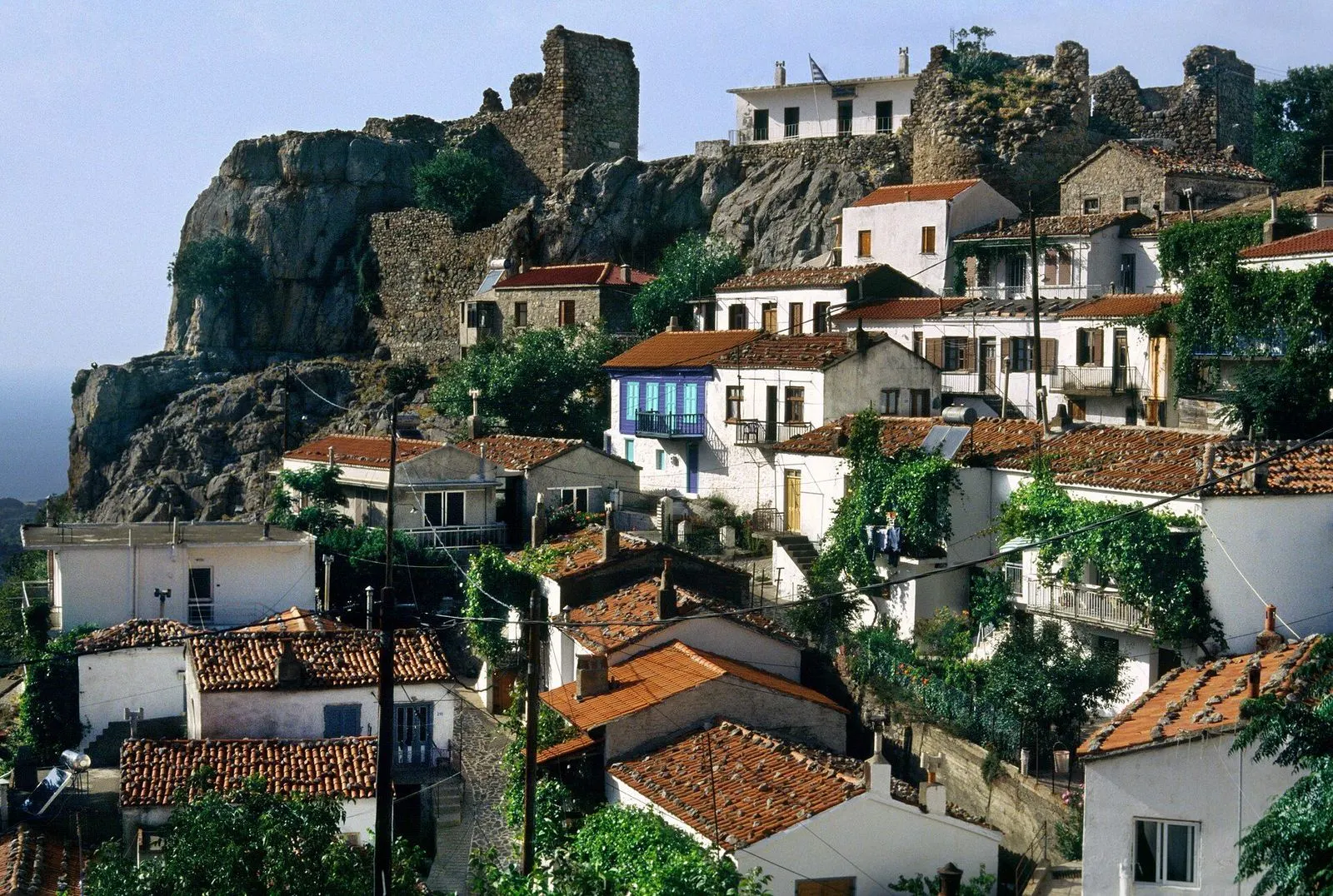
The old capital and its Genoese castle, about a quarter of an hour's drive away up in the hills.
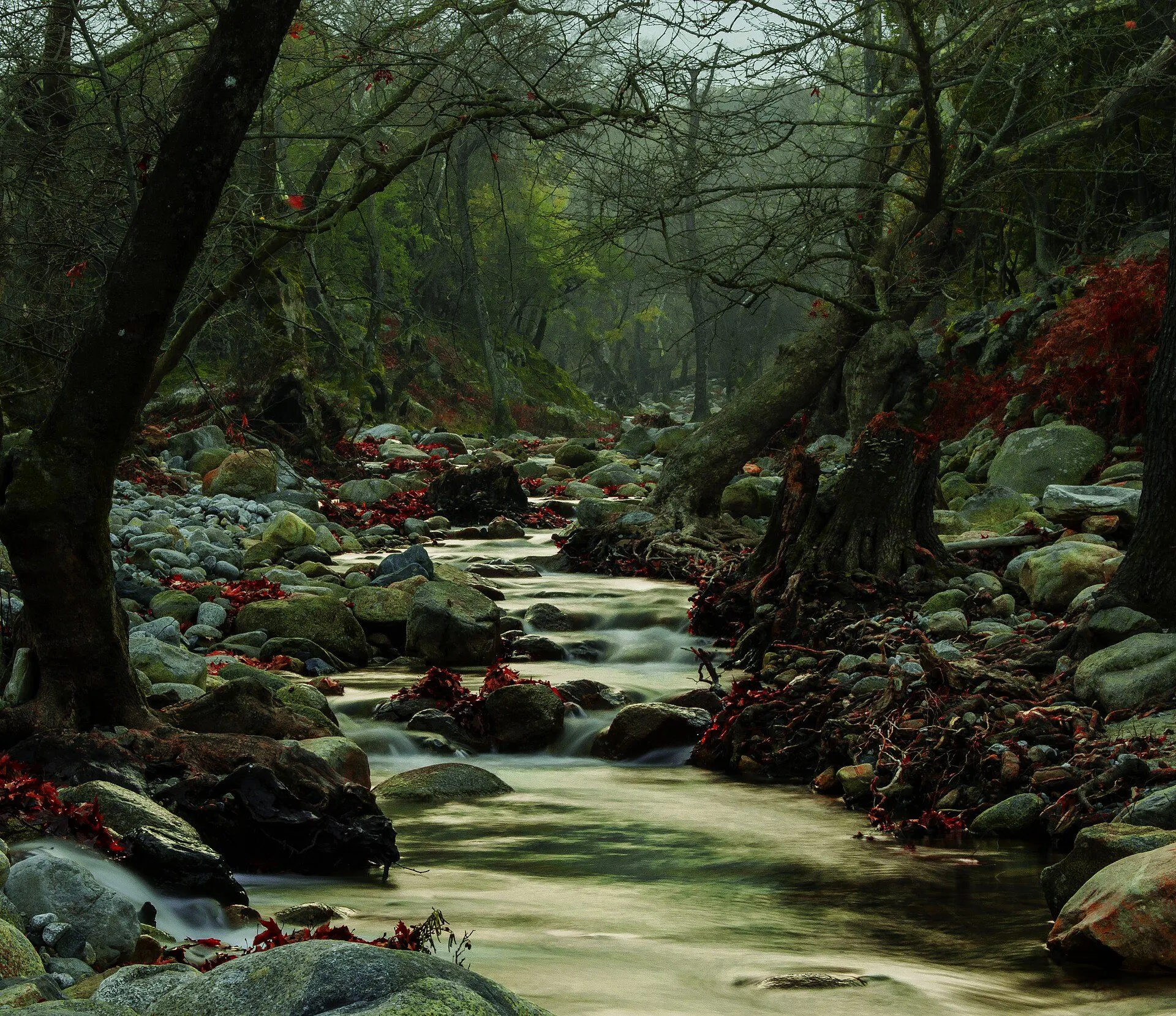
The village of hot springs and plane trees further east along the coast, with the rock pools of Gria Vathra above it.
The port, a few minutes west along the coast road, with its fish tavernas and the lighthouse at the tip of the island.
Good to know
Paleopoli is on the north-coast road, about 6 km east of Kamariotissa, ten minutes by car. The buses to Therma stop at the site. There is parking by the museum entrance.
Spring and early autumn are perfect, when the grass in the sanctuary is green and the days are mild. In summer, come at opening time or in the last hours before closing, as the site has little shade. Opening hours change with the season, so check them before you go.
More of Samothraki
Chora & the hills
The old capital, hidden in a fold of the mountain below its Genoese castle
Therma & the forest
Hot springs, plane trees and running water at the foot of the mountain
Kamariotissa & the west
The port where everyone arrives, with fish on the grill and the mountain behind
Every stay we recommend across Samothraki, from village guesthouses to rooms on the sea.
See all staysLast updated