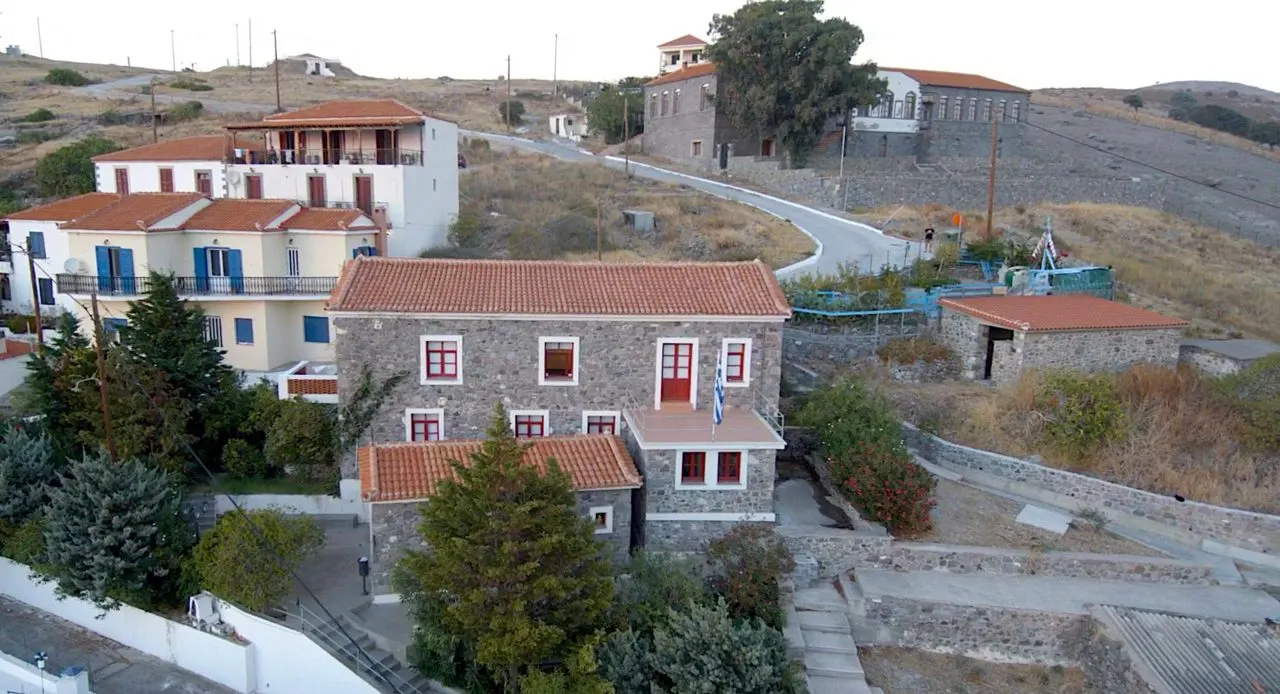
Museum of Democracy
The island's first school, used as the exiles' infirmary, damaged in 1968 and restored by the Ministry of Culture as a museum of exile, opened in 2007.
Agios Efstratios · History
An island said to have risen from the sea, an exiled saint, centuries as the property of a monastery on Mount Athos, union with Greece in 1912, thirty years as a prison for ideas, and an earthquake that ended the old village.
Timeline
Antiquity
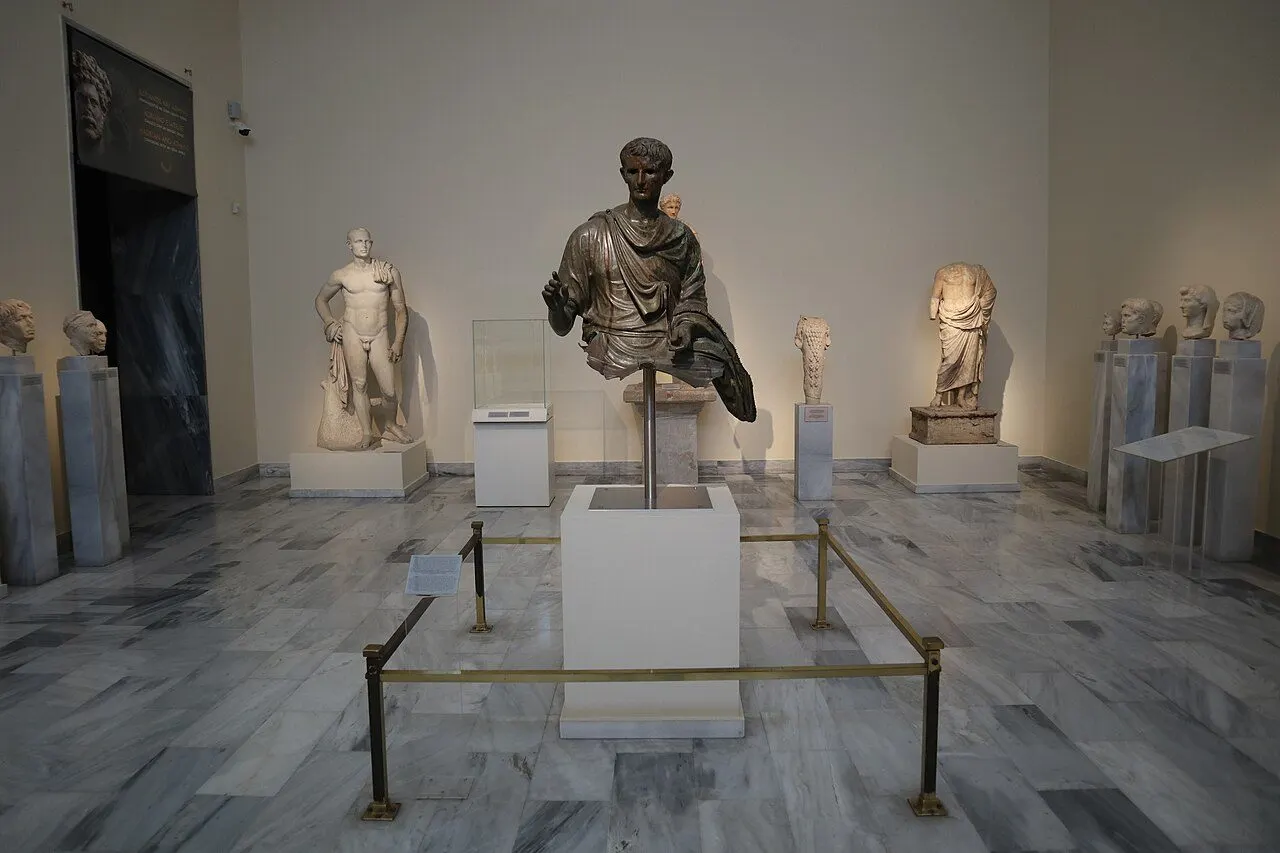
In antiquity the island was probably Halonnesos, from hals, 'salt' or 'sea', and nisos, 'island', though Alonissos in the Sporades claims the name too. Pausanias tells of an island called Nea, 'the new one', which appeared from the sea near Lemnos when the island of Chryse sank. Under the demolished church of the old village lie the remains of an ancient temple. In the sea between Euboea and Agios Efstratios a bronze statue was found of the emperor Augustus on horseback, now in the National Archaeological Museum in Athens.
9th–15th century
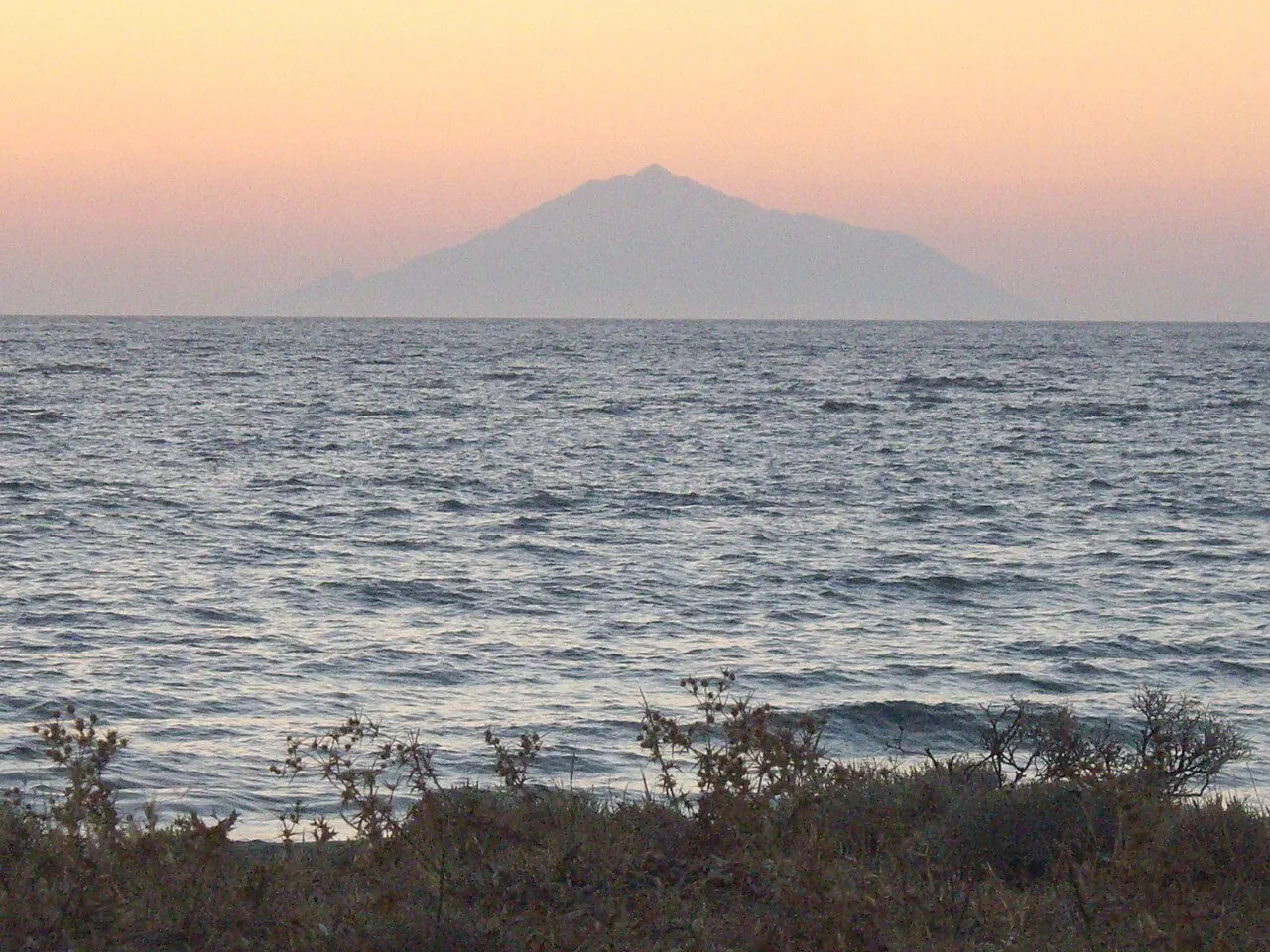
In the 9th century Eustratios, an abbot from Bithynia, was exiled here under the emperor Leo V the Armenian for defending icons, and gave the island its name. In 1021 the emperor Basil II gave most of it to the Great Lavra, the oldest monastery of Mount Athos, and much of its land still belongs to Athonite monasteries. Mount Athos can be seen across the sea on a clear evening. In 1420 the traveller Buondelmonti drew it on his map of the islands as 'Sanstrati'.
16th century–1912
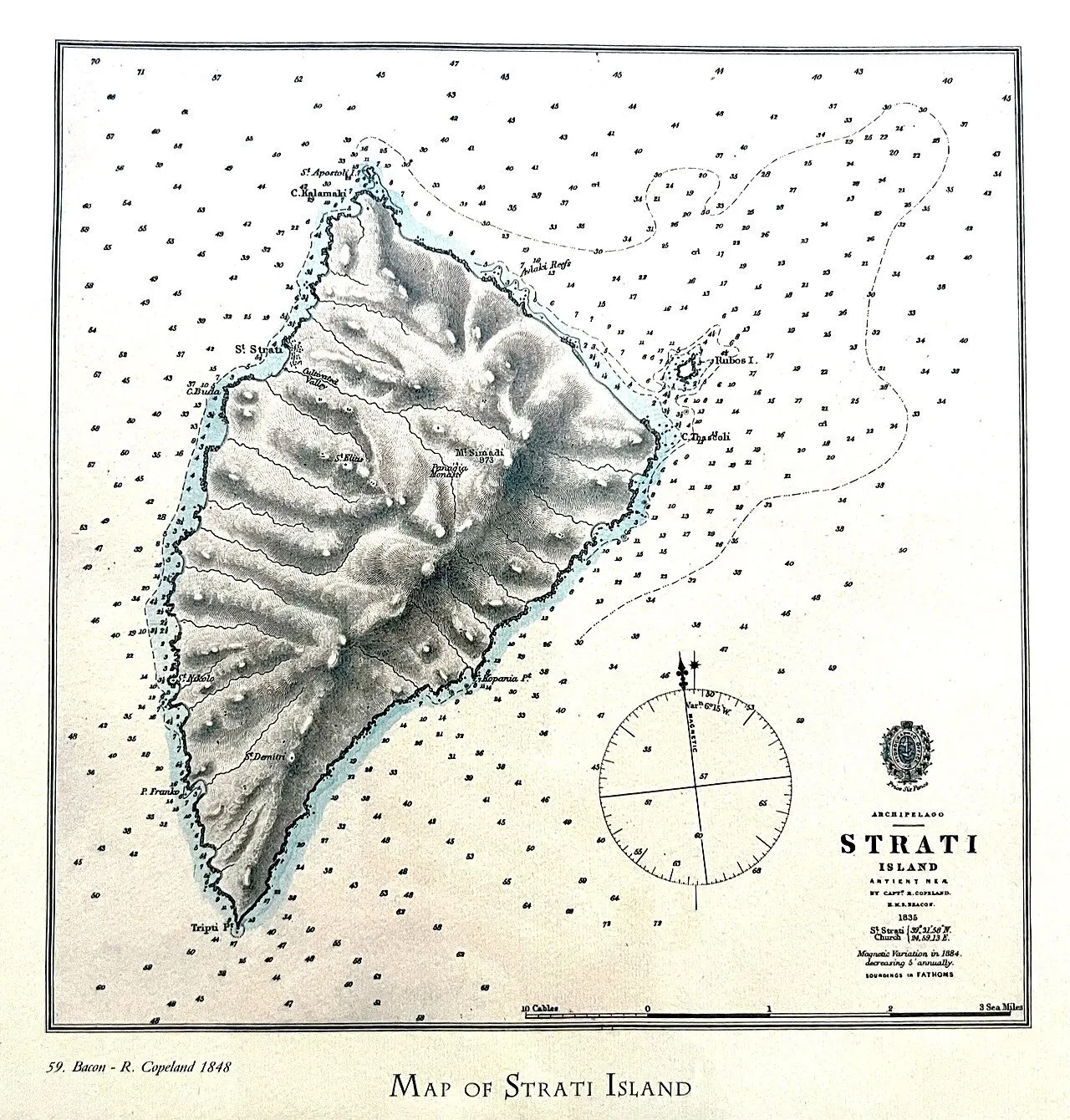
After about two centuries empty, the island was settled again in the 16th century. The Ottomans called it Bozbaba. Its people lived from their flocks and from the acorns of the oak woods. Rigas Feraios marked it on his great map of 1797 as Nea Agios Efstratios, and British naval surveyors charted it as St Strati in 1848.
1912–1914
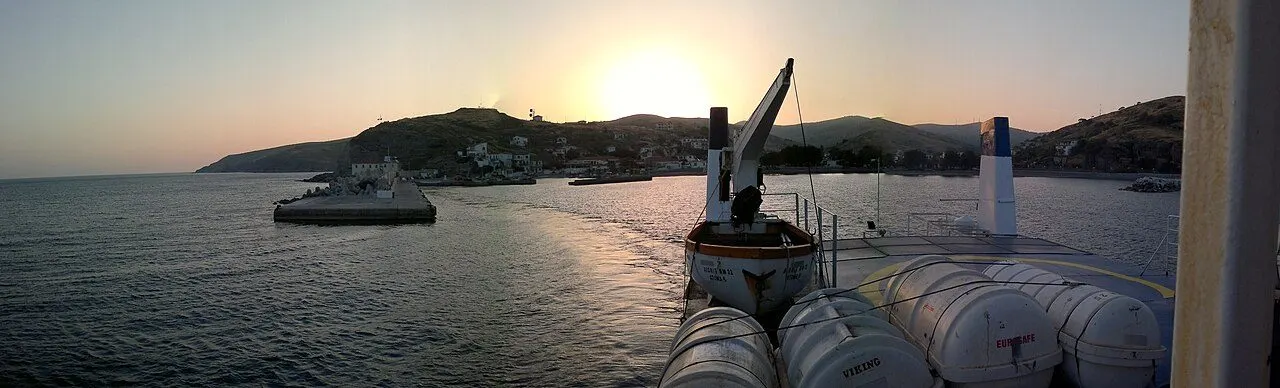
On the morning of 18 October 1912, in the First Balkan War, the Greek warship Kanaris took the island without a fight, and Greek rule was recognised on 31 January 1914. The island still celebrates the anniversary every October.
1929–1962
The first communists were sent here in 1929 under Venizelos's Idionymon law, and many more under the Metaxas dictatorship. In April 1941 gendarmes fired on the exiles, killing three, and under the German occupation 33 exiles died of hunger. The camp reopened in 1947 as the 'Camp for the Disciplined Living of Deportees', and after Makronisos closed it was the largest in Greece: about 9,000 people passed through before it closed in 1962. Among them were the educator Dimitris Glinos, the poets Kostas Varnalis, Yiannis Ritsos and Tasos Leivaditis, the writers Menelaos Loudemis and Themos Kornaros, the actor Manos Katrakis and the general Stefanos Sarafis.
1968 to today
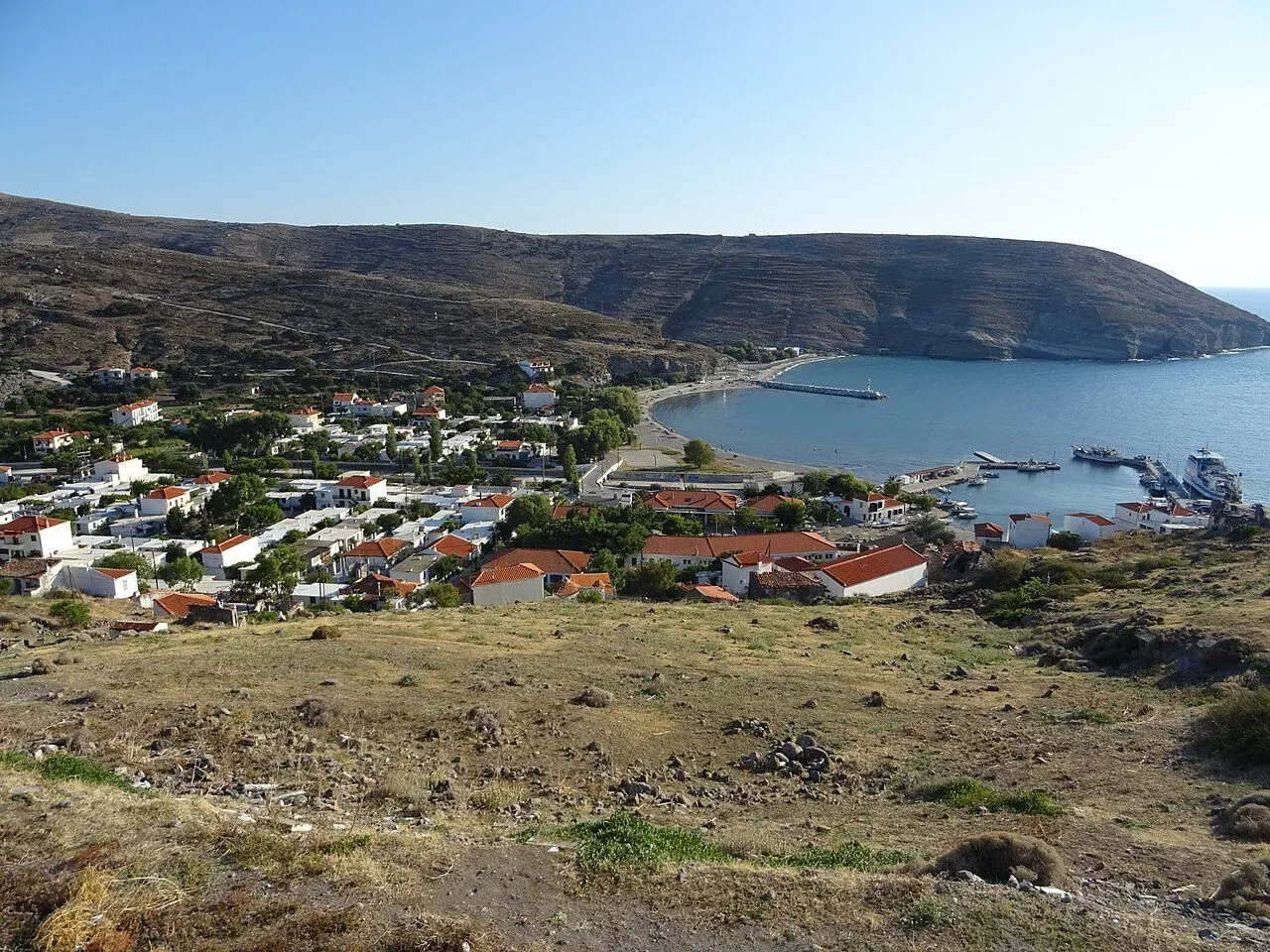
On the night of 19 to 20 February 1968 an earthquake of about magnitude 7.1 struck under the sea nearby. Some twenty people died, a small tsunami hit the coast, and 175 houses fell. The junta, in power since 1967, declared the old village unfit to live in and built a new one in the valley. The Museum of Democracy opened in the old school in 2007, and in 2021 the island had 257 people.
Visit
The island's first school, used as the exiles' infirmary, damaged in 1968 and restored by the Ministry of Culture as a museum of exile, opened in 2007.
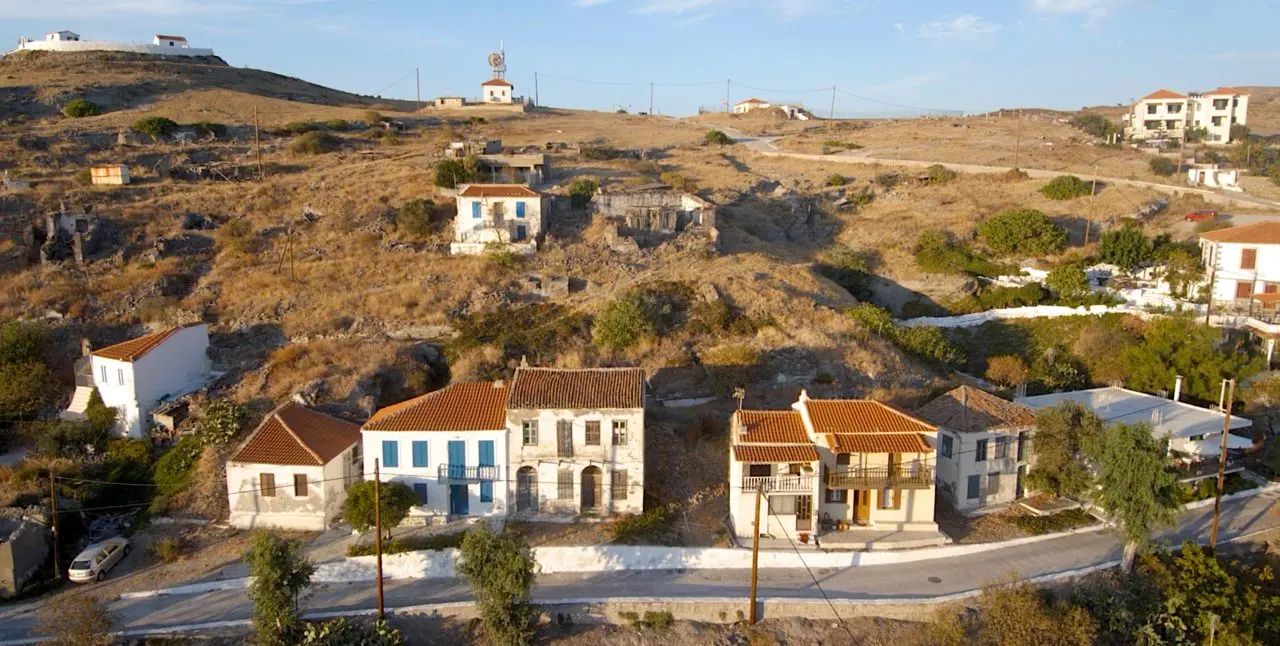
The stone houses on the hill above the harbour that survived the 1968 earthquake and the demolitions that followed.
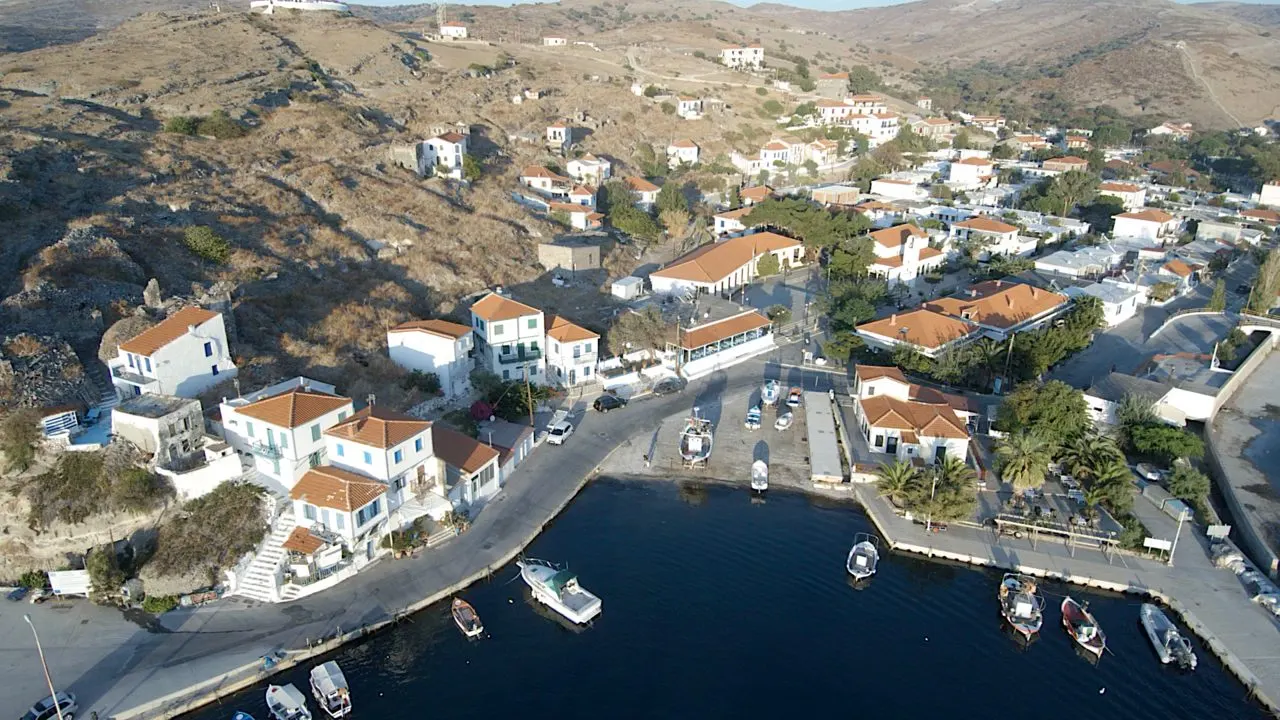
The site of the church of the Five Martyrs and Agios Efstratios, demolished after the earthquake. Below it were found the column bases, an altar of two Corinthian capitals and mosaic traces of an ancient temple, so it has not been rebuilt.
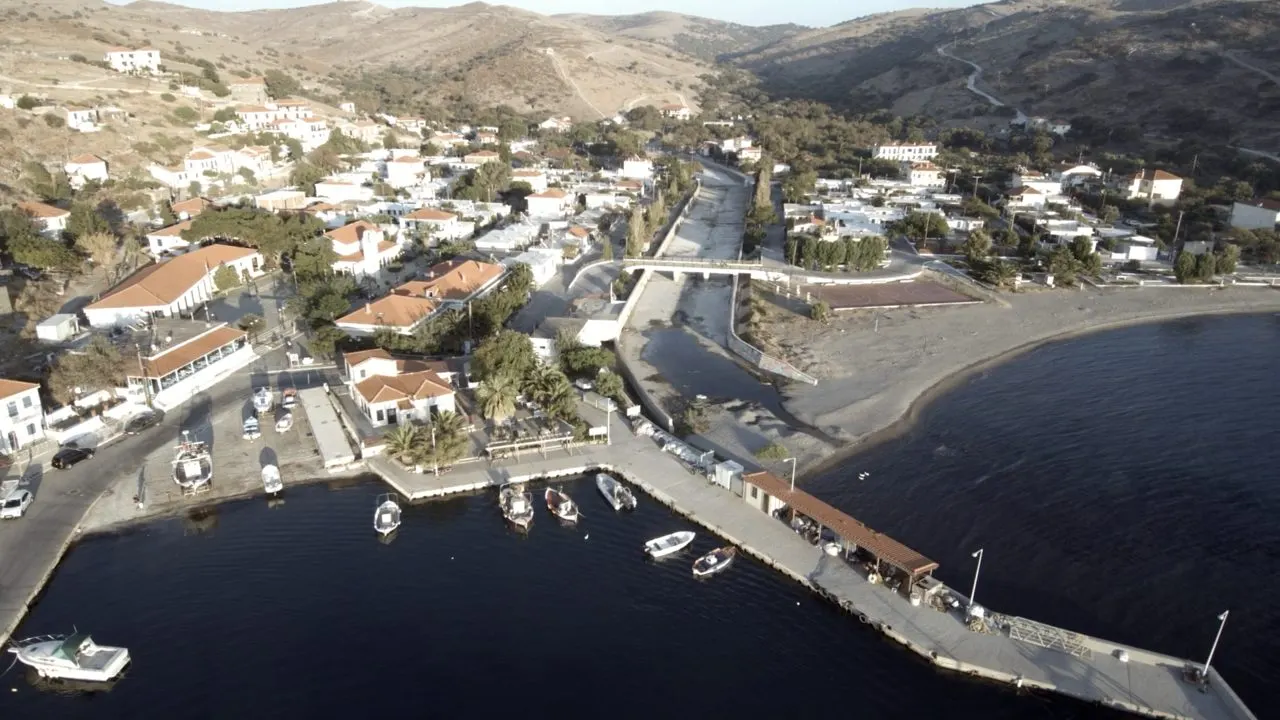
The village school paid for by the Brotherhood of Agiostratites in Egypt with a gift from the benefactor Grigorios Maraslis. It taught the children of the island from 1912 to 1968 and is being restored.
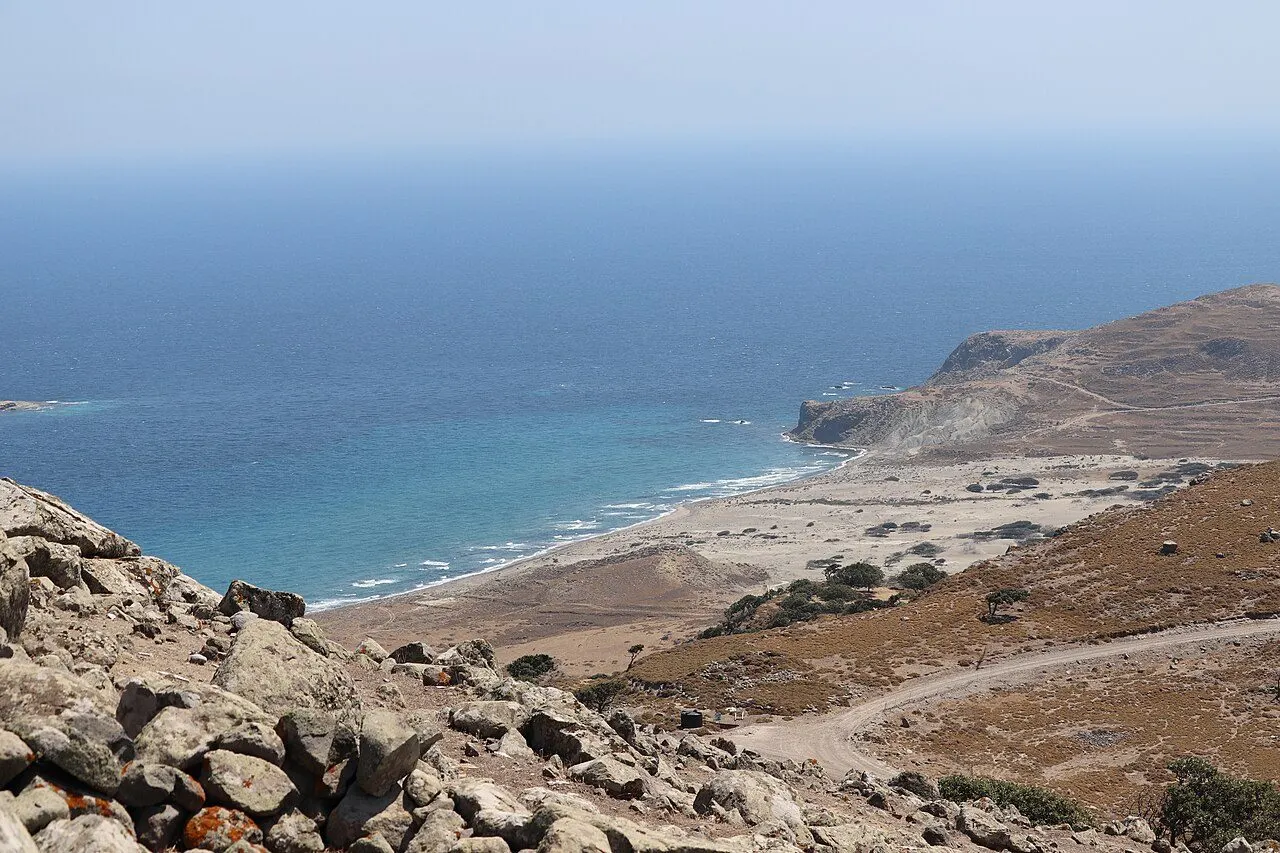
The cave at Alonitsi where the exiled saint is said to have lived, damaged in the earthquake of 1968 and not open to visitors.
Visit the museums that hold Agios Efstratios's finest finds.
Explore museumsLast updated