Culture
Read the story of the exiles
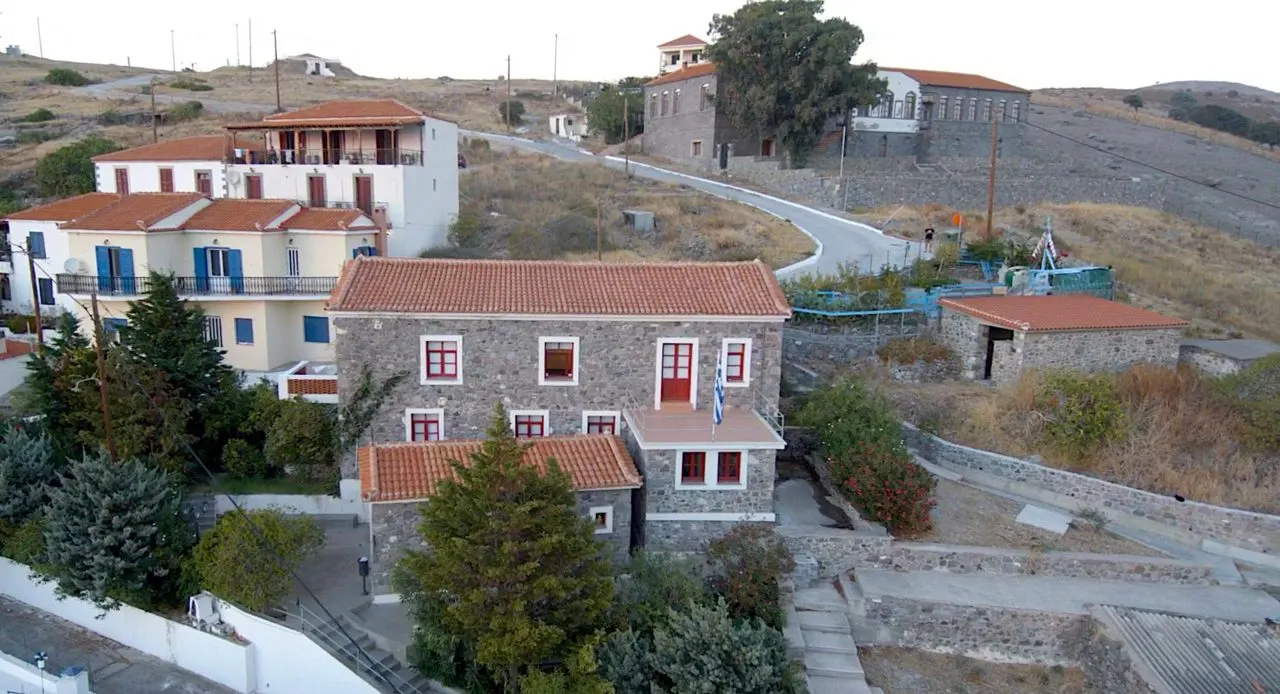
Spend a morning in the old school where the exiles had their infirmary, and learn how Ritsos, Varnalis and thousands of others lived on the island.
Museum of Democracy, the village
Agios Efstratios · Things to do
Beaches, trails, festivals, food and wine: the experiences that make this island its own.
Experiences
Ideas for every kind of day, from a lazy swim to a full-day hike.
Culture
Spend a morning in the old school where the exiles had their infirmary, and learn how Ritsos, Varnalis and thousands of others lived on the island.
Museum of Democracy, the village
Culture
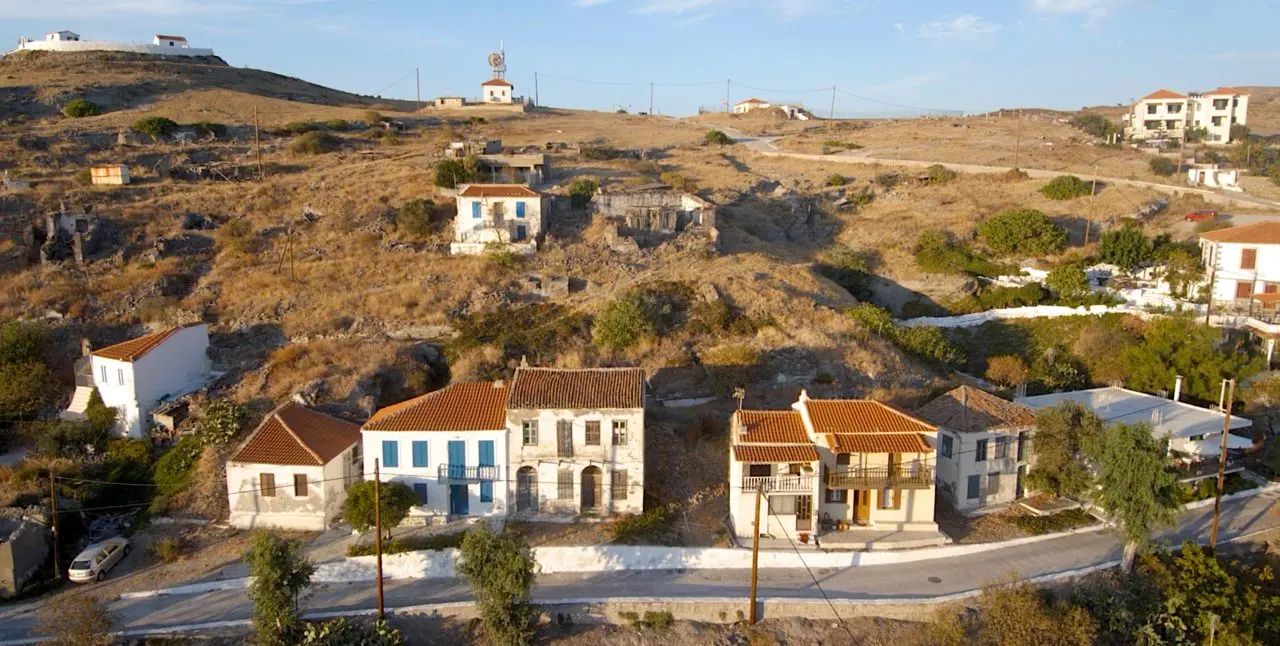
Climb through the ruins and the surviving stone houses of the village destroyed in 1968, for the view over the bay.
The hill above the harbour
Beach
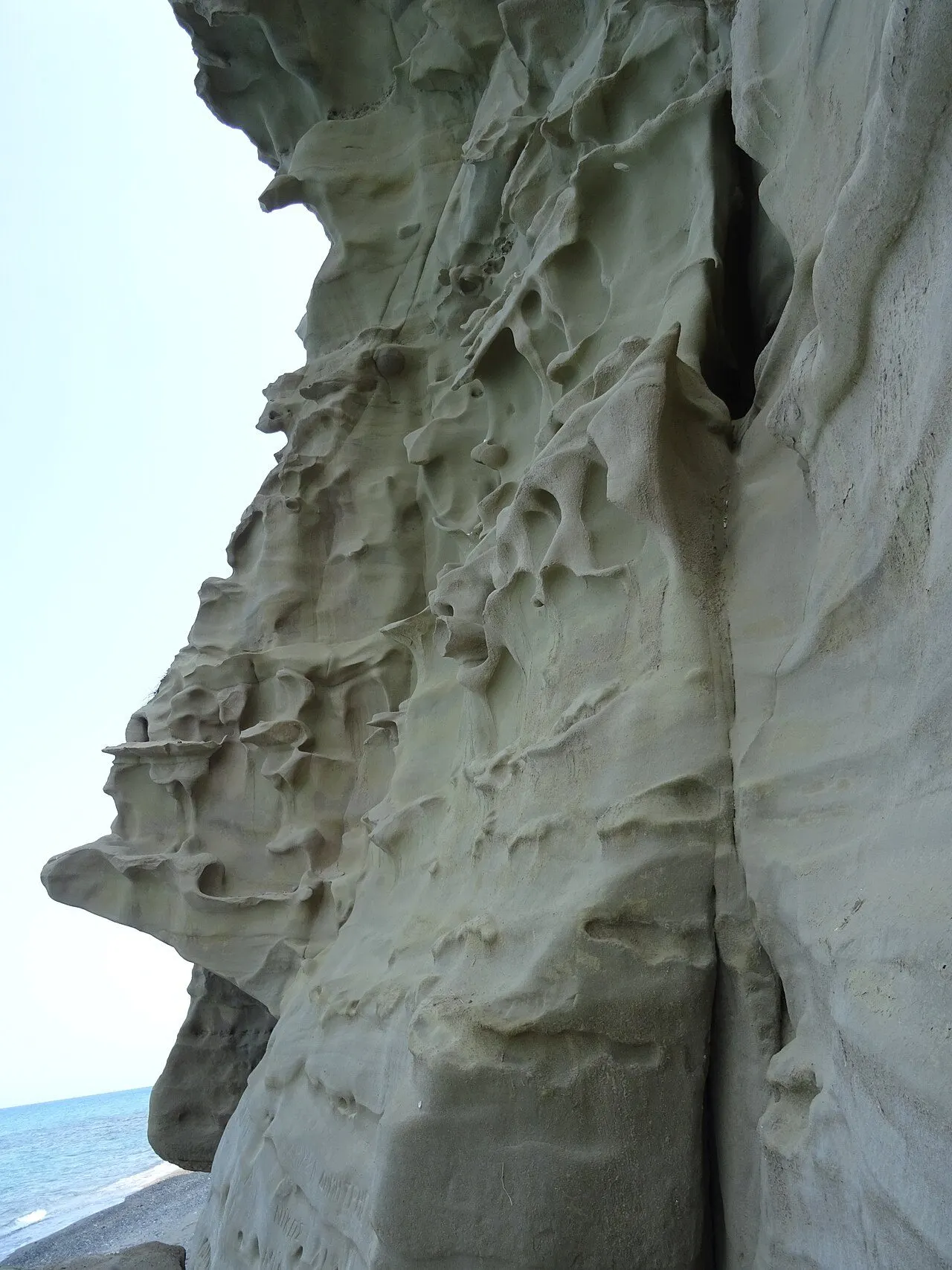
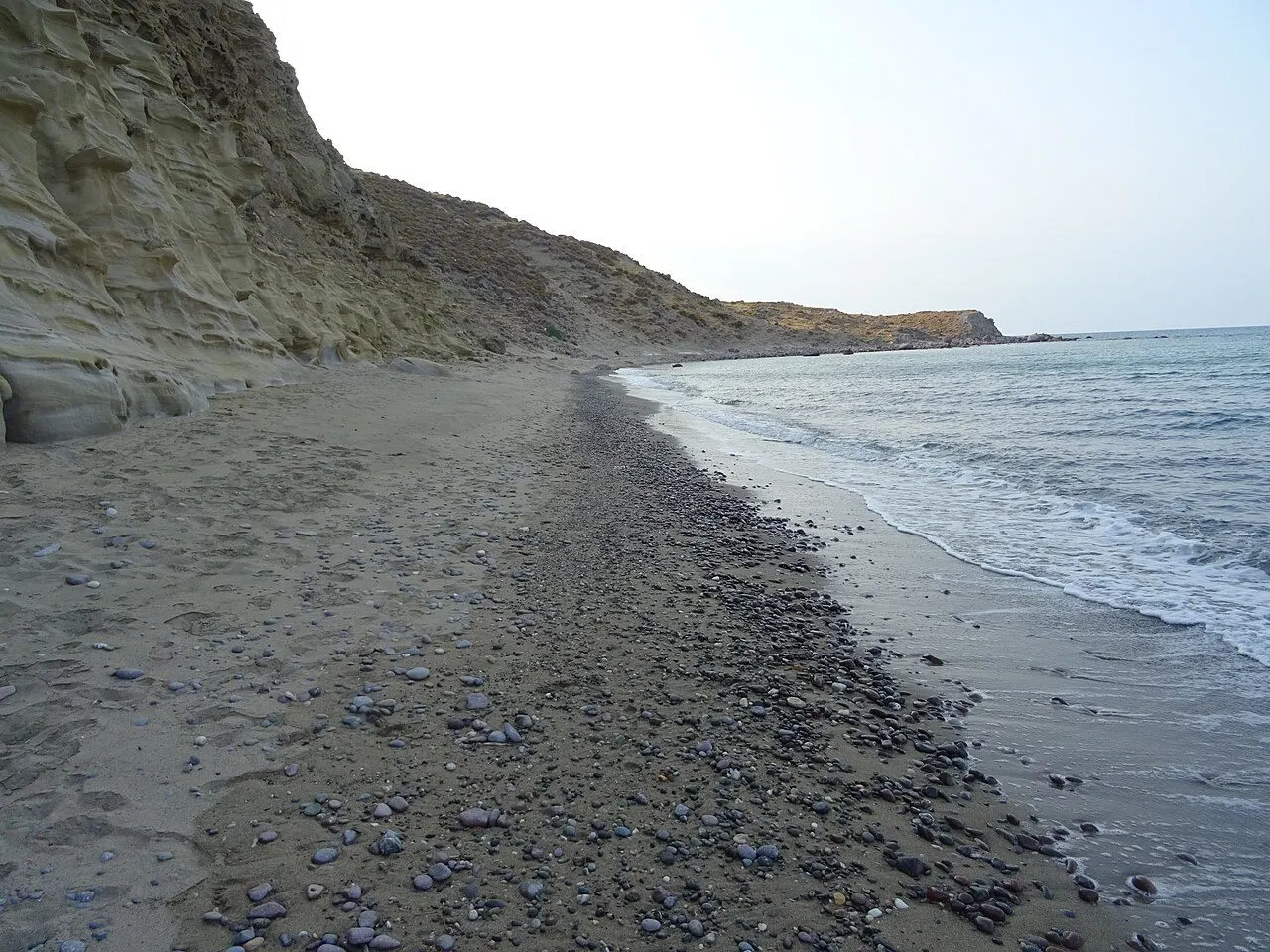
Cross the island to two kilometres of sand and pebbles facing Lemnos, under cliffs the wind has carved into honeycombs.
Alonitsi, east coast
Nature
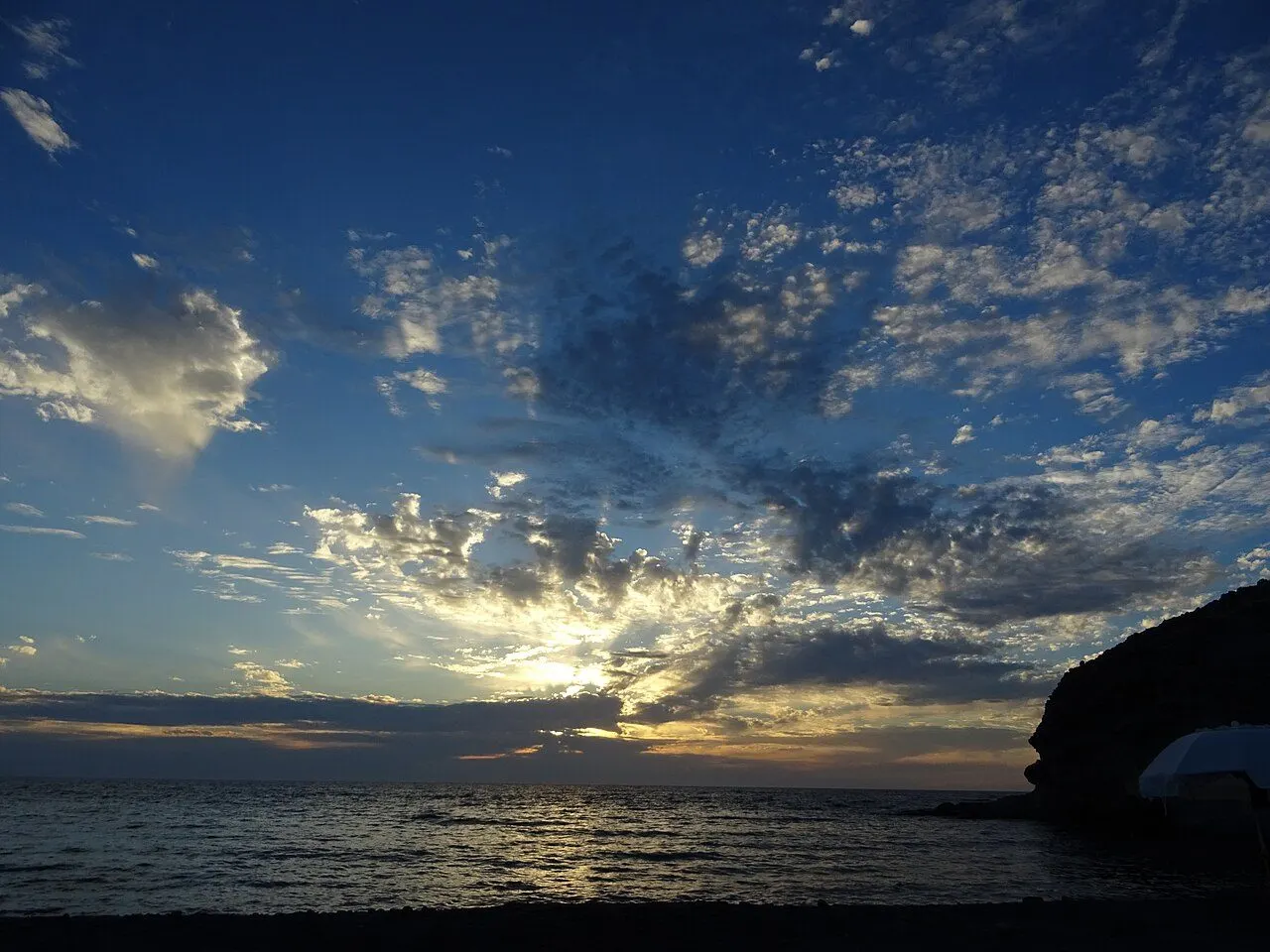
Watch the sun go down from a wild beach of black volcanic pebbles where sea lilies flower in the sand in late summer.
Agios Dimitrios
Hike
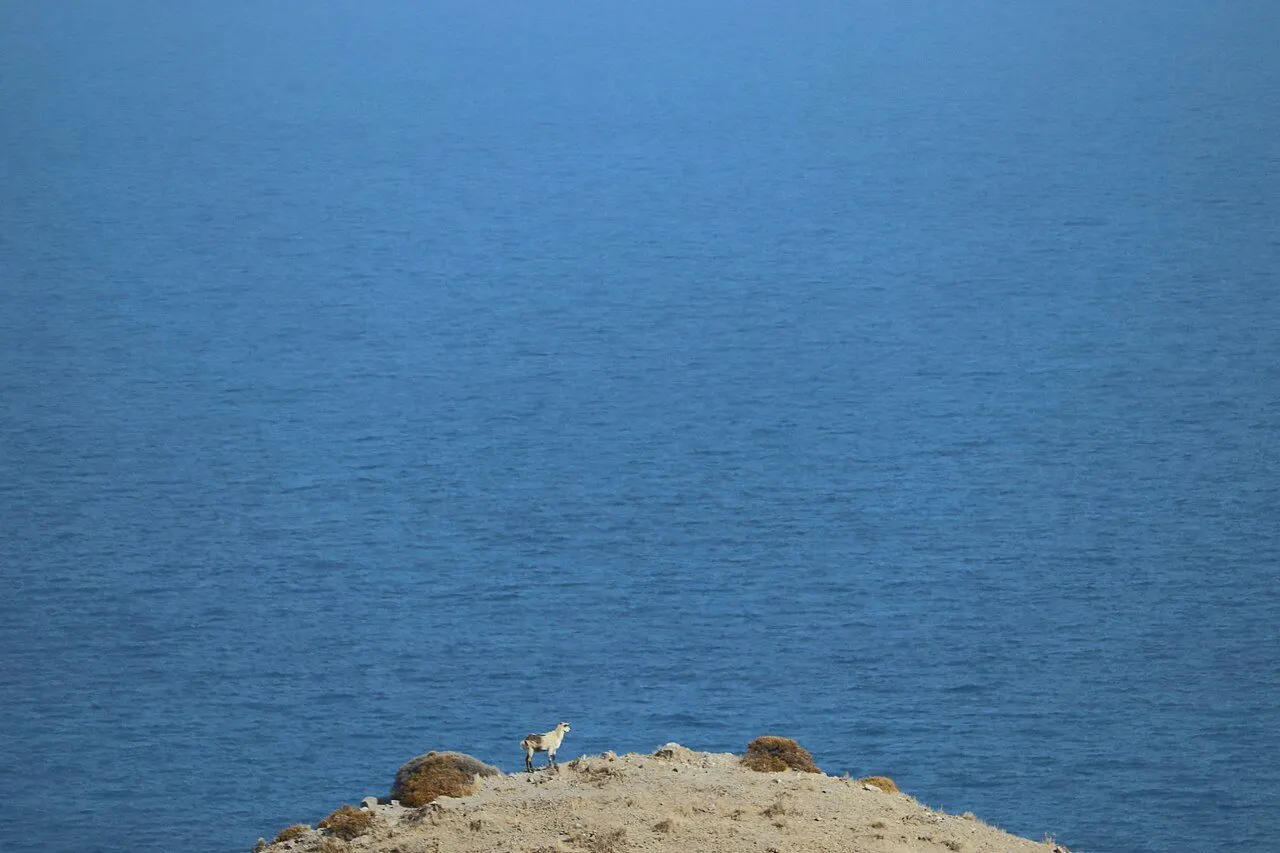
Walk the old paths over the volcanic hills, past stone walls, ponds and grazing goats, to Lidario or the oak woods. They are not waymarked, so take a map, water and a hat.
Across the island
Beach
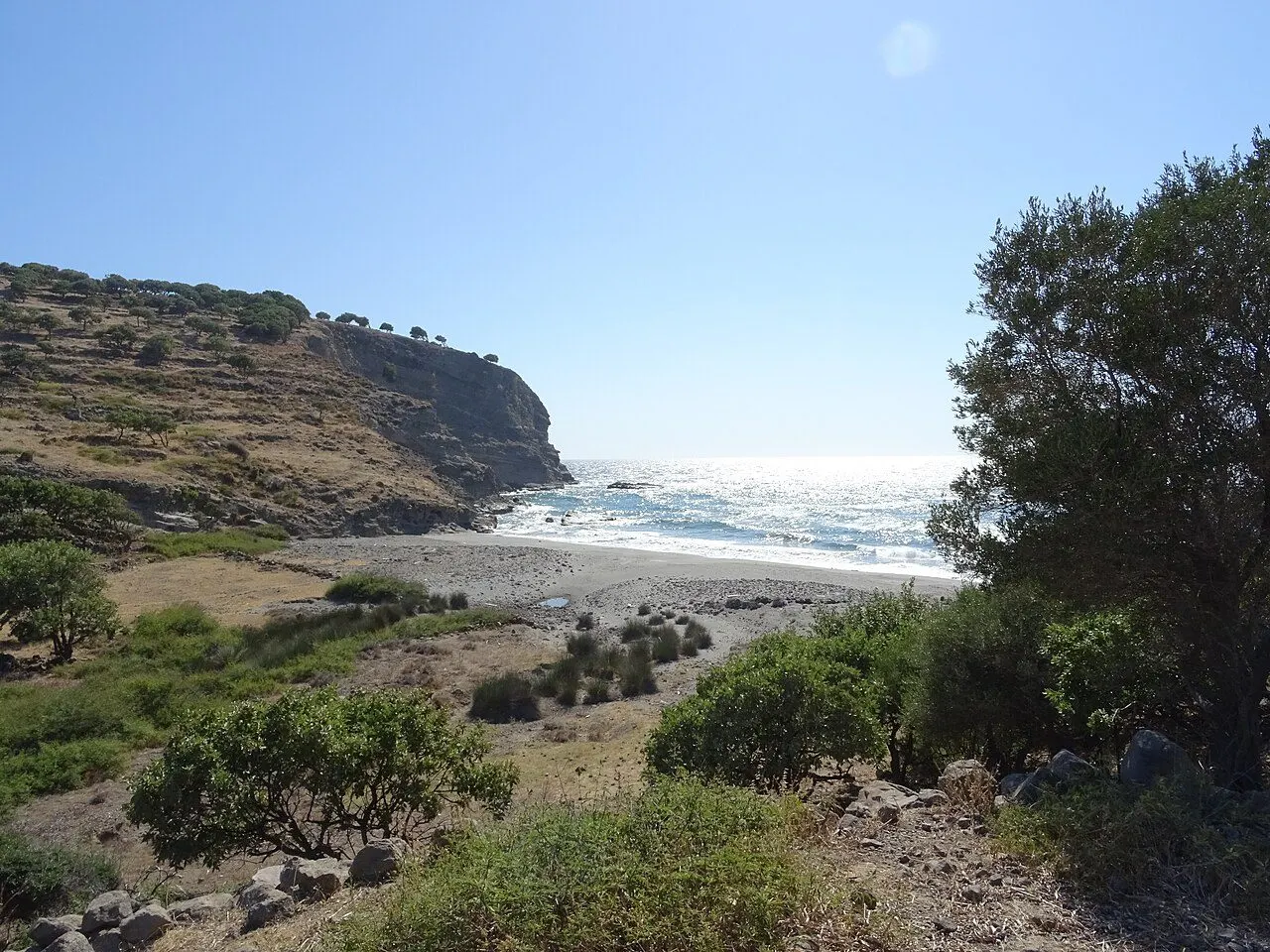
Ask the fishermen on the quay to take you along the coast to beaches with no road, such as Gournia and Neraki, past sea caves and cliffs.
From the harbour
Food & wine
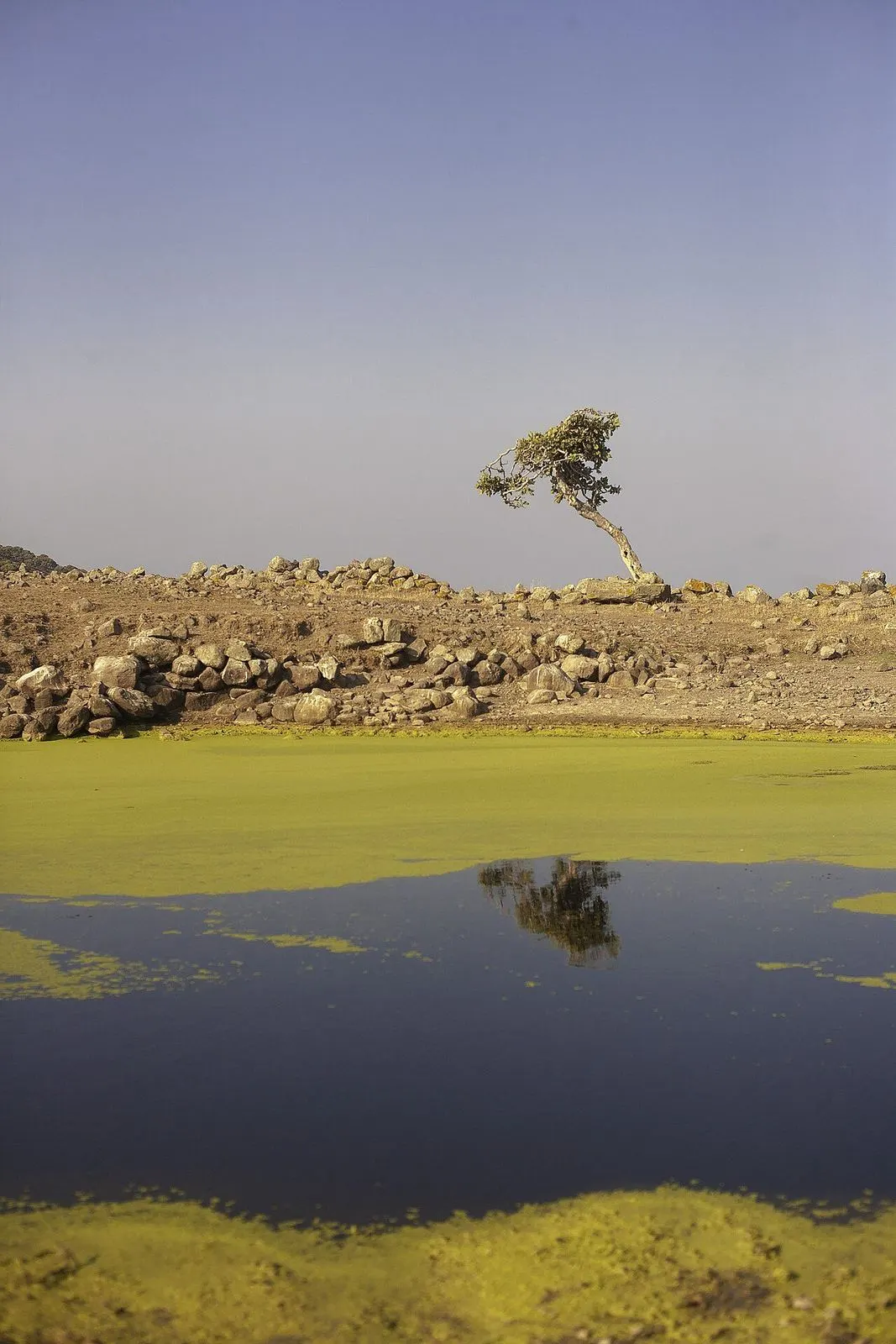
Sheep are the island's main produce, grazing on salt-blown pasture: try the lamb and ewe, kefalotyri and the brine cheese the islanders call salamoura.
The tavernas of the village
Festival
On the eve of the feast of the Dormition, vespers are held under an ancient oak by the little stone chapel of Mikri Panagia, and families bring baskets with five loaves of holy bread, five candles and oil.
Mikri Panagia, eve of 15 August
Only on Ai Stratis
What makes Ai Stratis different from every other Greek island.
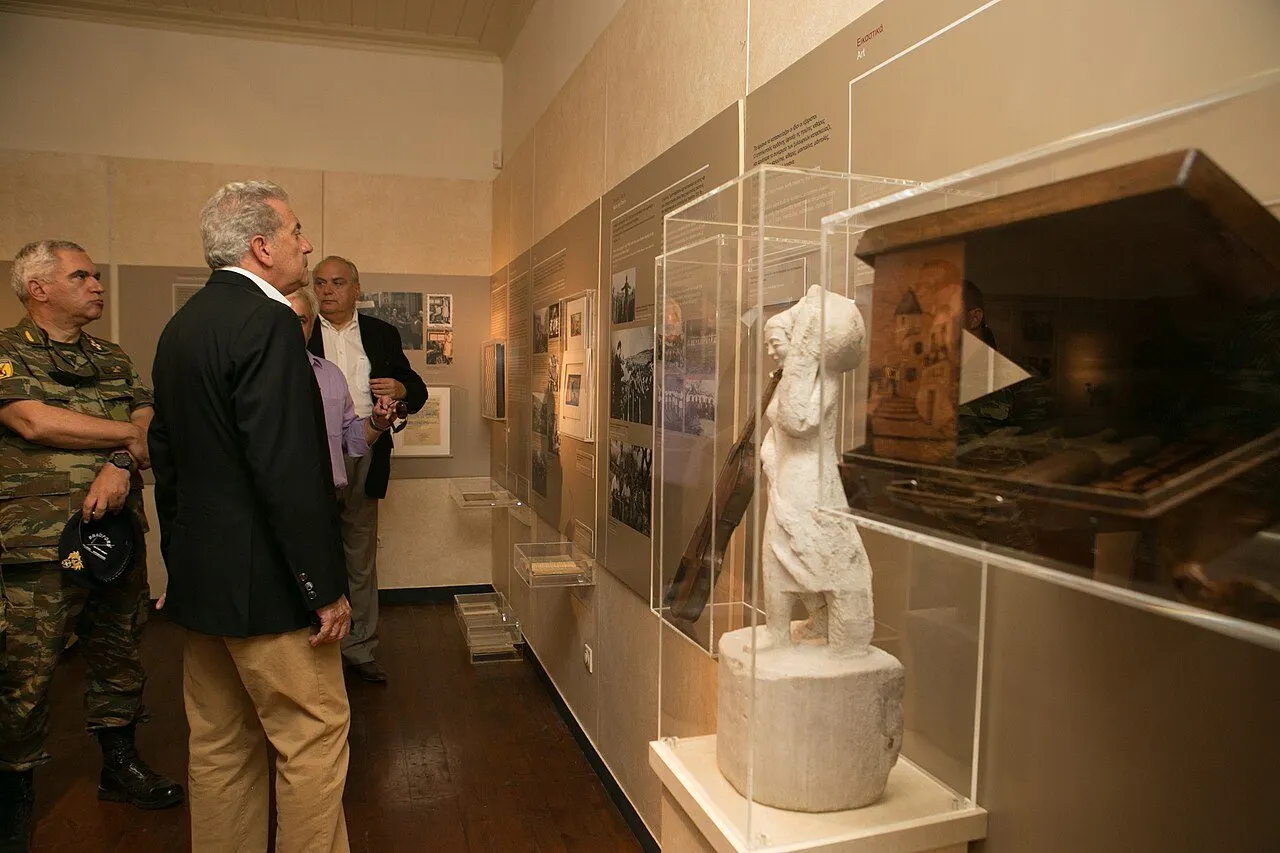
From 1929, under Venizelos, and again from 1947 to 1962, the Greek state sent its political opponents here: about 9,000 people passed through the camp from 1947 to 1962 alone. Ritsos wrote here, and carried his poems away in the false bottom of a suitcase; Katrakis brought Ritsos's earlier manuscripts, buried in bottles, from the camp on Makronisos. The island's first school, their infirmary, is now the Museum of Democracy.
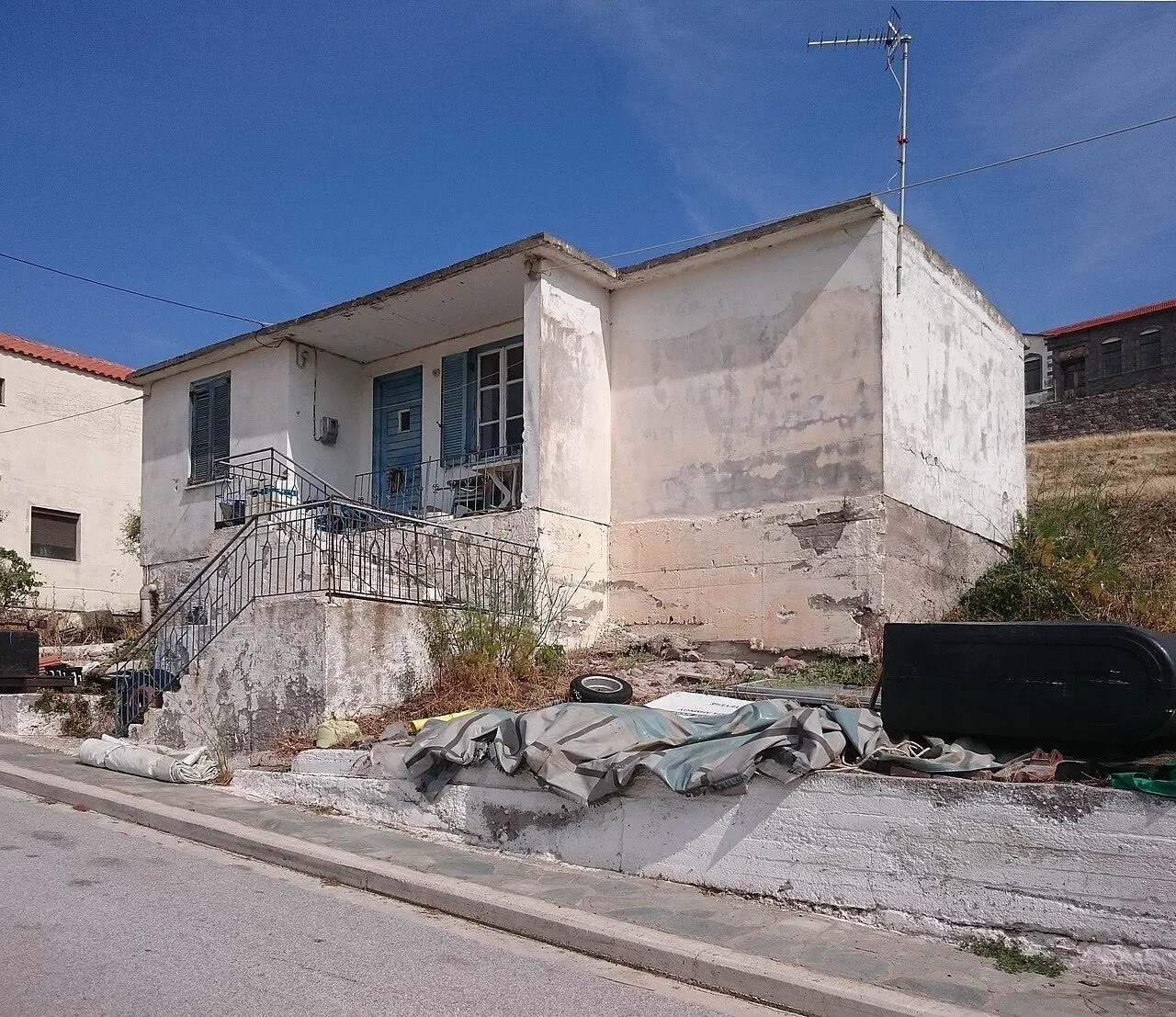
After the earthquake of February 1968 the junta declared the old stone village on the hill unfit to live in and built a new one in the valley, of concrete prefabricated houses in straight rows. The few old houses that survived still look down on it from above the harbour.
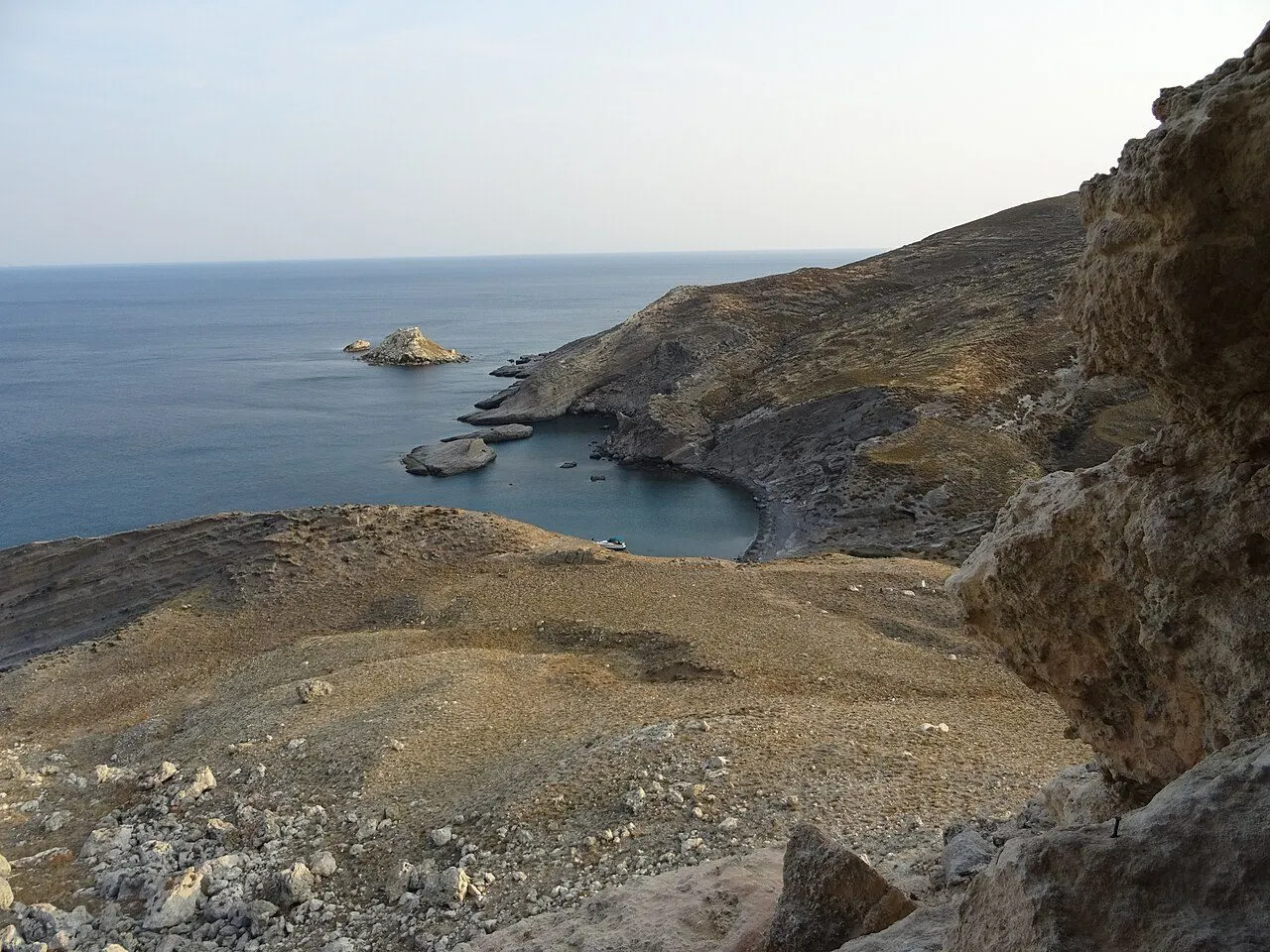
The island is named after Saint Eustratios, an abbot from Bithynia exiled in the 9th century, during the quarrel over icons. The story goes that he was put ashore here because he was seasick, and lived in a cave at Alonitsi. Long before him, Pausanias wrote of an island called Nea, 'the new one', that rose from the sea when another island sank.
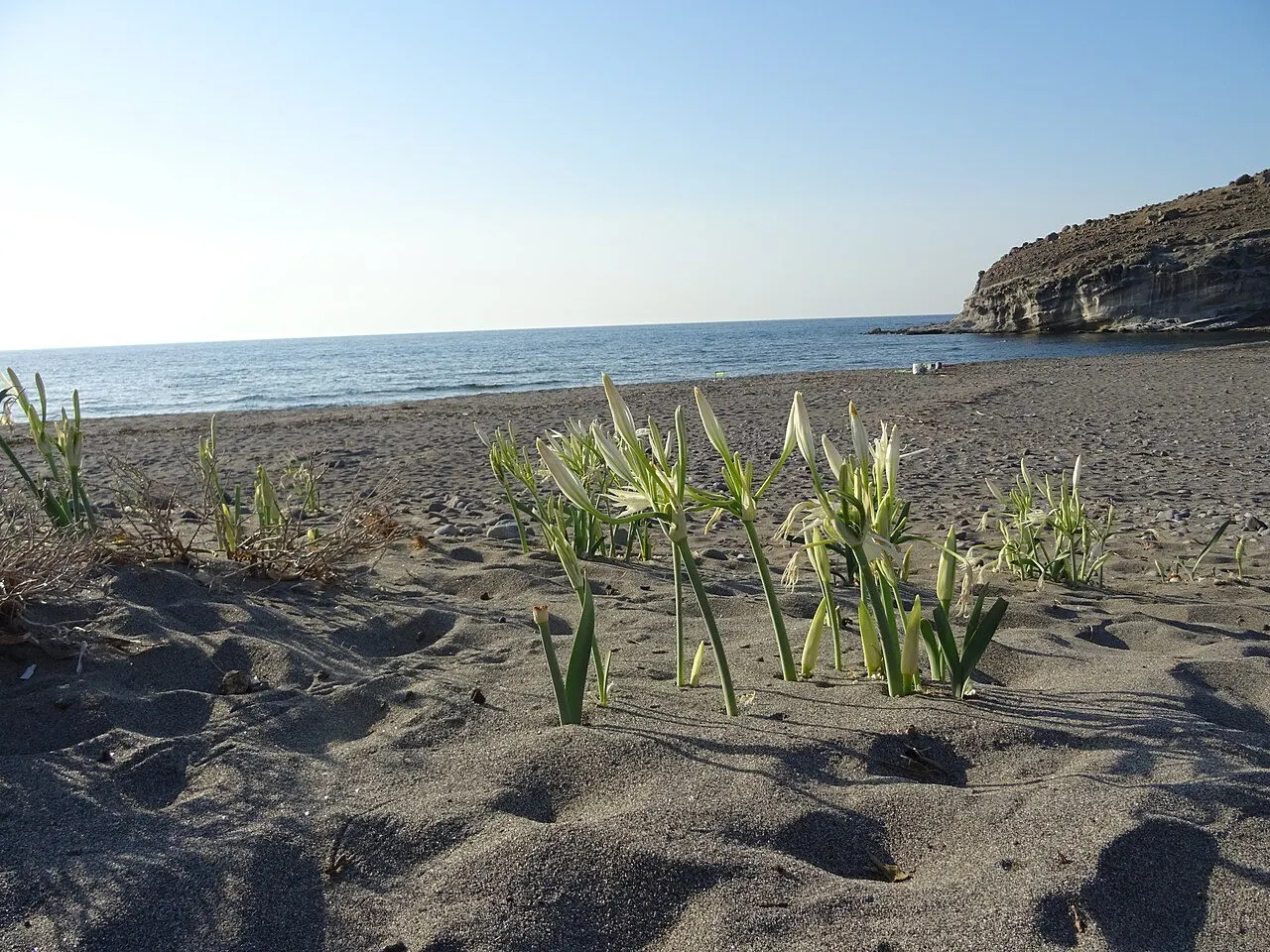
The whole island and its coastal sea are a Natura 2000 site. Monk seals breed in its sea caves, Eleonora's falcons and shags live on its cliffs, sea lilies flower on its beaches, and about 100 hectares of old oaks, some centuries old, grow down the cliffs to the shore between Avlakia and Alonitsi.
Last updated