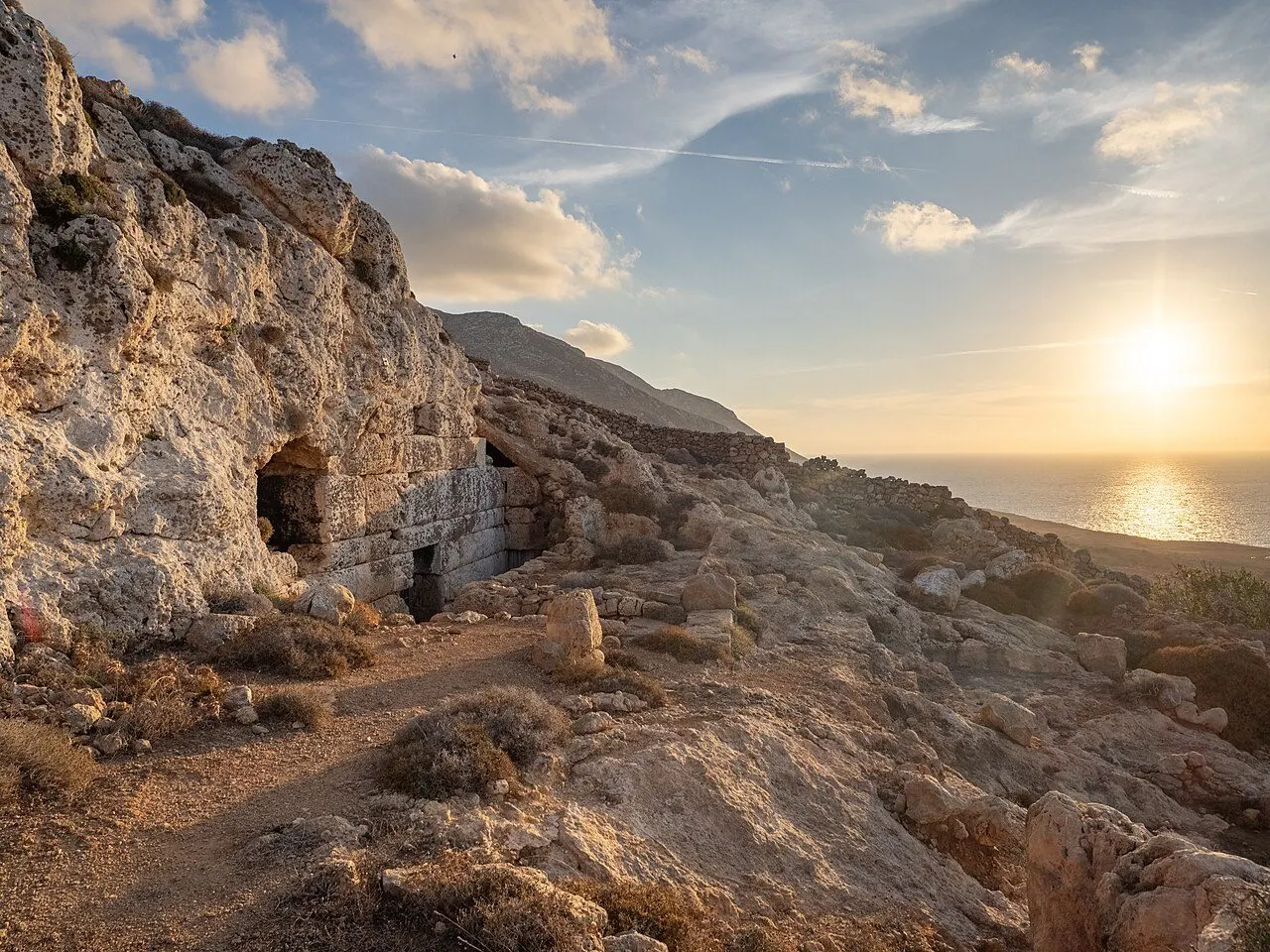
Ellinokamara
A cave sanctuary beyond Agia Marina, used from Mycenaean to Hellenistic times, its mouth closed by a Hellenistic wall of great stone blocks.
Kasos · History
A Minoan bay, a city named by Homer, early Christian basilicas, Venetians and pirates, a great sailing fleet, the destruction of 1824, the Suez Canal, Italian rule and, in 1948, union with Greece.
Timeline
Neolithic–Bronze Age
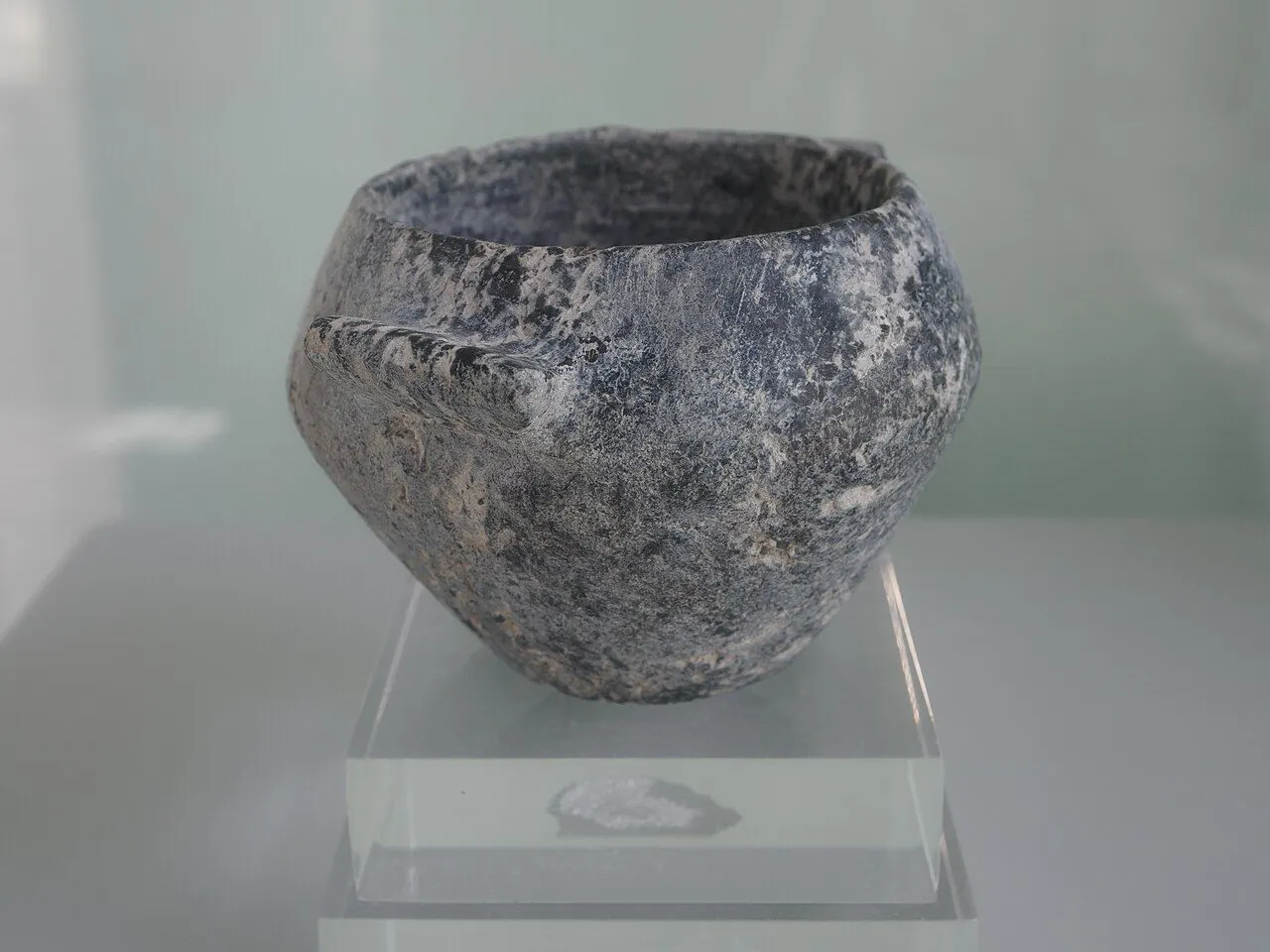
People lived on Kasos in the Late Neolithic and Early Bronze Age. In the Minoan age there was a settlement near the bay of Helatros, in the south-west, which lasted until about 1450 BC, with others at Trapeza and Kefala. Stone vessels of serpentine and pottery from these sites are in the Archaeological Collection in Fry. Remains of dwarf elephants have also been found on the island.
Antiquity
In the Iliad, Kasos sends its men to Troy with Nisyros, Karpathos and Kos. Its city stood on the acropolis of Poli, with Mycenaean traces and ancient walls, and a paved road down to the port at Emporeios. The Kasians paid tribute to Athens in the 5th century BC, sent envoys to Delos in 275/4 BC and in the 2nd century BC joined the Rhodian state. Strabo knew the island as Astrabe.
Early Christian–Byzantine
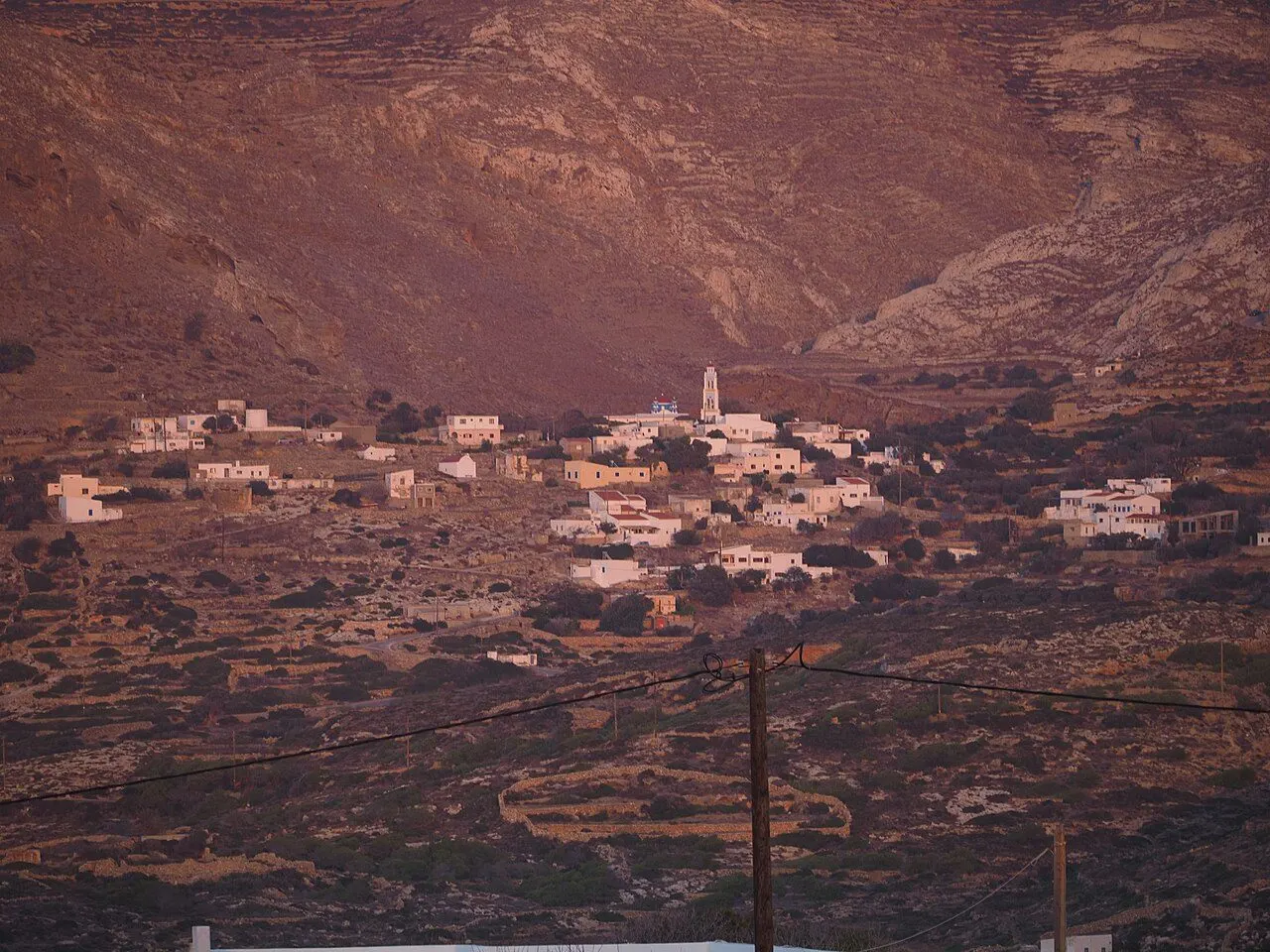
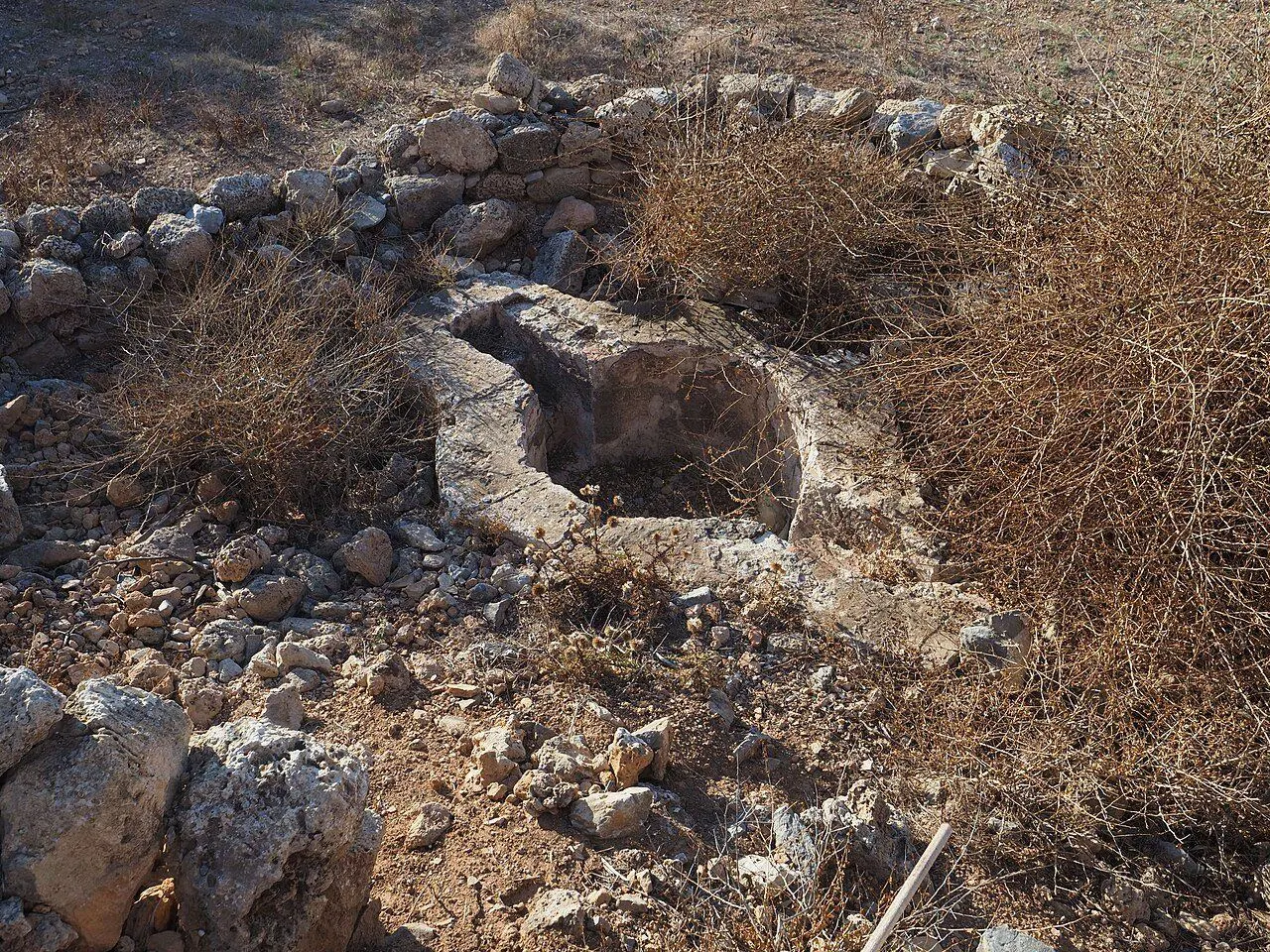
In the early Christian centuries basilicas were built at Emporeios, Maritsa and Panagia, and a baptistery at Emporeios. In the Byzantine empire Kasos passed from the naval theme of the Cibyrrhaeots to the theme of Crete.
1207–1821
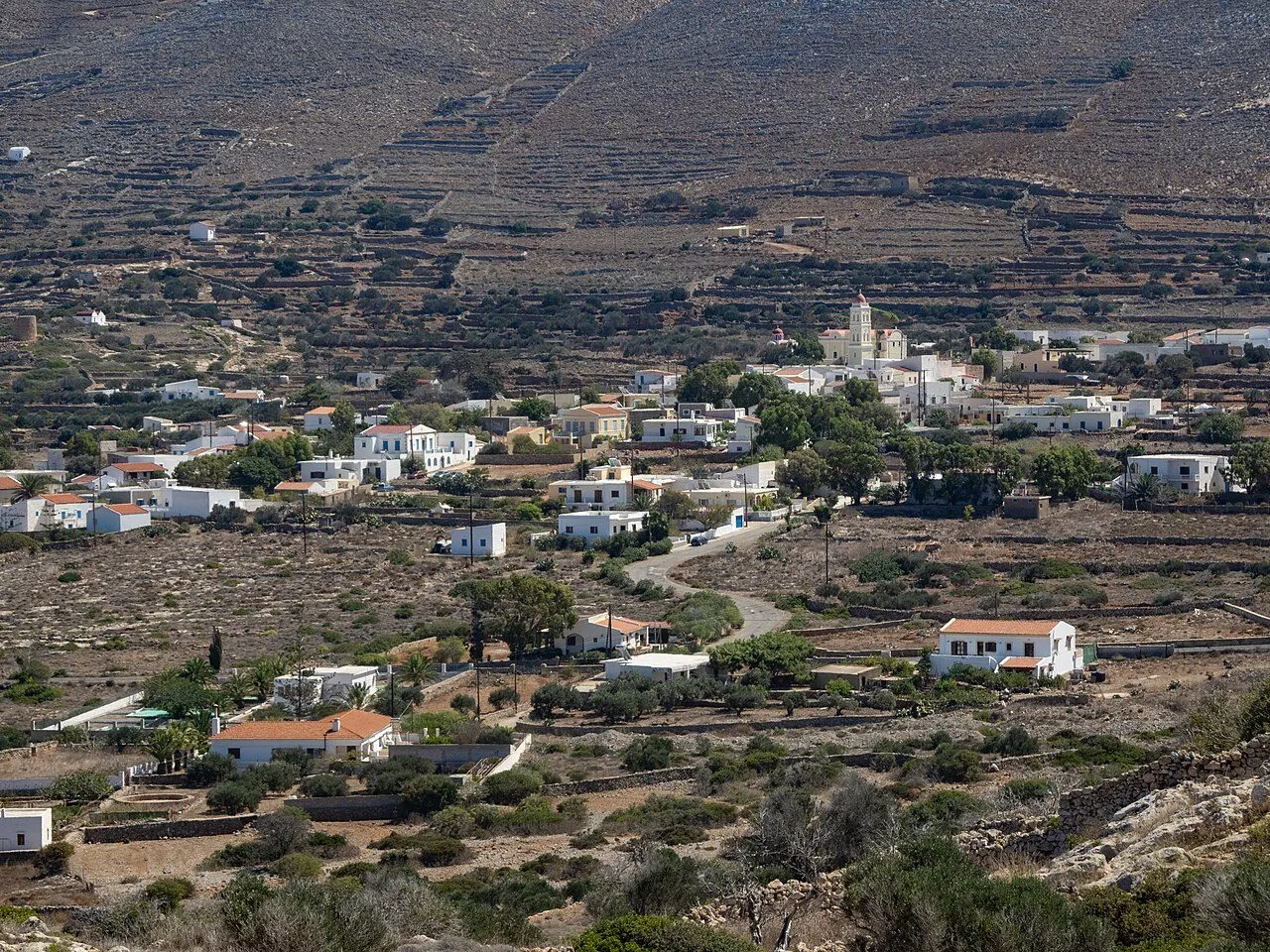
After the Fourth Crusade Kasos passed to Venice. In 1537 Barbarossa took it for the Ottomans, and the island was left almost empty in the 16th century; when people returned they built Agia Marina and Arvanitochori inland, out of sight of the pirates. Under the Ottomans Kasos governed itself, and it lived from the sea: it had 80 to 100 ships in the later 17th century and a large merchant fleet by 1800.
1821–1824
Kasos joined the Filiki Etaireia in 1818 and rose in 1821, with some 8,000 people and about a hundred armed ships. In July 1821 its fleet fought for Crete, and the island took in Cretan refugees. In late May 1824 the fleet of Egypt arrived with thousands of soldiers. After days of bombardment they landed by night behind the defenders at Agia Marina. Hundreds of Kasiots were killed, about two thousand women and children were sold as slaves, and the island's ships were taken. Some of the islanders escaped to Karpathos and beyond.
1824 to today
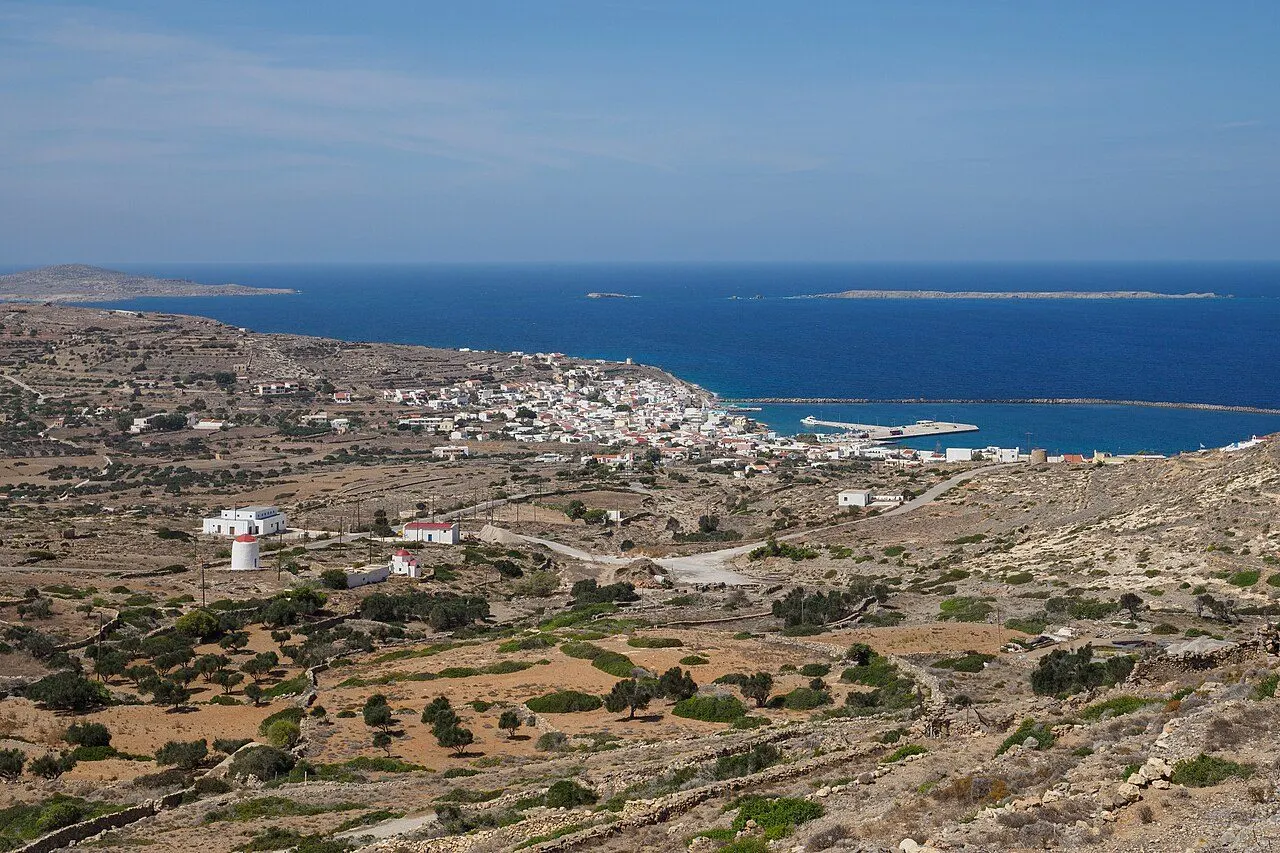
Kasos was briefly Greek in 1829, but the London Protocol of 1830 left it Ottoman. Its fleet recovered, then faded with the age of steam, and from 1859 Kasiots left for Egypt to dig the Suez Canal. Italy took the island in May 1912 and Germany occupied it from 1943. It was ceded to Greece by the Paris treaty of 1947 and formally united with it on 7 March 1948. In 1935 Eleftherios Venizelos was taken off the island from the beach of Helatros after the failed revolt of that year.
Visit
A cave sanctuary beyond Agia Marina, used from Mycenaean to Hellenistic times, its mouth closed by a Hellenistic wall of great stone blocks.
The acropolis of ancient Kasos, with Mycenaean traces, ancient walls and rock-cut inscriptions to the Samothracian Gods and the Nymphs.
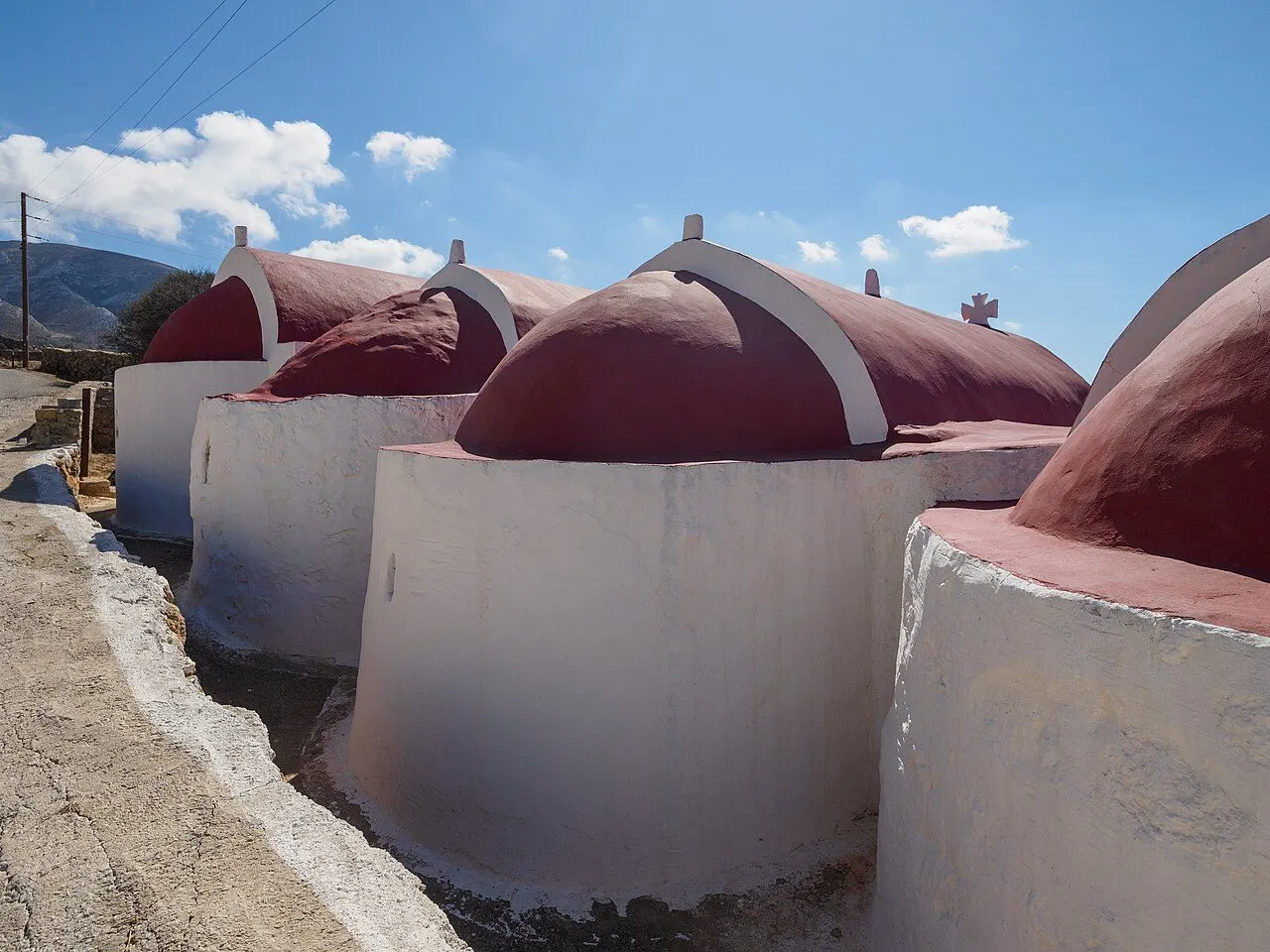
A cluster of small vaulted chapels with red domes, built side by side in the village of Panagia.
The ruins of two early Christian basilicas and the font of a baptistery in the fields behind the beach of Emporeios.
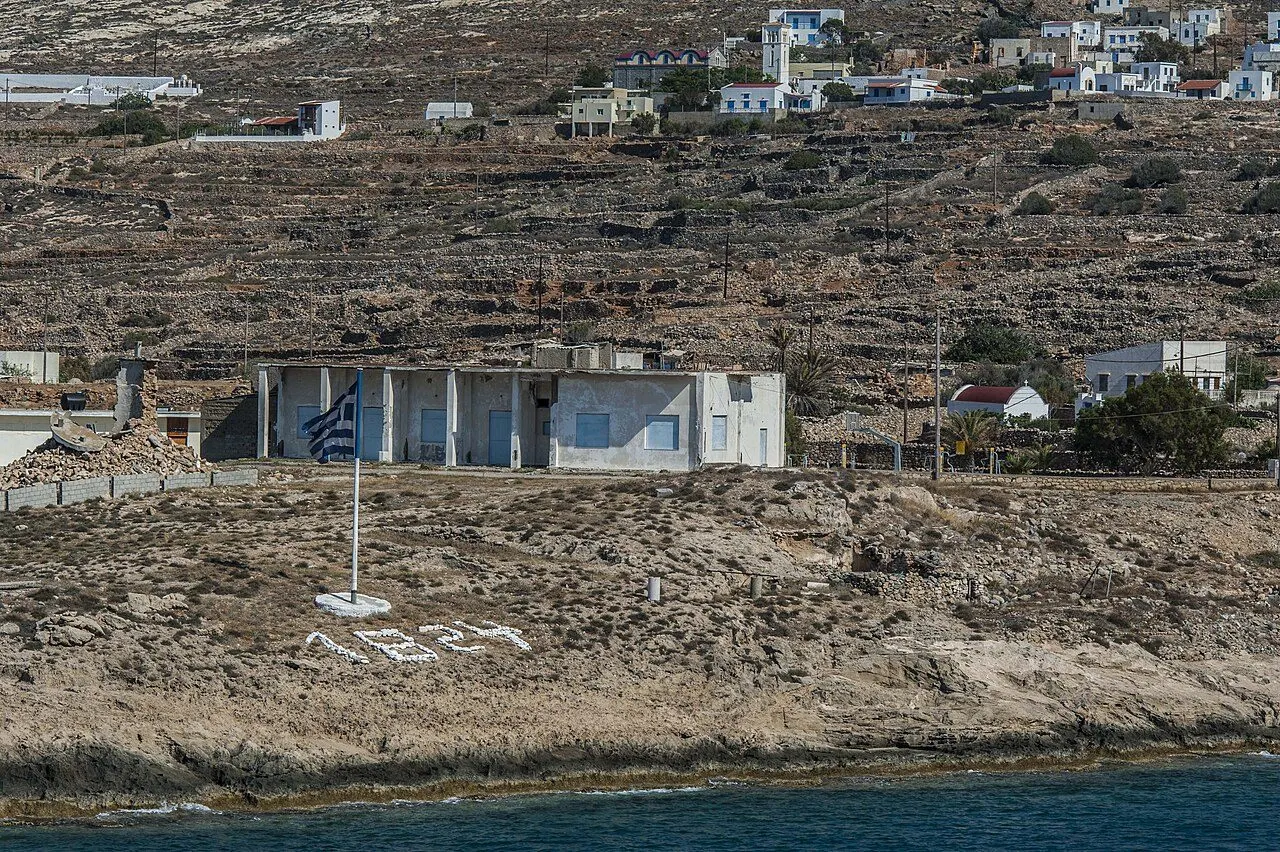
The memorial of the landing of 1824 on the west coast above Antiperatos, with the year laid out in stones on the hillside.
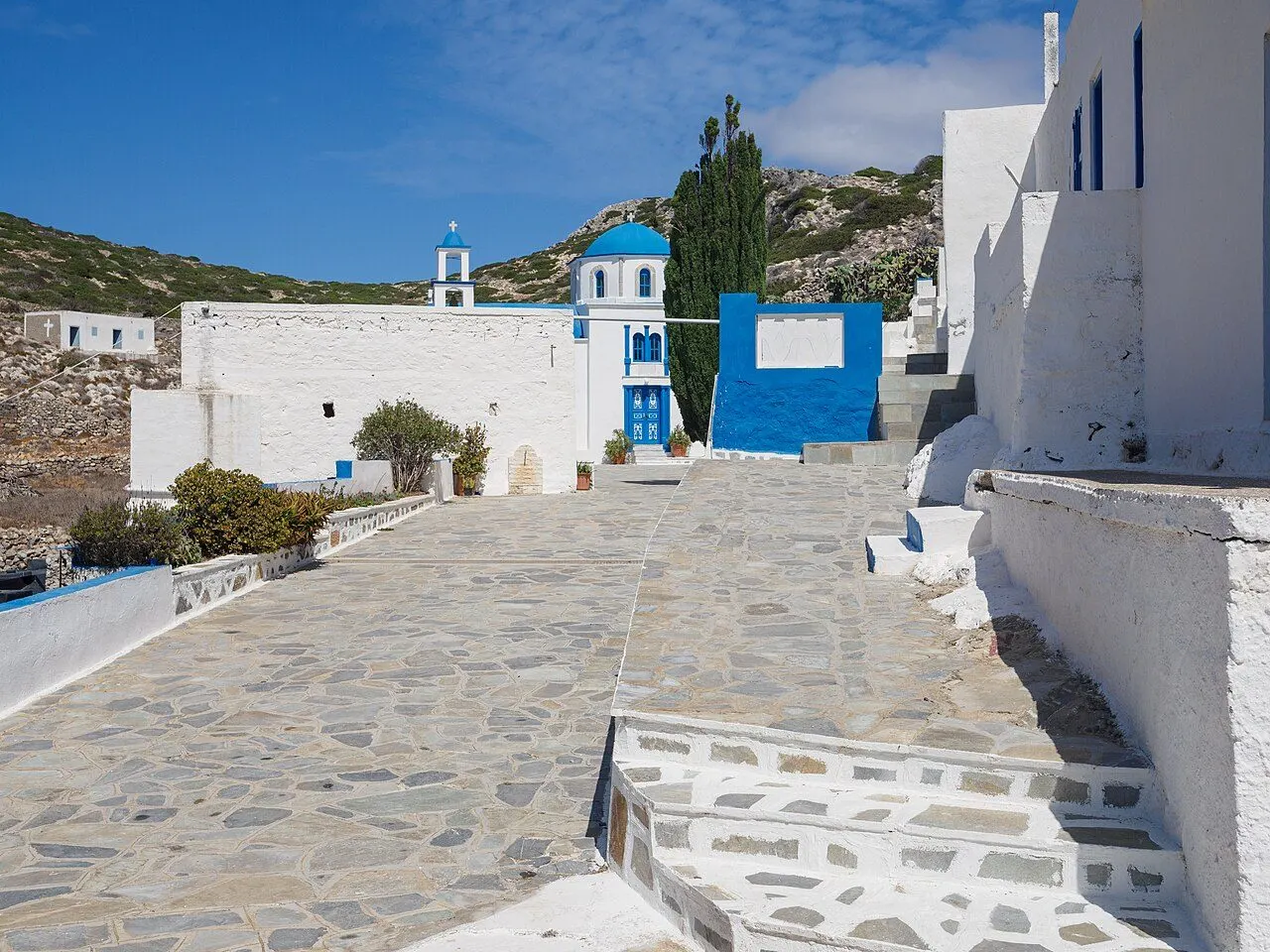
The monastery of 1690 in the Argos valley, on the road to Helatros.
Last updated