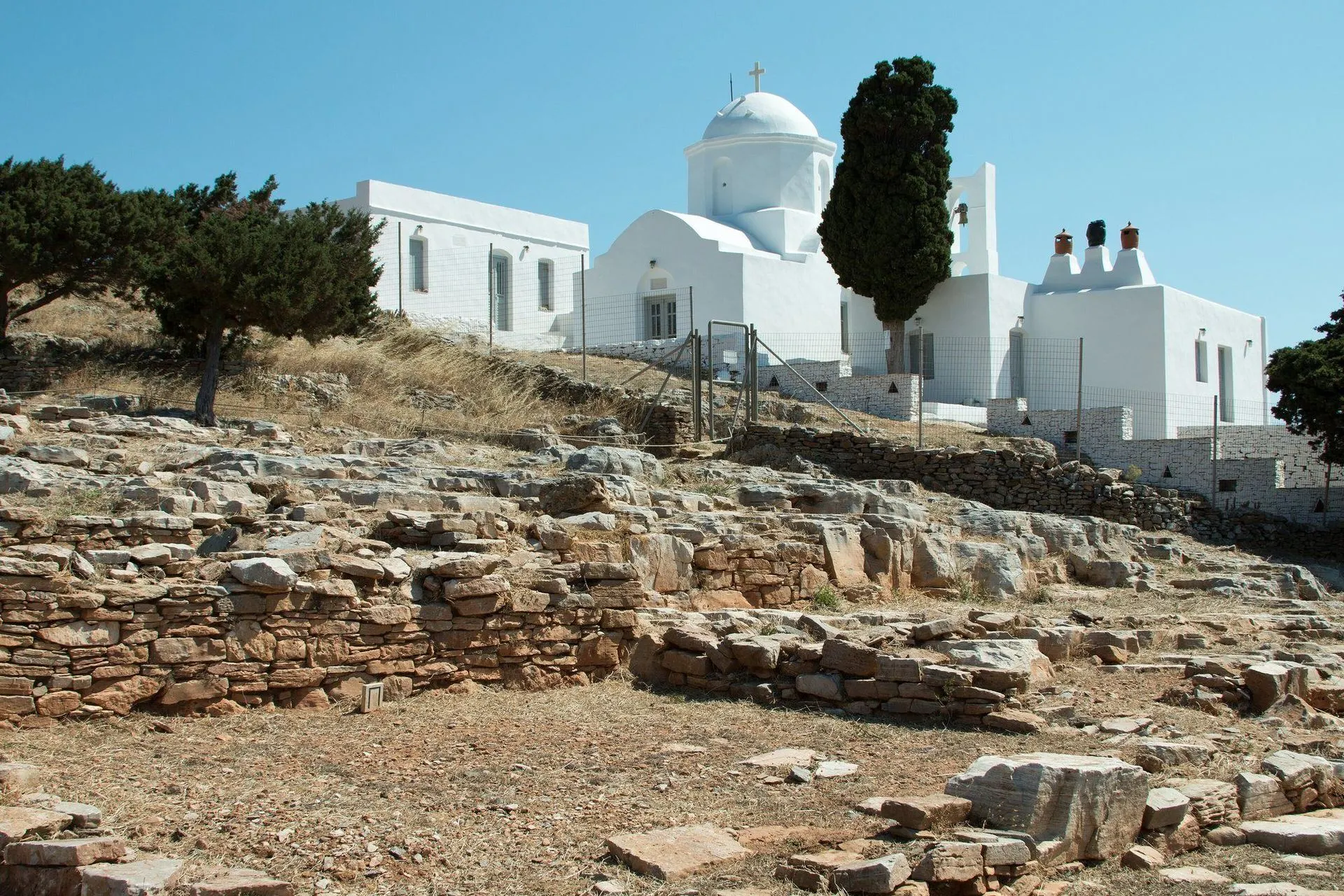
Agios Andreas
A Mycenaean acropolis on a hilltop between Apollonia and Vathi, with a monumental wall, streets and houses, a small museum of finds and a wide view over the island.
Sifnos · History
Some of the oldest silver mines on earth, a Mycenaean citadel, a marble treasury at Delphi, a Venetian lord who made himself prince of a rock, a school that turned out patriarchs, and a capital that moved inland.
Timeline
3rd millennium BC
People were digging silver and lead at Agios Sostis, in the north-east, by the start of the third millennium BC, which makes these some of the oldest silver mines known anywhere. One old explanation of the island's name links it to the Greek word sifnos, 'hollow', for the galleries that riddled its hills.
13th century BC
On a hilltop in the middle of the island, at Agios Andreas, the Mycenaeans built a fortified town with a great stone wall, streets, houses and a temple. Excavated over several decades, it now has a small museum of its finds and a view over half the island.
6th century BC
Herodotus called the Siphnians the wealthiest of the islanders. They struck coins from around 600 BC, and around 525 BC, with a tenth of their mining income, they built the Treasury of the Siphnians at Delphi, all in marble, with its carved frieze still in the museum there. The oracle warned them of 'a wooden ambush and a red herald'. Soon after, Samian ships, painted red, came and took a hundred talents.
6th–3rd century BC
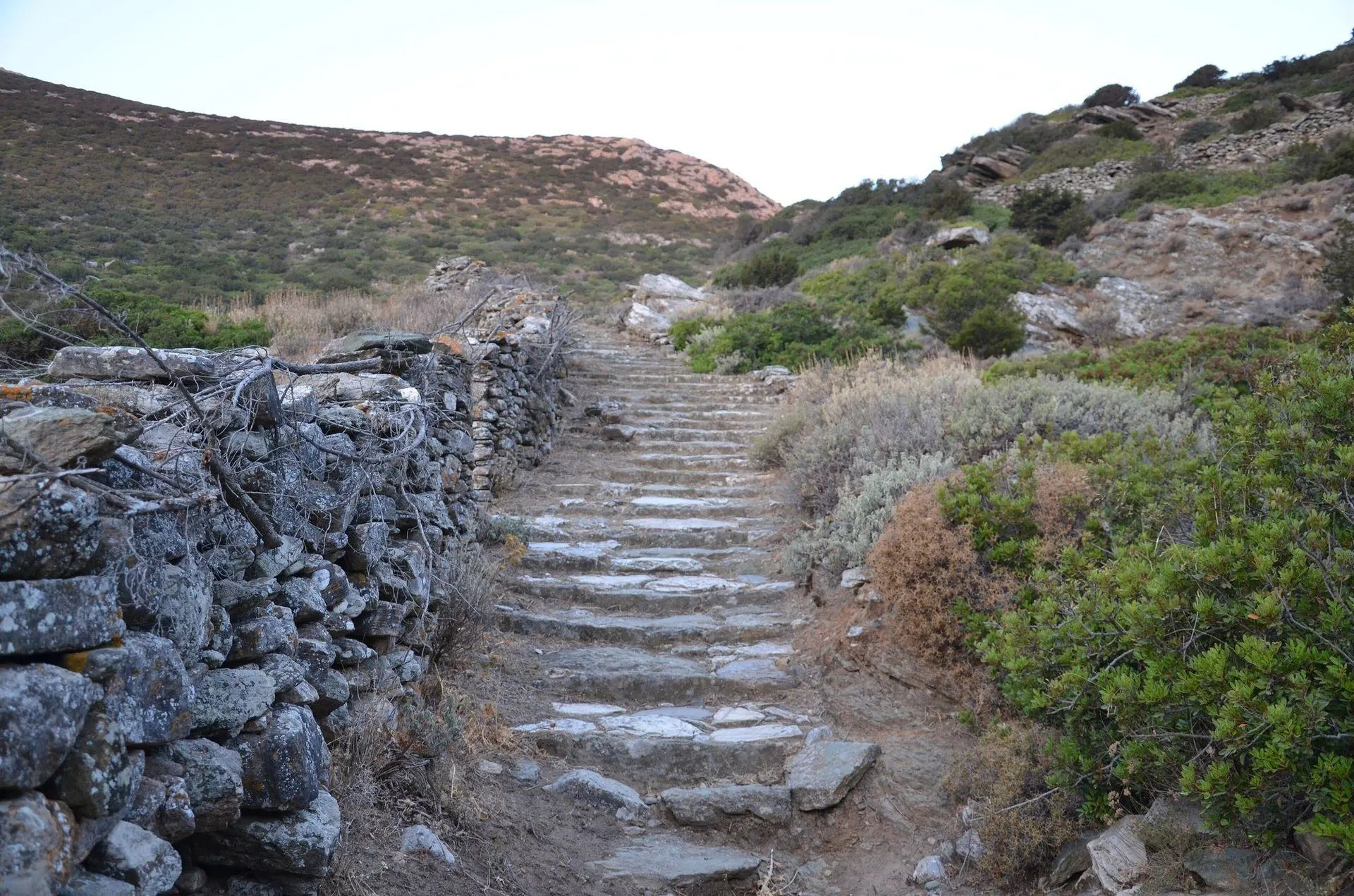
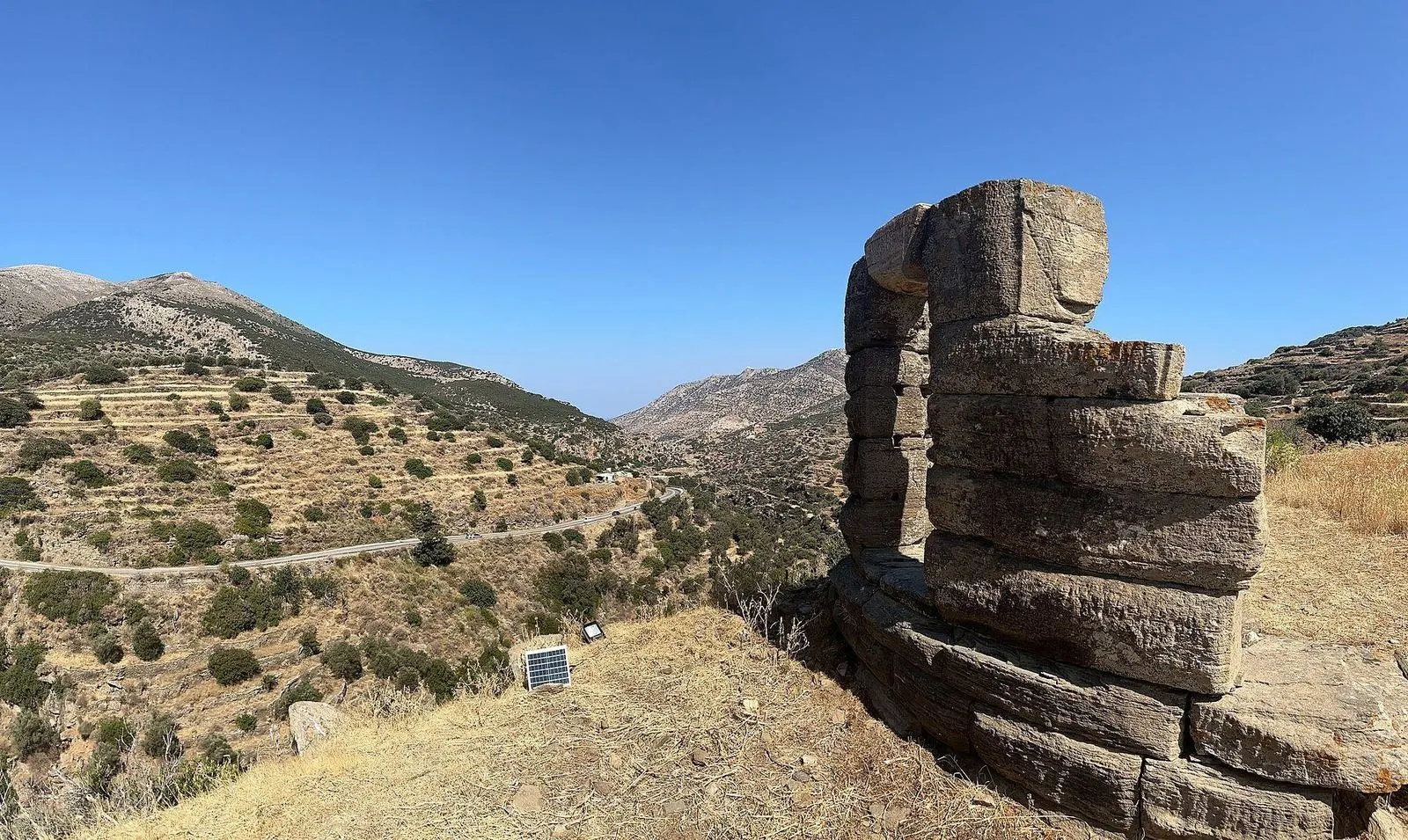
After the Samian raid the islanders covered their hills and capes with round stone towers, 77 of them recorded so far, to guard the mines and fields and to pass signals to the citadels at Kastro and Agios Andreas. Sifnos sent a fifty-oared ship to Salamis, and its name is on the Serpent Column, now in Istanbul. Pausanias later told how the islanders stopped sending their tithe to Delphi and the sea flooded their mines. More likely they were simply worked out.
10th–11th century
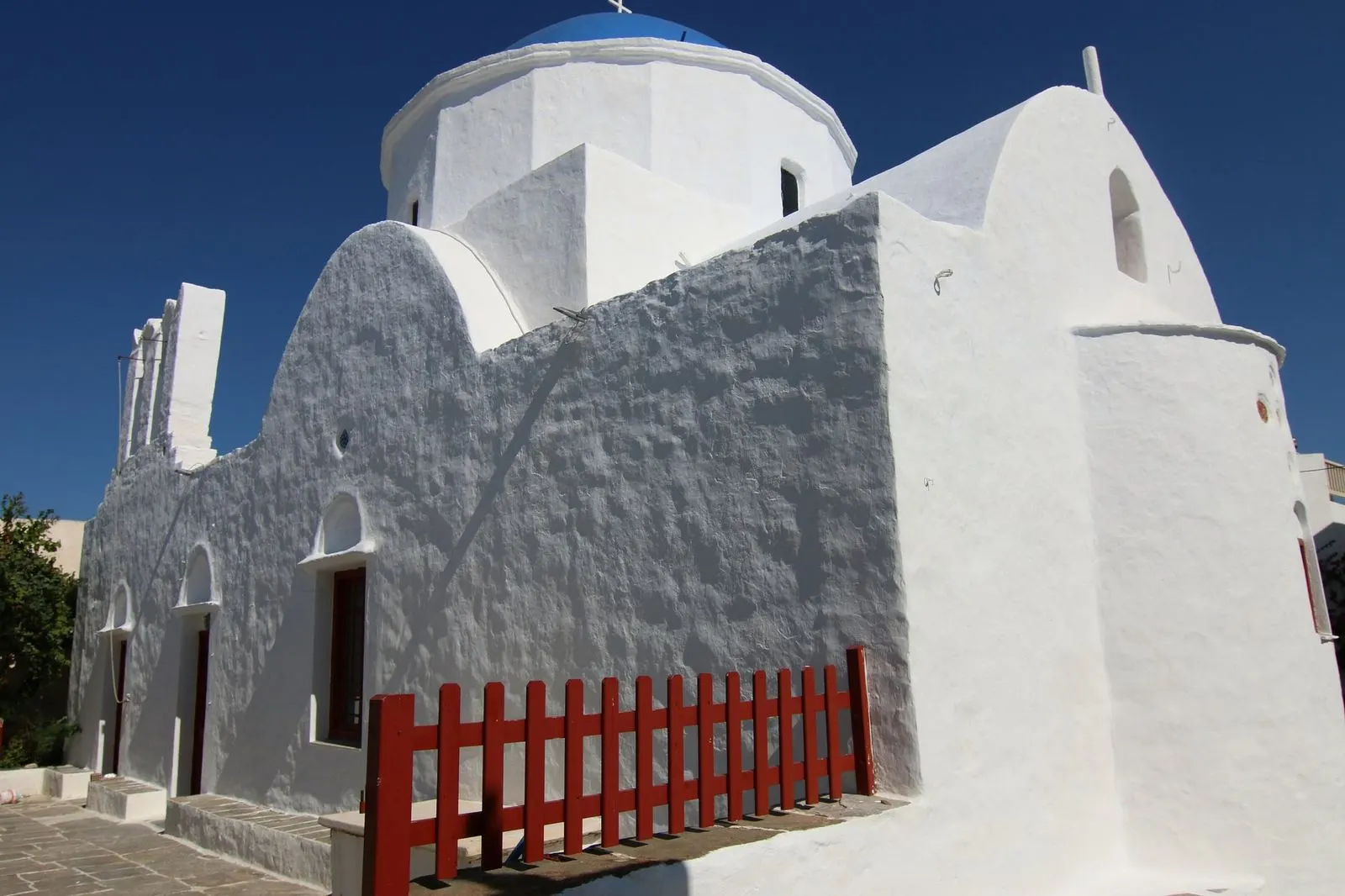
Little is known of Byzantine Sifnos, but its oldest surviving church stands on the uninhabited islet of Kitriani at the mouth of the Platis Gialos bay: Panagia Kypriani, dated to the 10th or 11th century.
1307–1617
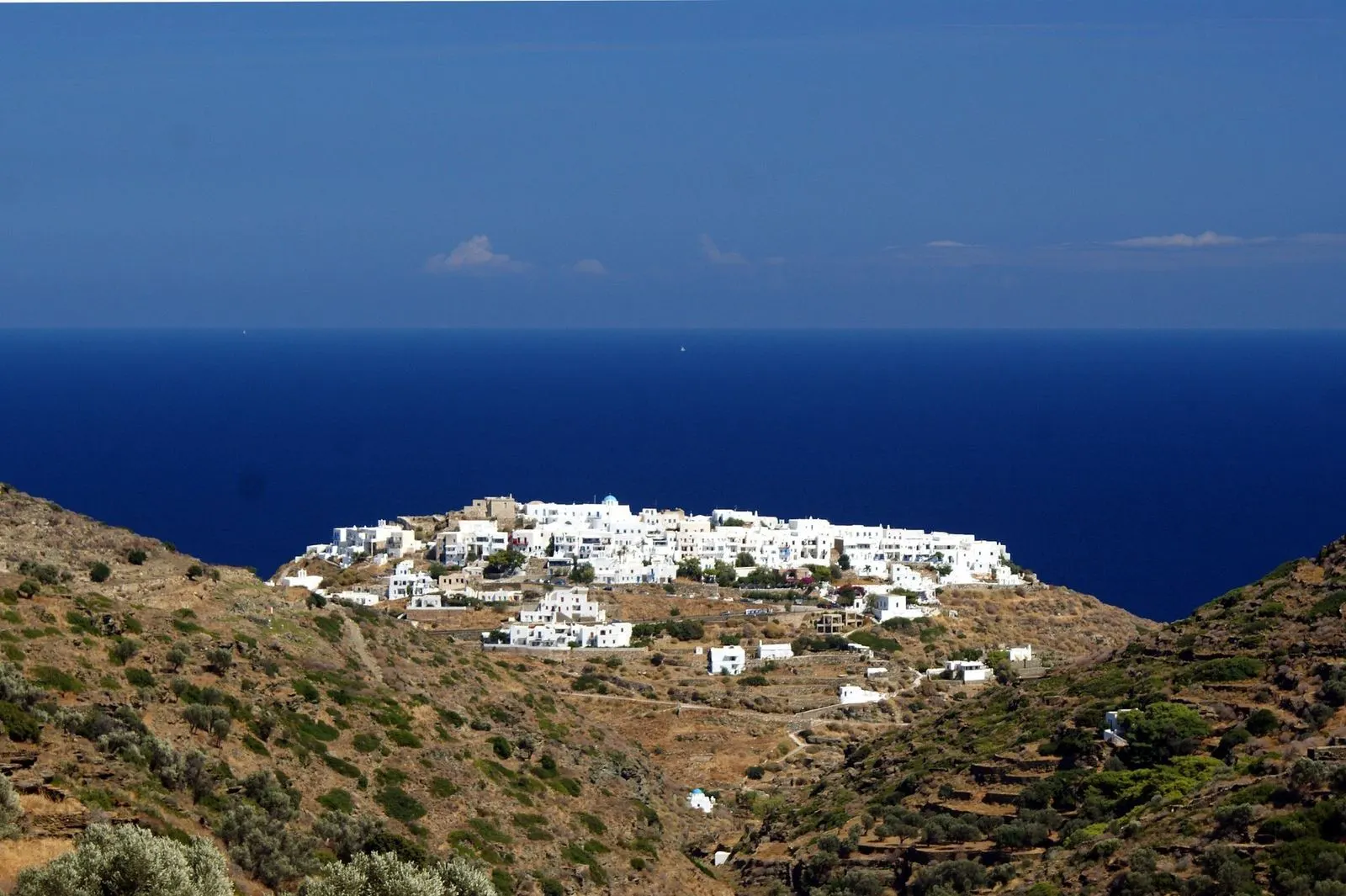
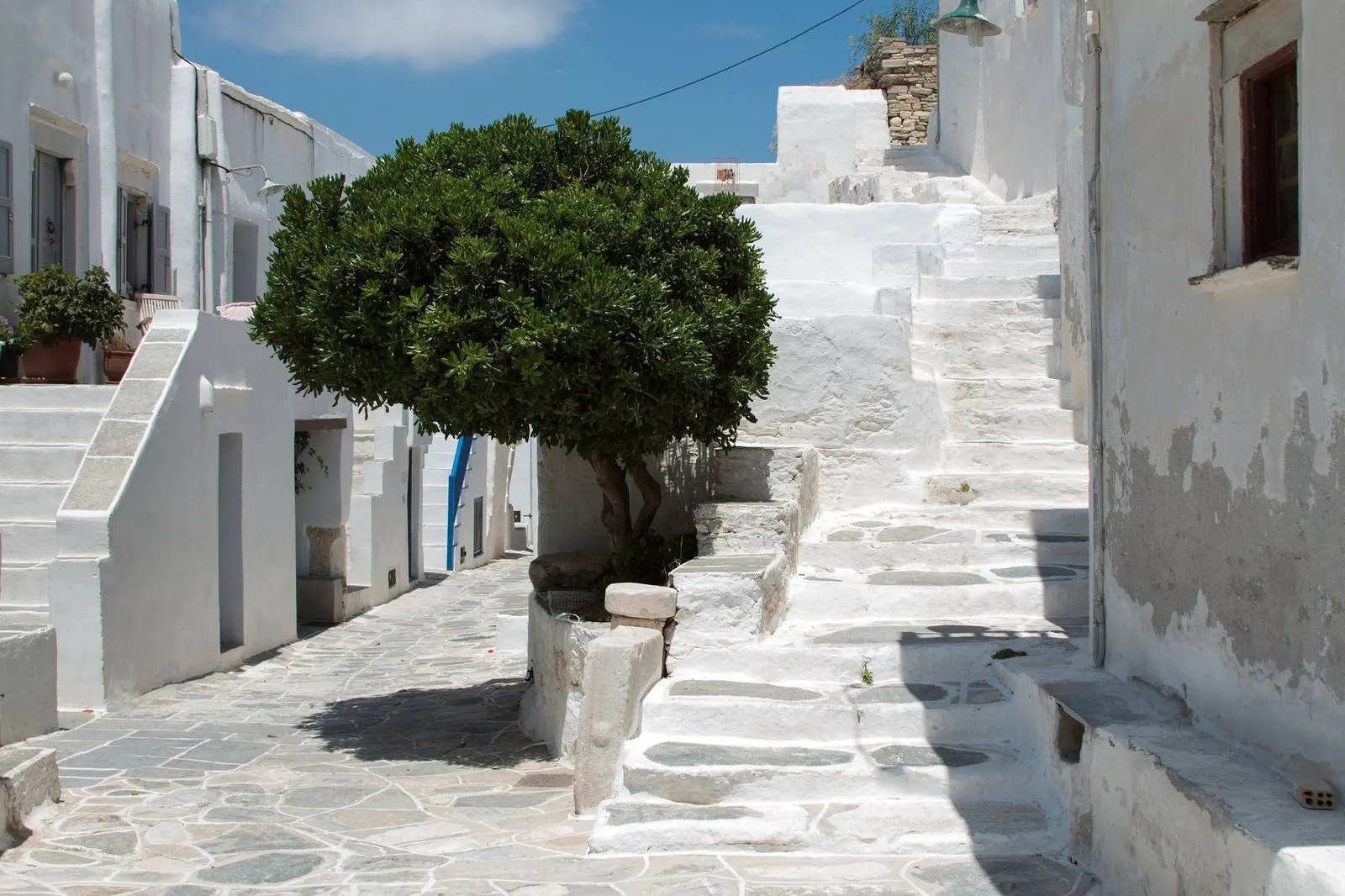
In 1307 Januli da Corogna took Sifnos from the Byzantines, declared himself its independent lord and fortified Kastro; an inscription of 1365 with his family's name survives in the ruins of the lord's house. The island passed to the Gozzadini of Bologna in 1464, and they stayed, in the end as vassals of the Sultan, until 1617. The ring of houses you walk through today grew outwards in these centuries.
1617–1836
Under the Ottomans the islanders largely governed themselves through a general assembly, and France, England and Holland kept consuls here. In 1687 the School of the Holy Sepulchre opened, known as the 'school of the Archipelago', and generations of bishops and patriarchs came out of it. Its teacher Nikolaos Chrysogelos led a Sifnian force in the War of Independence and later ran education for Kapodistrias's government. In 1836 the capital moved from Kastro inland to Apollonia.
1836 to today
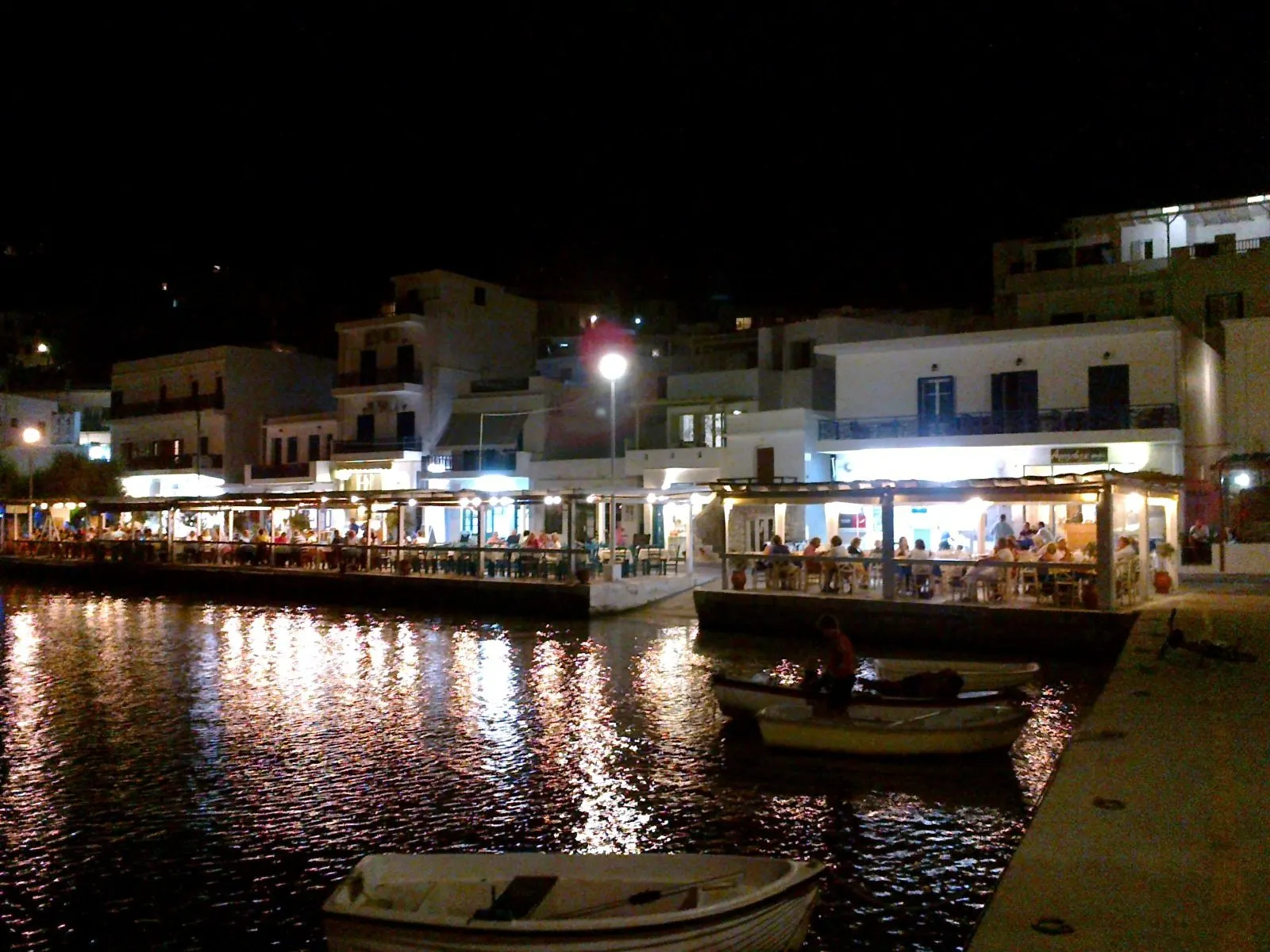
Faros remained the official port until 1883. Sifnian potters spread across Greece, Gryparis and Provelengios wrote, and Tselementes, born in Exambela in 1878, became the most famous cook in the country. The island was under Italian occupation from 1941 to 1944. In recent years islanders have cleared and signposted their old paths, and the island has become a place where people come to walk and to eat.
Visit
A Mycenaean acropolis on a hilltop between Apollonia and Vathi, with a monumental wall, streets and houses, a small museum of finds and a wide view over the island.
The ancient city and Venetian capital on its rock, with white-marble walls of the acropolis, Roman sarcophagi in the lanes, ancient columns built into the houses and the Archaeological Museum.
The White Tower above Platis Gialos, the best known of the island's 77 ancient round towers, and a landmark from the road to the south coast.
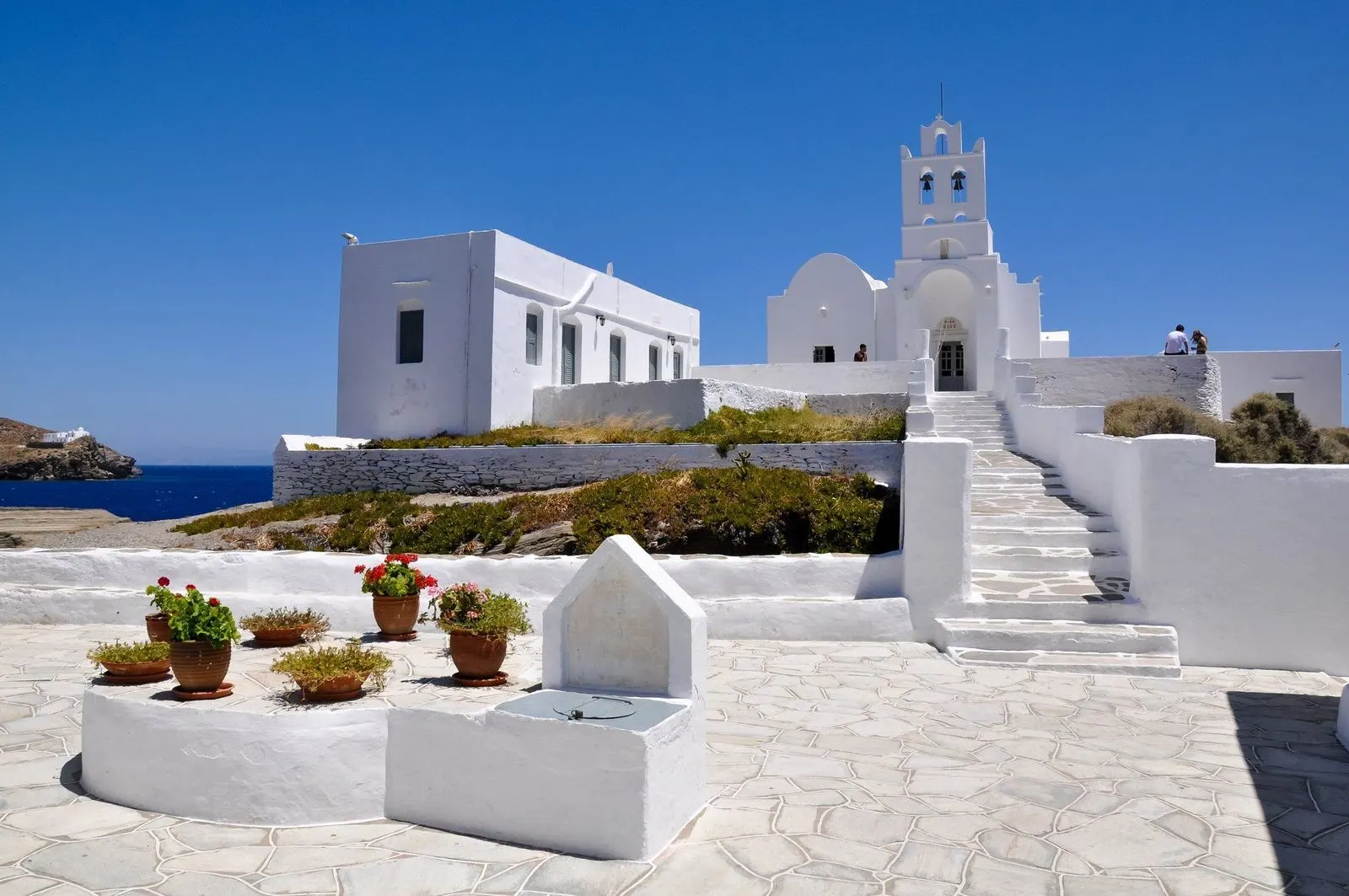
The 17th-century monastery of the island's patron, on a rock split from the shore, reached by a small bridge over the gap.
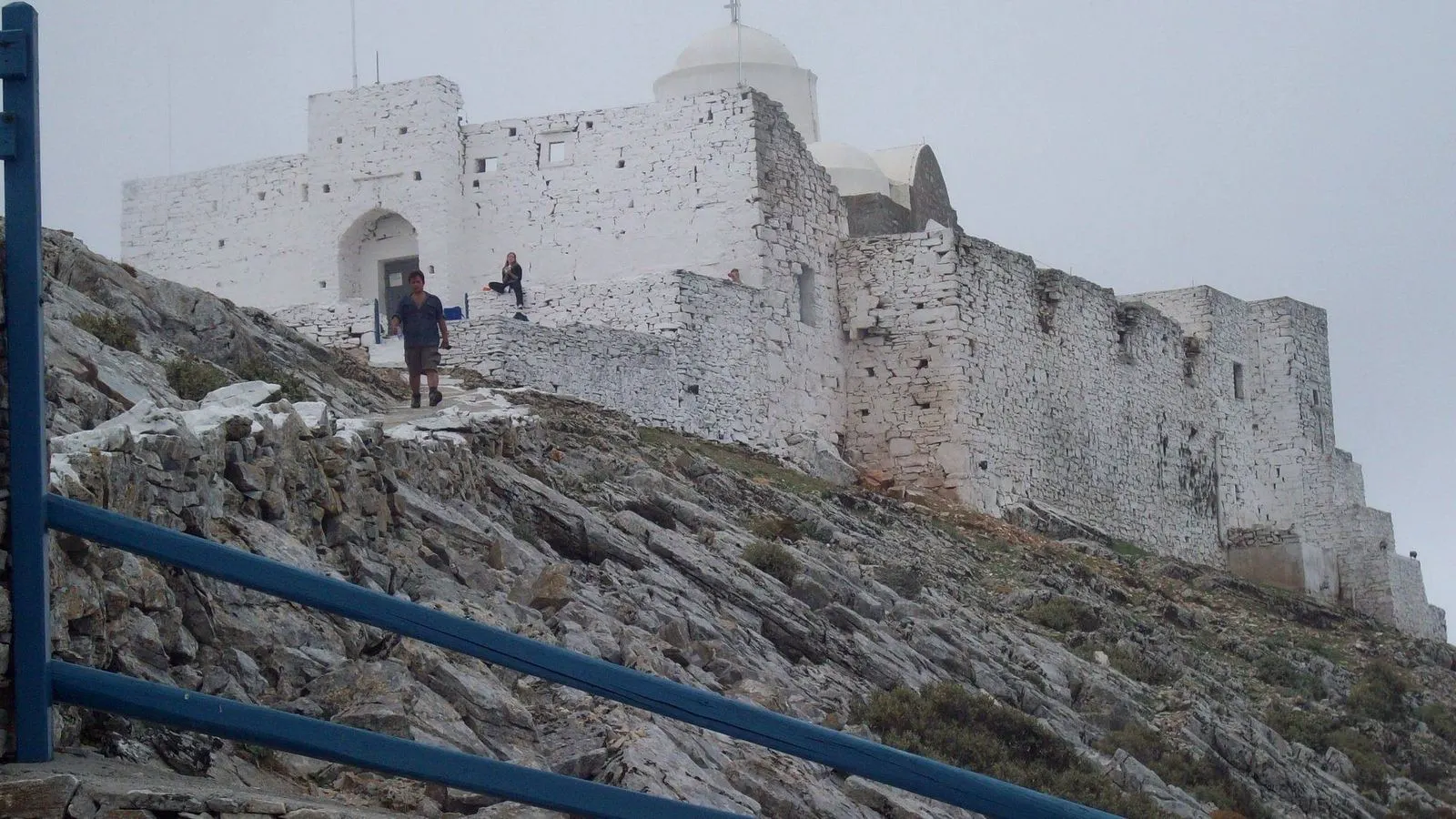
A walled monastery on the highest peak of the island, about 680 m, reached on foot through the juniper reserve, with a view across the Cyclades.
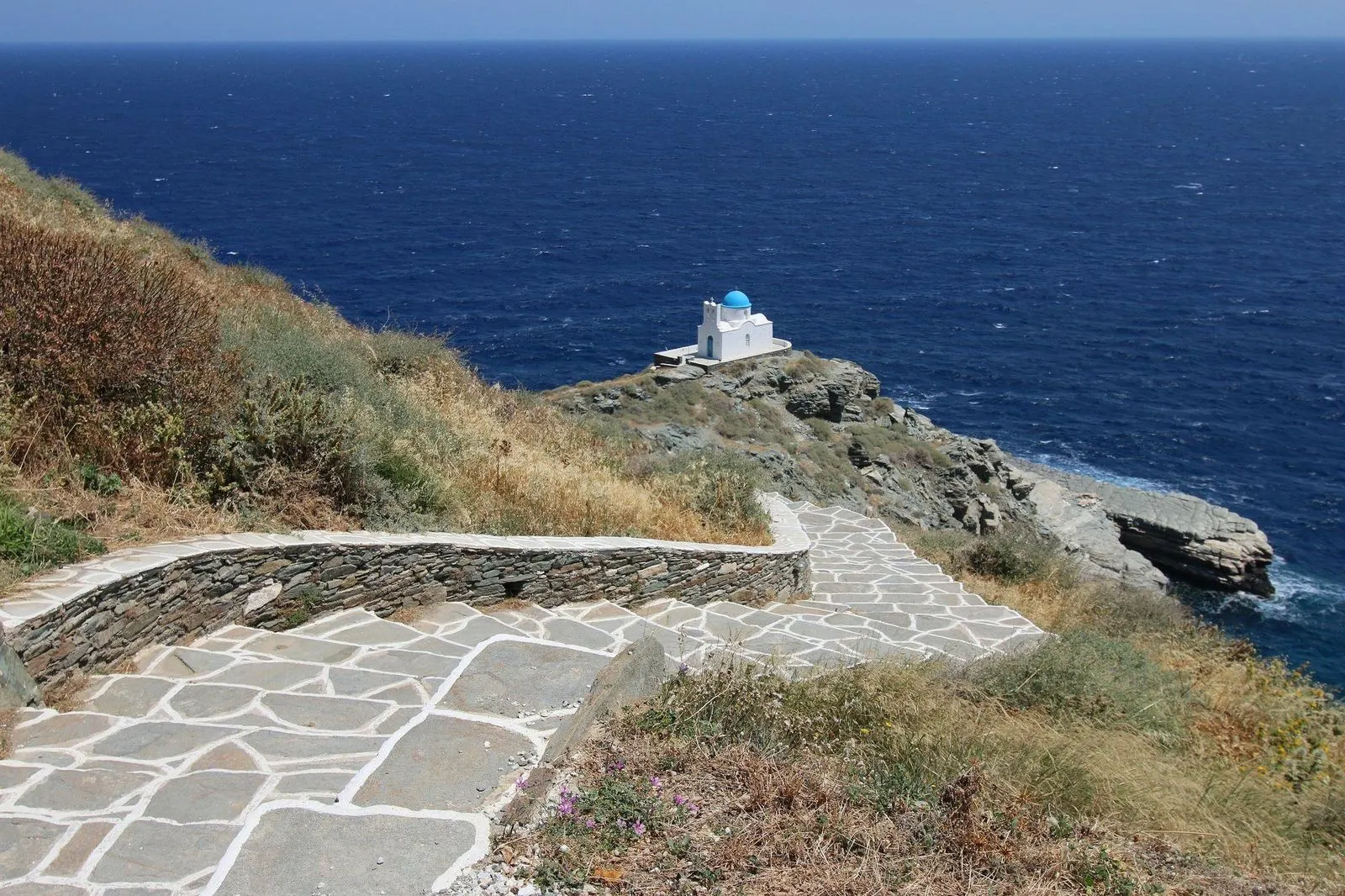
A small white chapel alone on a rock in the sea below Kastro, a favourite for island weddings and the most stunning swim on Sifnos.
Last updated