Saturday night at the oven
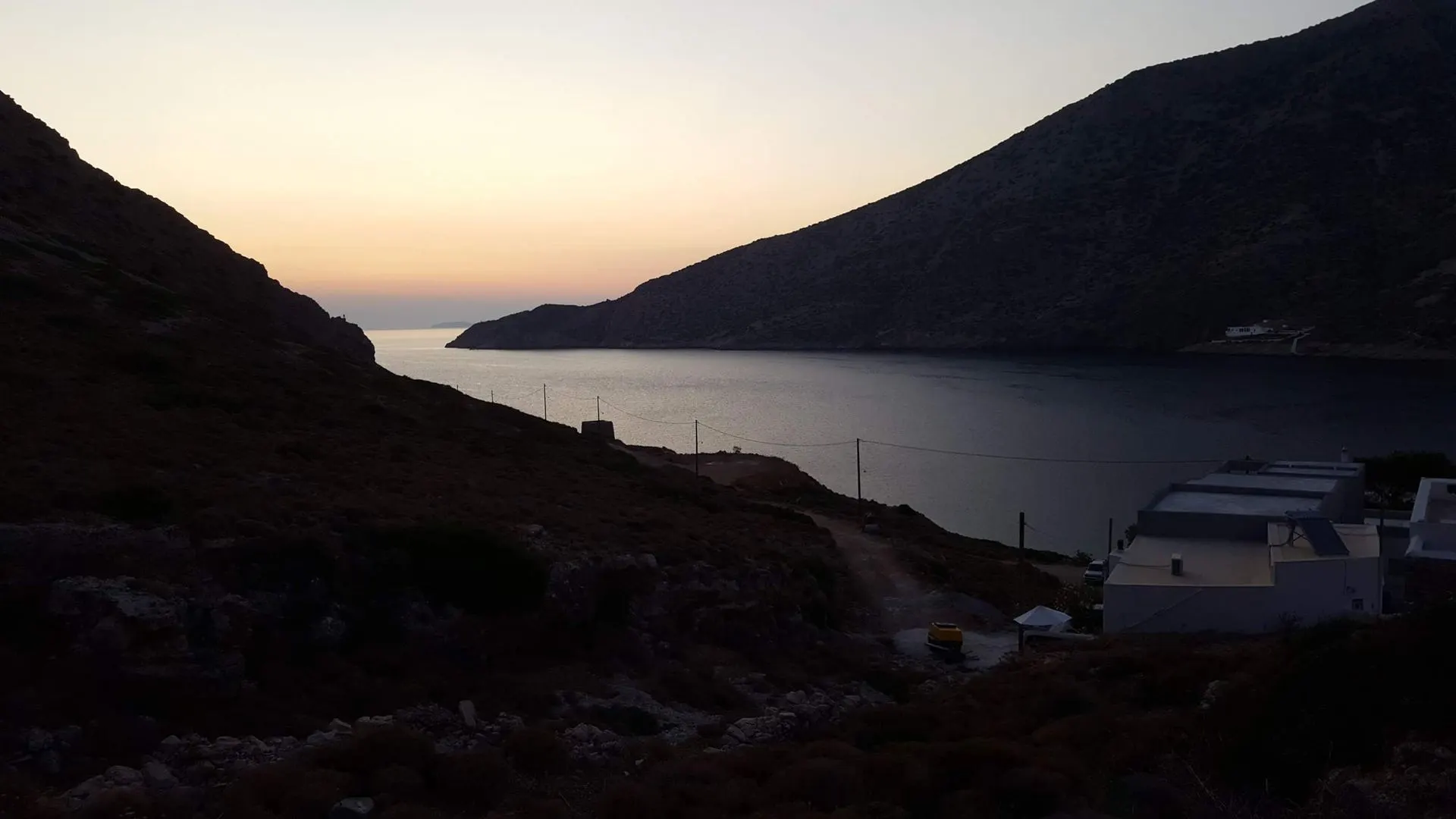
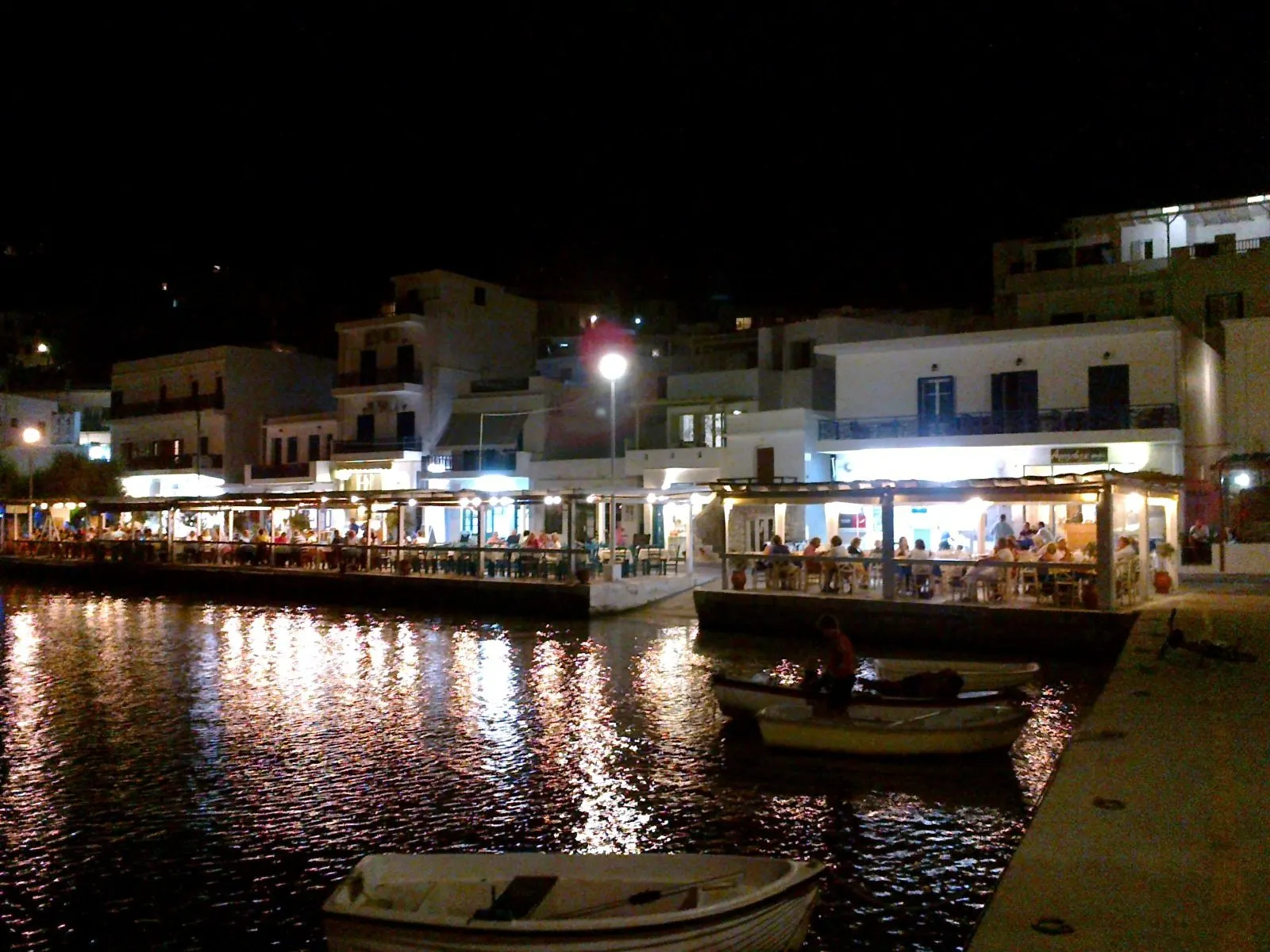
Revithada is chickpeas, onion and olive oil, left overnight in a lidded clay pot called a skepastaria in an oven fired with brushwood, and eaten after church on Sunday. Mastelo, lamb or goat in red wine and dill, goes into its own pot of the same name for Easter. The man who taught all of Greece to cook, Nikolaos Tselementes, was born in Exambela in 1878; his cookbook of 1930 gave the country béchamel and the modern moussaka.
When 'Sifnian' meant potter
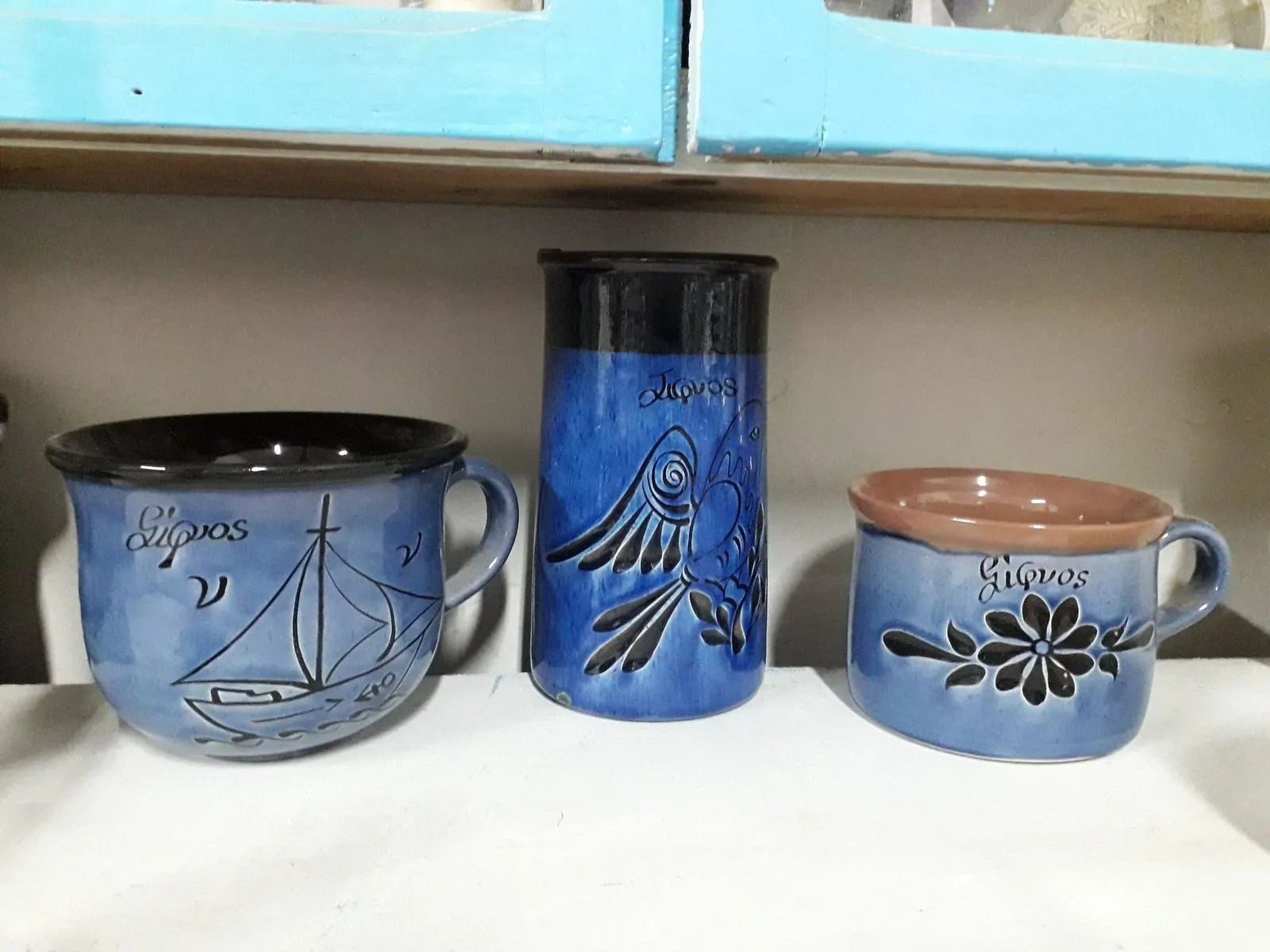
The island's fireproof clay, weathered out of its schist, made its potters so famous that 'a Sifnian' became another word for a potter. They carried the trade to other islands and to Attica, setting up whole workshop quarters in Marousi, Chalandri and Agia Paraskevi. At home they worked by the sea all week, slept at the kilns and walked back to their villages on Saturday afternoon. Look up at the roofs: the clay chimney pots, the flaroi, are theirs. About 15 workshops still fire today.
77 towers, lit again every year
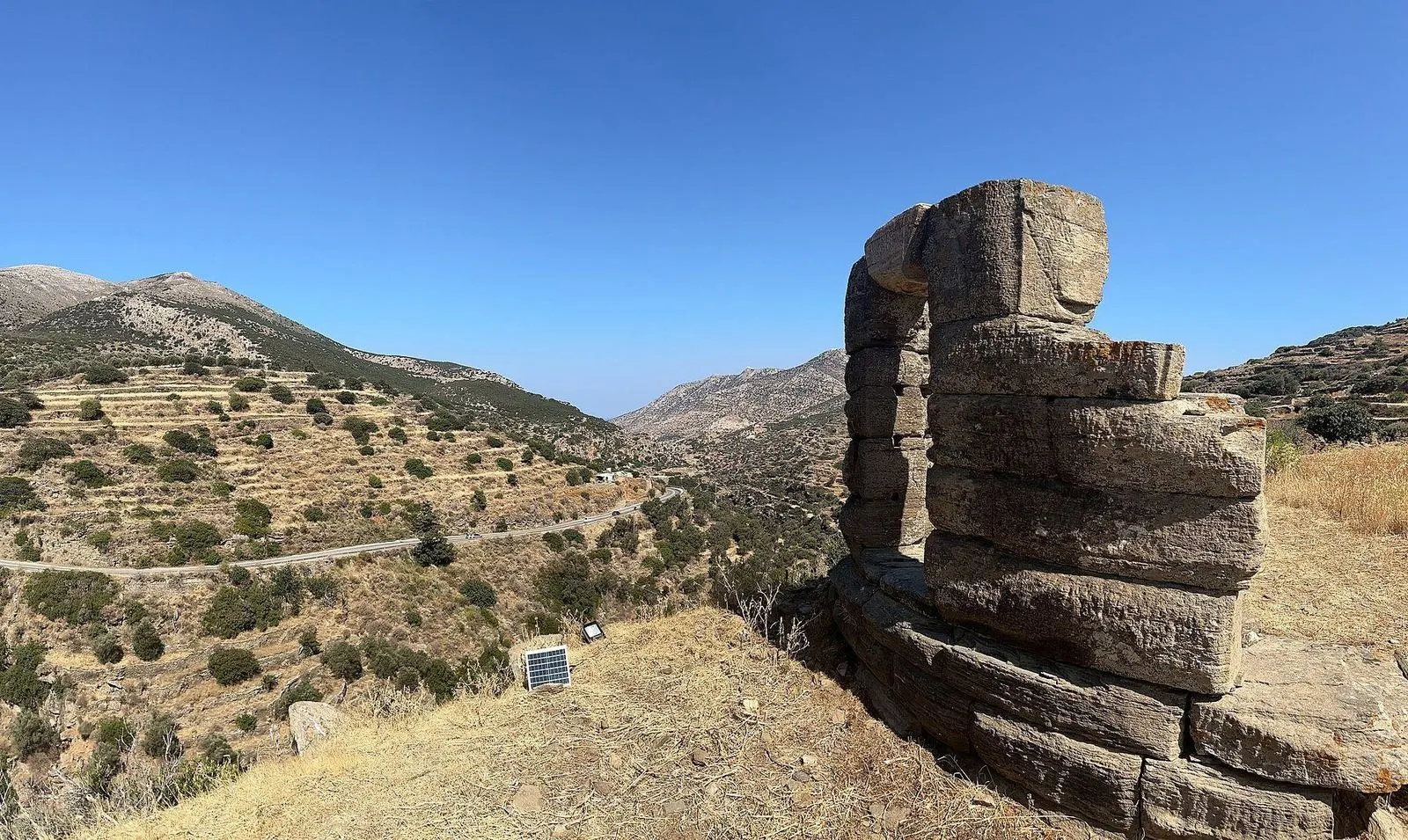
Archaeologists have recorded 77 round stone towers on the island, about 8 m across and mostly from the 6th to the 3rd century BC, more than one for every square kilometre and more than on any other Aegean island. They guarded the mines and fields and passed signals between the hilltop citadels. Every year since 2003, on the eve of the Day of the Holy Spirit, volunteers hike out to the ruins at 7 in the evening and signal from tower to tower once more, with smoke and mirrors.
The ferry that stops for a rock
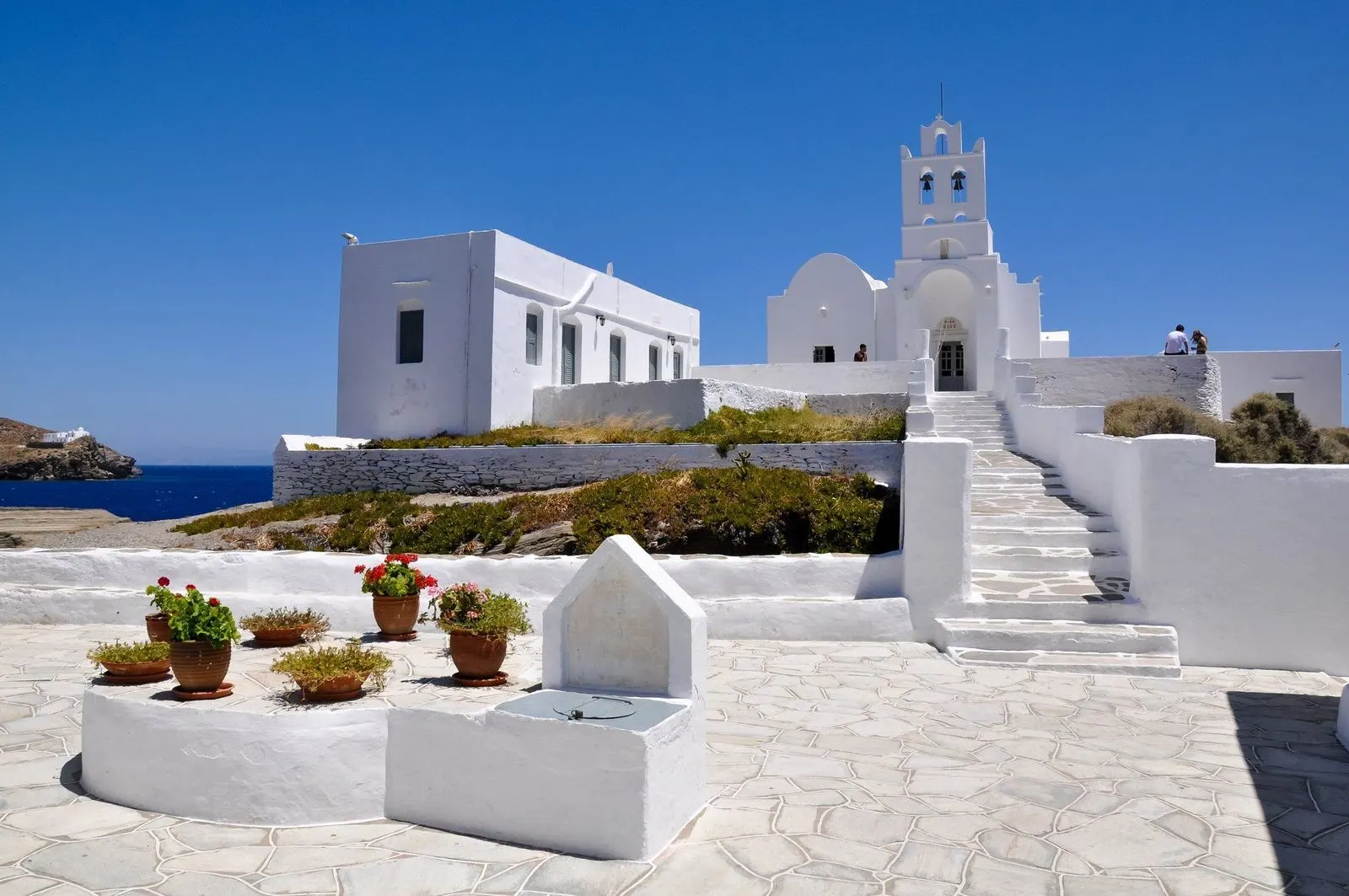
On the eve of Ascension Day the icon of Chrysopigi, the island's patron, is carried from the house of the family hosting the feast to Agios Georgios in Kamares. Then the host and the priests board the regular ferry from Piraeus, which that one day adds the rock of Chrysopigi to its route. Pilgrims go by road. Next morning a caique takes the icon to Seralia below Kastro, and it is walked through the villages to Apollonia, where next year's host receives it.
A saint in the spare room
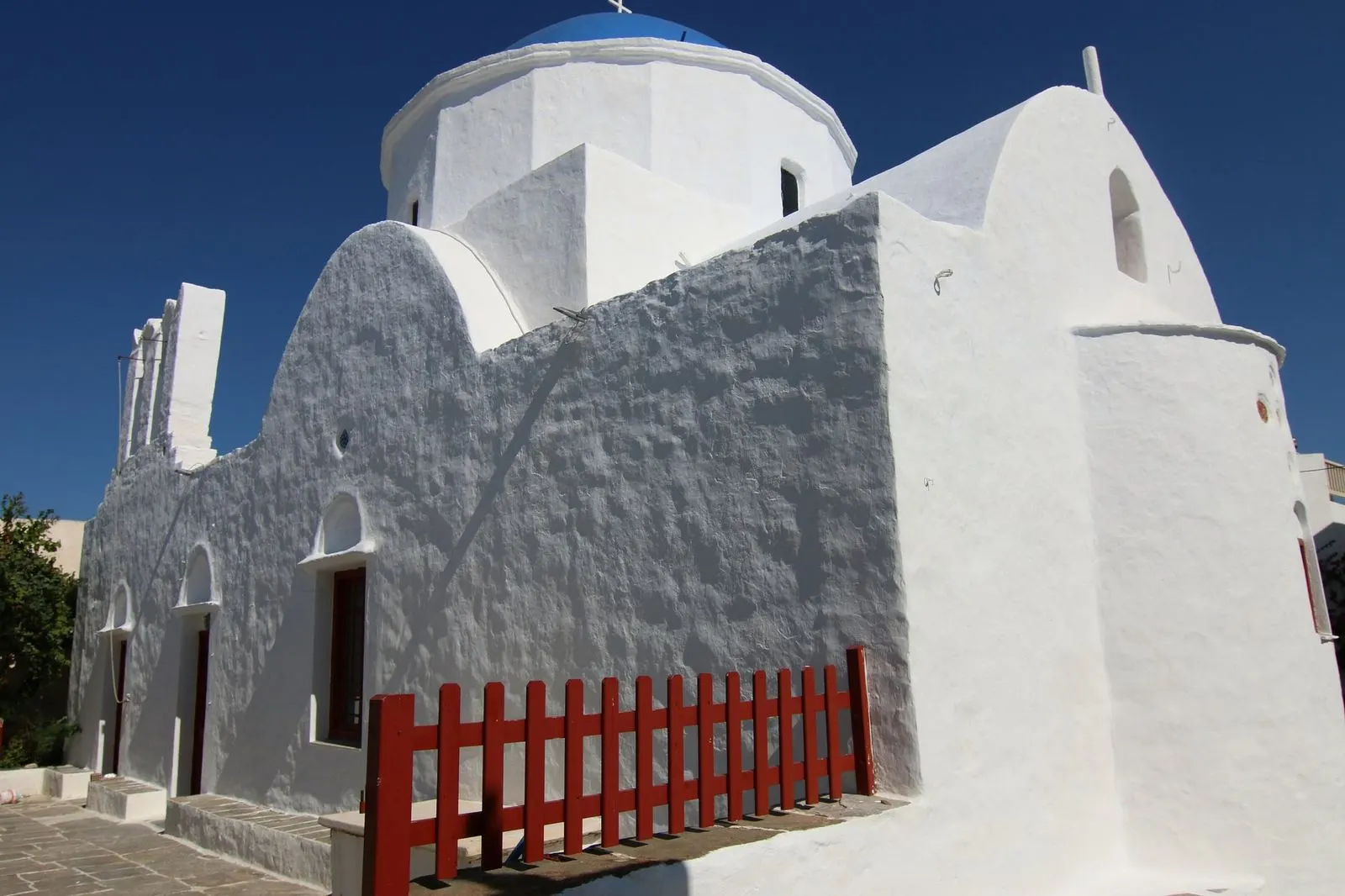
Each village feast is paid for by one person or family, the panigyras: the whitewash, the priests, the violinist and lute player, the wine and dinner for everyone. In return the saint's icon lives in their house all year. Some churches have waiting lists years long. After vespers the long tables are laid with revithada and lamb in tomato with macaroni, cooked on raised hearths, and set again and again until everyone has eaten.
Carols written new each year
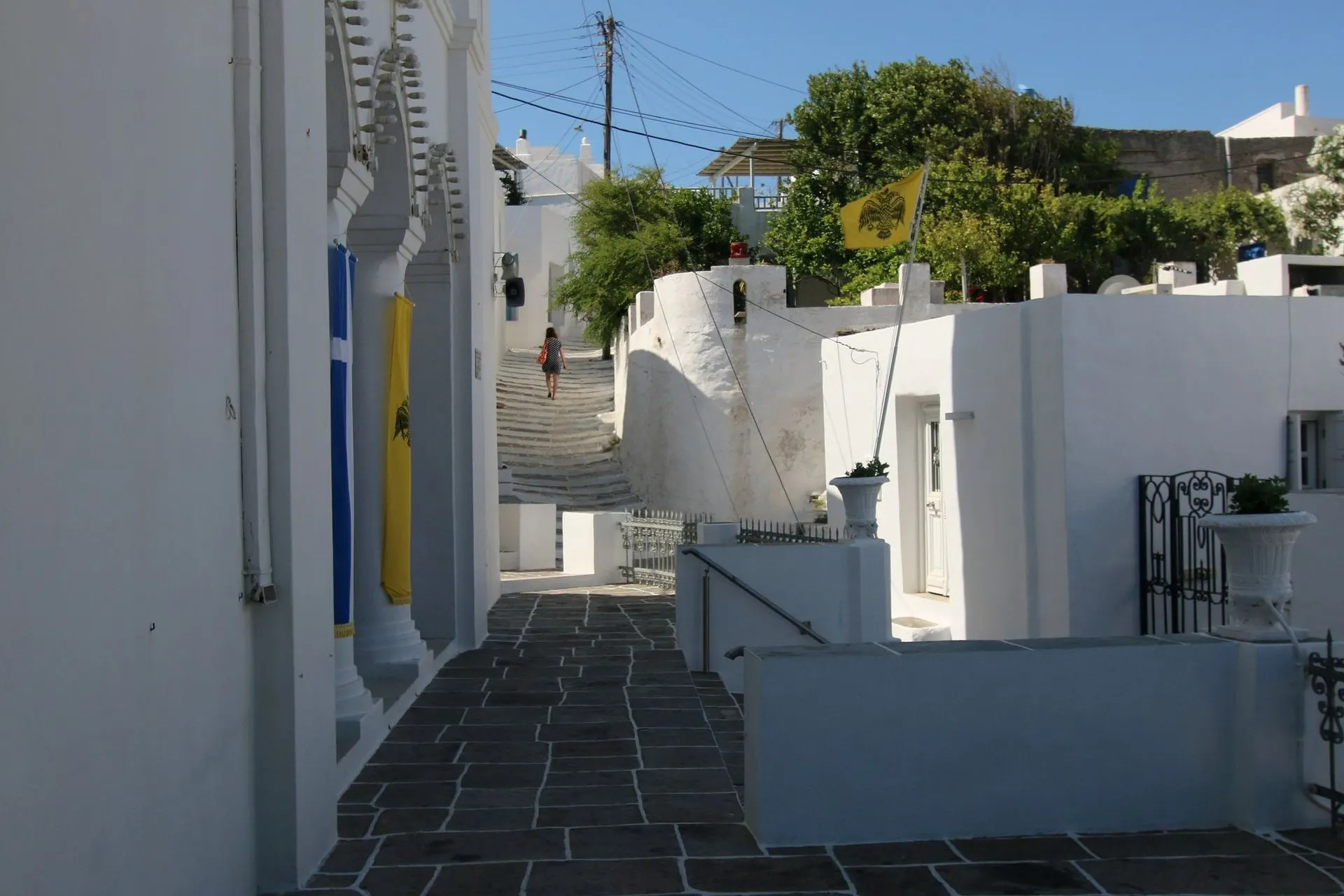
Sifnians sing their kalanda, the house-to-house carols, on New Year's Eve and New Year's Day to a Byzantine tune, and every year new verses are written about the year's news, local and world. In February the municipality judges the best of them, and in doing so keeps old words of the island's dialect alive.
A village that is its own wall
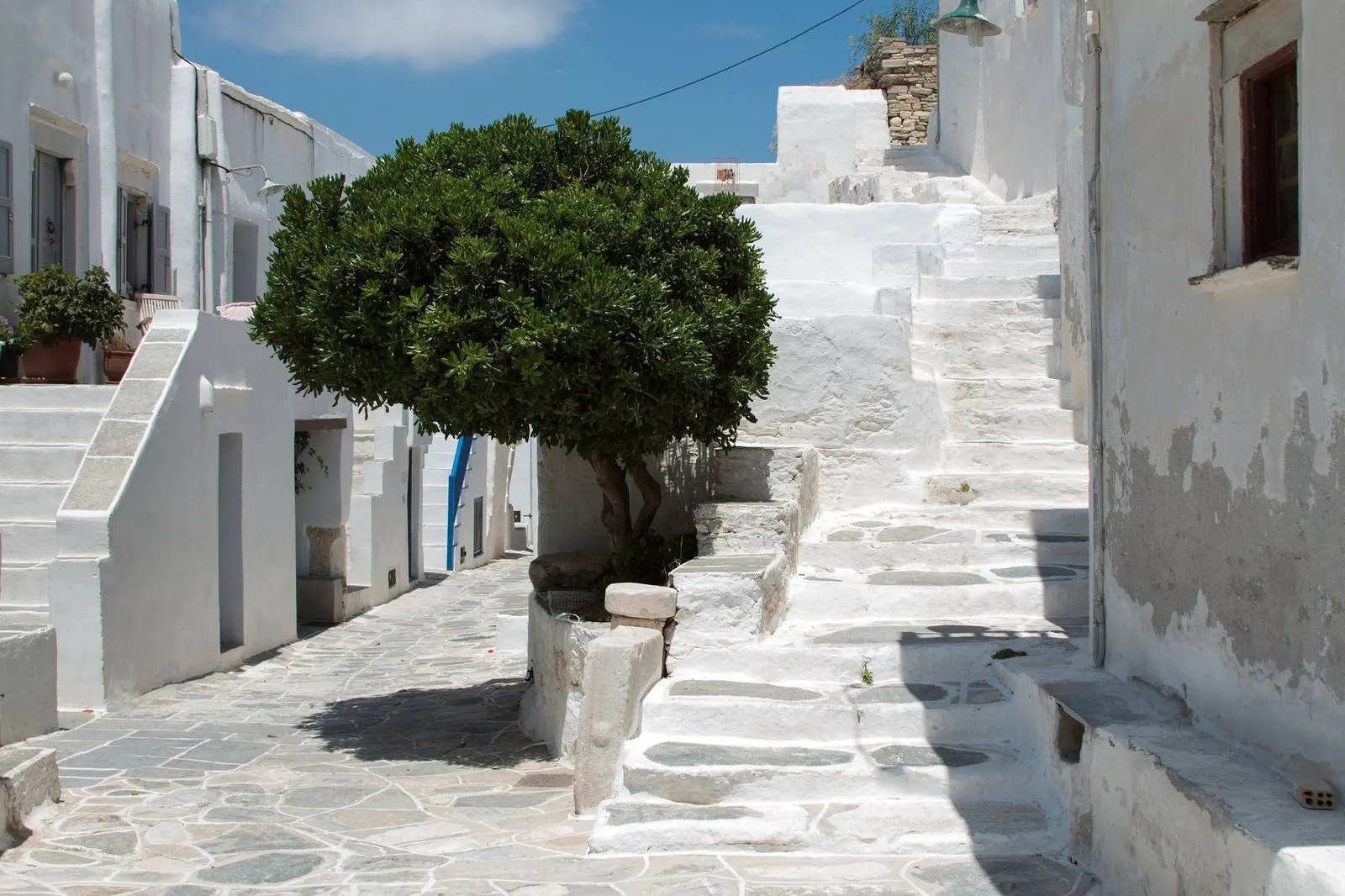
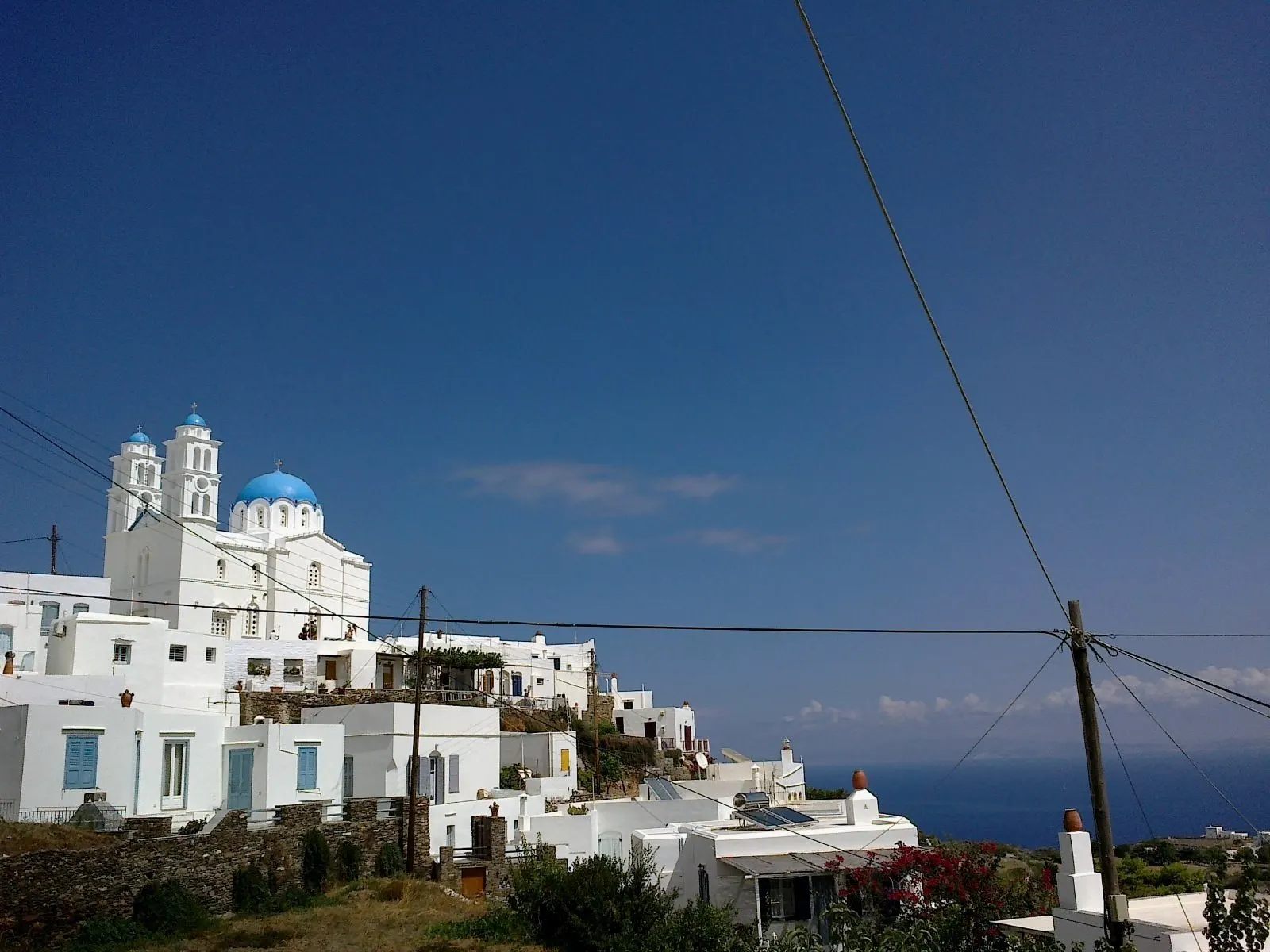
Kastro has no separate fortification. Its outer ring of three-storey houses, each only about 30 m², turns blank walls to the sea, and the way in was through six covered gateway passages called lotzies. By the early 17th century some 5,000 people were packed onto the rock, on a hill that also carries the white-marble walls of the ancient acropolis.
An island of poets
Ioannis Gryparis, born here in 1870, wrote the sonnets of Scarabs and Terracottas and translated Aeschylus and Sophocles into modern Greek; an August evening of readings, the Grypareia, is held in his honour. Aristomenis Provelengios of Exambela made the first Greek verse Faust, helped found the Academy of Athens and came home to write a book of poems called Chrysopigi.
Some 200 km of paths through juniper
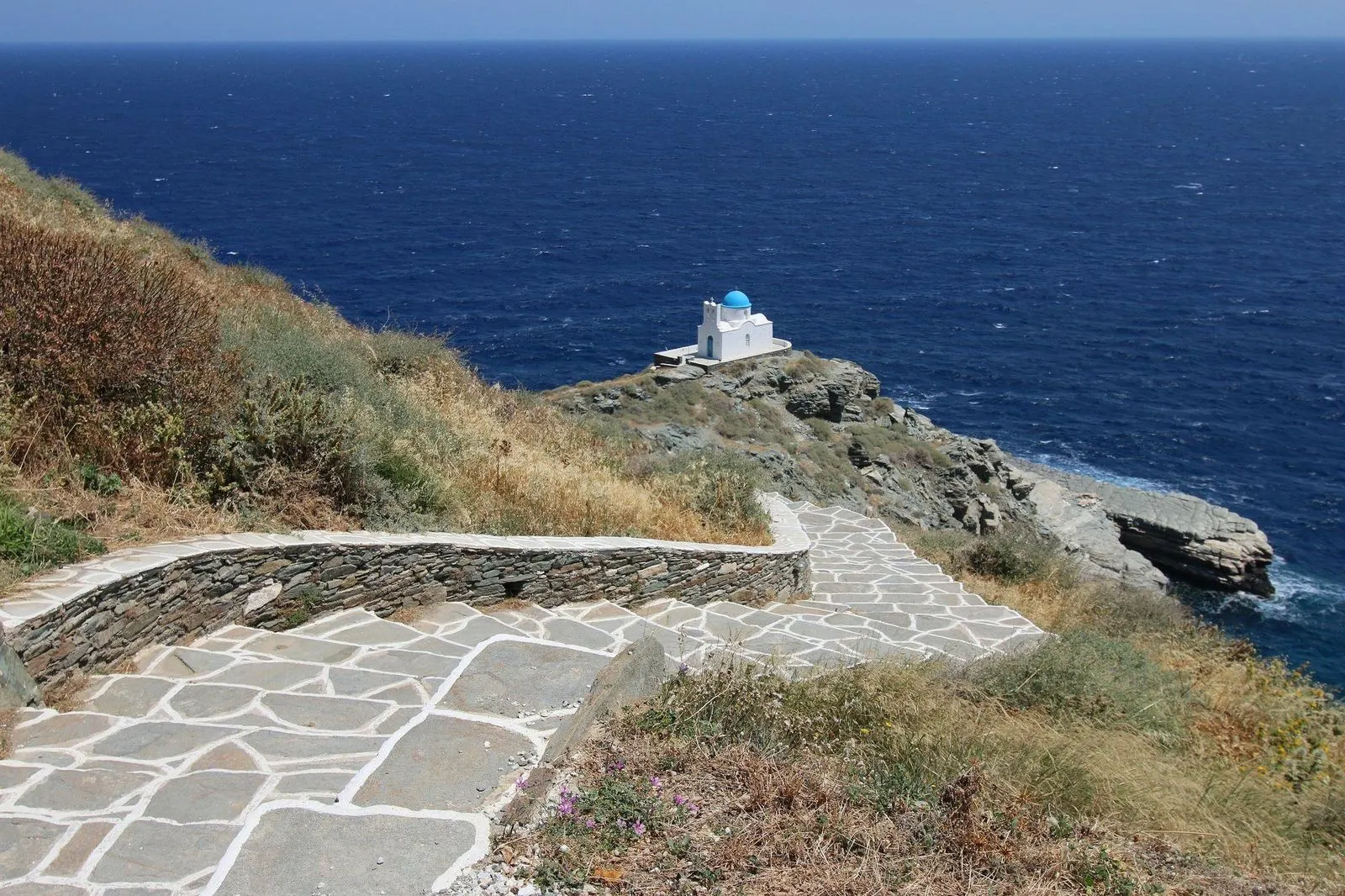
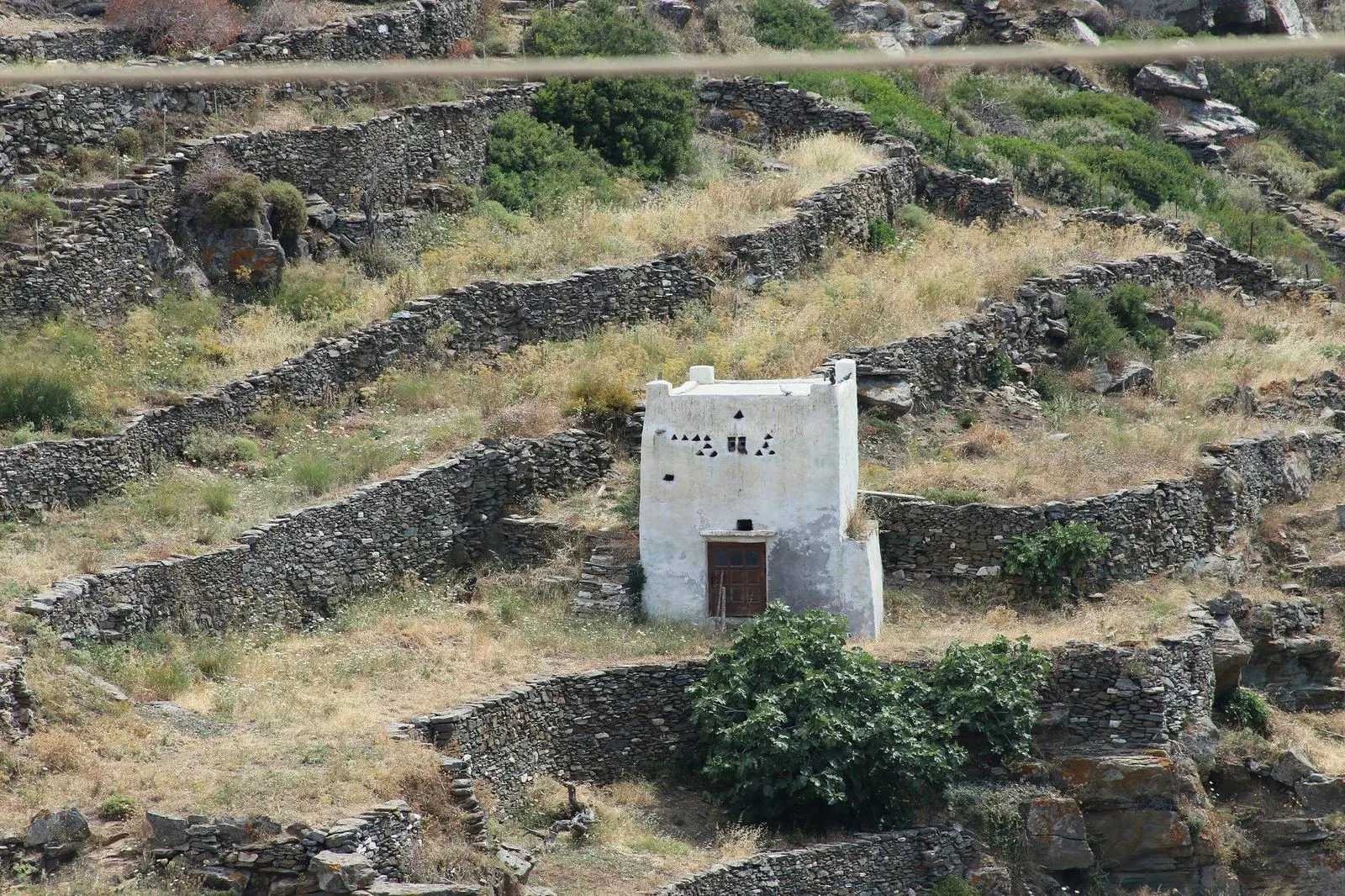
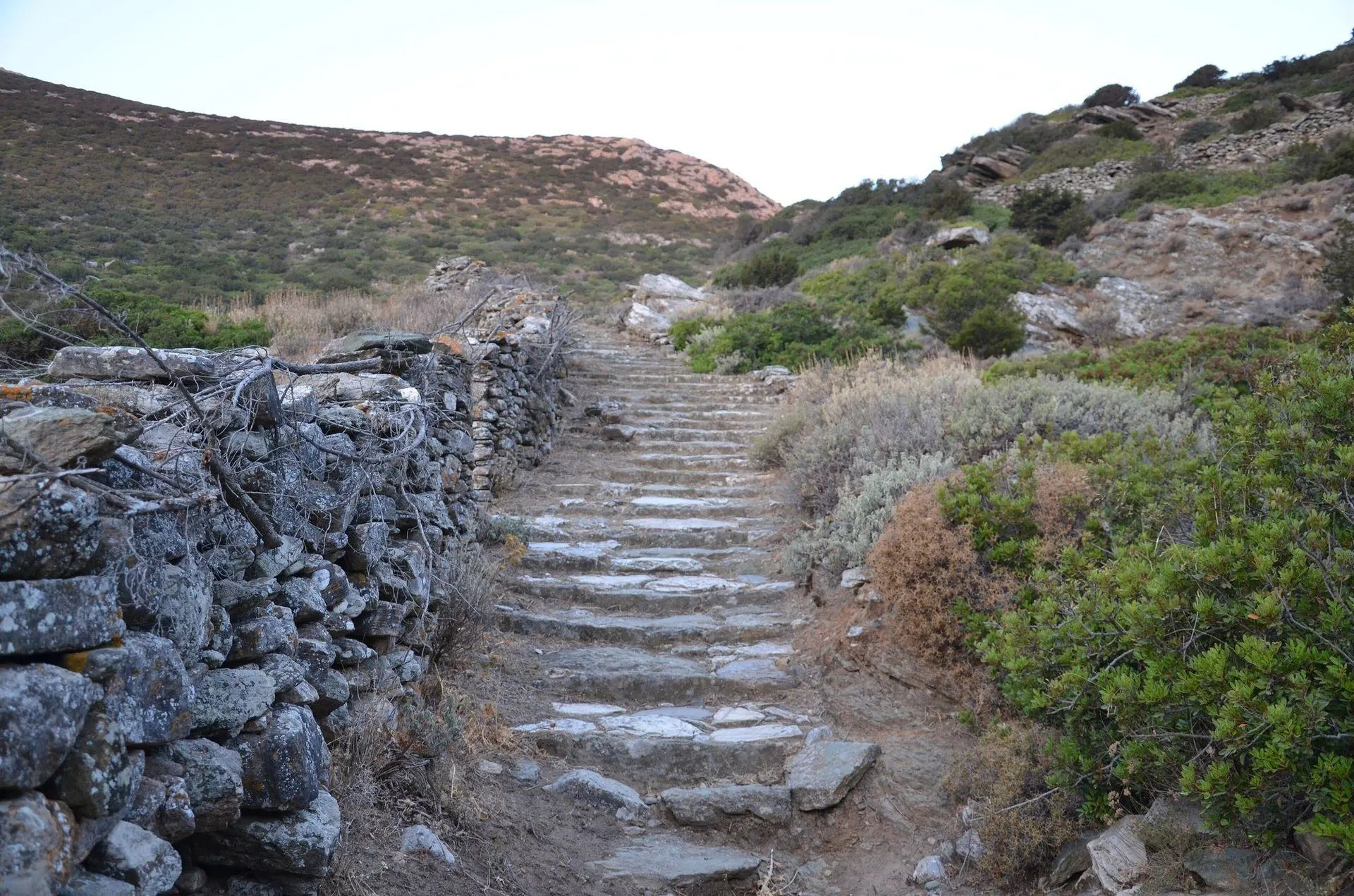
Stone and marble paths, the oldest going back to the third millennium BC, link every village, chapel and bay; 19 routes are signposted as the Sifnos Trails. They pass wells, threshing floors, lime kilns and dovecotes, and cross the island's Natura 2000 reserve, about 20 km² from Profitis Ilias to the west coast, where the protected juniper is called fida in the local dialect.