Culture
The church before the crowds
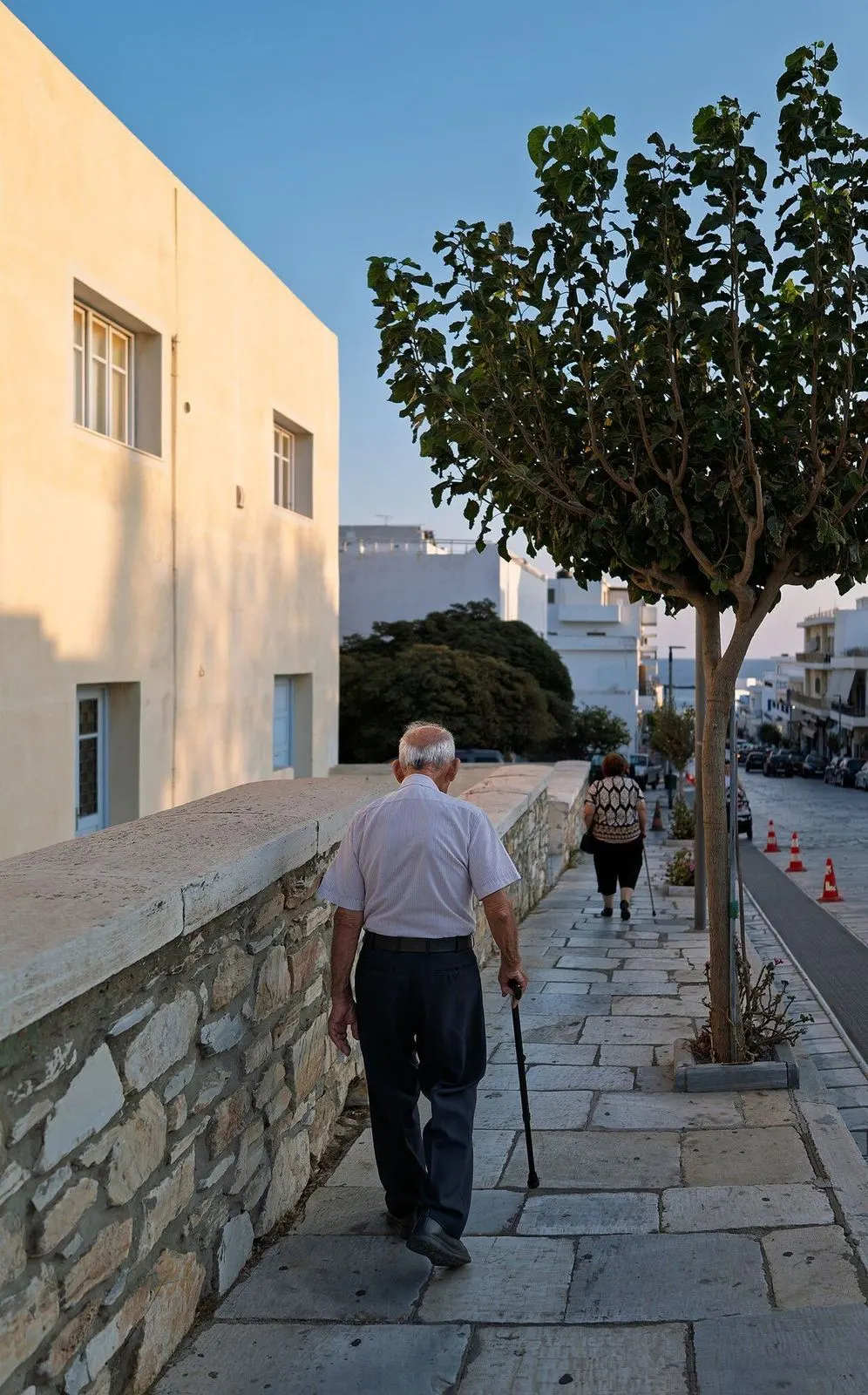
Climb to Panagia Evangelistria early, when the courtyard is cool and the first candles are being lit, and see the votive ships and silver hanging from the ceiling.
Tinos Town
Tinos · Things to do
Beaches, trails, festivals, food and wine: the experiences that make this island its own.
Experiences
Ideas for every kind of day, from a lazy swim to a full-day hike.
Culture
Climb to Panagia Evangelistria early, when the courtyard is cool and the first candles are being lit, and see the votive ships and silver hanging from the ceiling.
Tinos Town
Hike
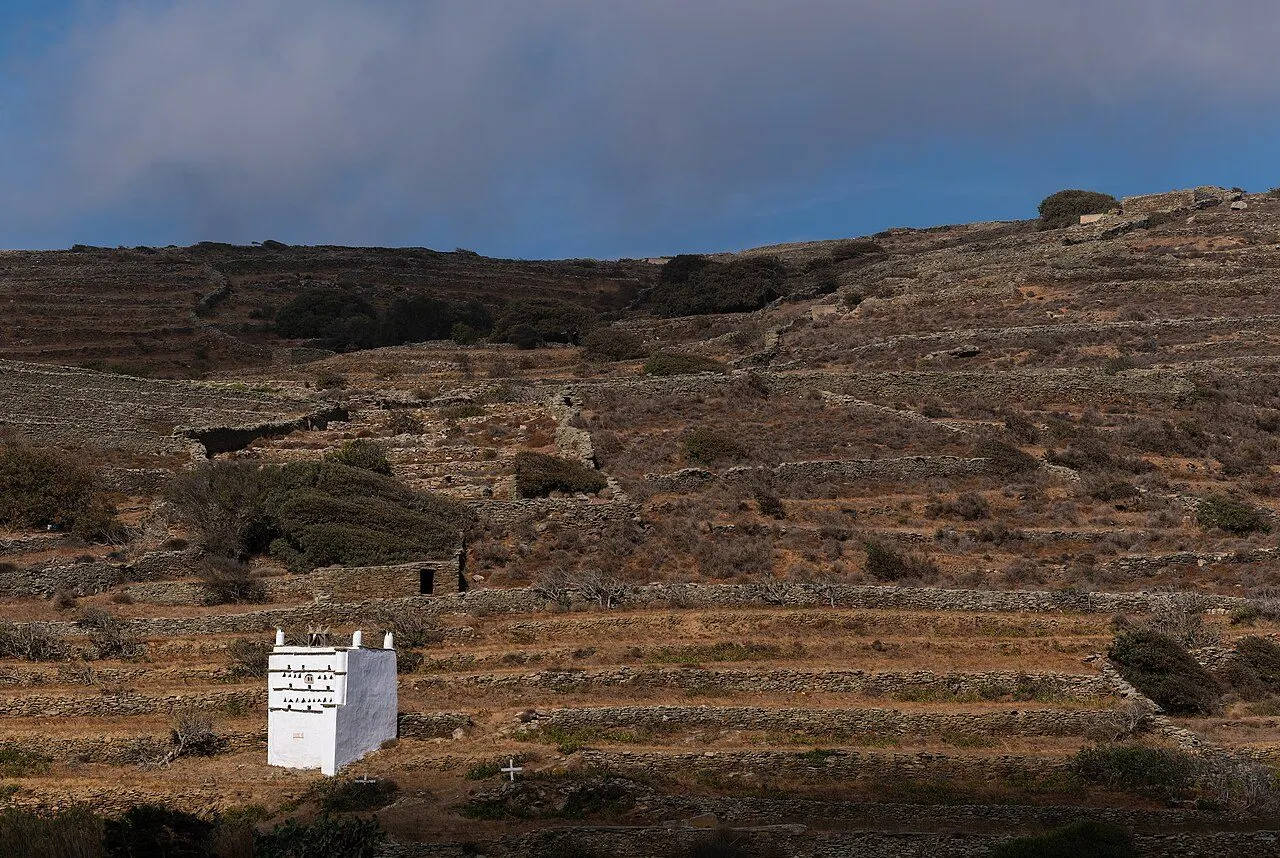
Follow the old stepped paths between Tarambados, Kampos and the villages around them, with dovecotes in almost every terrace. Many of the island's footpaths are waymarked.
Tarambados and Kampos
Hike
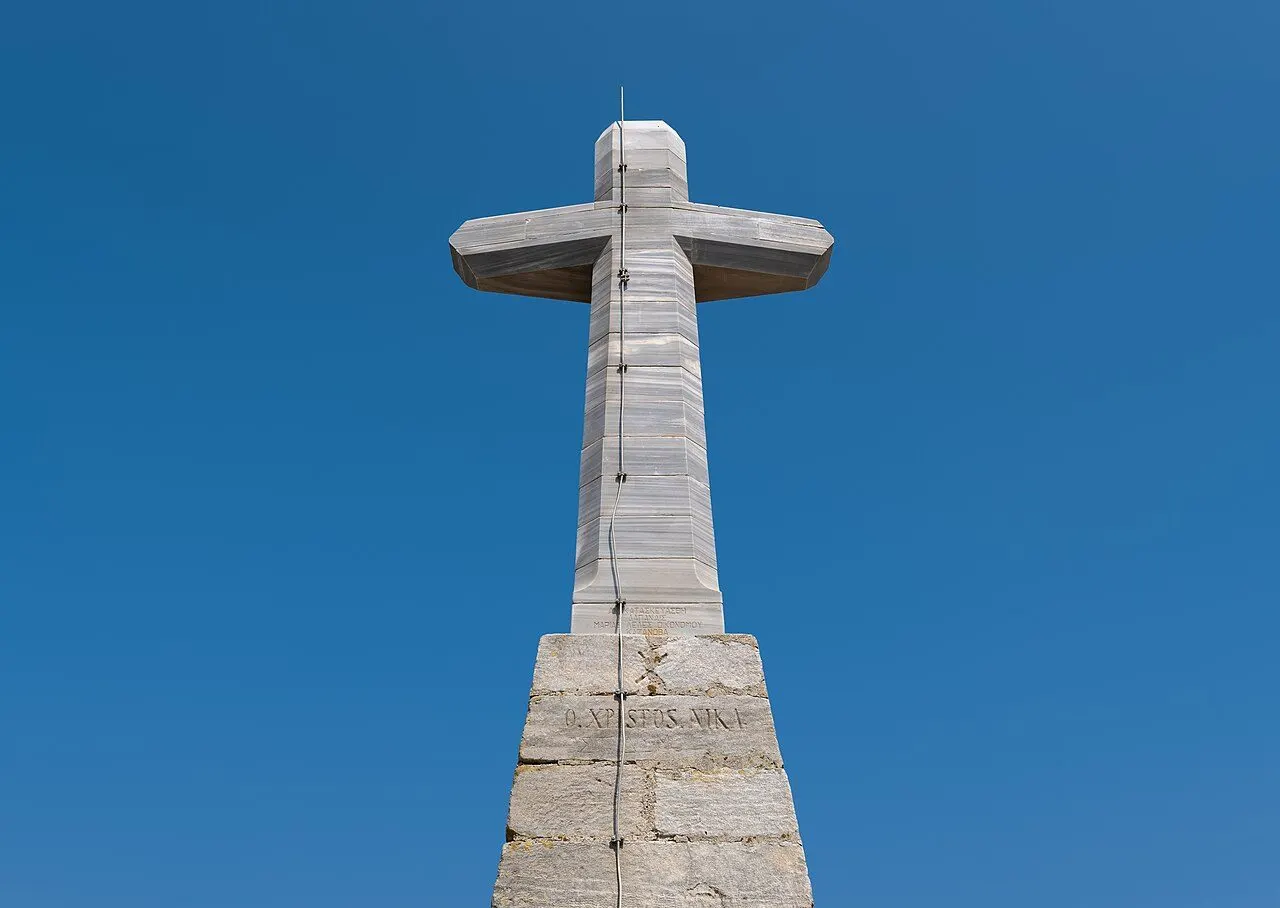
Scramble up the granite rock of the Venetian capital for the ruins and a view that takes in Syros, Mykonos, Delos and Naxos on a clear day. Go early, take water, and skip it in a strong wind.
Exomvourgo
Culture
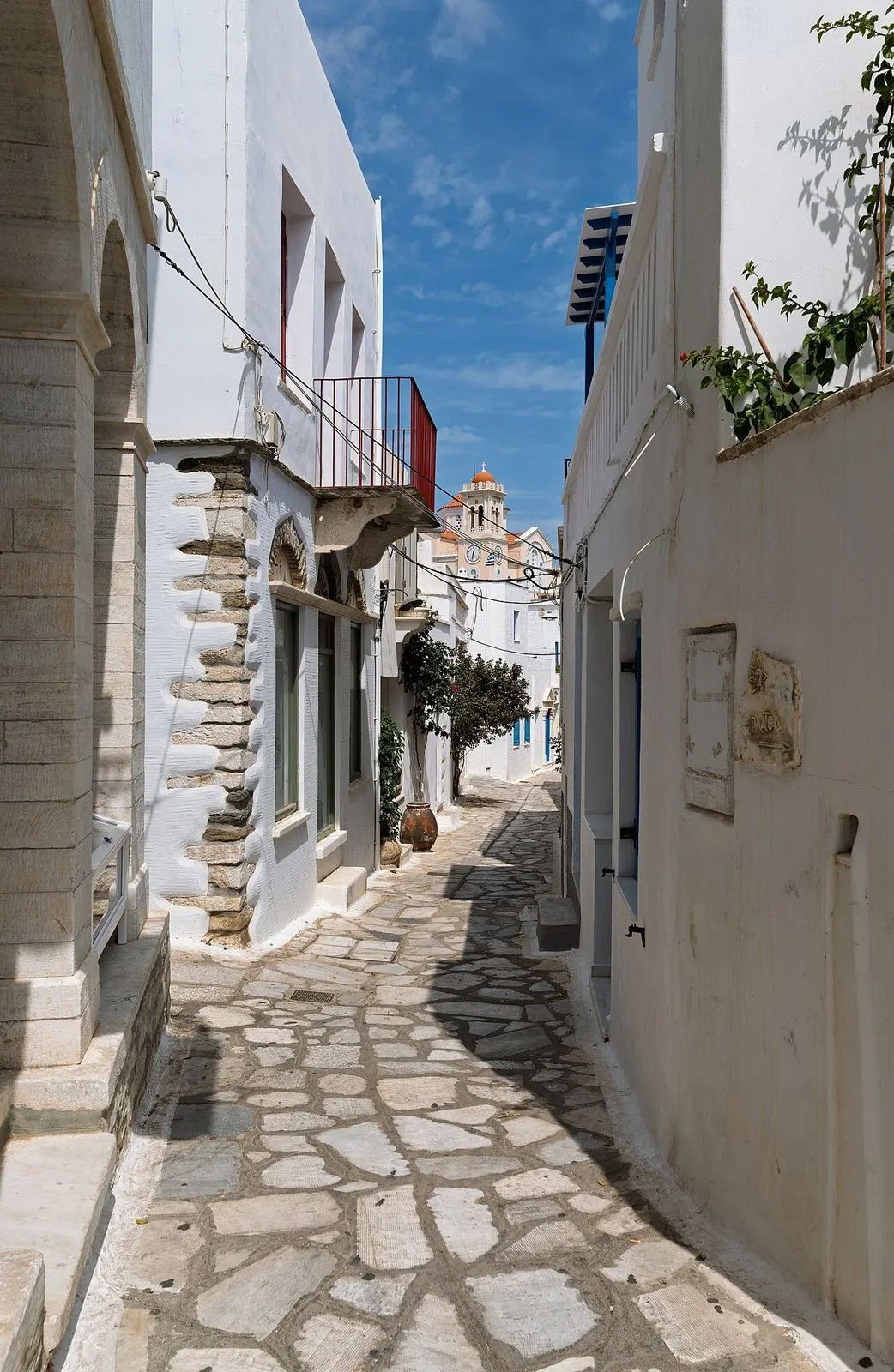
Visit the Museum of Marble Crafts and the house of Chalepas, then walk the lanes listening for chisels and look at the fanlights over every door.
Pyrgos
Nature
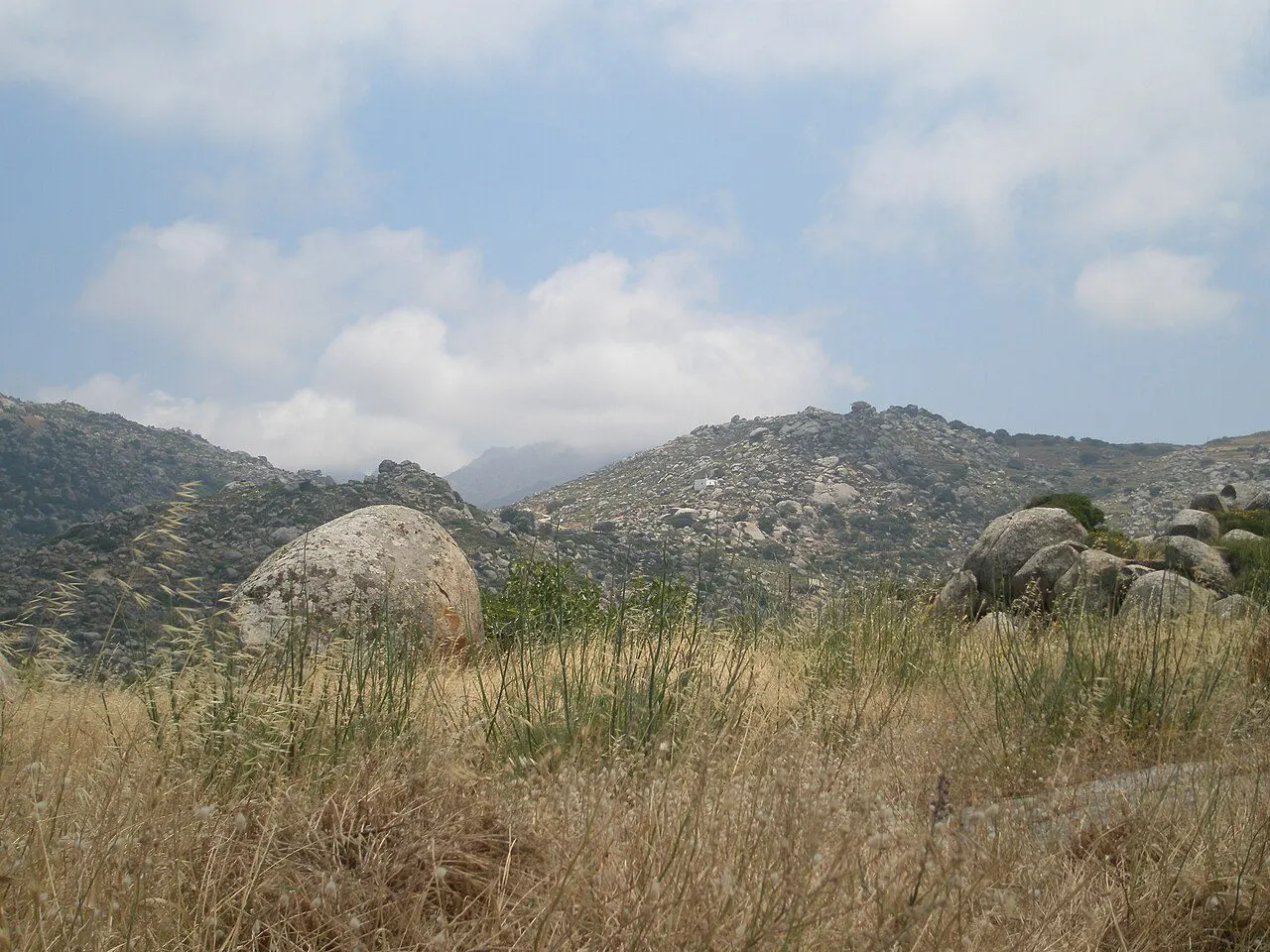
Walk through the round granite rocks around Volax, as strange as anything in the Cyclades, and buy a basket from one of the last weavers.
Volax
Beach
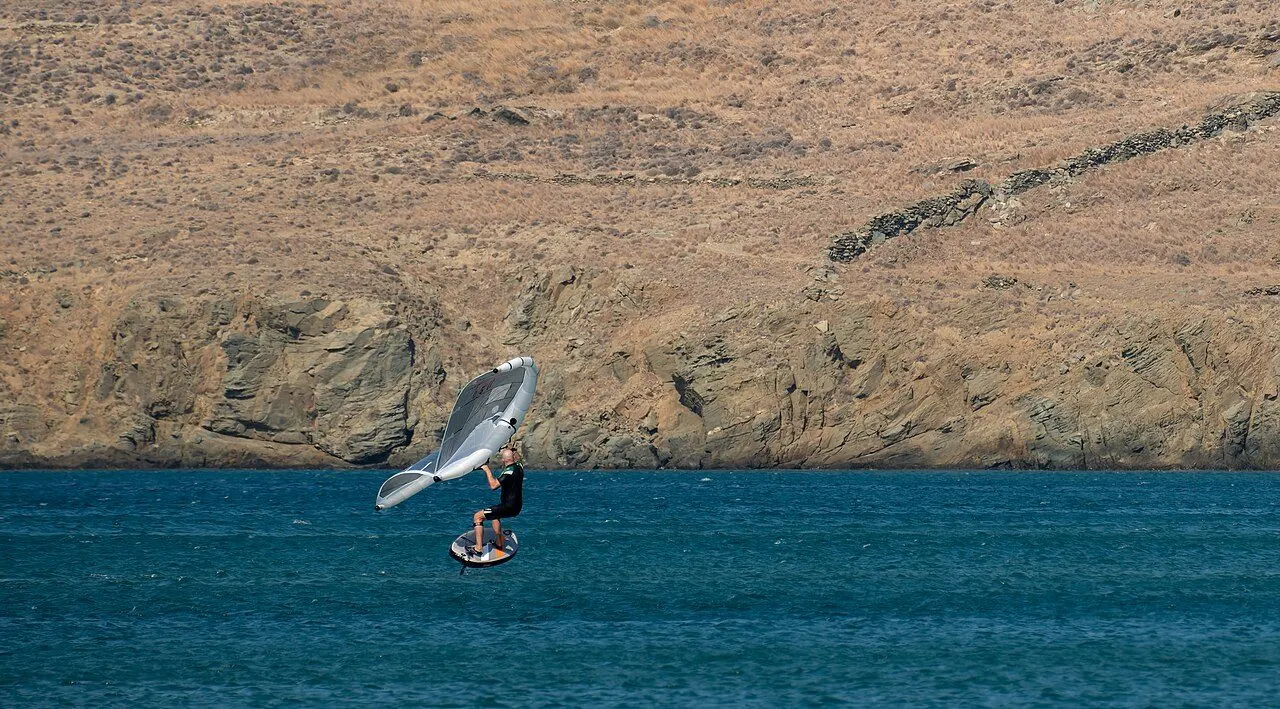
Tinos turns its strong summer wind into sport: surfers take the waves at Kolymbithra, and wing and kite riders head out on the windy days. On calm days the same bays are good for swimming.
Kolymbithra and Kionia
Food & wine
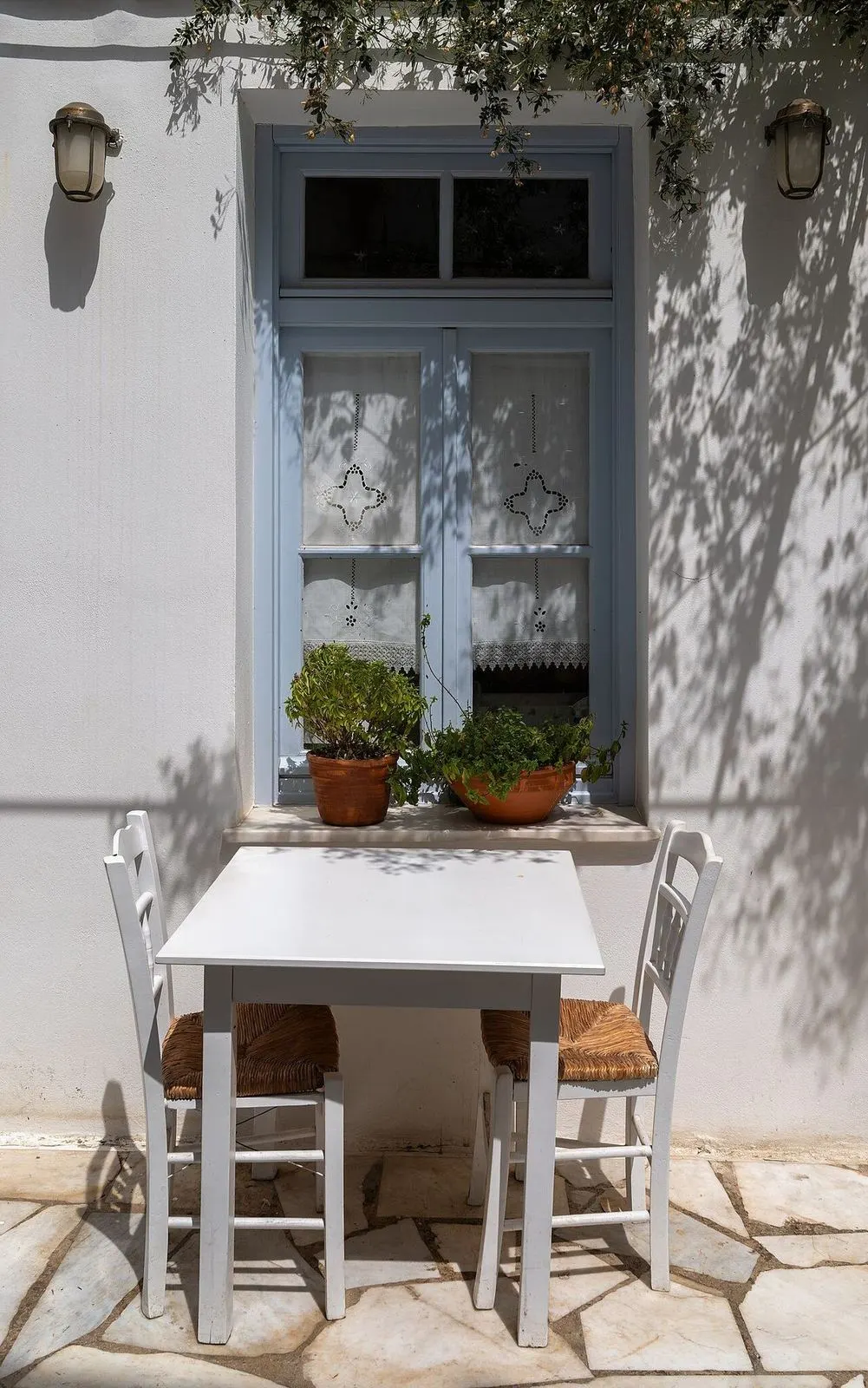
Drive up to a village taverna for artichokes, louza, local cheeses and capers, with produce grown on the terraces you passed on the way.
Inland villages
Festival
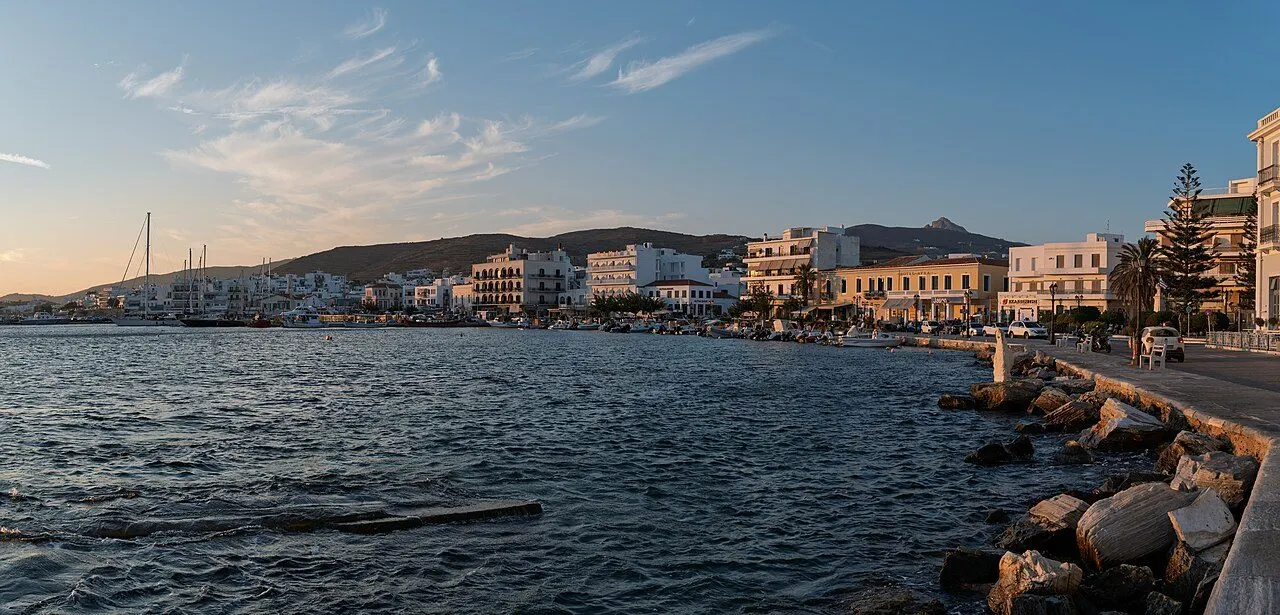
Only if you want the island at its most intense: the procession of the icon on the feast of the Dormition, with tens of thousands of pilgrims. Book months ahead, or come on another date.
Tinos Town
Only on Tinos
What sets Tinos apart from the islands on either side of it.
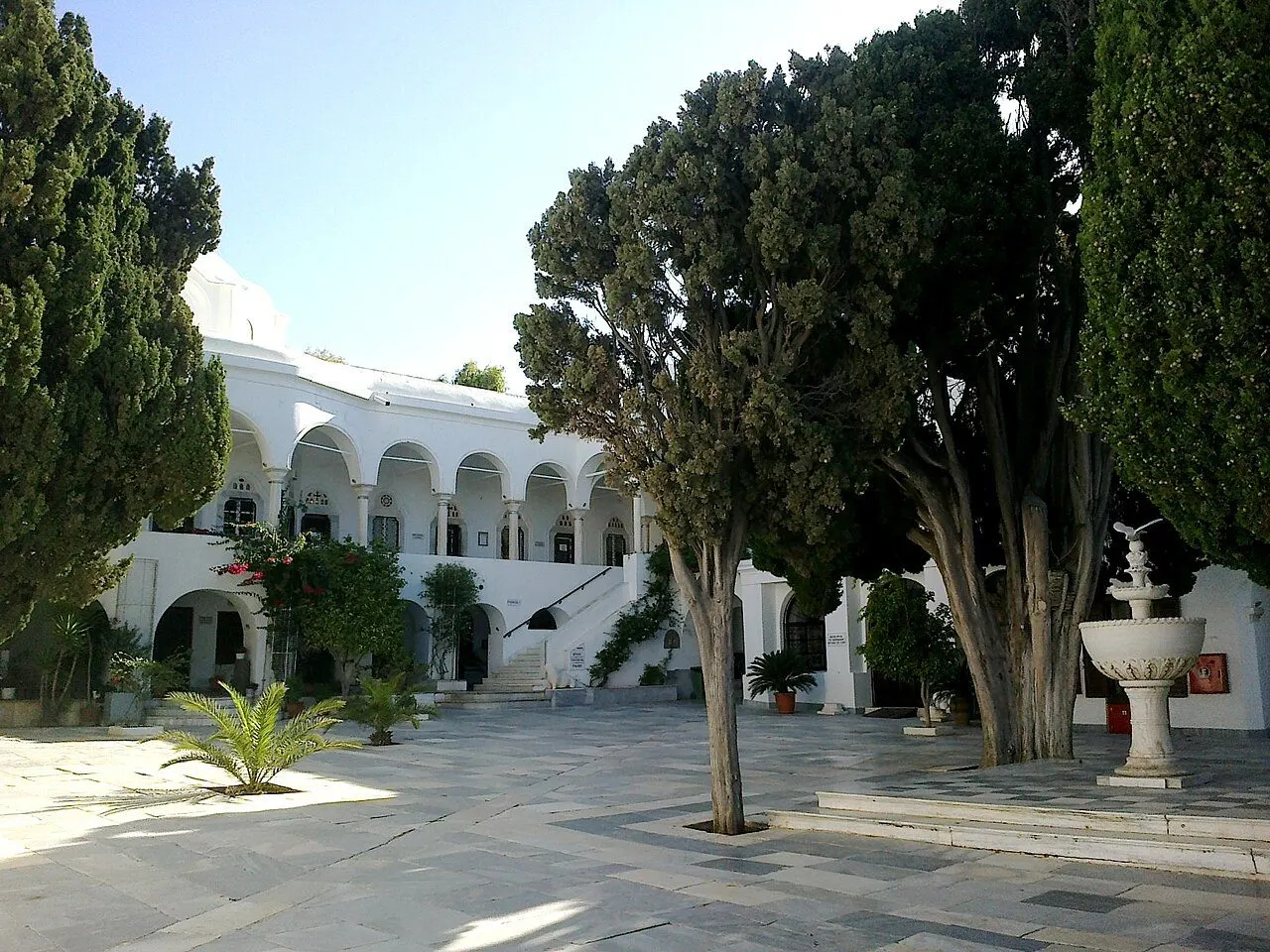
In 1823, two years into the War of Independence, a nun of the monastery of Kechrovouni, Pelagia, said she had been told in visions where to dig, and an icon of the Annunciation was found in a field above the port. The church of Panagia Evangelistria was built over the spot in white marble, and it became the great pilgrimage of the Greek Orthodox world. On 25 March and above all on 15 August the island fills with people who have come to keep a promise.
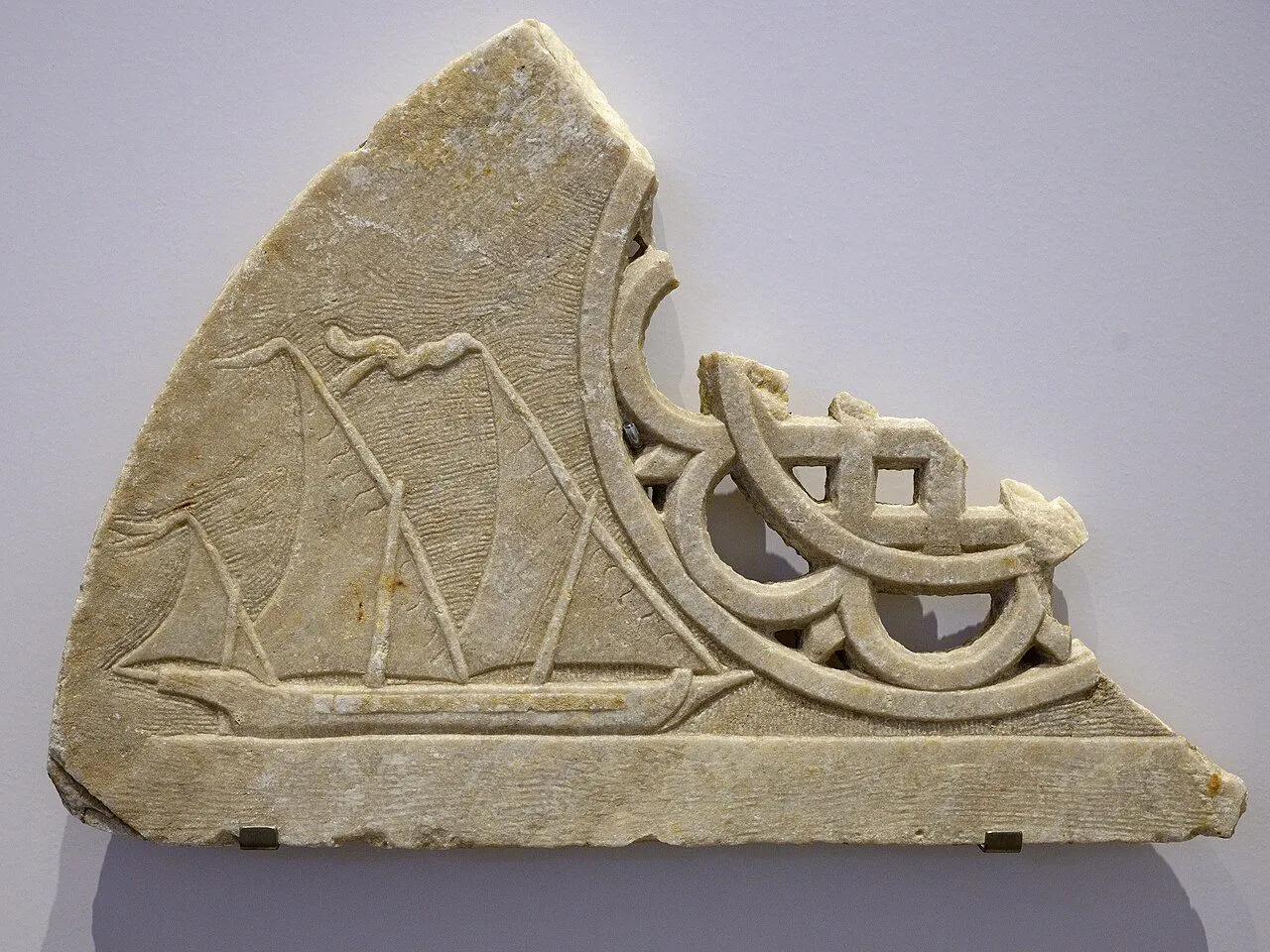
The hills of Tinos are full of white and green-veined marble, and its carvers worked it for churches, fountains and graves across Greece and the old Ottoman cities. The craft is still taught in Pyrgos, and in 2015 UNESCO listed Tinian marble craftsmanship as intangible heritage. Look up at any door on the island and you will find a carved fanlight over it.
Hundreds of dovecotes stand in the terraces of Tinos, most of them built from the Venetian years onwards, when keeping pigeons was a privilege and a source of meat and fertiliser. They are two-storey stone towers whose upper walls are worked into open patterns of triangles, rhombuses and suns, so the birds can come and go. The densest cluster is in the valleys around Tarambados.
Venice held Tinos for about five centuries, longer than any other island in the Aegean, and it was the last Venetian possession here when it fell to the Ottomans in 1715. That long rule left a large Catholic community, and many inland villages still have a Catholic church and an Orthodox one, sometimes a few lanes apart, each with its own bell tower.
Last updated