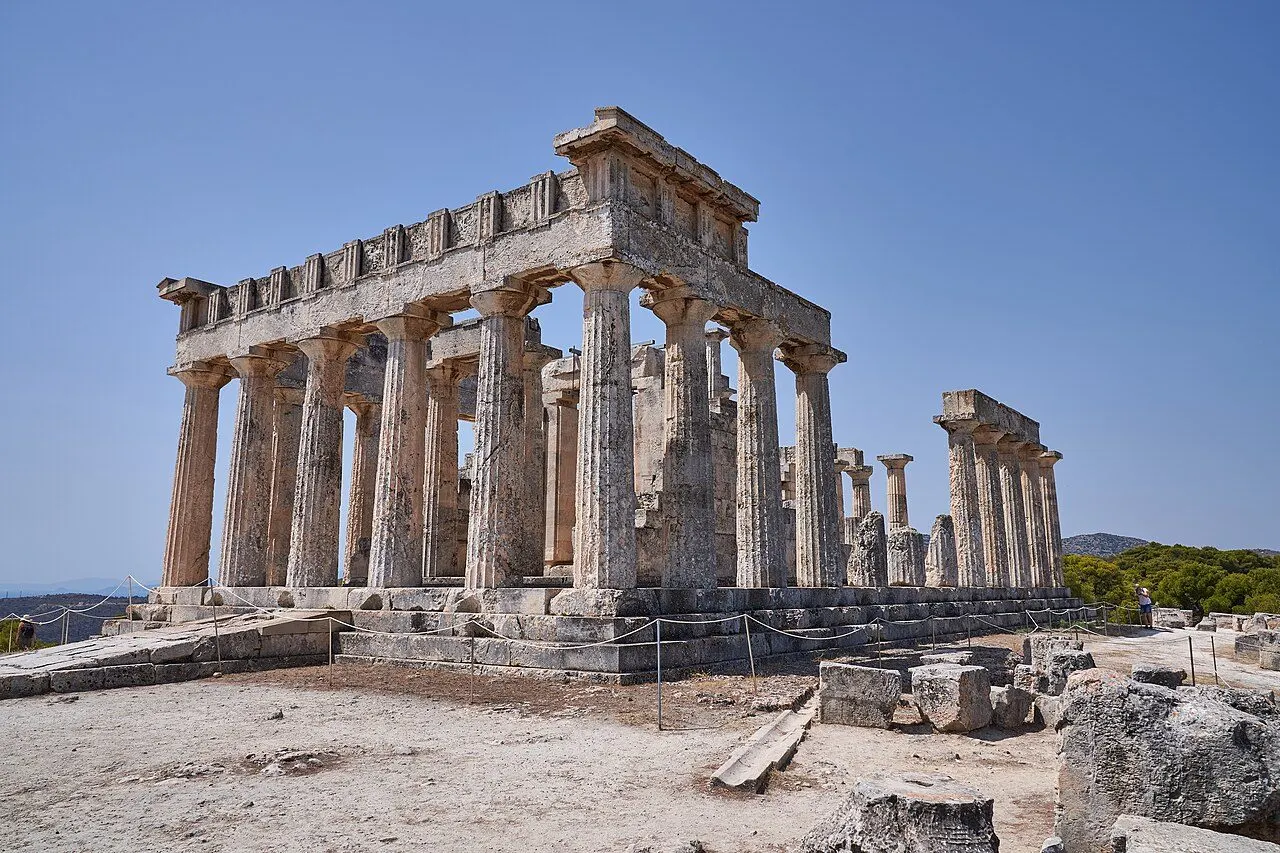
Temple of Aphaia
The best-preserved temple on the island and one of the most complete late-Archaic Doric temples in Greece, on a pine-covered summit in the north-east, with a small site museum.
Aegina · History
A Bronze Age town at Kolona, a sea power that minted Europe's first coins and built two great temples, a rival crushed by Athens, a medieval town hidden inland, and a year and a half as the capital of a newborn country.
Timeline
Myth
In myth, Zeus carried off the nymph Aegina, daughter of the river god Asopus, to this island, which then took her name. Their son Aeacus became its king. When a plague emptied the island, Zeus turned its ants into people, the Myrmidons, whose descendants later followed Achilles to Troy. Aeacus was so just that after his death he became one of the judges of the underworld.
Bronze Age
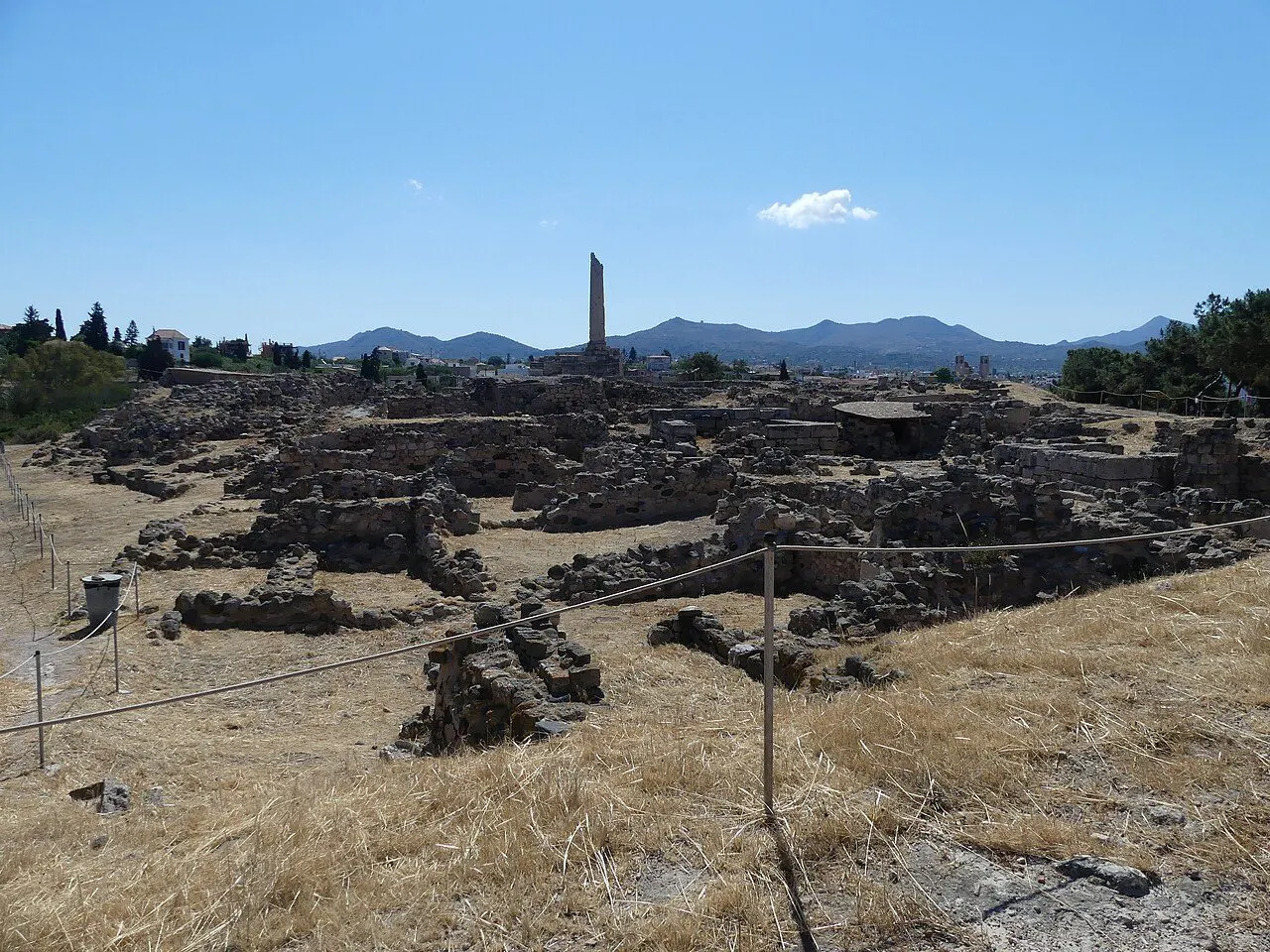
The low headland of Kolona, north of the modern harbour, was settled before 3000 BC and grew into one of the most important fortified towns of the Aegean, layer upon layer of walls and houses trading with Crete, the mainland and the Cyclades. Archaeologists working here have found a workshop for purple dye and evidence of contacts reaching as far as the Indus valley.
6th century BC
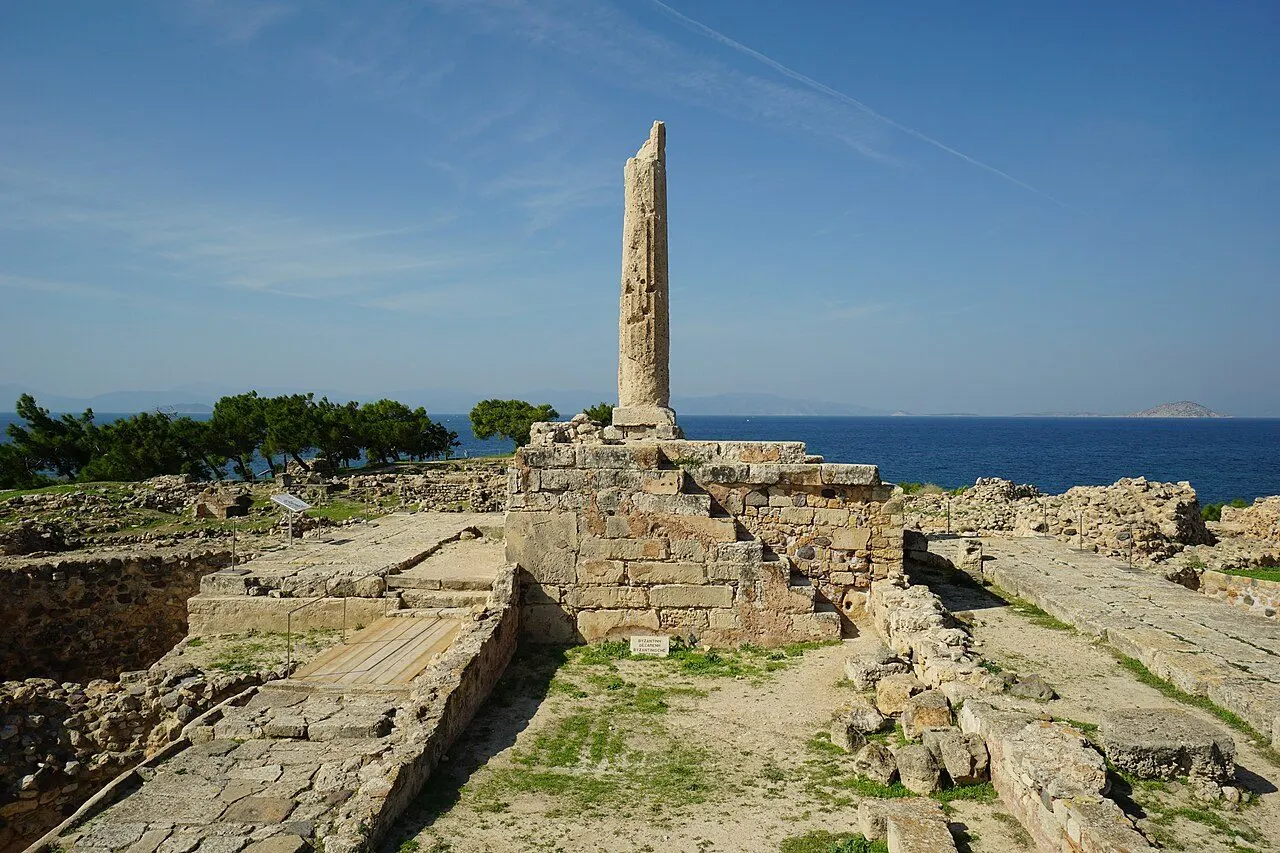
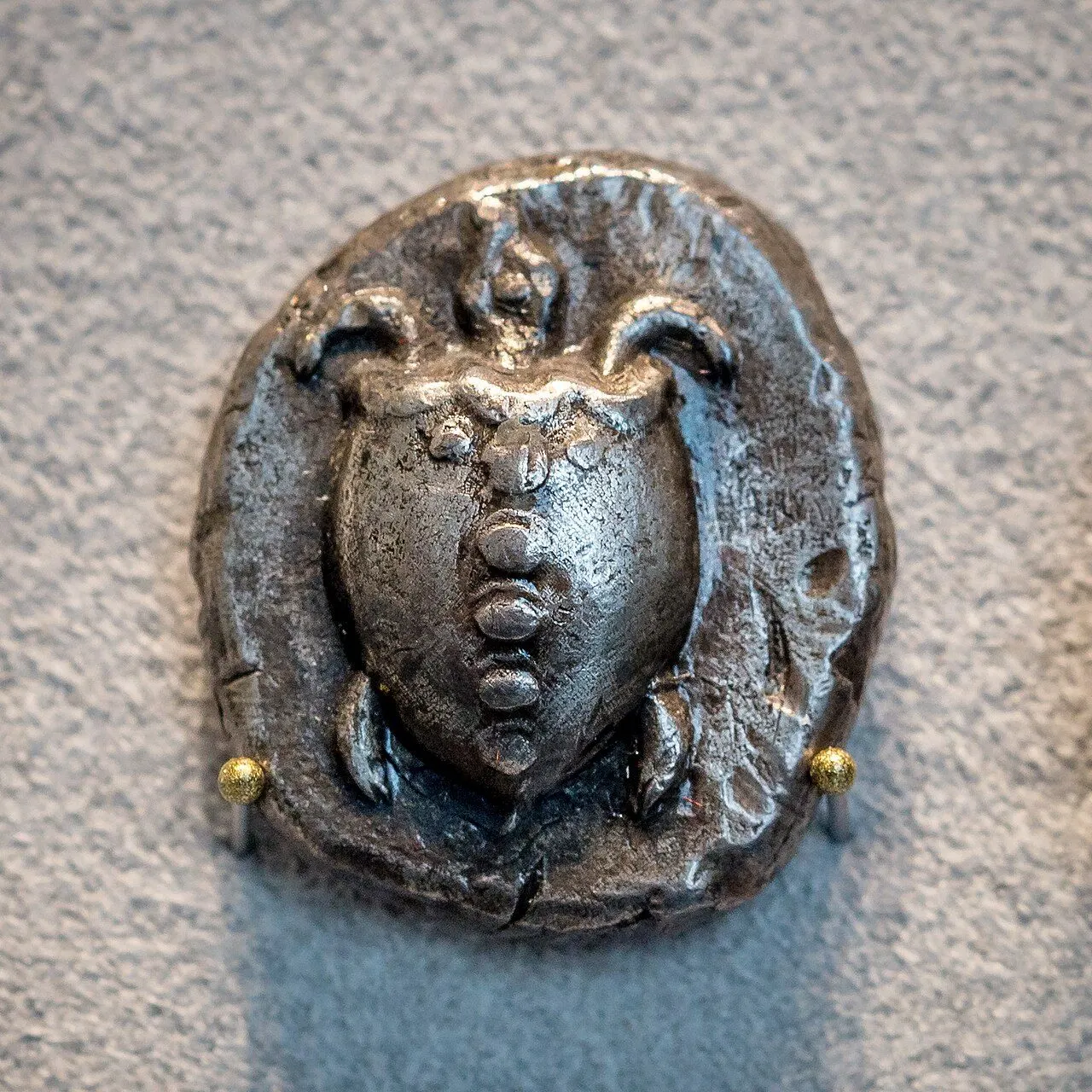
In the Archaic age Aegina was one of the great trading states of Greece, with merchants in Egypt and a fleet that rivalled any in the Aegean. Its silver coins, stamped with a sea turtle, are thought to be the first struck in Europe, and its system of weights became a standard across much of the Greek world. On Kolona it raised a temple to Apollo, of which one column still stands.
c. 500 BC
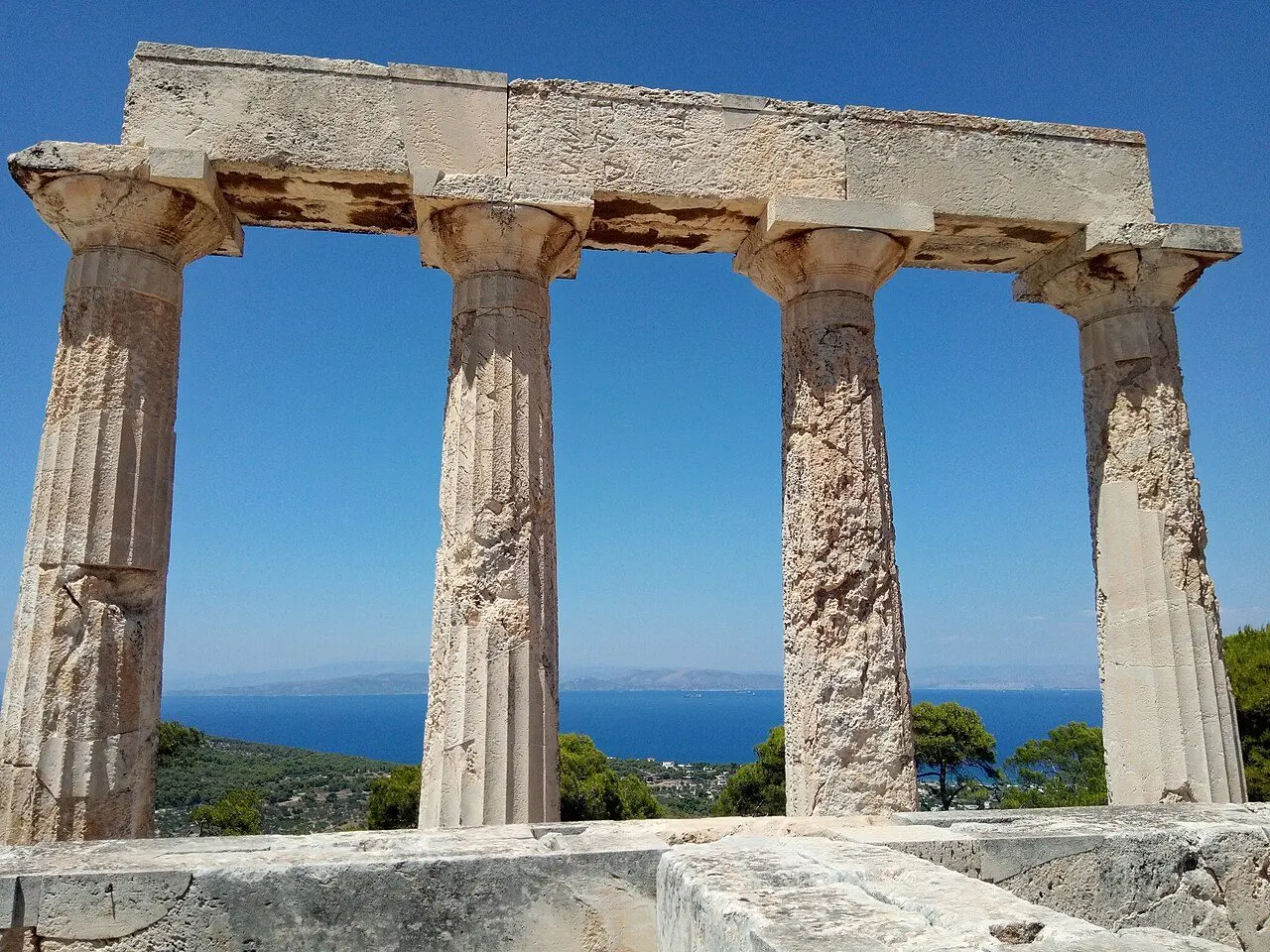
On a pine-clad hill in the north-east the Aeginetans built a new Doric temple to their local goddess Aphaia, replacing one that had burned. Its pediments showed the heroes of Aegina, the descendants of Aeacus, fighting at Troy. In 480 BC the Aeginetan ships fought so well against the Persians at Salamis that, according to Herodotus, they were judged the bravest of all the Greeks.
431 BC
Athens never forgave its neighbour for being so close and so strong; Pericles is said to have called Aegina the 'eyesore of Piraeus'. At the start of the Peloponnesian War the Athenians drove the whole population off the island and settled their own colonists in its place. The survivors were only allowed back after Athens lost the war, and Aegina never recovered its old power.
9th–19th century
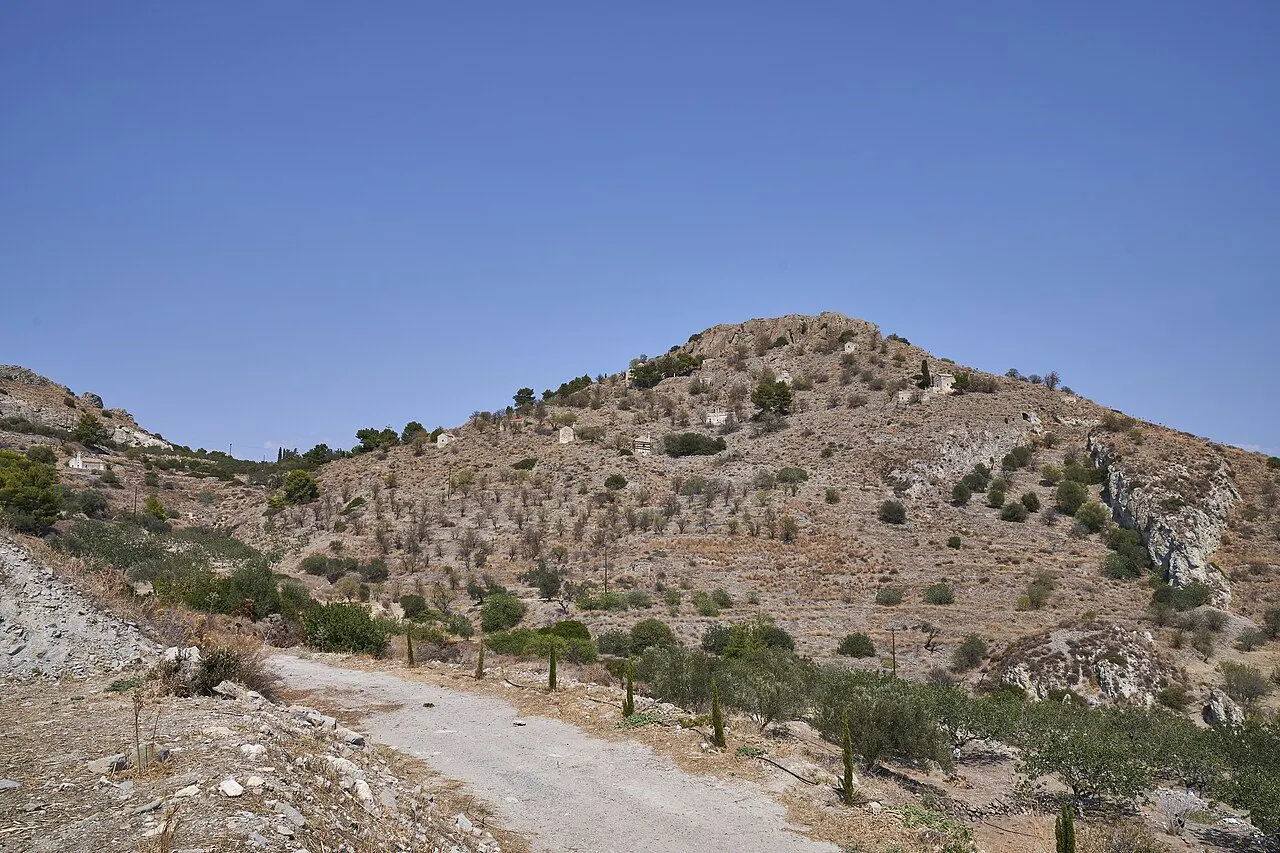
In the Byzantine period, with Arab pirates raiding from Crete, the islanders left the coast and built a new town on a hill inland, out of sight of the sea. Paleochora was ruled in turn by Byzantines, Catalans, Venetians and Ottomans, and was sacked in 1537 by Hayreddin Barbarossa, who carried thousands into slavery. It was only abandoned in the early nineteenth century, when the people returned to the harbour.
1811
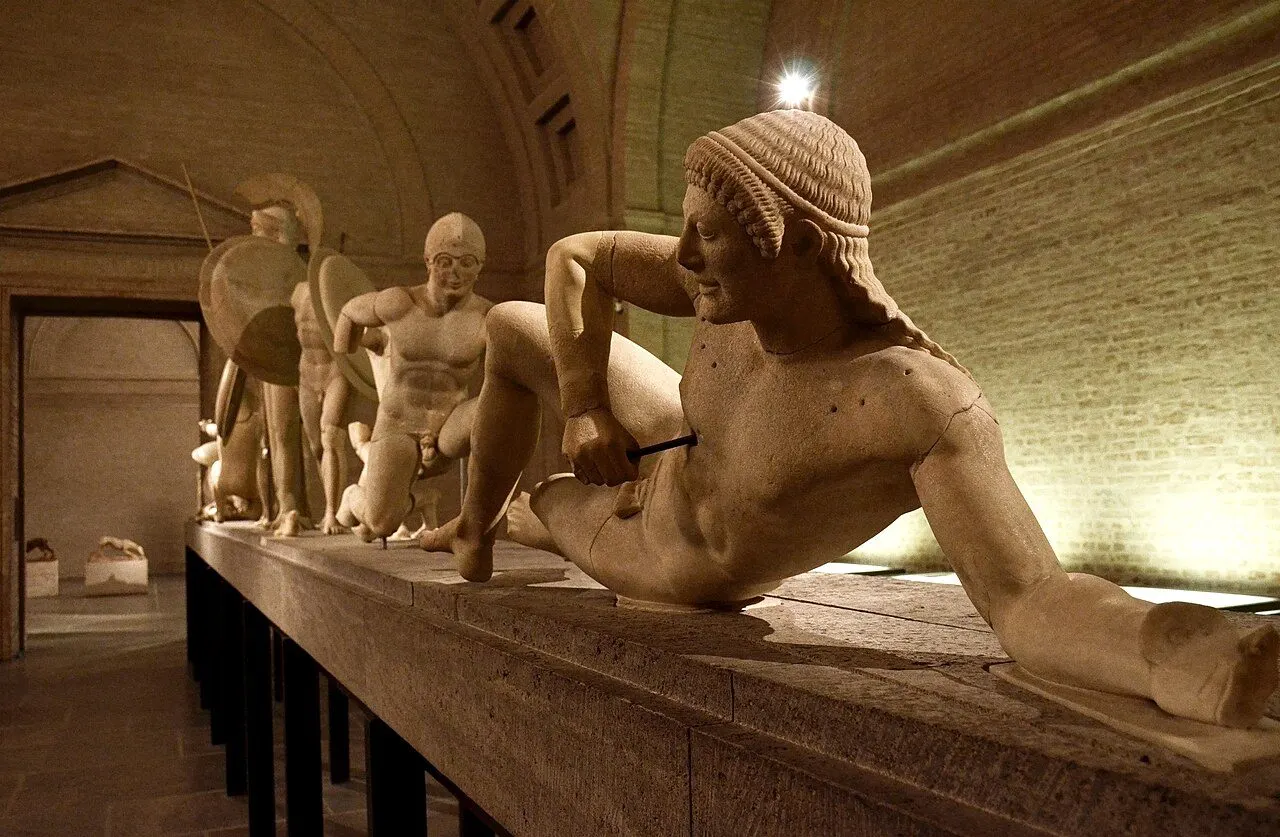
In 1811 a group of young travellers, including the English architect Charles Robert Cockerell and the German Carl Haller von Hallerstein, dug the fallen pediment sculptures out of the ground at Aphaia. Shipped off the island, they were bought for Crown Prince Ludwig of Bavaria, restored in Rome by Bertel Thorvaldsen and installed in the Glyptothek in Munich, where they remain.
1828–1829
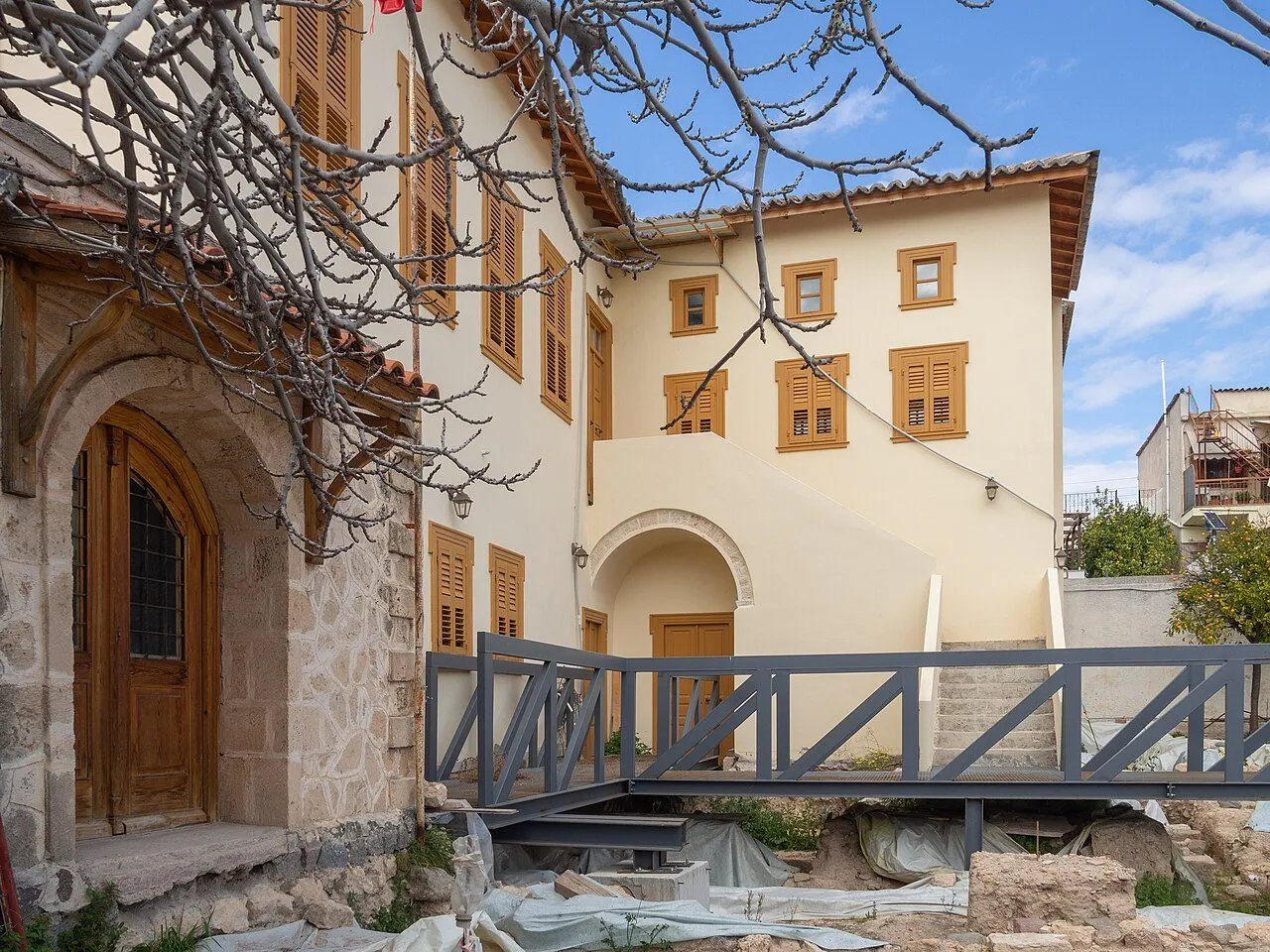
In January 1828 Ioannis Kapodistrias, the first governor of independent Greece, arrived on Aegina and made it the seat of his government. In about eighteen months he founded an orphanage, the country's first national museum of antiquities and a mint, which in 1829 struck the first coins of the new state, the phoenix. Then the government moved on to Nafplio, leaving Aegina a town of neoclassical houses.
20th century to today
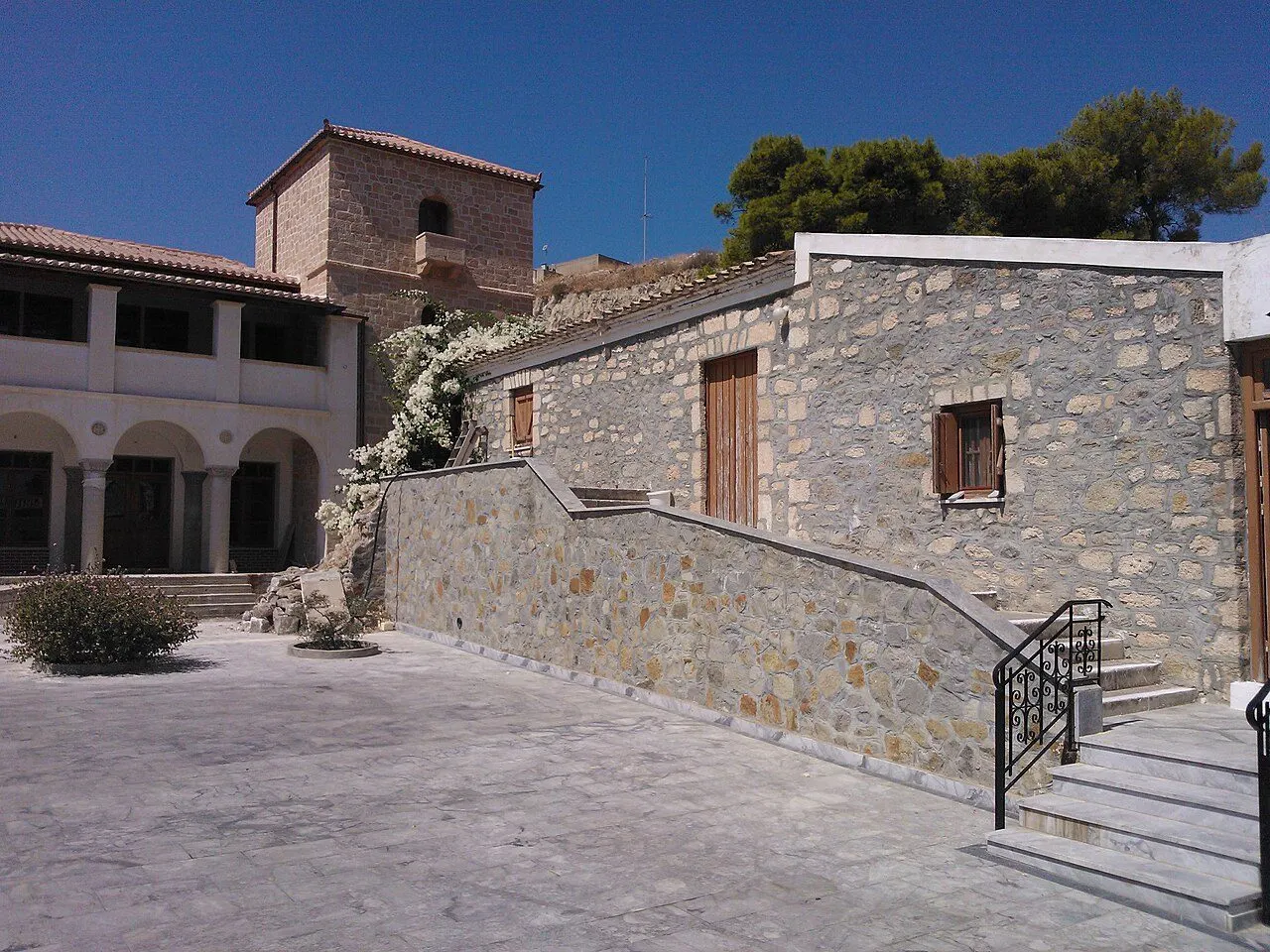
In 1904 the bishop Nektarios founded a convent below Paleochora; he died in 1920 and was declared a saint in 1961, making the island a place of pilgrimage. Pistachio orchards spread from 1896, and in the mid-twentieth century writers and artists made Aegina their summer home, among them Nikos Kazantzakis, who had a house north of town, and the sculptor Christos Kapralos.
Visit
The best-preserved temple on the island and one of the most complete late-Archaic Doric temples in Greece, on a pine-covered summit in the north-east, with a small site museum.
One column of Apollo's temple standing over the layered walls of a Bronze Age and ancient town, on a headland at the north end of Aegina Town.
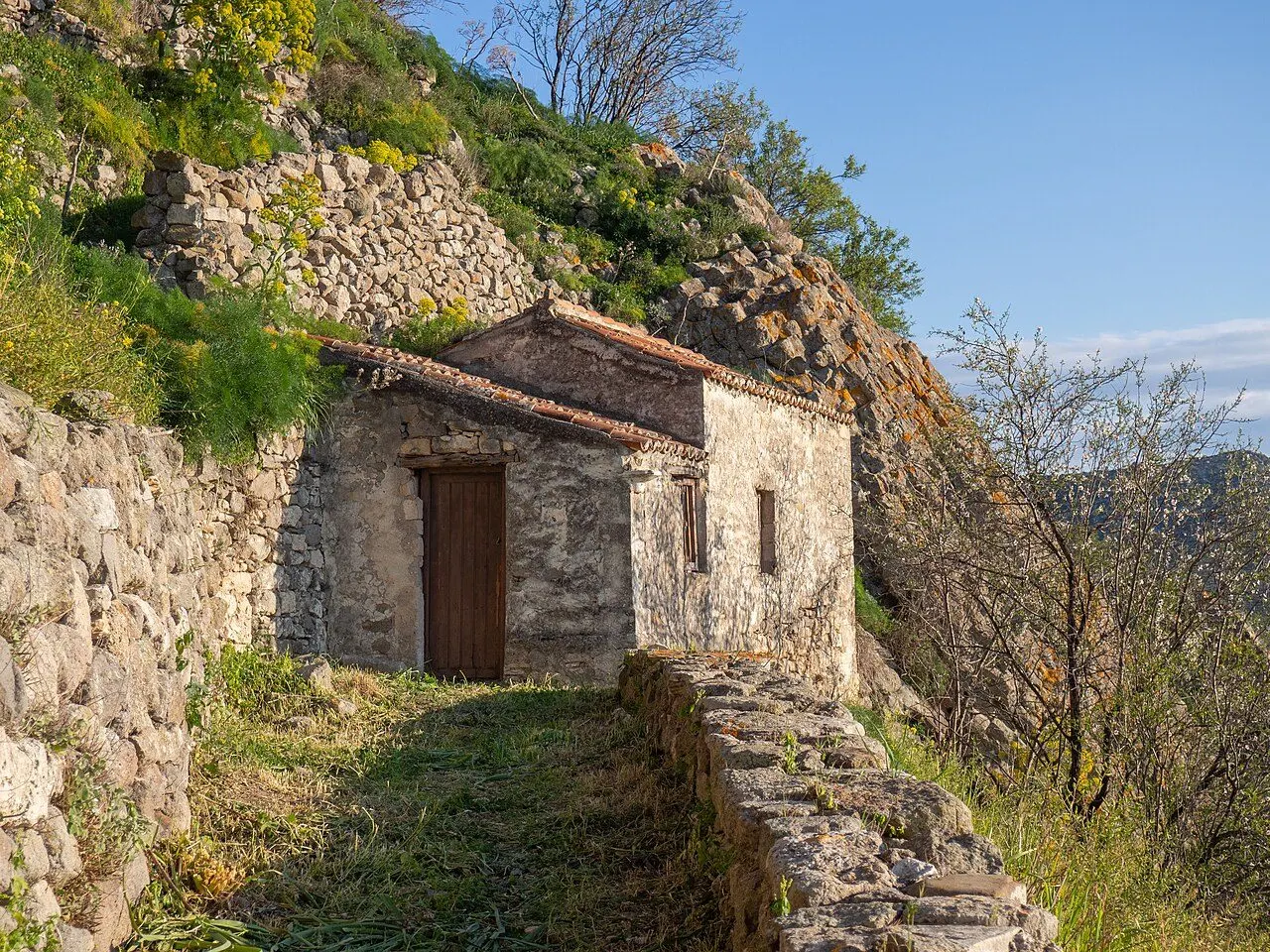
The deserted medieval capital, a rocky hill with more than thirty surviving chapels and the ruins of a Venetian castle.
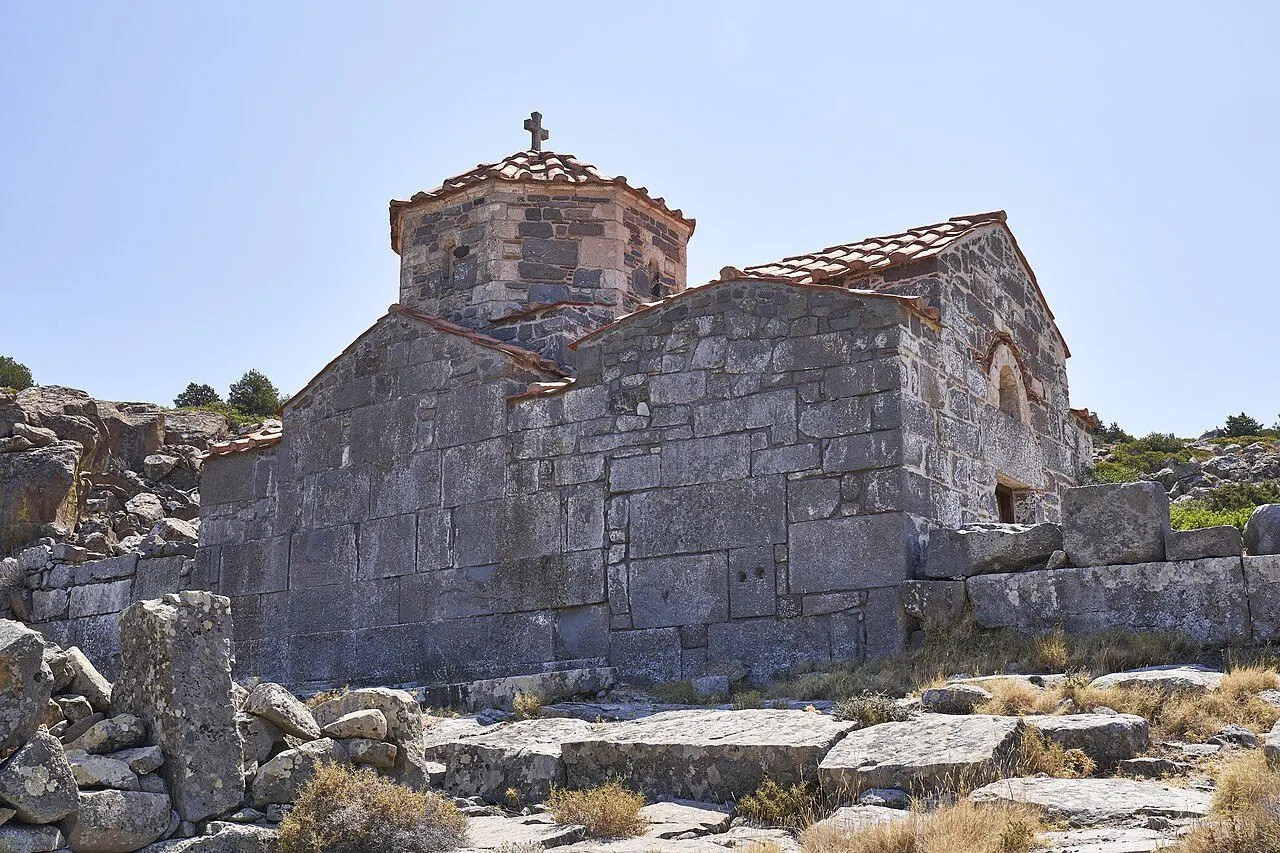
The massive terrace walls of the sanctuary of Zeus the rain-bringer on the slopes of Mount Oros, with a Byzantine church built among the ancient stones.
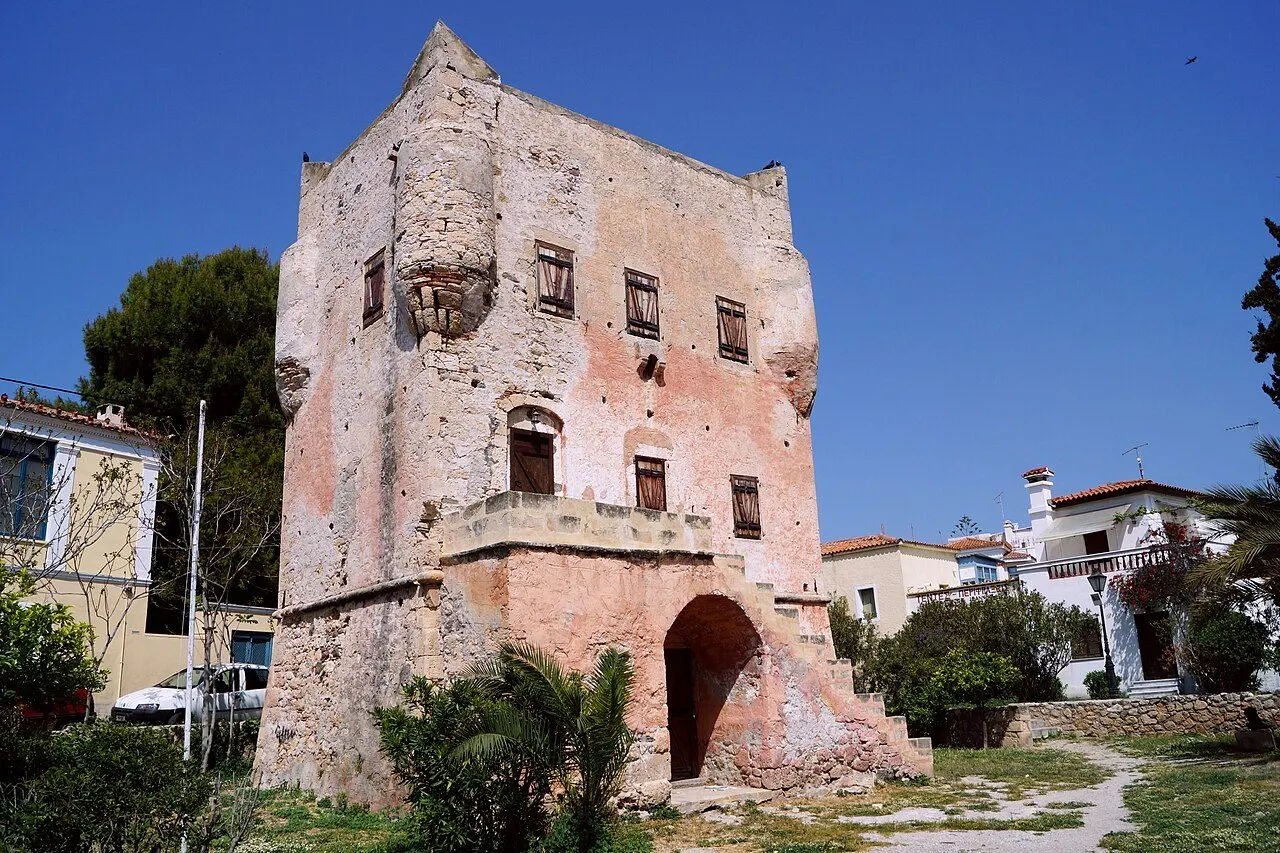
A Venetian-era tower house in the centre of Aegina Town, used by the revolutionary governments of the 1820s.
The Kyverneio, the plain neoclassical building from which Ioannis Kapodistrias governed Greece in 1828–1829.
Last updated