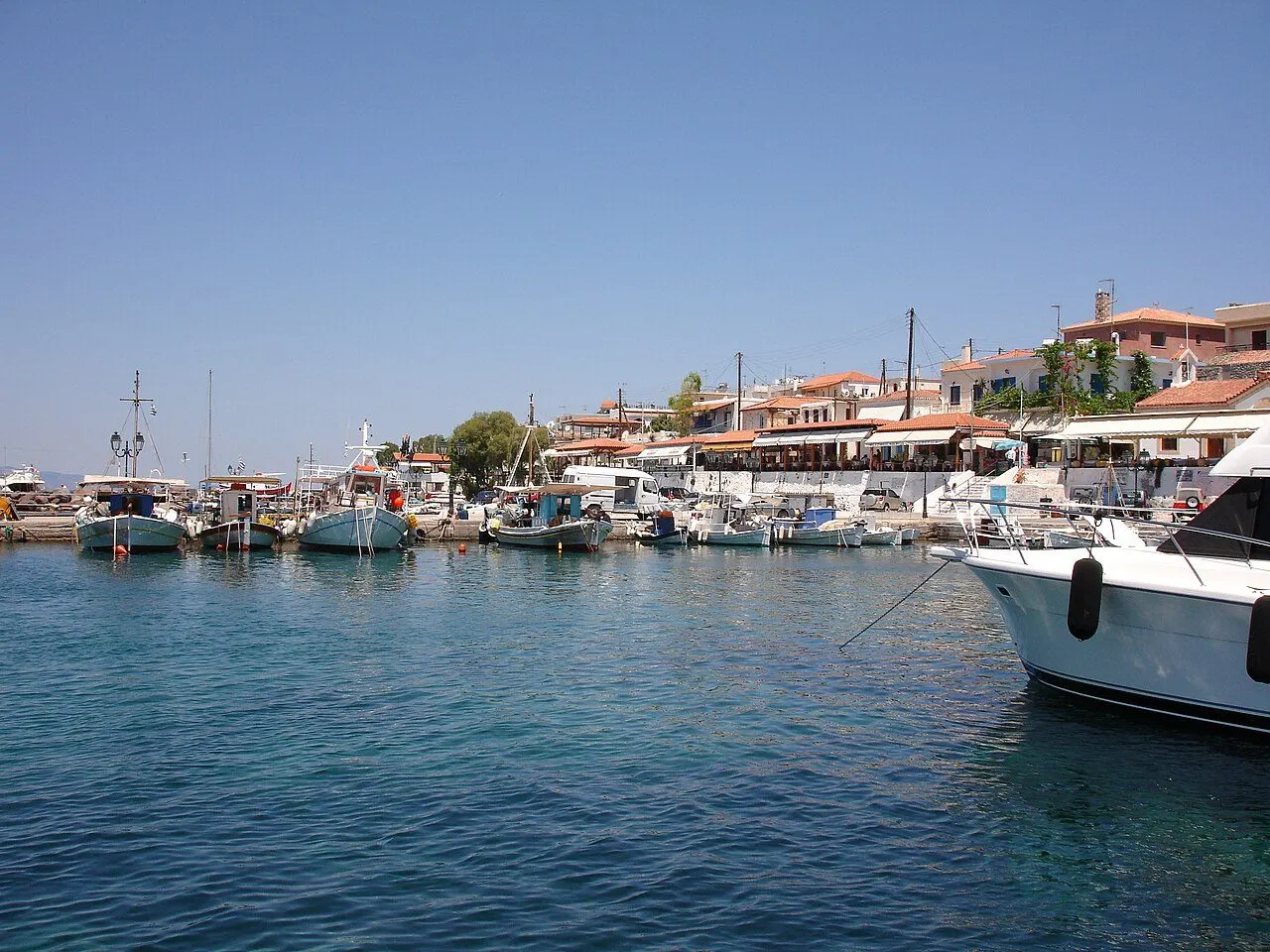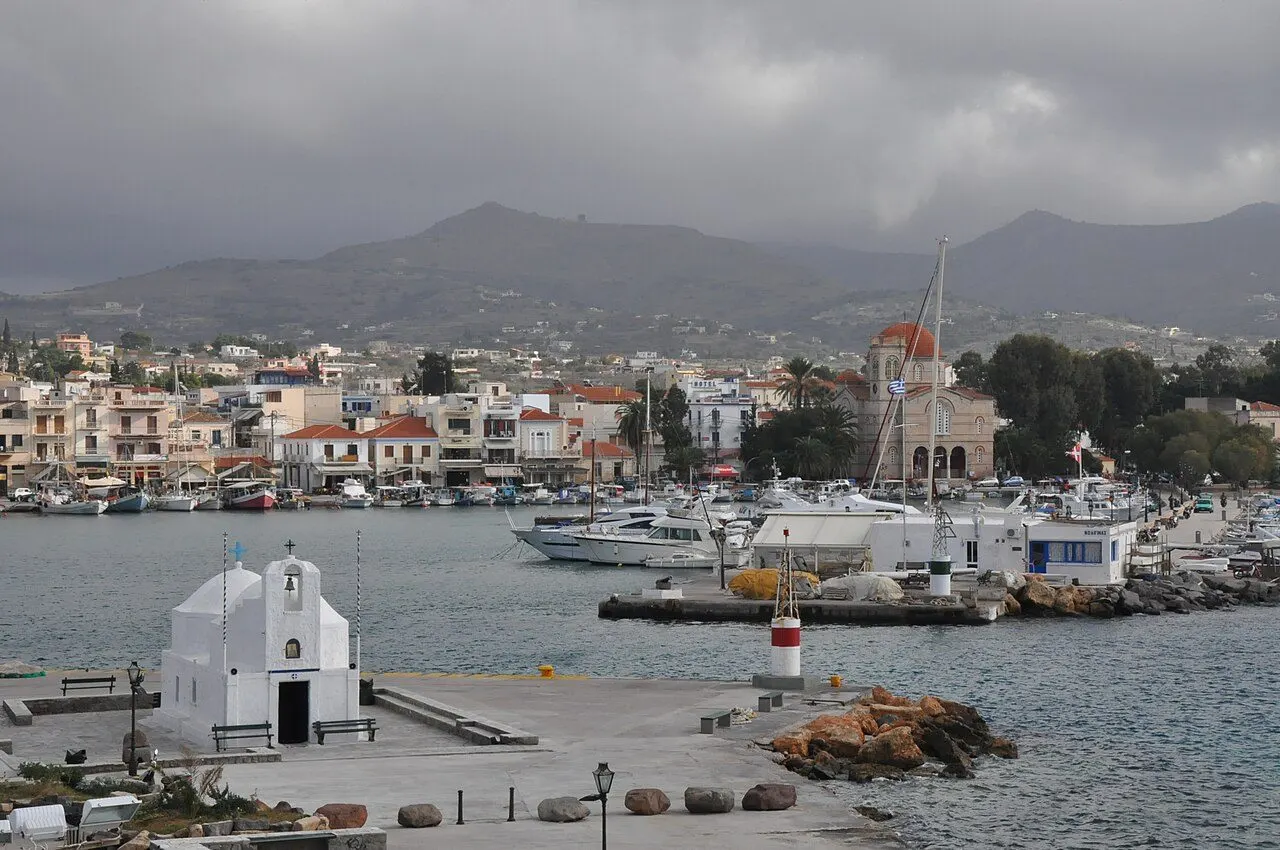
Aegina Town harbour with the small white chapel of Agios Nikolaos on the quay

Aegina · Towns & villages

Towns & villages of Aegina

Harbour towns, mountain hamlets and the places where island life still follows its own rhythm.

View of Aegina Town, Aegina Town & Kolona, Aegina
01
Aegina Town & Kolona

Aegina Town

A harbour of neoclassical houses that was briefly the capital of Greece, with a lone Archaic column at the end of the quay

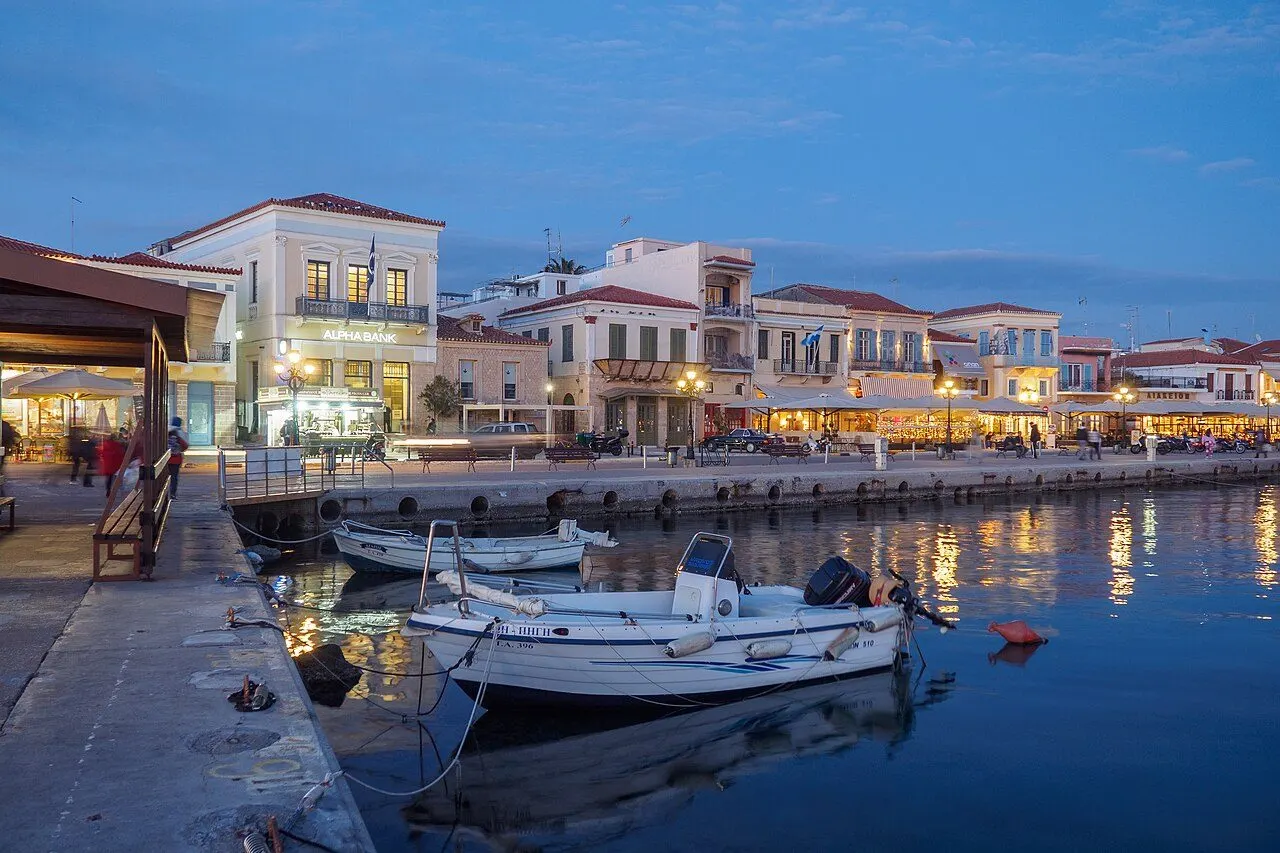
Aegina Town spreads along the west coast of the island, facing the Peloponnese. Its waterfront is a long curve of pastel neoclassical houses, cafés and moored caiques, with the tiny white chapel of Agios Nikolaos standing on the harbour mole. Behind the front, a grid of quiet lanes hides the buildings of 1828–1829, when the town was the first seat of government of the new Greek state. At its northern end, on a low headland by the sea, a single column marks the Temple of Apollo at Kolona, the oldest inhabited spot on the island.

  • The lone column of the Temple of Apollo at Kolona
  • The fish market and its ouzeri lanes
  • The Governor's House of Kapodistrias
  • The Markellos Tower
  • Sunset over the Peloponnese from the quay
Discover Aegina Town
View of Temple of Aphaia, Agia Marina & Aphaia, Aegina
02
Agia Marina & Aphaia

Temple of Aphaia

A limestone temple of about 500 BC on a pine-clad summit, with Athens on the far side of the water

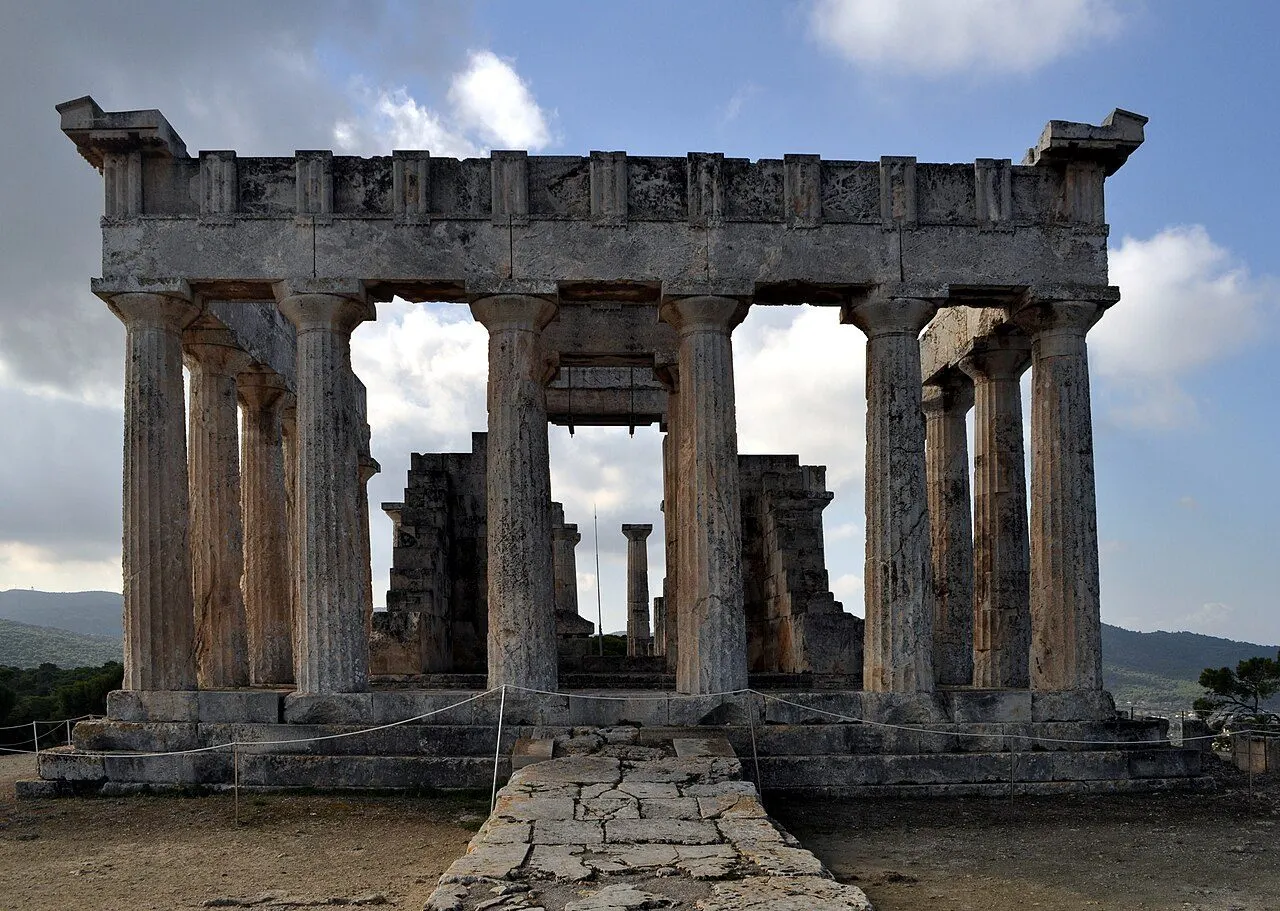
The Temple of Aphaia crowns a hilltop of roughly 160 metres in the north-east of the island, surrounded by Aleppo pines and looking out in almost every direction over the Saronic Gulf. Built around 500 BC in the Doric order, with six columns across its fronts and twelve down each side, it is one of the most complete temples of the late Archaic period anywhere in Greece: most of its outer colonnade still stands, and on the inner row a second storey of slender columns survives. On a clear day the Acropolis of Athens, about 30 km away, is visible from the terrace.

  • The double-storey columns inside the cella
  • Athens and the Acropolis on a clear day
  • The painted older temple in the site museum
  • The footpath down through the pines to Agia Marina
Discover Temple of Aphaia
View of Agia Marina, Agia Marina & Aphaia, Aegina
03
Agia Marina & Aphaia

Agia Marina

The island's beach resort, in a sandy bay at the foot of the temple hill

Agia Marina is a small resort on the east coast, in a sheltered bay with a sandy beach and shallow water, backed by hotels, cafés and tavernas. It is the closest village to the Temple of Aphaia, which stands on the pine-covered hill directly above, and a footpath climbs from the edge of the village to the temple through the trees. North and south of the main beach the coast breaks into rocky coves with clear water for snorkelling. In summer some fast boats from Piraeus call at its little jetty.

  • Shallow, sandy water for children
  • The walk up through the pines to Aphaia
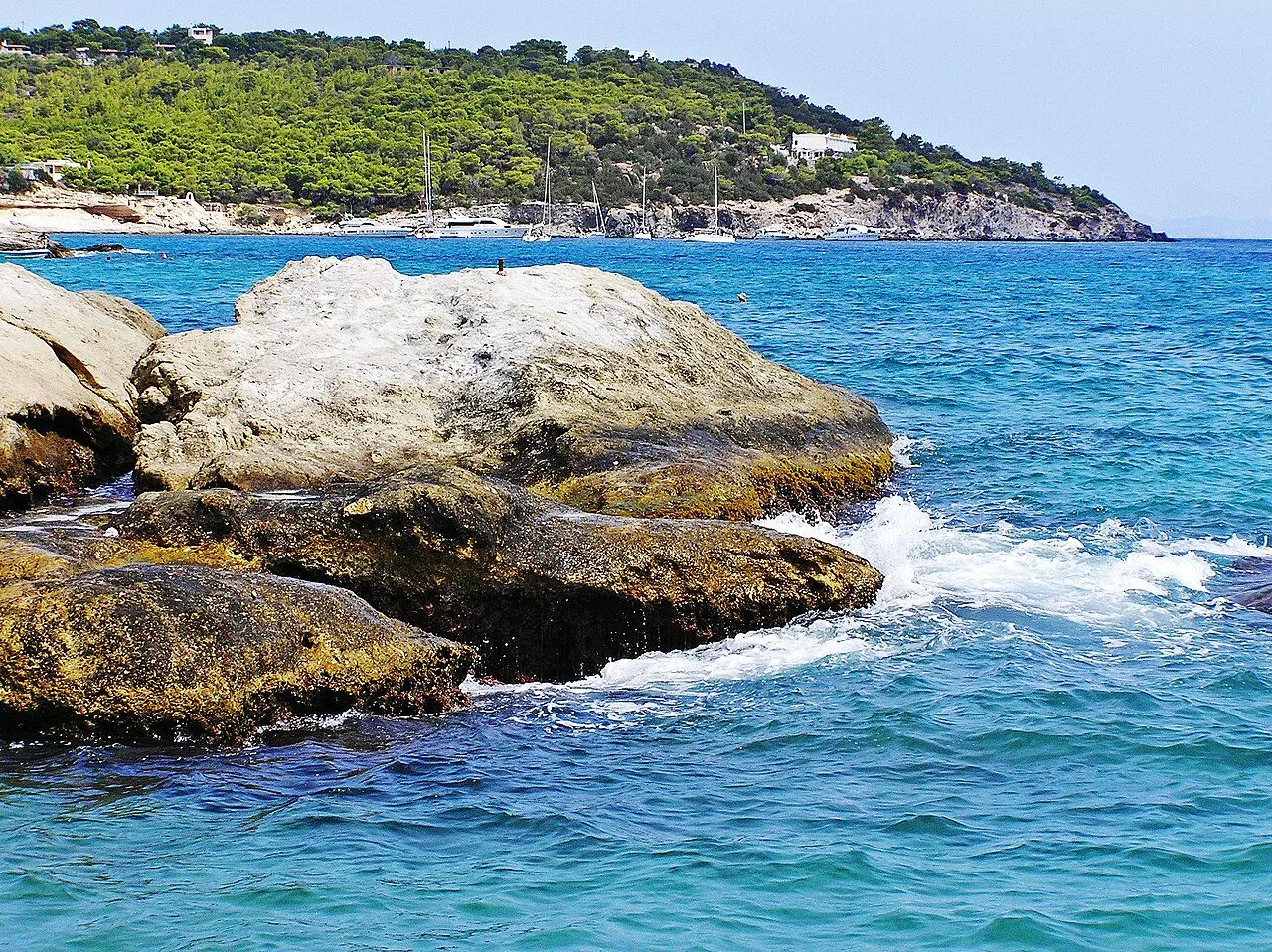
  • Snorkelling off the rocks north of the bay
  • Sunrise over the gulf
Discover Agia Marina
View of Agios Nektarios Monastery, Paleochora & the interior, Aegina
04
Paleochora & the interior

Agios Nektarios Monastery

The convent of a saint of the twentieth century, one of the most visited places of pilgrimage in Greece

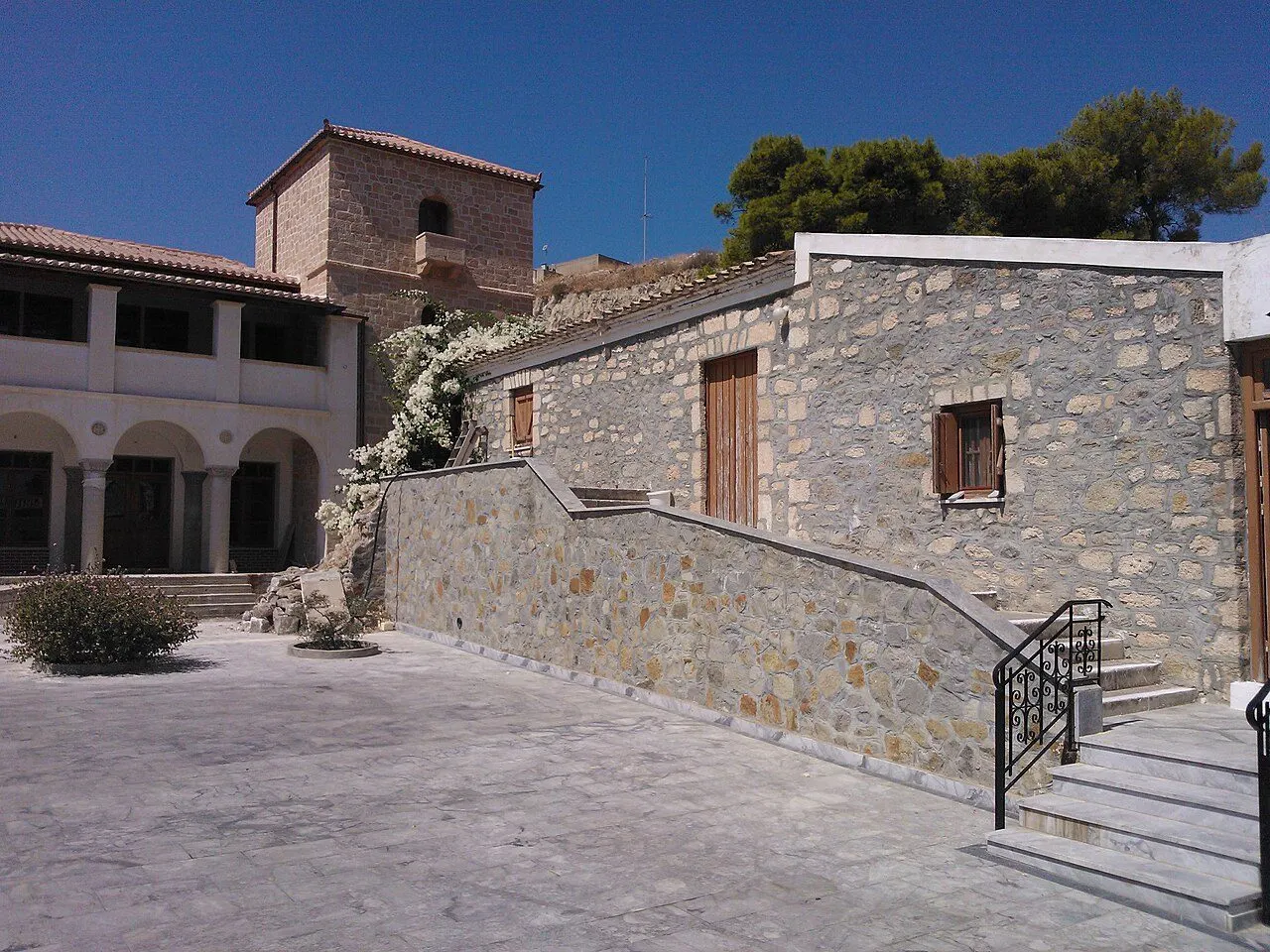
The Holy Trinity convent, known to everyone as Agios Nektarios, stands in the valley below Paleochora, about 6 km from Aegina Town. It was founded in the early twentieth century by Nektarios Kephalas, a bishop who retired to Aegina and died in 1920; he was declared a saint by the Orthodox Church in 1961, and pilgrims from all over Greece and beyond come to pray at his tomb and his simple cell. Next to the old convent rises a huge new church in Byzantine style, one of the largest in the country, begun in the 1970s.

  • The saint's cell and tomb in the old convent
  • The vast new church beside it
  • The feast on 9 November
  • Paleochora on the hill above
Discover Agios Nektarios Monastery
View of Paleochora, Paleochora & the interior, Aegina
05
Paleochora & the interior

Paleochora

The island's abandoned medieval capital: a bare hill scattered with dozens of little churches

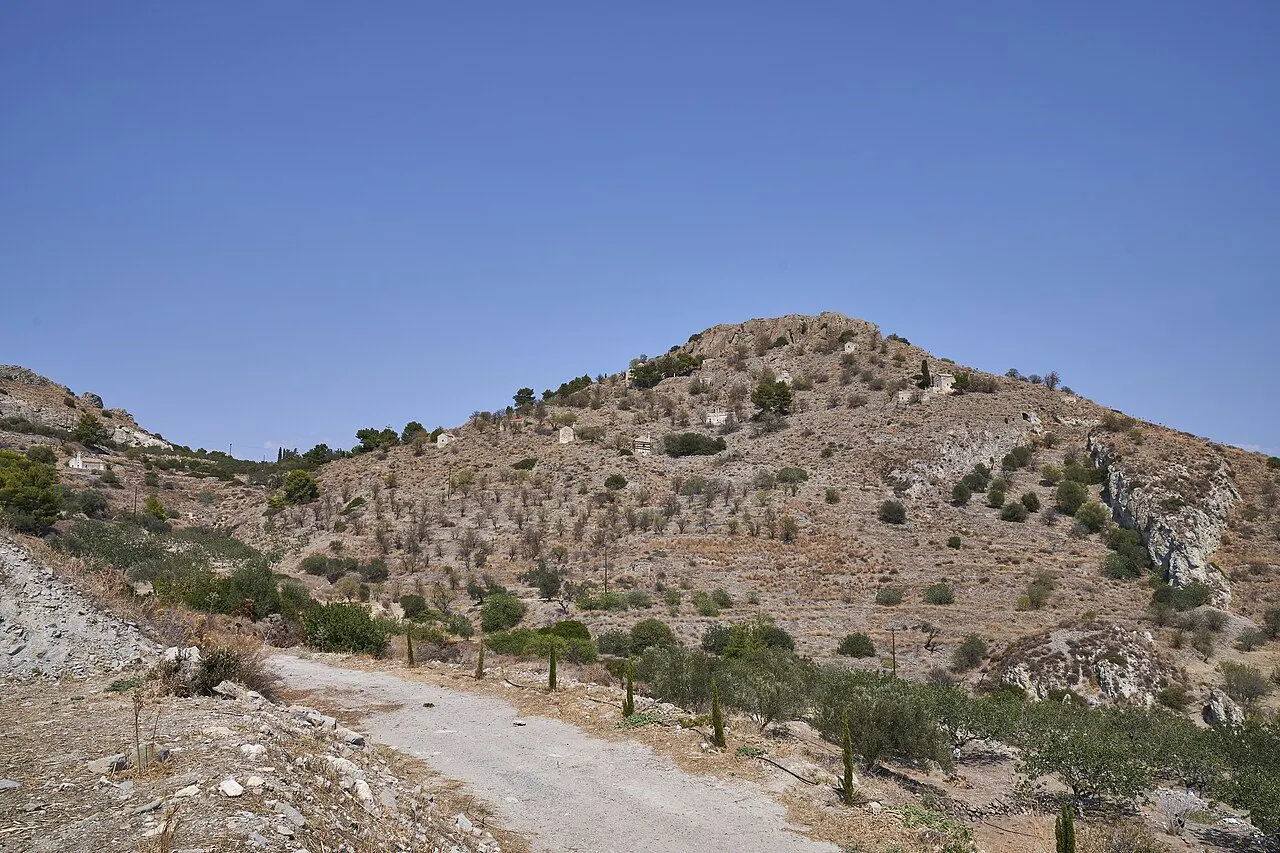
For about a thousand years the people of Aegina lived not by the sea but here, on a rocky hill in the middle of the island, out of sight of the pirates. Paleochora, 'the old town', was founded in the Byzantine period, probably in the ninth century, after Arab raids made the coast too dangerous. It was sacked by the Ottoman admiral Hayreddin Barbarossa in 1537, rebuilt, and finally abandoned in the early nineteenth century, when the islanders moved back down to the harbour. The houses have gone, but more than thirty small churches survive among the rocks and thyme, several with faded frescoes, together with the walls of a Venetian castle on the summit. It is sometimes called the 'Mystras of the islands', after the Byzantine ghost town in the Peloponnese.

  • More than thirty chapels among the rocks
  • Faded frescoes inside the churches
  • The castle ruins on the summit
  • The view down to Agios Nektarios and the sea
Discover Paleochora
View of Mount Oros, Paleochora & the interior, Aegina
06
Paleochora & the interior

Mount Oros

The cone of an old volcano, crowned in antiquity by a sanctuary of Zeus the rain-bringer

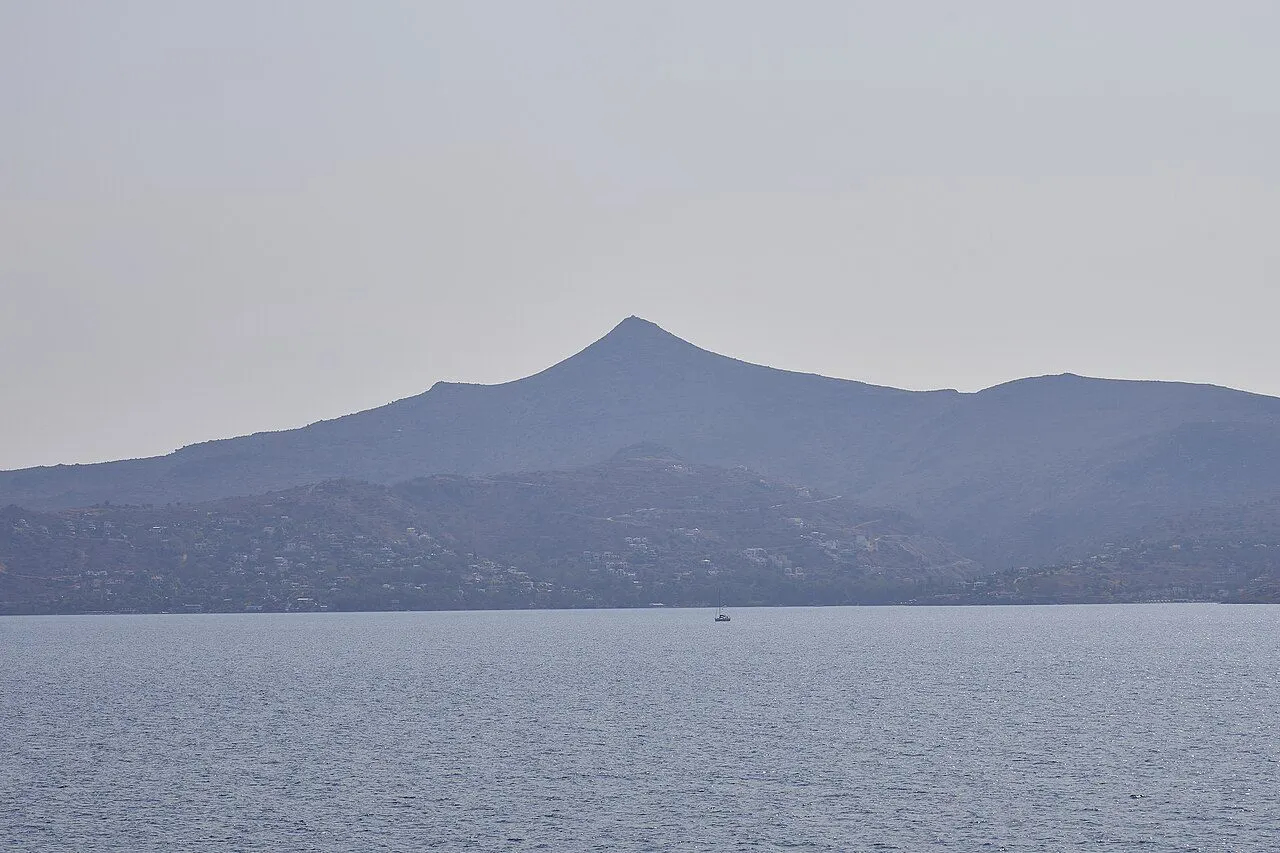
Oros, simply 'the mountain', is the highest point of the island at 531 metres, a neat volcanic cone in the south that you can see from Athens on a clear day. In antiquity it was the seat of Zeus Hellanios: myth says that Aeacus, the first king of Aegina, climbed it to pray for rain during a drought that had struck all of Greece, and the rain came. On a broad terrace on its northern slope lie the massive walls of the ancient sanctuary, with the little Byzantine church of the Taxiarches built among them. A path leads from there to the summit, where a small chapel stands and the view takes in the whole Saronic Gulf.

  • The ancient terrace of Zeus Hellanios
  • The Byzantine church of the Taxiarches
  • The view from the top over the whole gulf
  • Spring flowers on the slopes
Discover Mount Oros
View of Perdika, Perdika & the west coast, Aegina
07
Perdika & the west coast

Perdika

A fishing harbour at the southern tip, where Athenians come for fish lunch and the boat to Moni

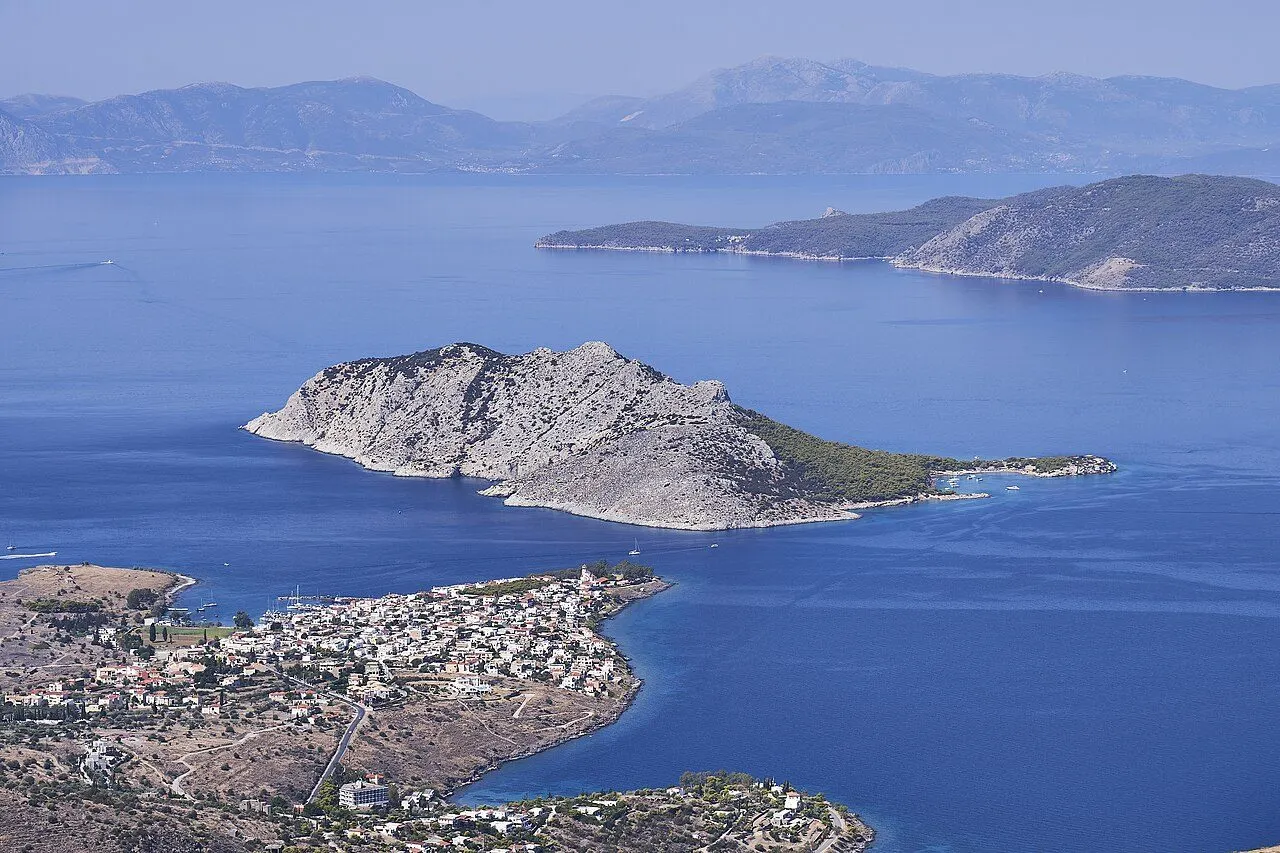
Perdika, 'the partridge', is the fishing village at the south-western end of the island, about 9 km from Aegina Town. Its small harbour is full of painted caiques, and above it a raised terrace is lined with fish tavernas looking straight across the water to the islet of Moni and, beyond, the mountains of the Peloponnese and the volcanic peninsula of Methana. On summer weekends families from Athens come out just for lunch here. From the quay little boats cross to Moni in about ten minutes.

  • Fish lunch on the terrace above the harbour
  • The boat across to Moni
  • Swimming off the rocks by the village
  • Sunset over Methana and the Peloponnese
Discover Perdika
View of Moni, Perdika & the west coast, Aegina
08
Perdika & the west coast

Moni

An uninhabited islet of pines, peacocks and clear water, ten minutes off Perdika

Moni is a small, steep, uninhabited island just off Perdika, covered in pine forest and protected for its wildlife. The boats from Perdika land at a cove on its north side with a pebbly beach, very clear water and a small café in summer. Peacocks wander under the trees, and wild goats live on the rocky heights. A path climbs to the top for a view back over Perdika and the whole south of Aegina. Its name means 'the monastery', after the monastery on Aegina that once owned it.

  • Snorkelling in the very clear water of the cove
  • Peacocks in the pines
  • The climb to the top for the view of Aegina
  • A day with nothing but the sea
Discover Moni
View of Marathonas, Perdika & the west coast, Aegina
09
Perdika & the west coast

Marathonas

Sandy beaches on the west coast, a short ride from town, facing the sunset

Marathonas is a string of small sandy beaches and summer houses on the west coast between Aegina Town and Perdika, about 5 km south of the harbour. The beaches are shallow and calm, with tavernas on the sand and tamarisk trees for shade, and they look west across the gulf to the Peloponnese, so this is the place to be when the sun goes down. A little further south, the beach of Aiginitissa is quieter and greener.

  • Shallow, sandy water for families
  • Tavernas with tables on the sand
  • Sunset over the Peloponnese
  • Aiginitissa beach just to the south
Discover Marathonas
View of Souvala, Souvala & the north coast, Aegina
10
Souvala & the north coast

Souvala

A small port and fishing village on the north coast, once known for its mineral springs

Souvala is a quiet village and small port on the north coast, about 10 km from Aegina Town, where some ferries from Piraeus call in summer. Its harbour is lined with fish tavernas and cafés, and the white houses climb gently up the slope behind. In the twentieth century it was known for its warm mineral springs, which drew visitors for cures, and today it is a calm, local place to stay, close to the beach of Vagia and a short drive from the Temple of Aphaia and Agios Nektarios.

  • Fish on the harbour front
  • A calmer base than town or Agia Marina
  • The beach of Vagia to the east
  • A short drive to Aphaia and Agios Nektarios
Discover Souvala

Regions

Where to base yourself in Aegina

01

Aegina Town & Kolona

The harbour town on the west coast, with its neoclassical waterfront, fish market, the buildings of the first Greek government, and the ancient site of Kolona with its lone column and museum at the northern end.

02

Agia Marina & Aphaia

The pine-covered north-east, with the Temple of Aphaia on its summit and the sandy resort bay of Agia Marina at its foot.

03

Paleochora & the interior

The green valleys and pistachio orchards of the middle of the island, with the convent of Agios Nektarios, the deserted hill-town of Paleochora and, to the south, the volcanic cone of Mount Oros.

04

Perdika & the west coast

The road south from town past the sunset beaches of Marathonas and Aiginitissa to the fishing village of Perdika and the islet of Moni.

05

Souvala & the north coast

The quiet fishing port of Souvala and the bay of Vagia, below the northern slopes of the temple hill.

Find a place to stay

Browse hotels and guesthouses across Aegina, filtered by region and price.

Browse hotels

Last updated