Culture
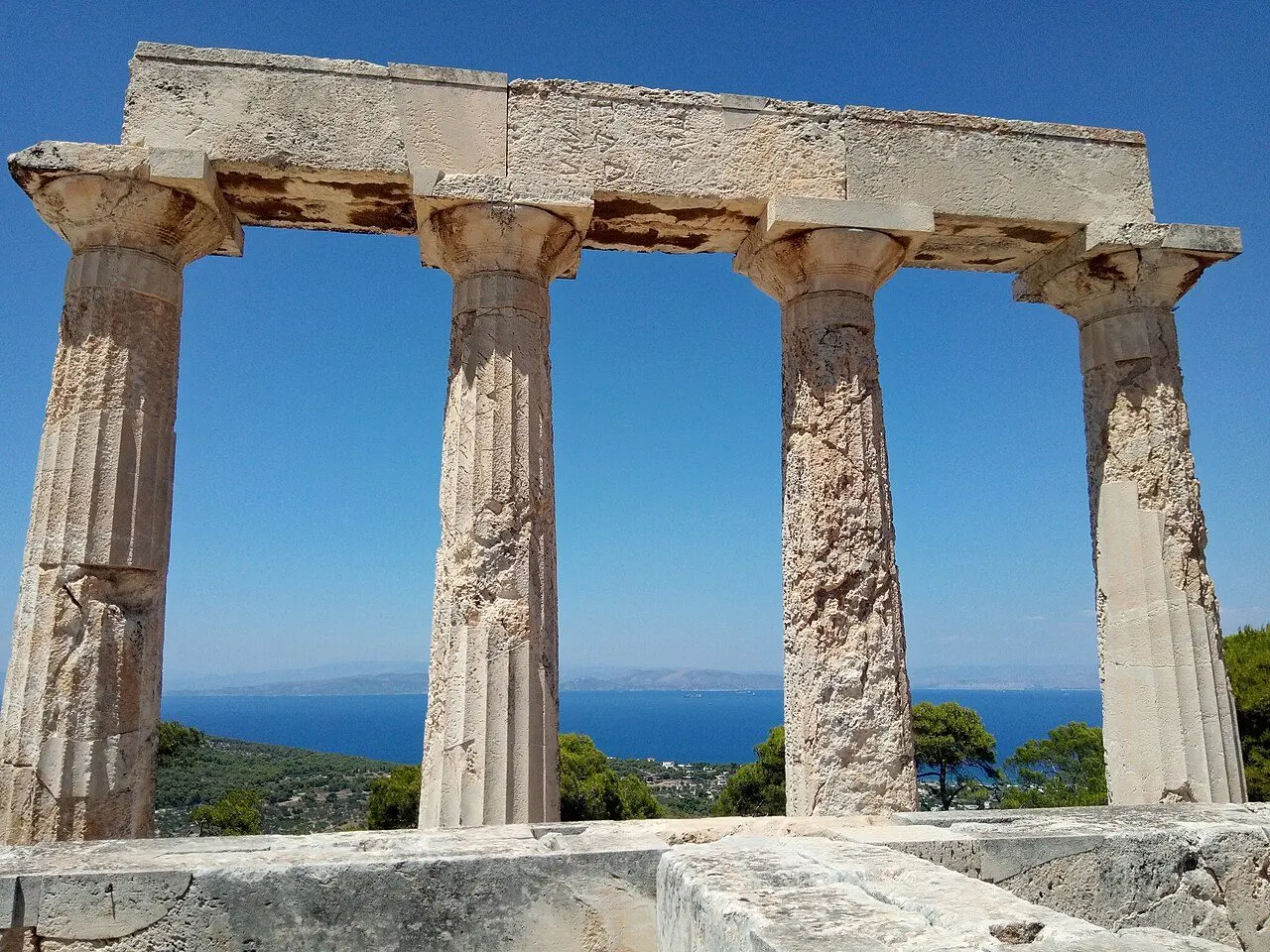
Watch the sun rise at Aphaia
Be at the gate for opening time and walk round the temple in the first light, then look for the Acropolis on the horizon from the eastern edge of the terrace.
Temple of Aphaia, the north-east
Aegina · Things to do
Beaches, trails, festivals, food and wine: the experiences that make this island its own.
Experiences
Ideas for every kind of day, from a lazy swim to a full-day hike.
Culture
Be at the gate for opening time and walk round the temple in the first light, then look for the Acropolis on the horizon from the eastern edge of the terrace.
Temple of Aphaia, the north-east
Hike
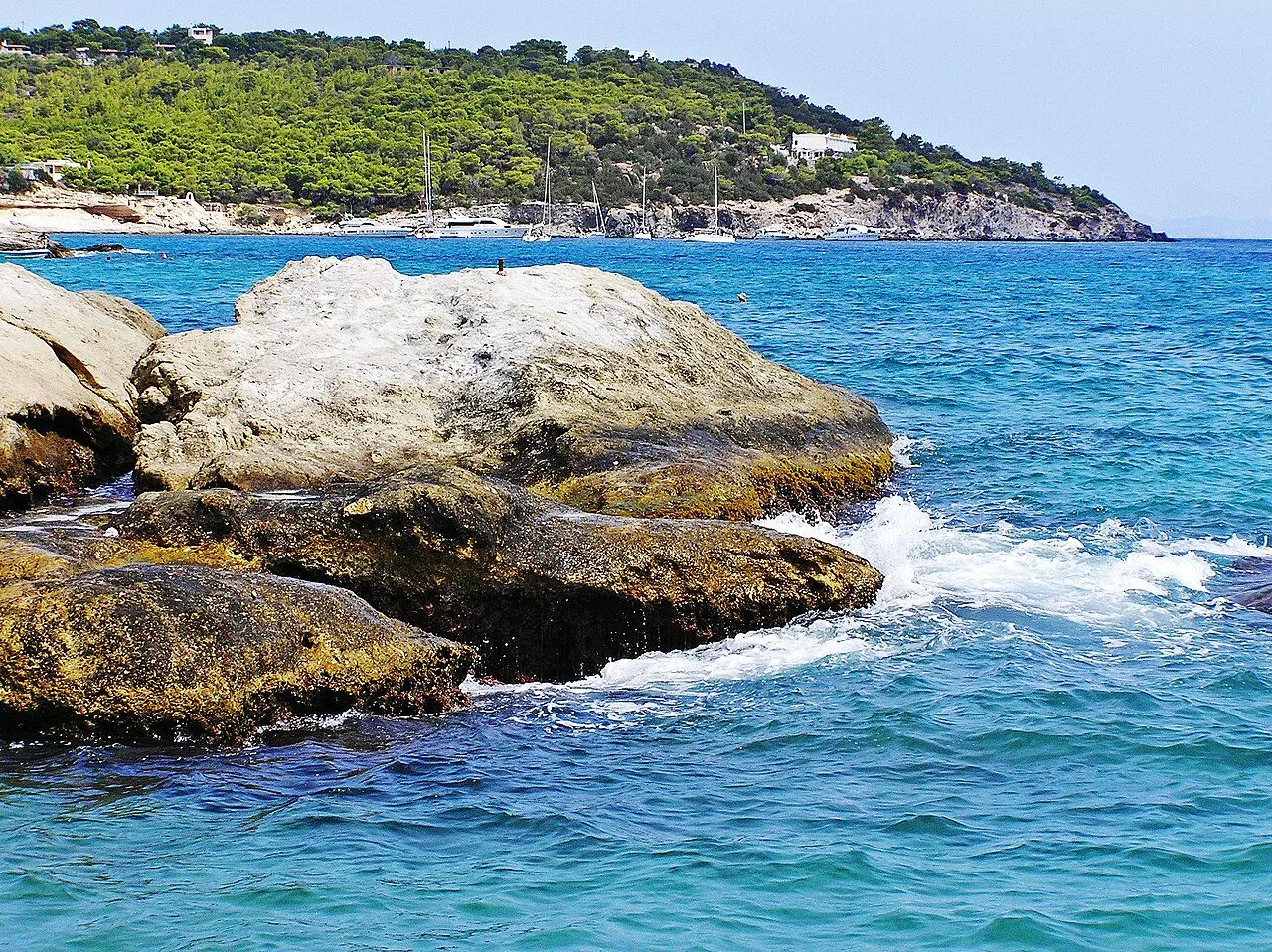
Follow the footpath down through the pine forest from the temple to Agia Marina, around half an hour, and finish with a swim in the bay.
Aphaia to Agia Marina
Culture
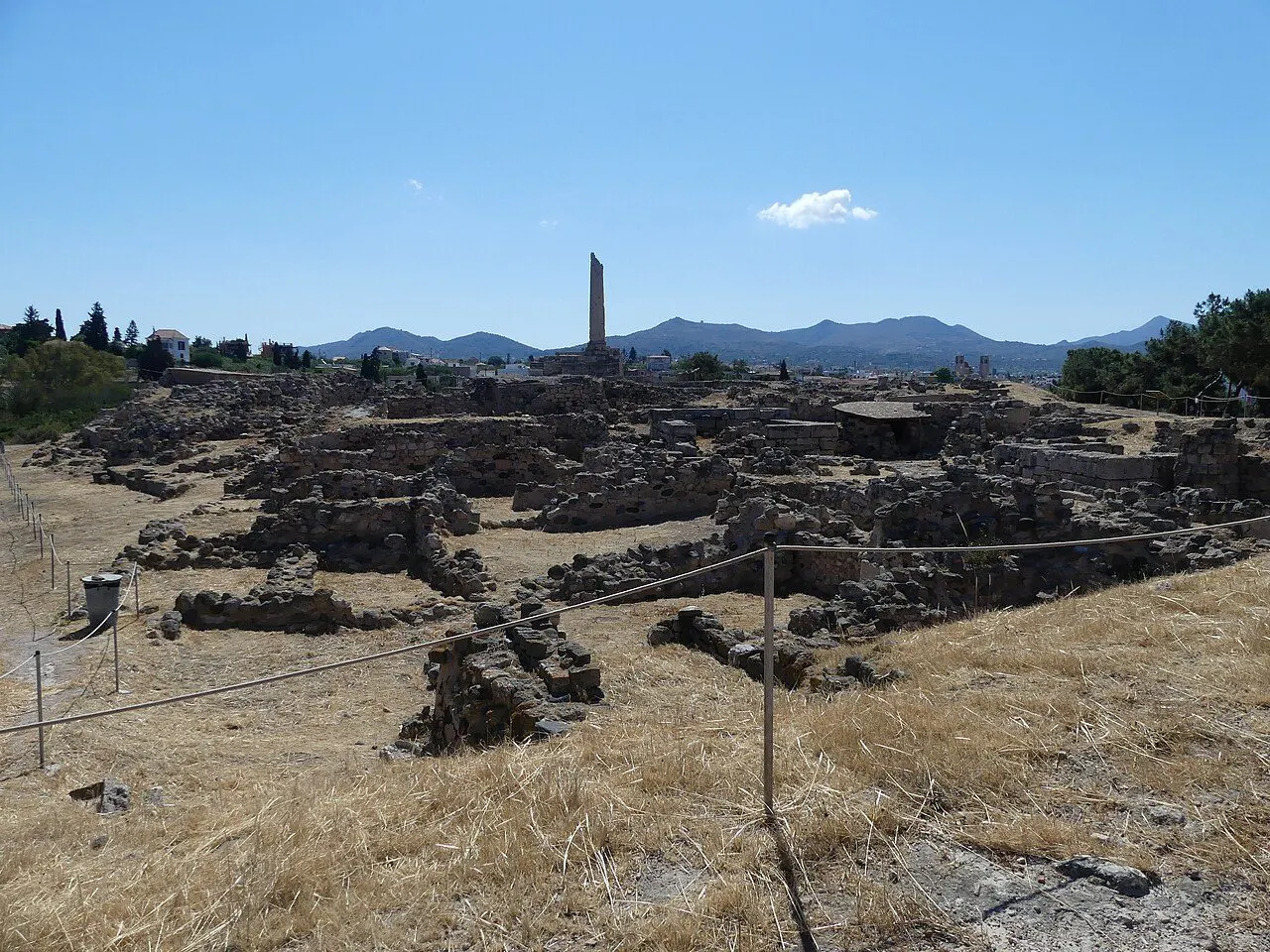
Walk to the north end of the waterfront, climb the hill of Apollo's column, explore the Bronze Age walls and spend an hour in the museum, then swim on the little beach below.
Aegina Town
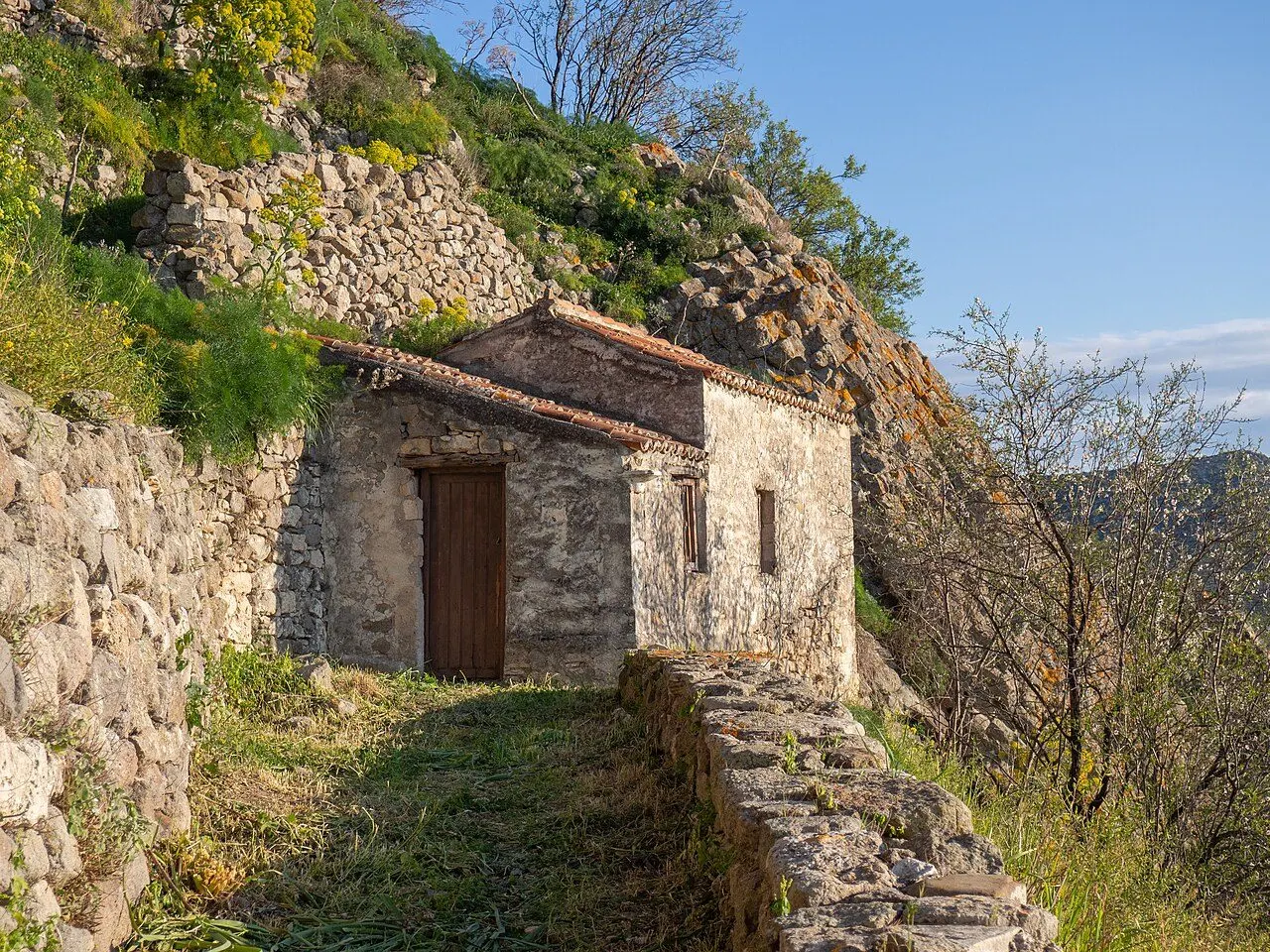
Hike
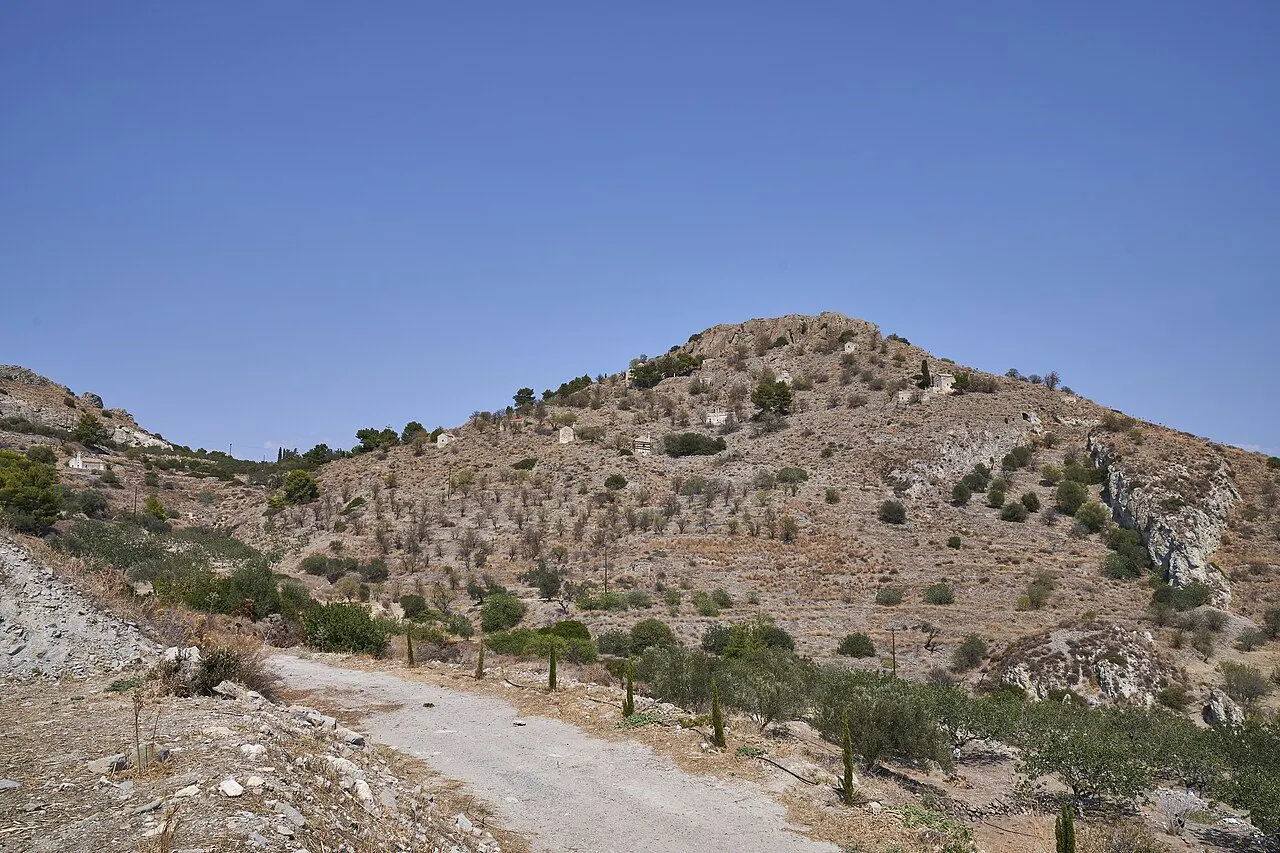
Scramble along the paths between the chapels of the abandoned capital, peeking into the ones that are open, and climb to the castle ruins for the view.
Inland, above Agios Nektarios
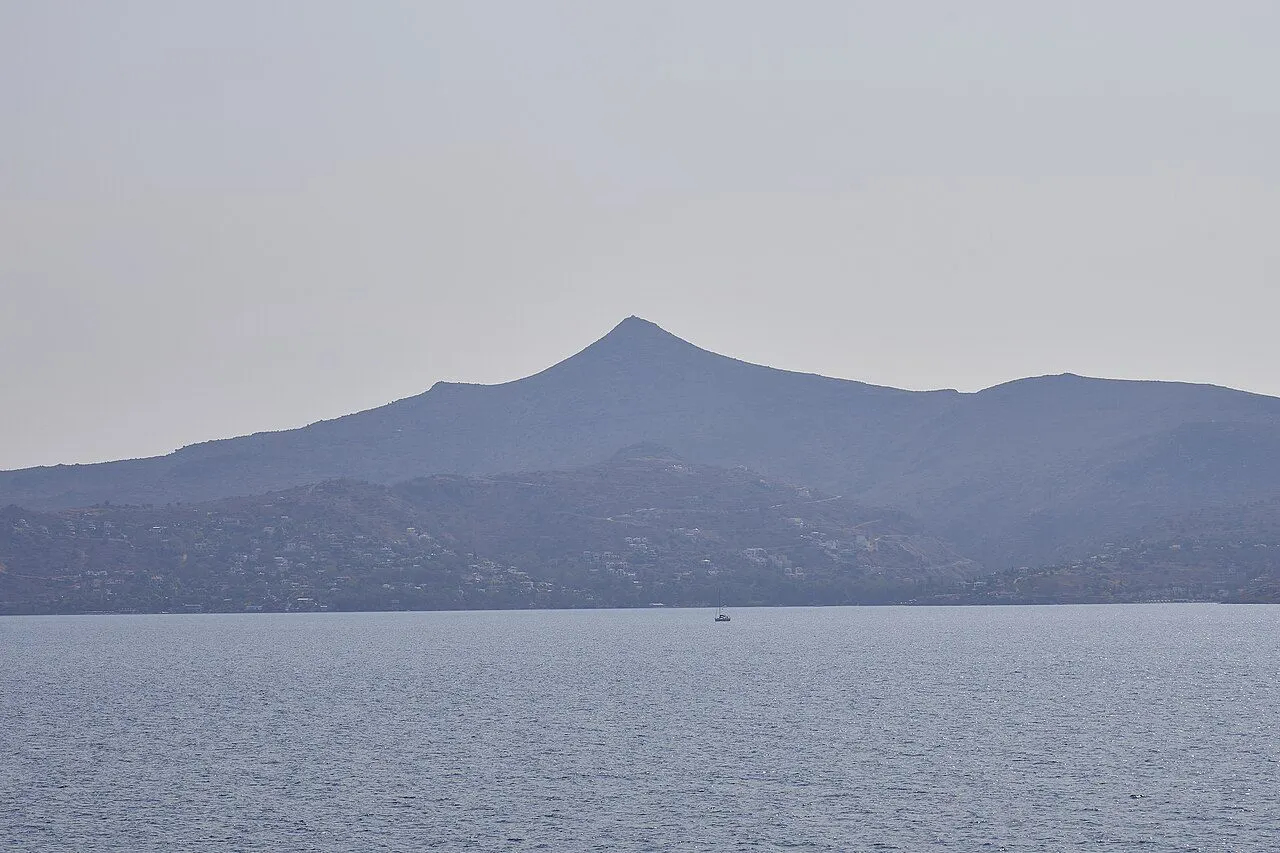
Hike
Start at the terrace of the ancient sanctuary of Zeus and climb to the top of the island's volcanic cone for a view of the whole Saronic Gulf.
The south of the island
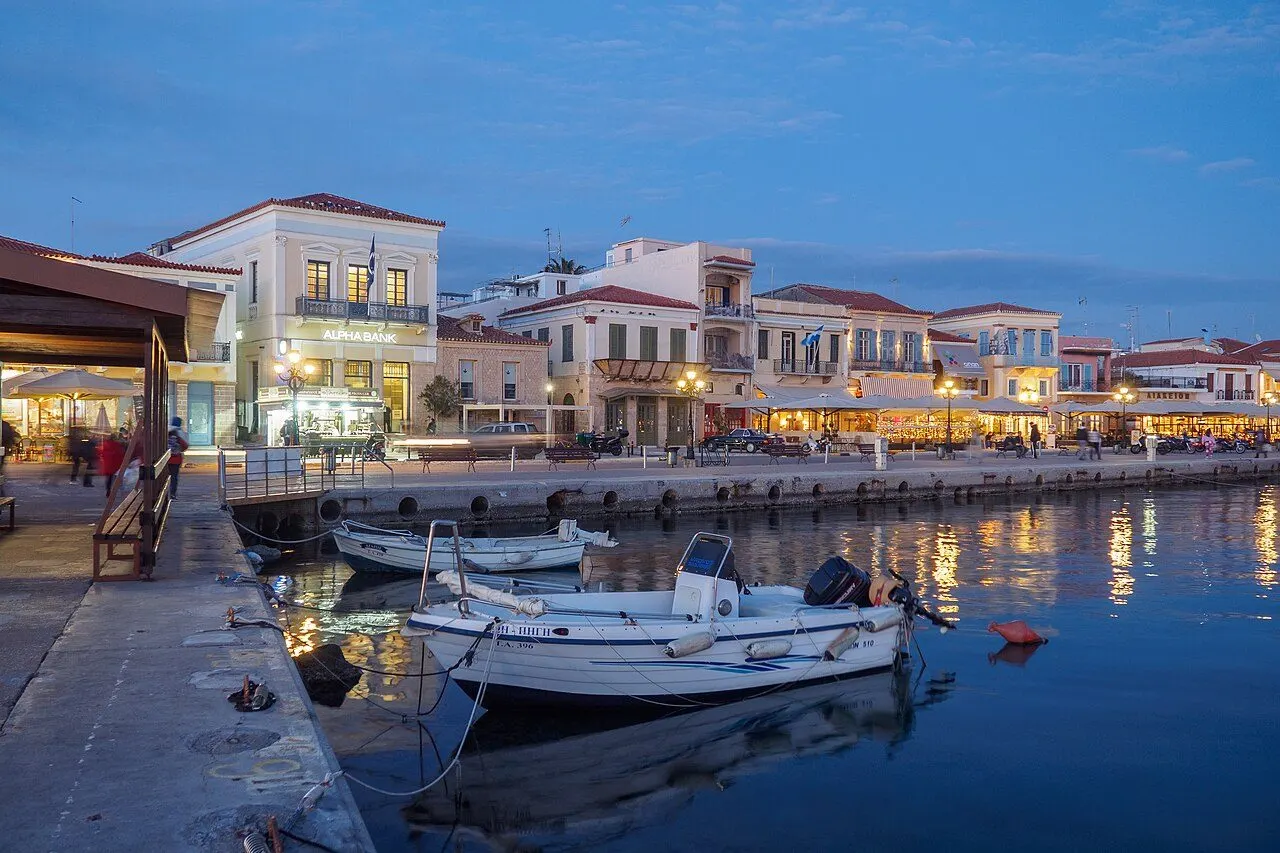
Food & wine
Buy a bag of roasted fistiki Aeginis on the quay, try pistachio ice cream or a pistachio sweet in a waterfront pastry shop, and look out for the orchards on the roads inland.
Aegina Town and the orchards
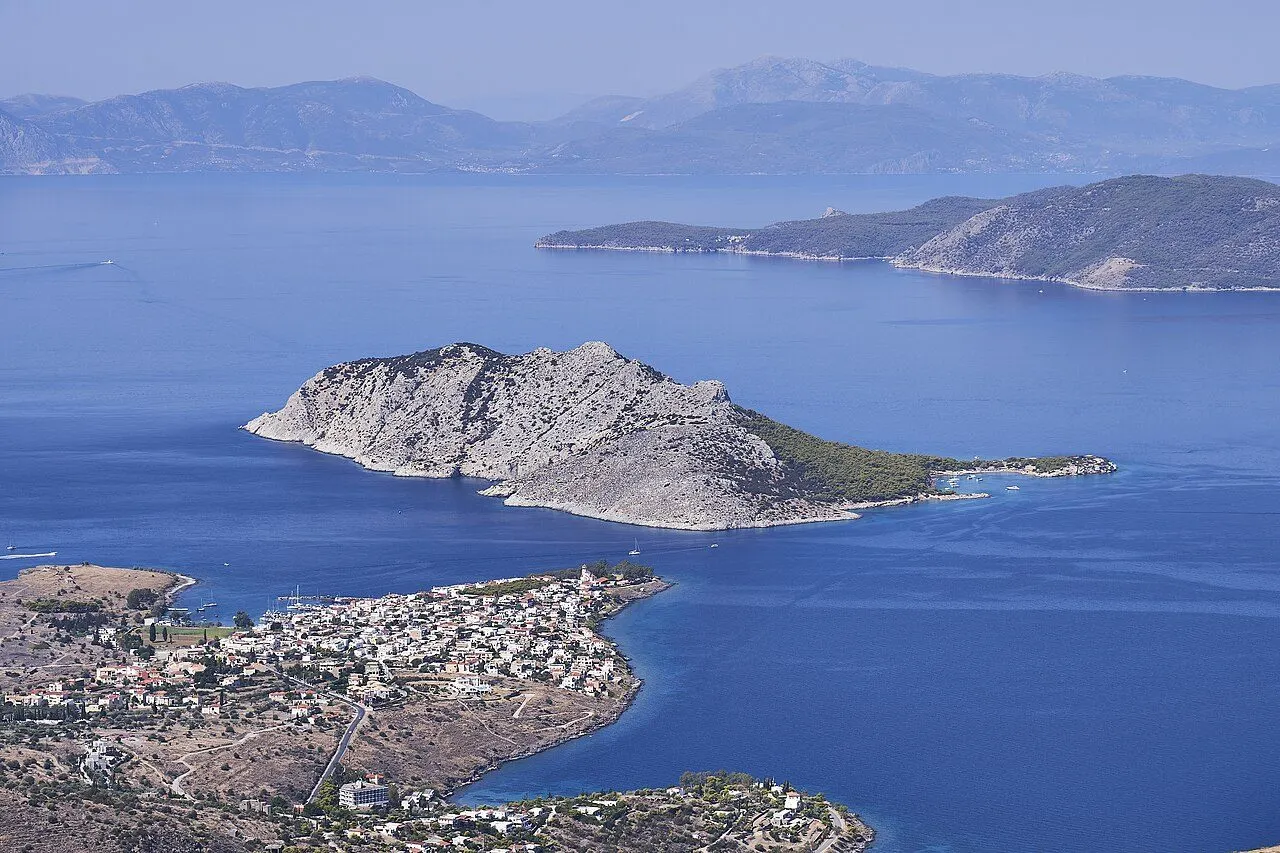
Beach
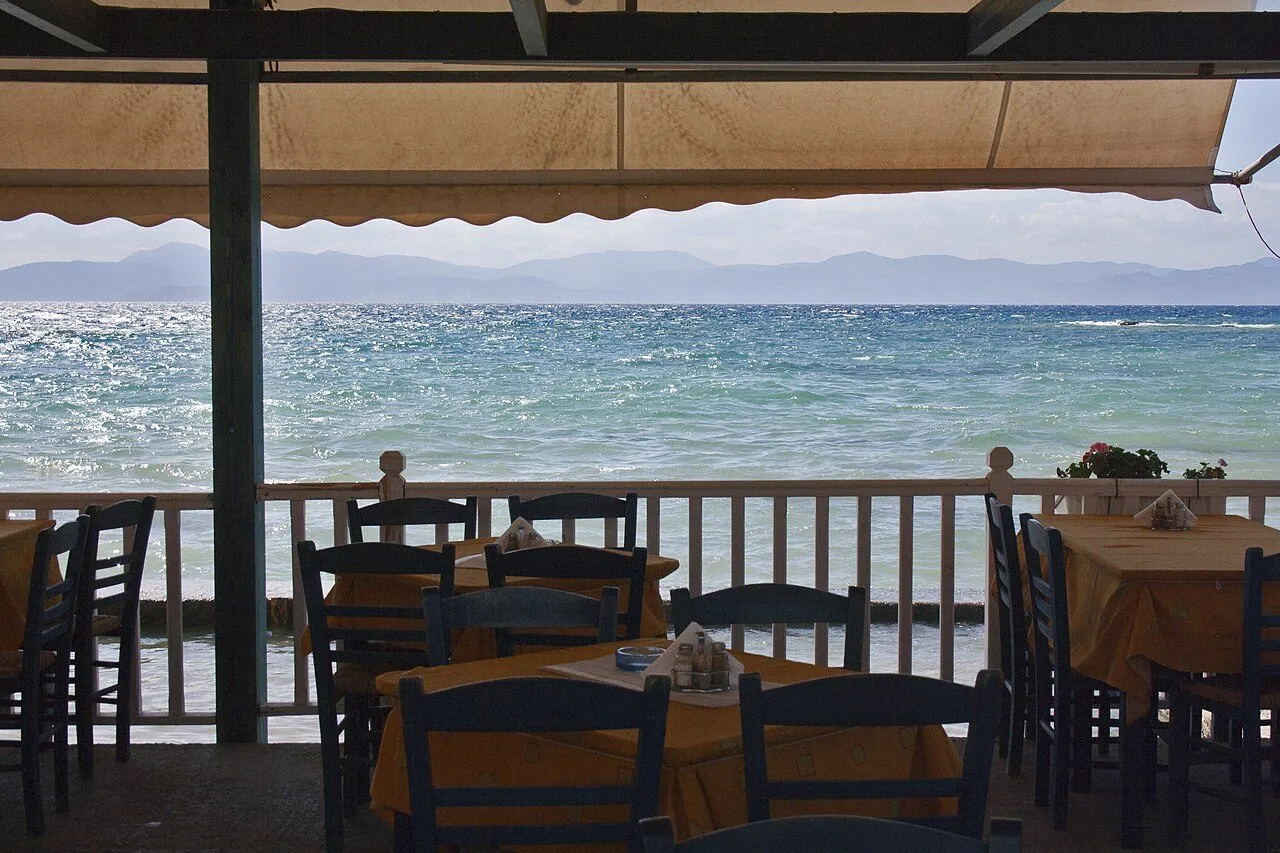
Take the little boat across to Moni for a swim in clear water with peacocks under the pines, then come back for a fish lunch on the terrace above Perdika's harbour.
Perdika, the south-west
Food & wine
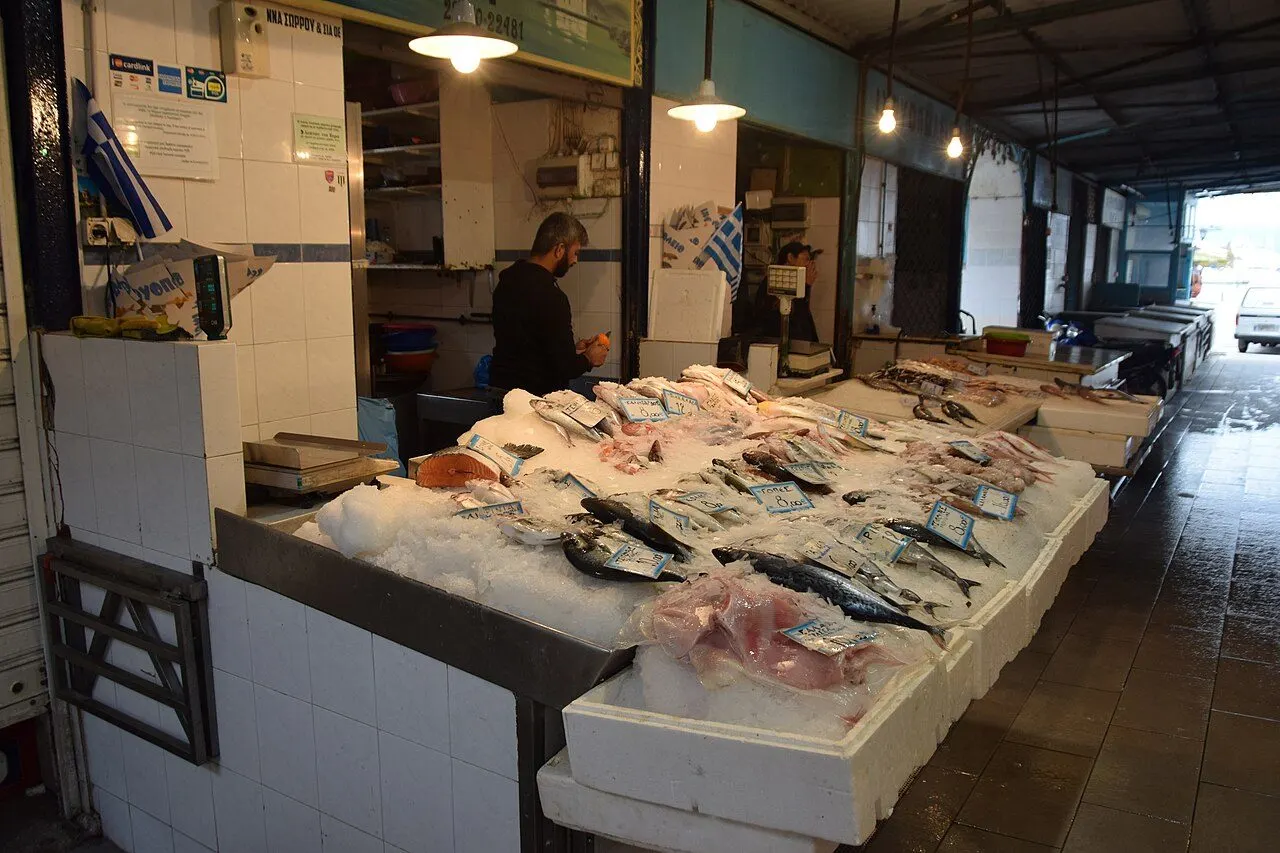
Watch the fishmongers in the morning, then come back at lunchtime to the ouzeris in the lanes behind the hall for grilled octopus and sardines.
Aegina Town
Only on Aegina
What Aegina has that no other Greek island does.
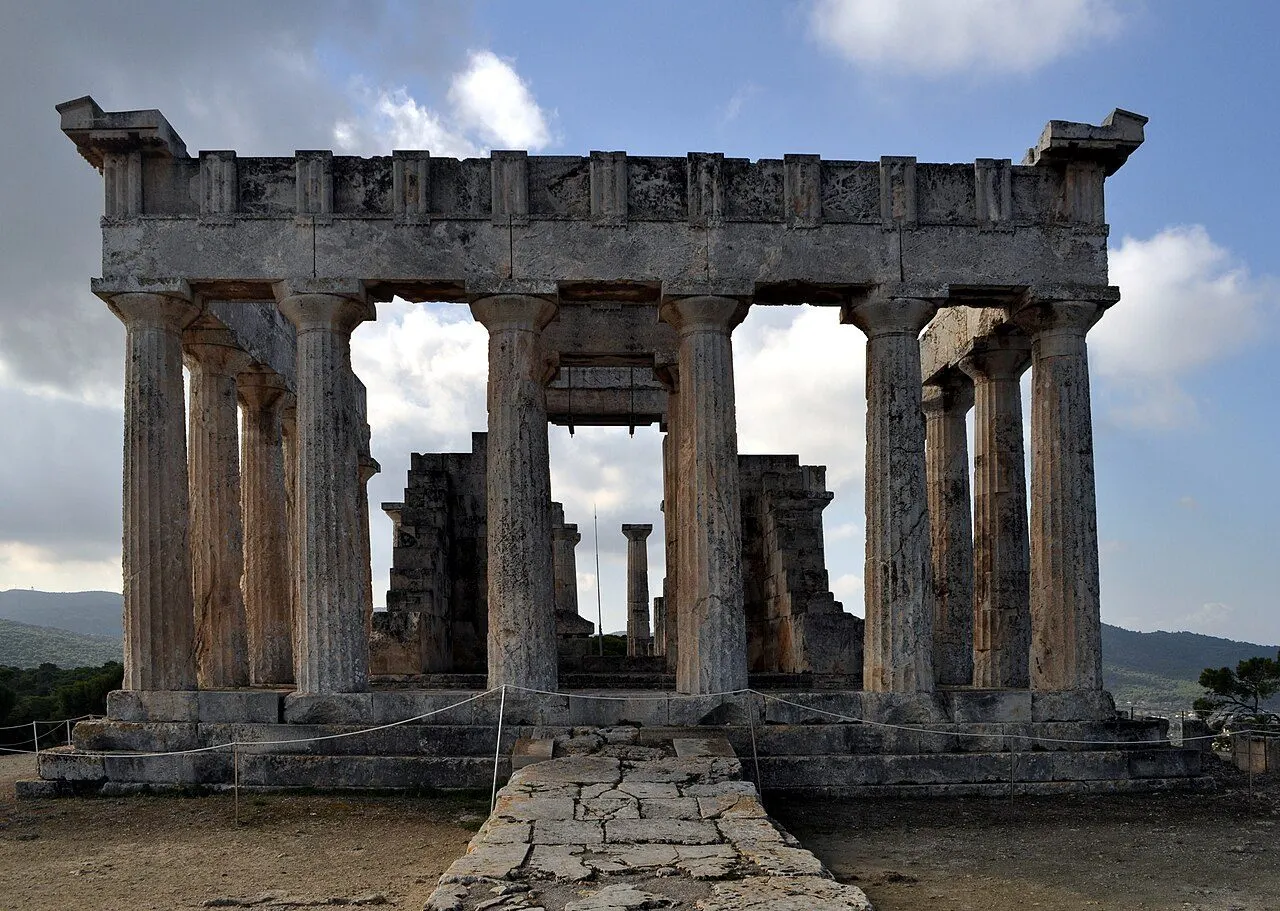
From the terrace of Aphaia the Acropolis of Athens, about 30 km away, appears across the water on a clear day. Locals will tell you that Aphaia, the Parthenon and the Temple of Poseidon at Sounion form a perfect 'sacred triangle'. Treat it as a legend: the temples were built decades apart for different gods. The view, though, is real.
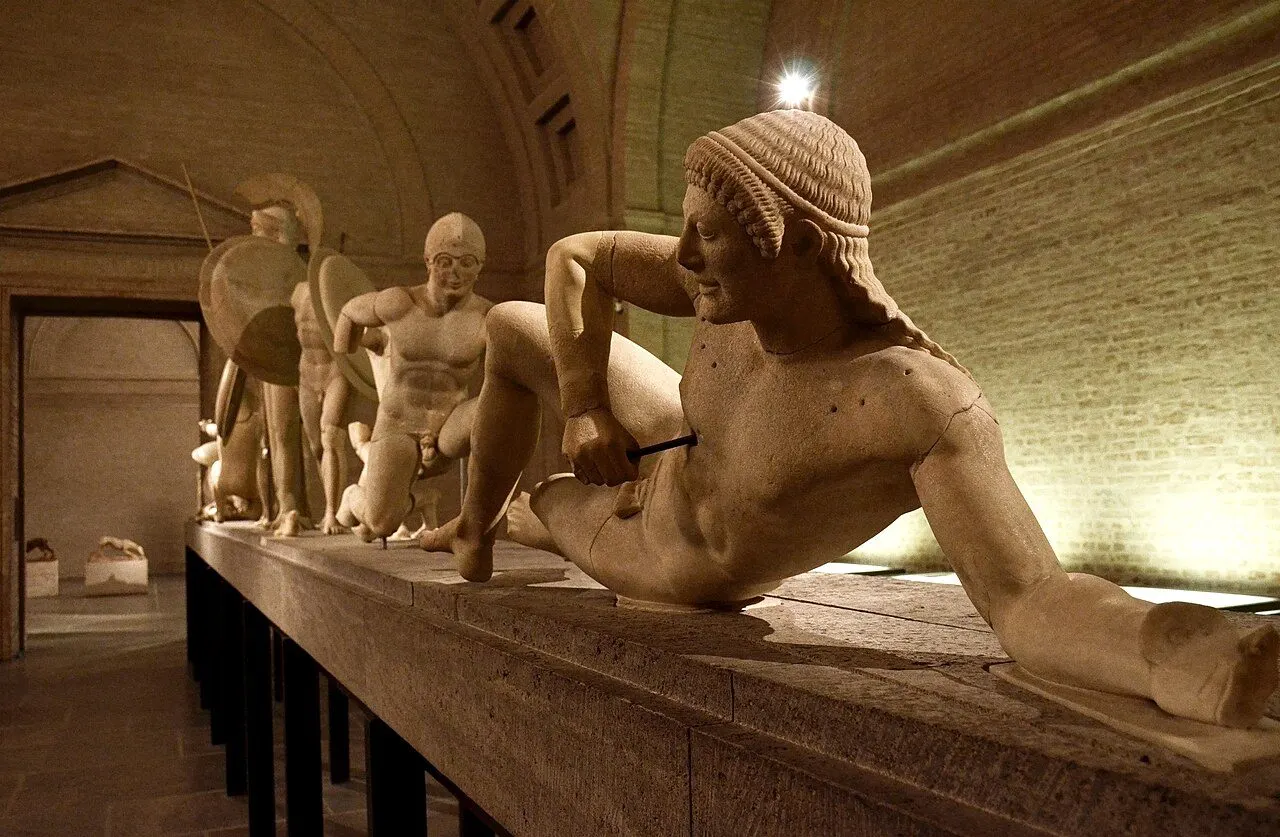
The marble figures from Aphaia's two pediments, Greek and Trojan warriors with traces of their original paint, were dug up by European travellers in 1811 and sold to the future King Ludwig I of Bavaria. They have been the pride of the Glyptothek in Munich for two centuries; the island keeps copies and fragments.
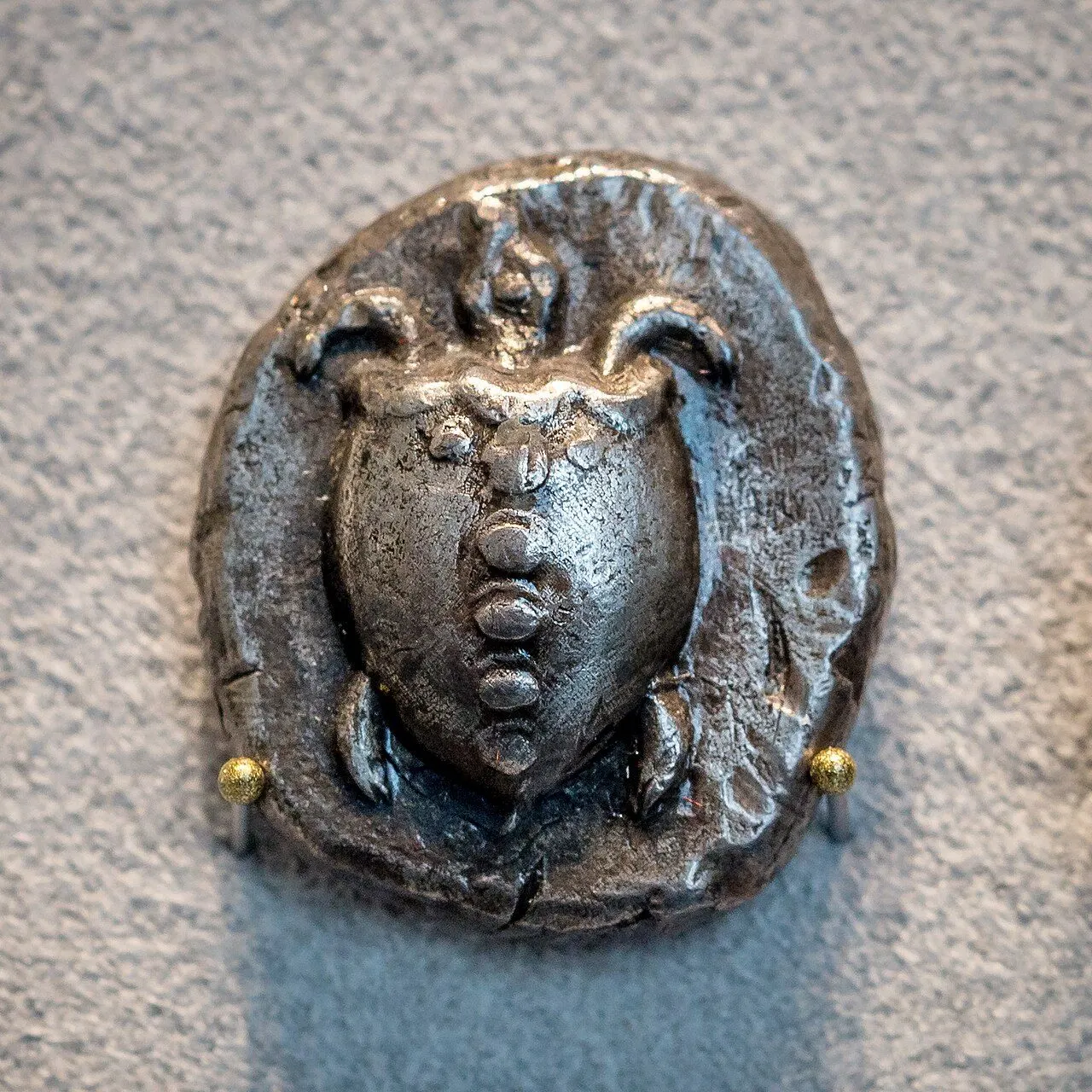
Ancient Aegina is thought to have been the first state in Europe to strike its own coins, silver pieces stamped with a sea turtle, in the sixth century BC. More than two thousand years later, in 1829, the first coins of independent Greece, the phoenix, were minted here too.
On the hill of Paleochora, the islanders' hiding place from pirates for a thousand years, the homes have crumbled away but more than thirty chapels still stand, many with frescoes, scattered over the rocks like dice.
A doctor named Nikolaos Peroglou is credited with starting the first proper pistachio orchards in 1896. Today the nuts of Aegina, fistiki Aeginis, carry a protected designation of origin, and you see the low, grey-green trees in fields all over the island.
Last updated