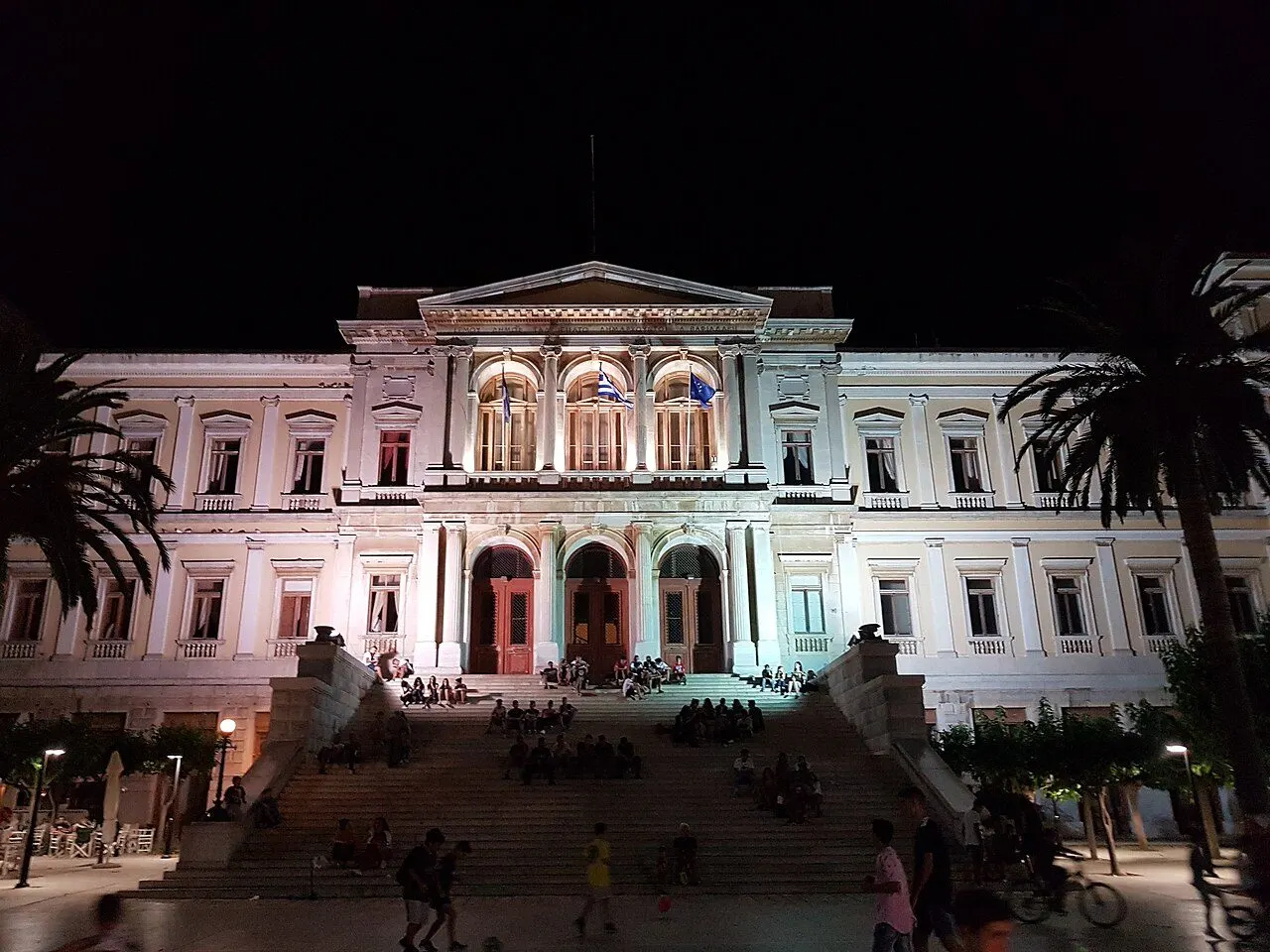
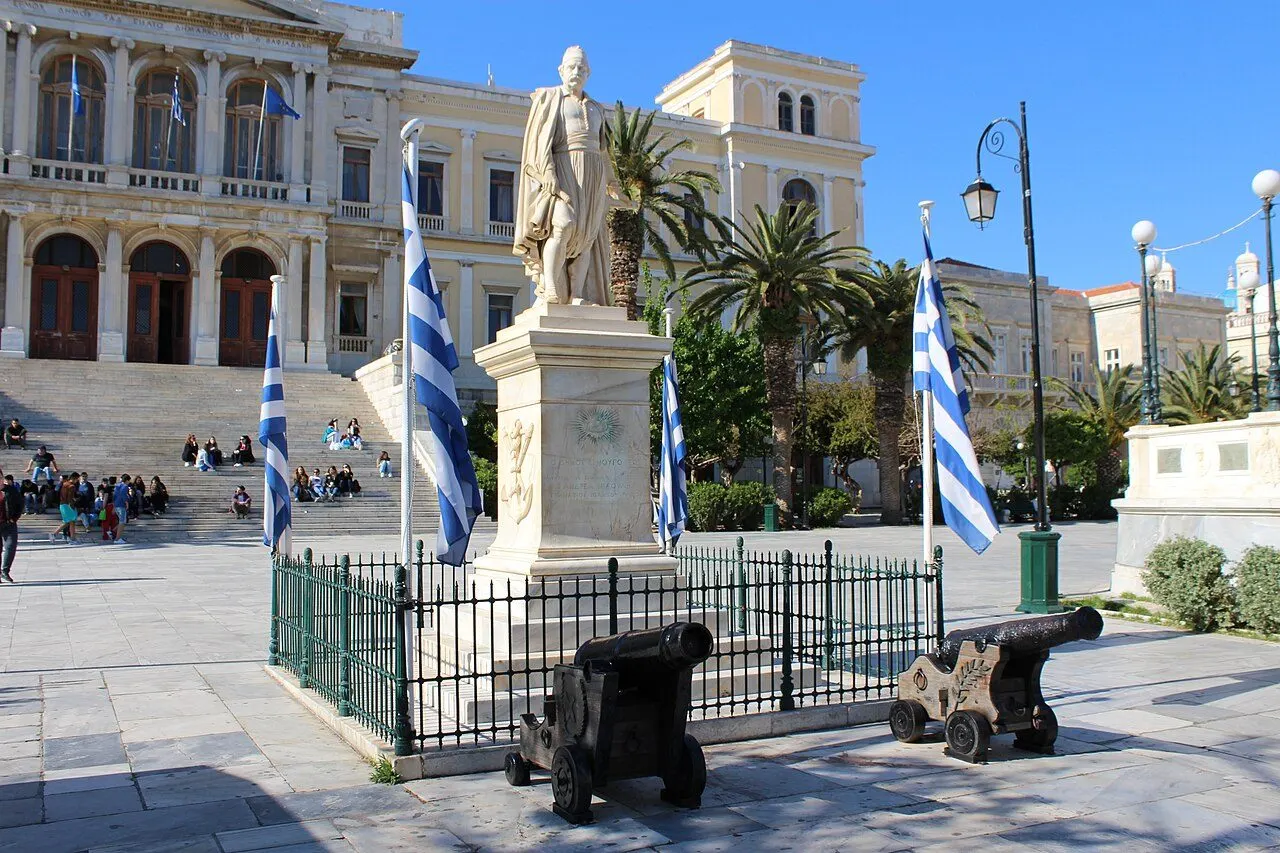
Miaoulis Square and the town hall
The marble square at the heart of Ermoupoli and Ernst Ziller's town hall, which also houses the Archaeological Museum.
Syros · History
One of the great Bronze Age sites of the Cyclades, a philosopher who taught Pythagoras, a Venetian hill town under French protection, and a refugee city that became the first port of modern Greece.
Timeline
c. 2700–2300 BC
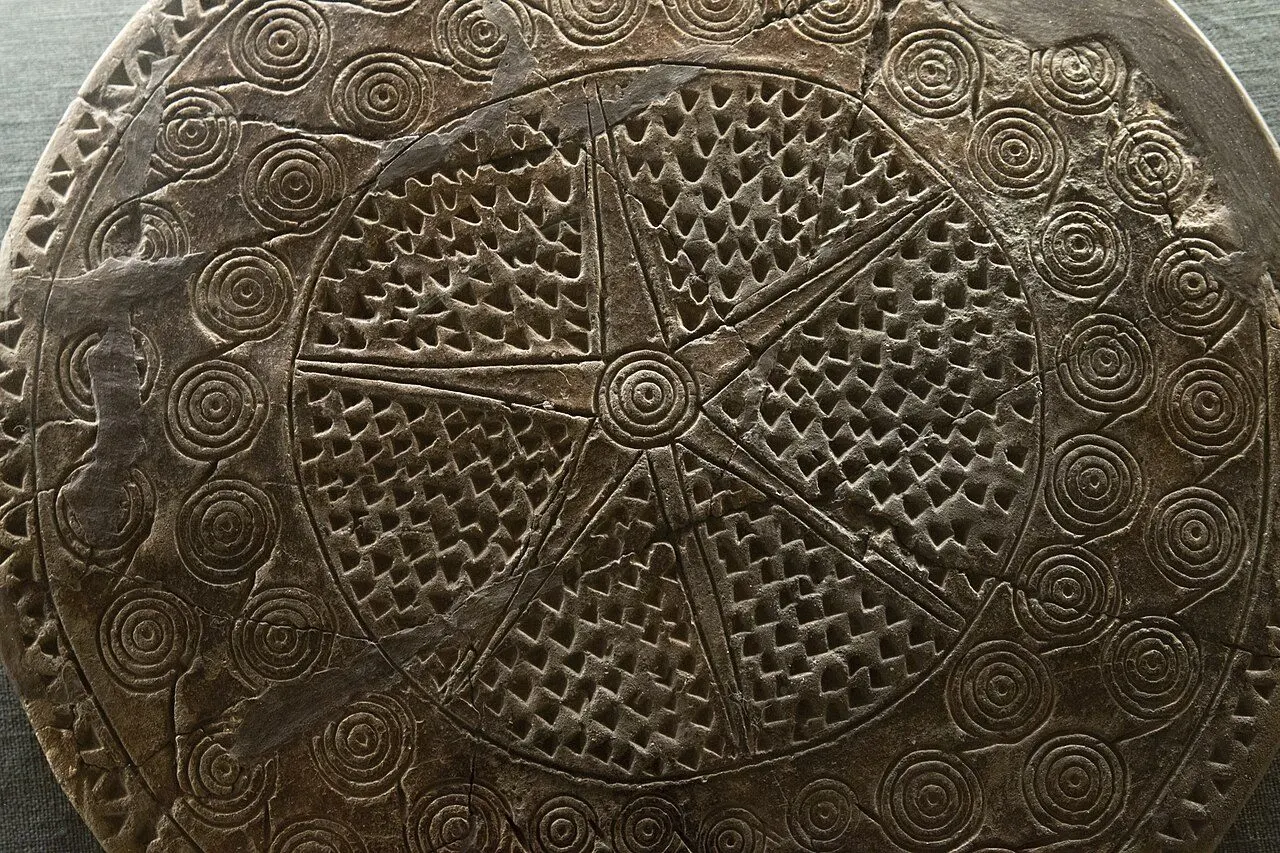
In the north of the island, at Chalandriani, archaeologists at the end of the 19th century excavated one of the largest Early Cycladic cemeteries, with hundreds of graves, and on the hill of Kastri above it a fortified settlement with walls and towers. The finds gave a name to a whole phase of Aegean prehistory, the Keros-Syros culture: marble figurines and bowls, and clay 'frying pans' decorated with spirals and some of the earliest pictures of longships in the Aegean.
6th century BC
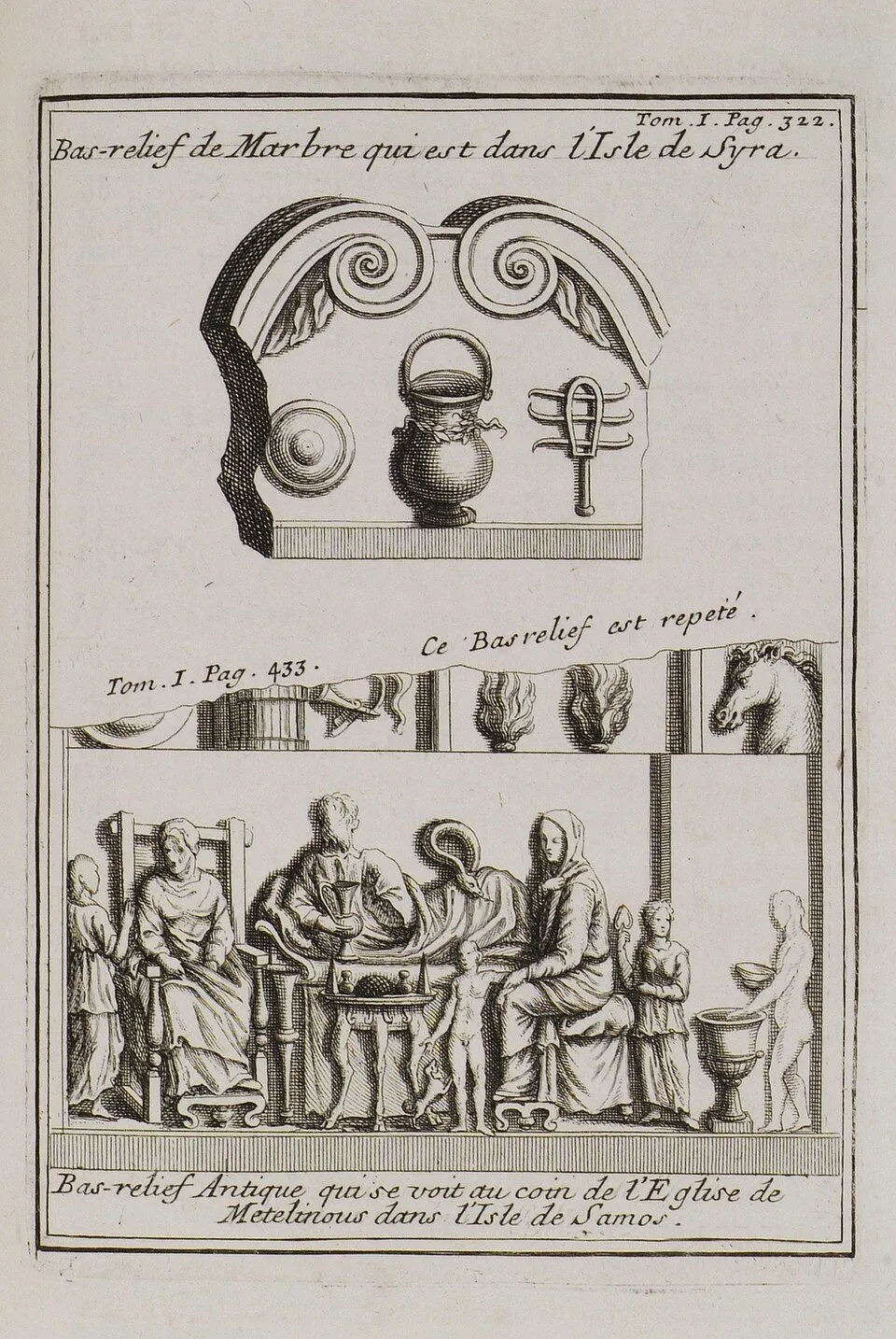
The island's most famous ancient son was Pherecydes, one of the first Greeks to write about the gods and the making of the world in prose, and by tradition a teacher of Pythagoras. Ancient writers also credit him with a sundial on the island. Classical Syros itself was a small city, on the site of today's Ermoupoli.
Hellenistic to early Christian times
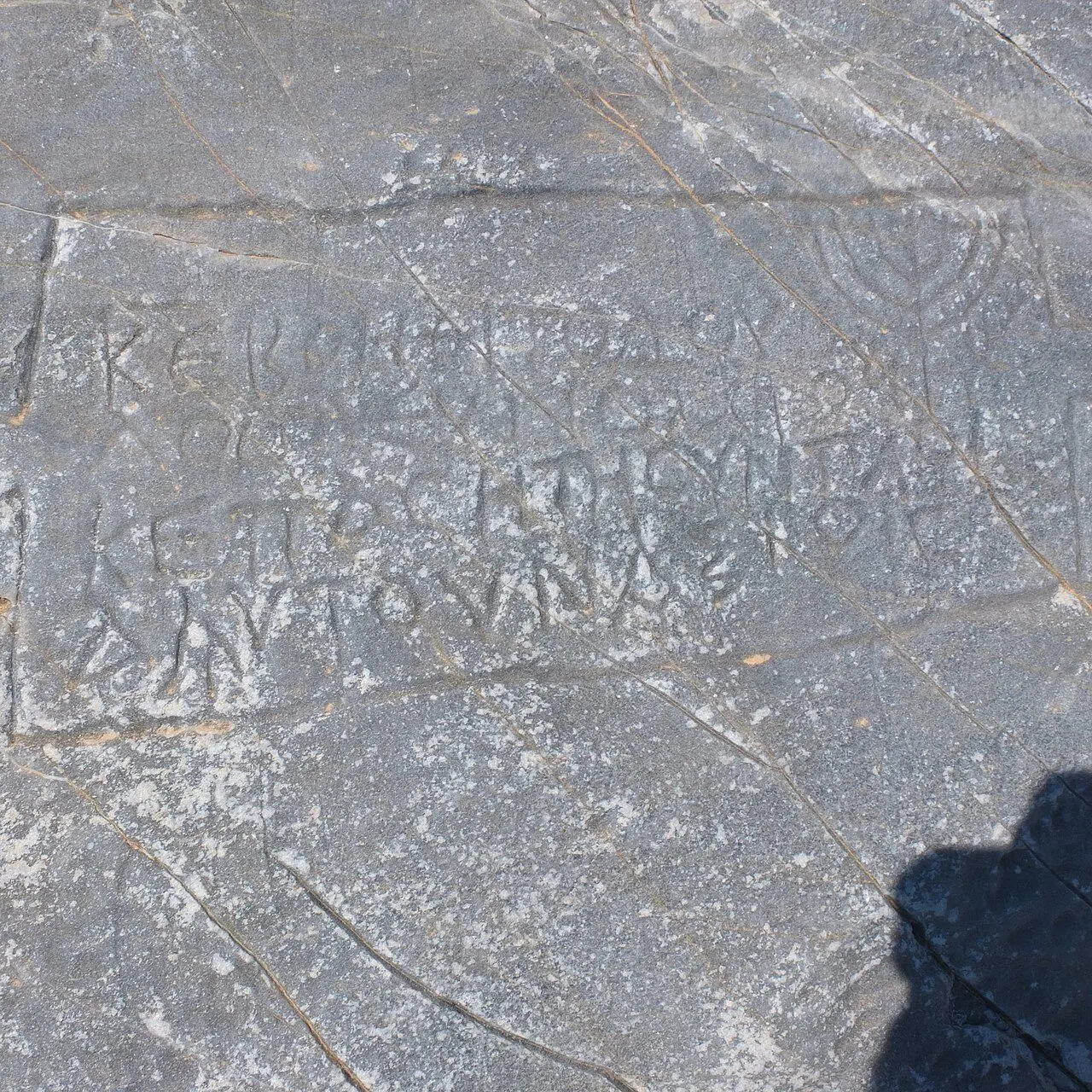
On the rocks of Grammata bay in the far north, where ships sheltered from storms, sailors carved inscriptions for centuries, many of them prayers for a safe voyage, first to the old gods and later to Christ. Grammata means 'letters', and the bay is still named after them.
13th–18th century
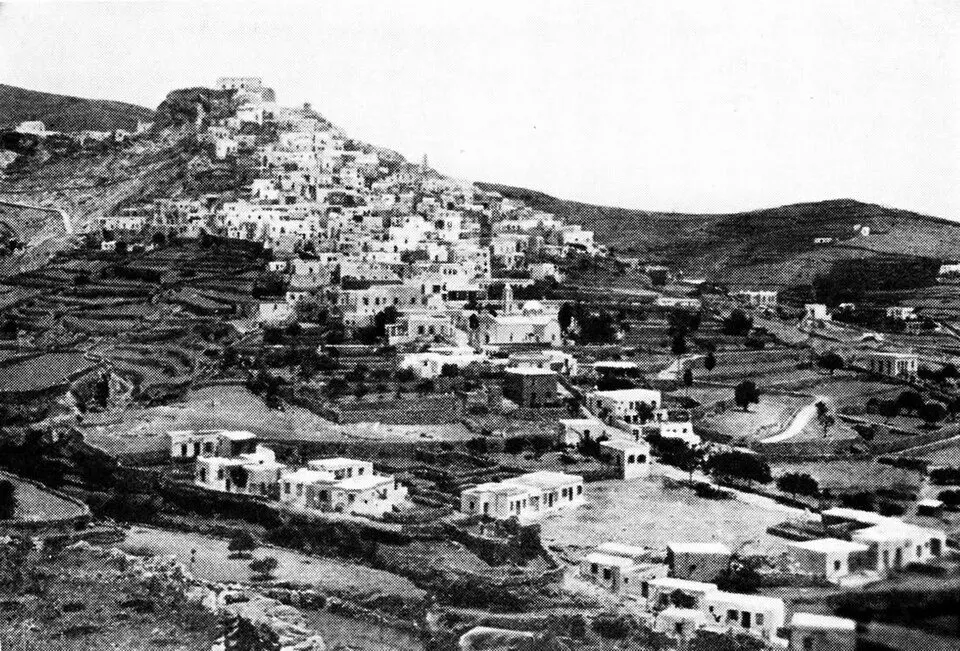
After 1204 Syros became part of the Venetian Duchy of the Archipelago, and its people moved up to the defensible hill of Ano Syros. When the Ottomans took the island in the 16th century, its Catholics kept their faith and their bishop under the protection of the kings of France, and Capuchin and Jesuit monks settled on the hill.
1821–1830s
In the War of Independence the Catholics of Syros stayed neutral under French protection, and the island became a safe harbour in a burning Aegean. Survivors of the massacres of Chios in 1822 and of Psara and Kasos in 1824 came ashore below the hill and began to build a new town, Ermoupoli. In 1832 Syros became part of the new Greek state.
1830s–1890s
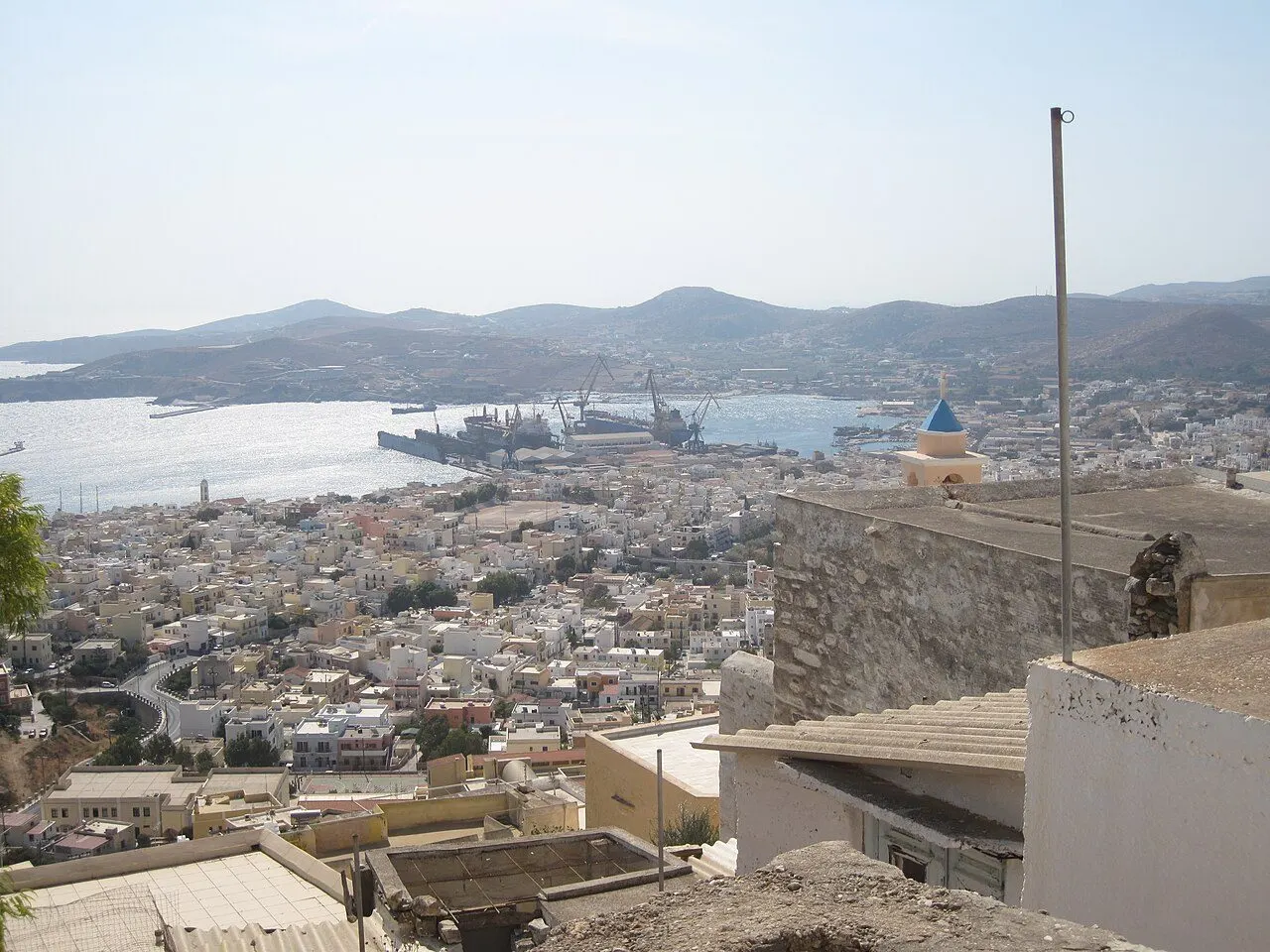
For half a century Ermoupoli was the commercial capital of Greece: its biggest port, its shipbuilding centre, the home of its first steamship company, founded in 1856, and of banks, insurers, tanneries and mills. The merchants built Miaoulis Square, the Apollo Theatre, opened in 1864, and Ziller's town hall, finished in 1891.
1890s to today
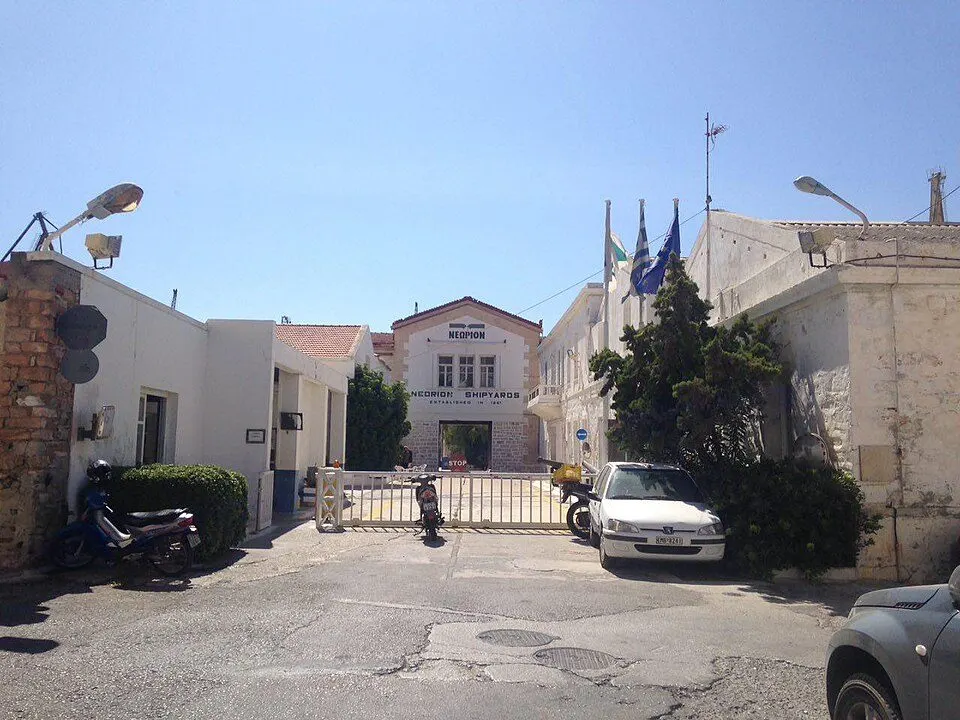
Steamships no longer needed to stop, and Piraeus took the trade. The mills closed one by one and many families left. But Ermoupoli stayed the capital of the Cyclades, the Neorion shipyard kept working, and in the late 20th century the town began to restore its mansions, reopen its theatre and turn a factory into the Industrial Museum.
Visit
The marble square at the heart of Ermoupoli and Ernst Ziller's town hall, which also houses the Archaeological Museum.
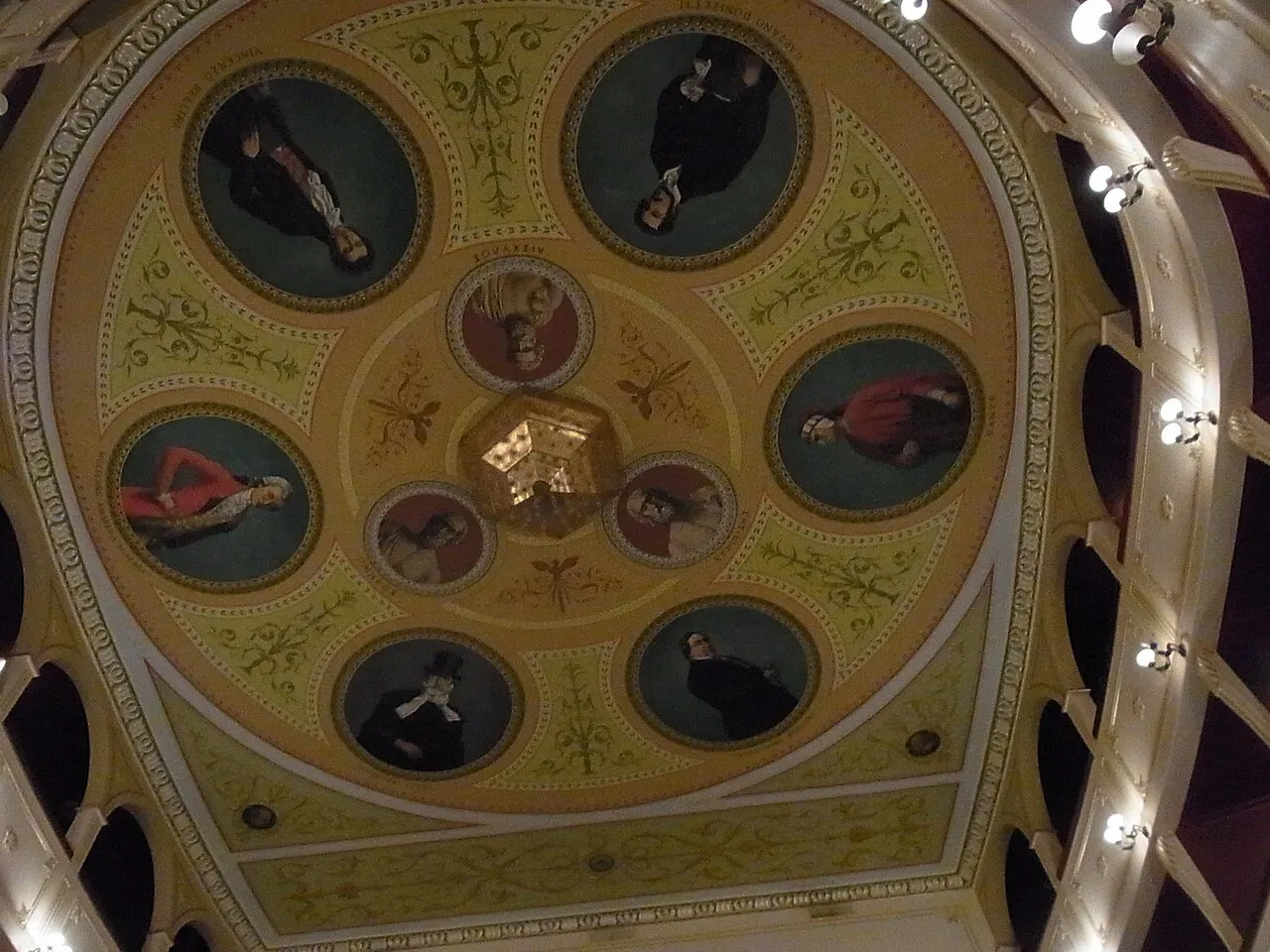
A small Italian-style opera house of 1864, with tiers of boxes and a painted ceiling, still used for opera and concerts.
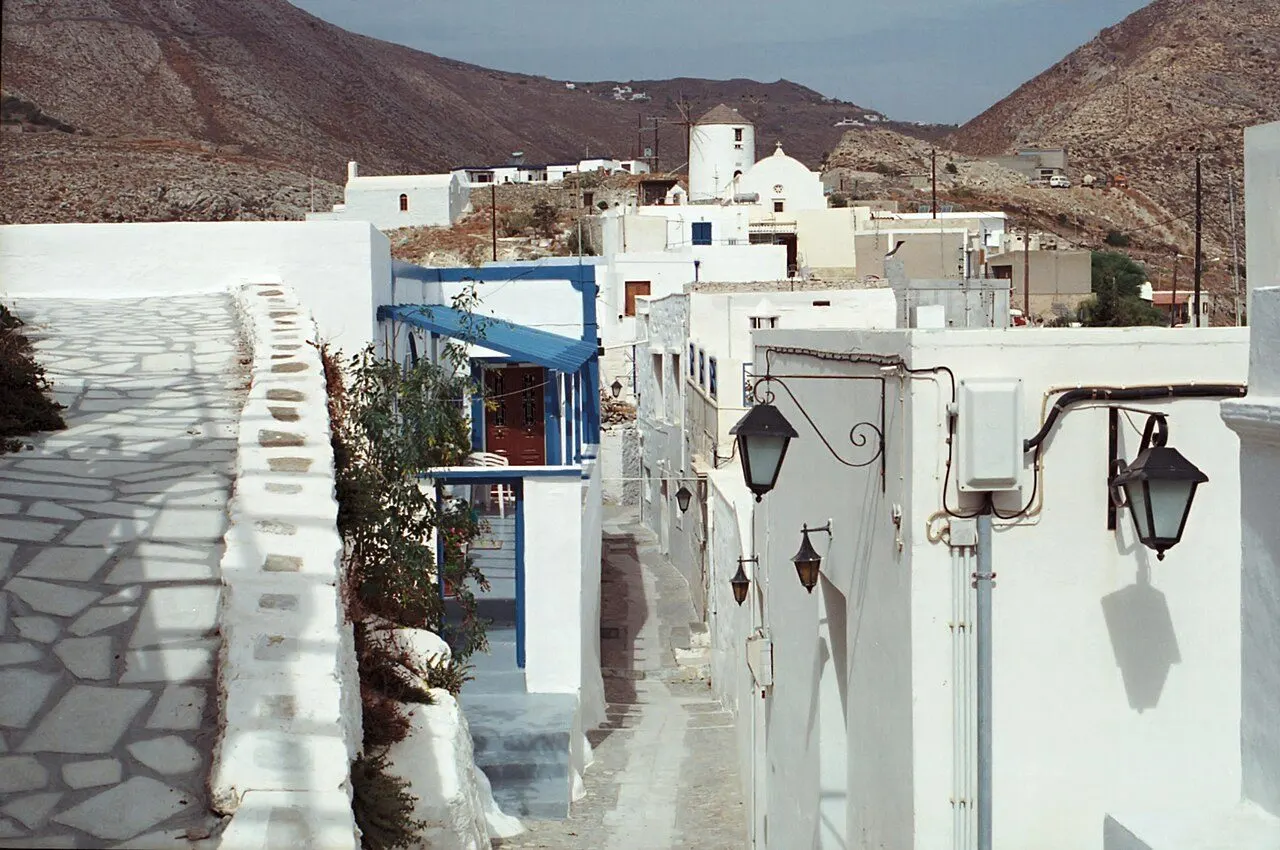
The medieval Catholic town on its hill, with the cathedral at the top and the Capuchin and Jesuit monasteries in its lanes.
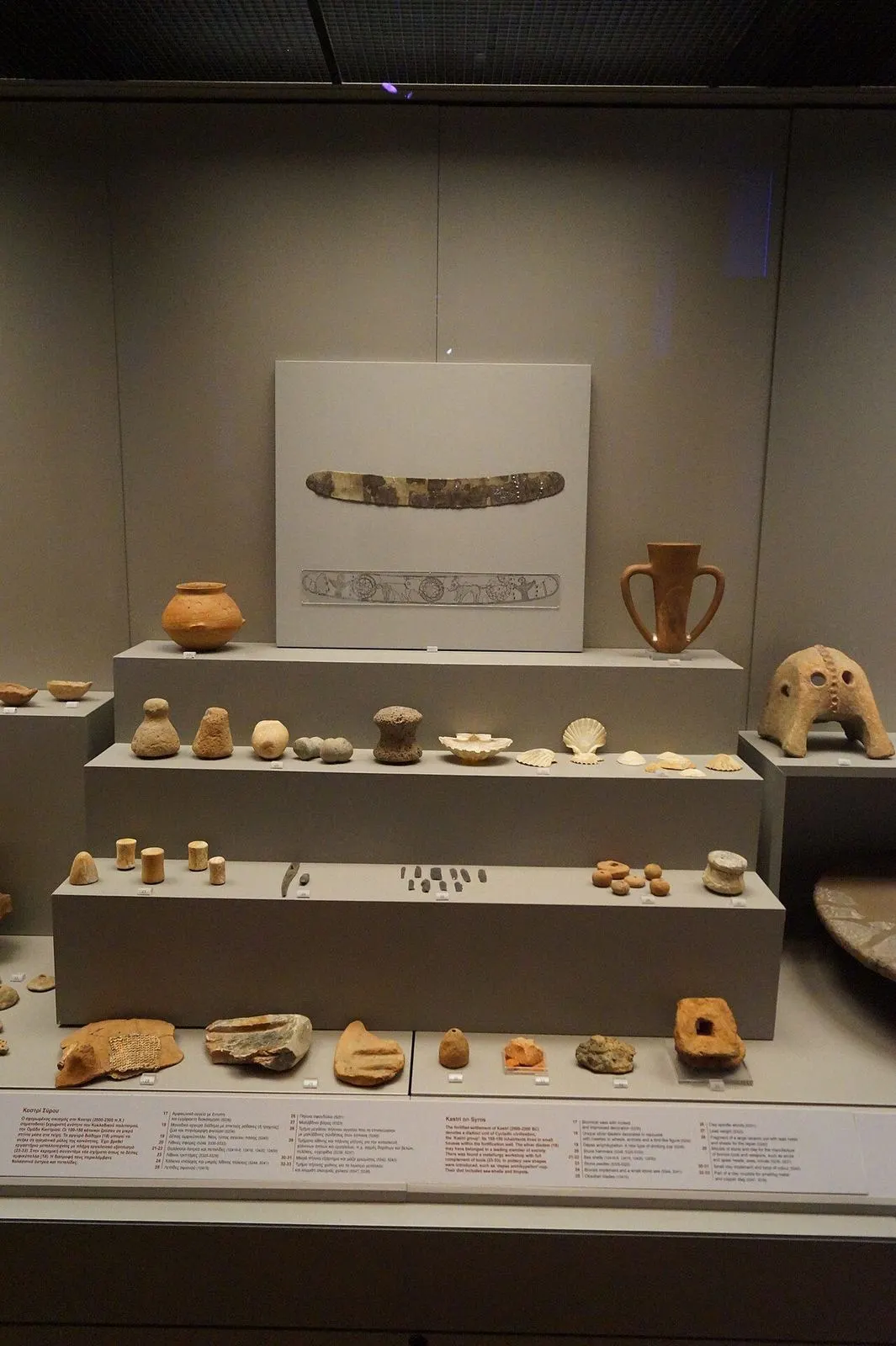
The Early Cycladic fortified hilltop and its great cemetery in the north of the island, about 4,500 years old.
Last updated