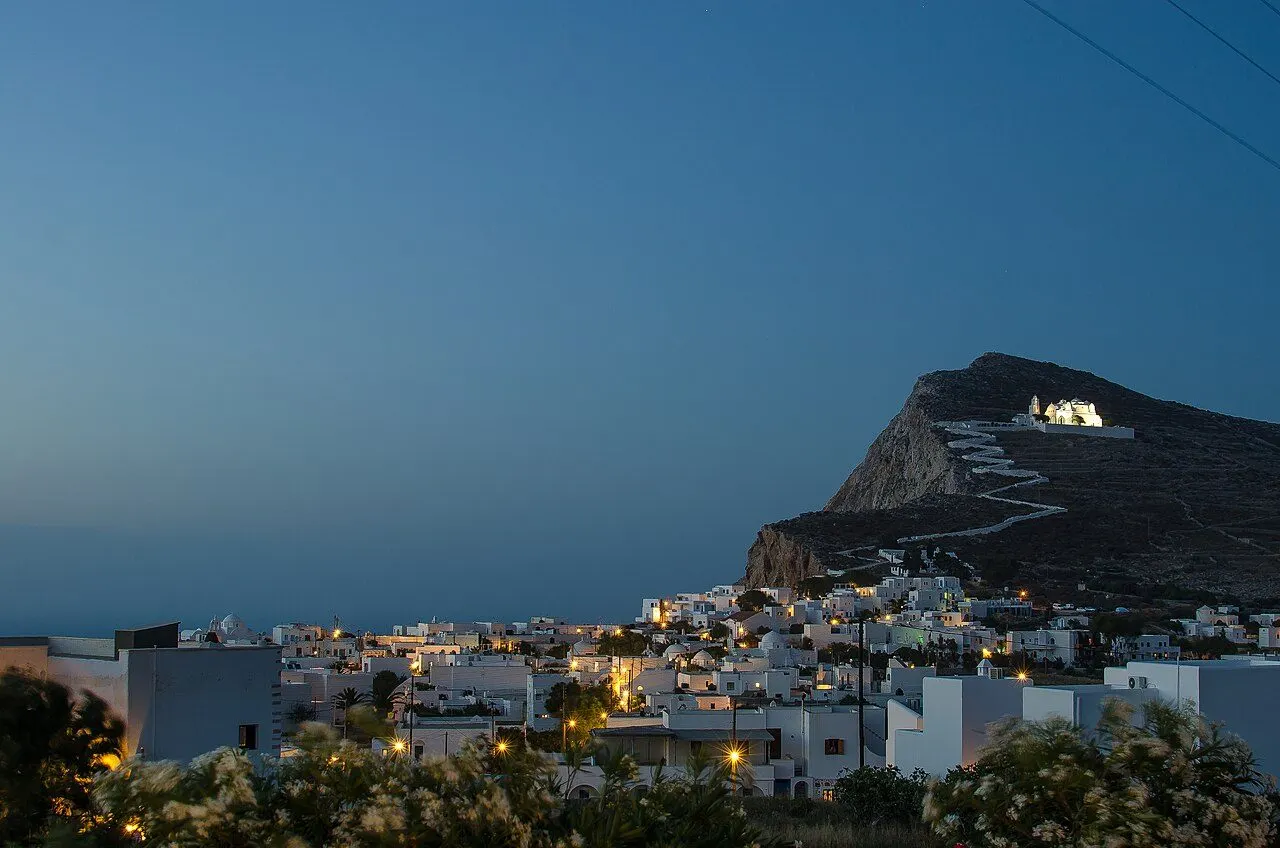
The Panagia
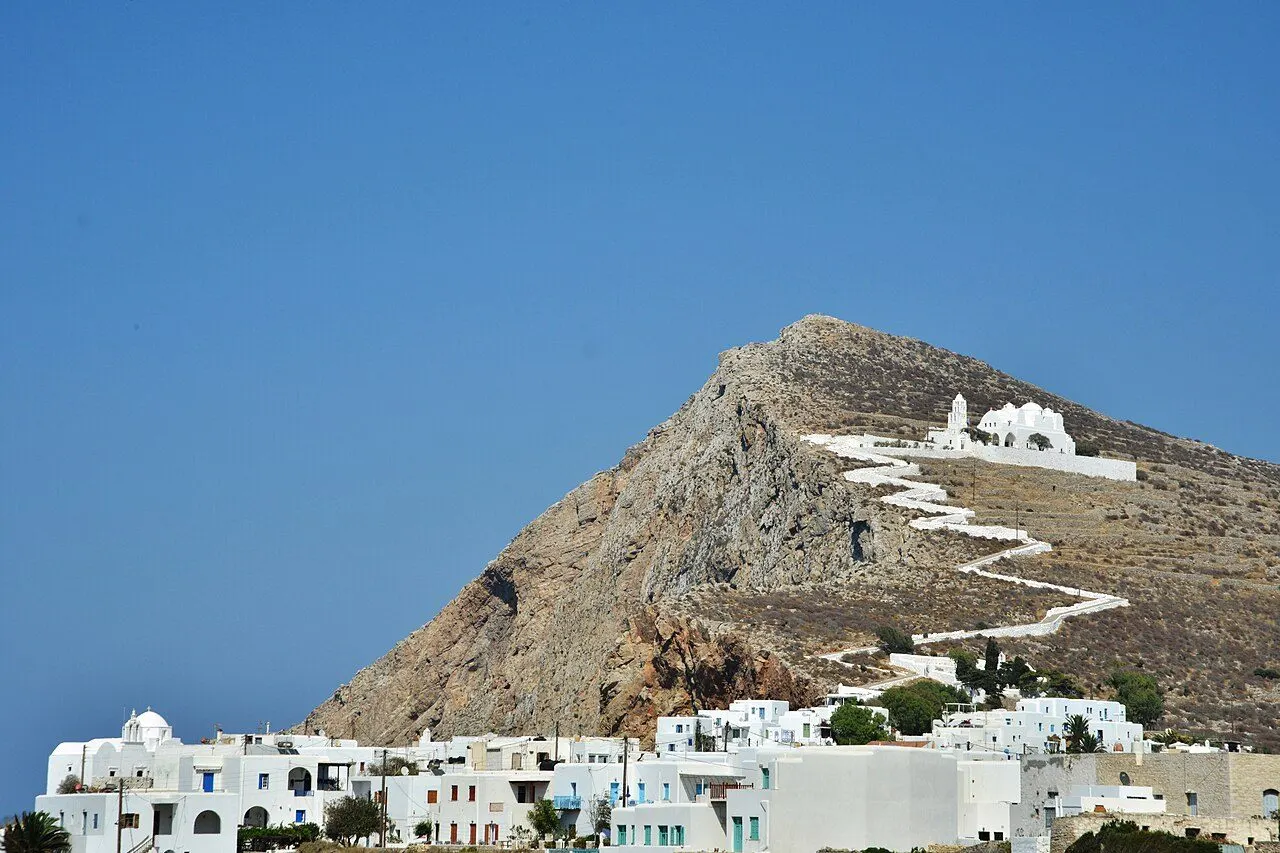
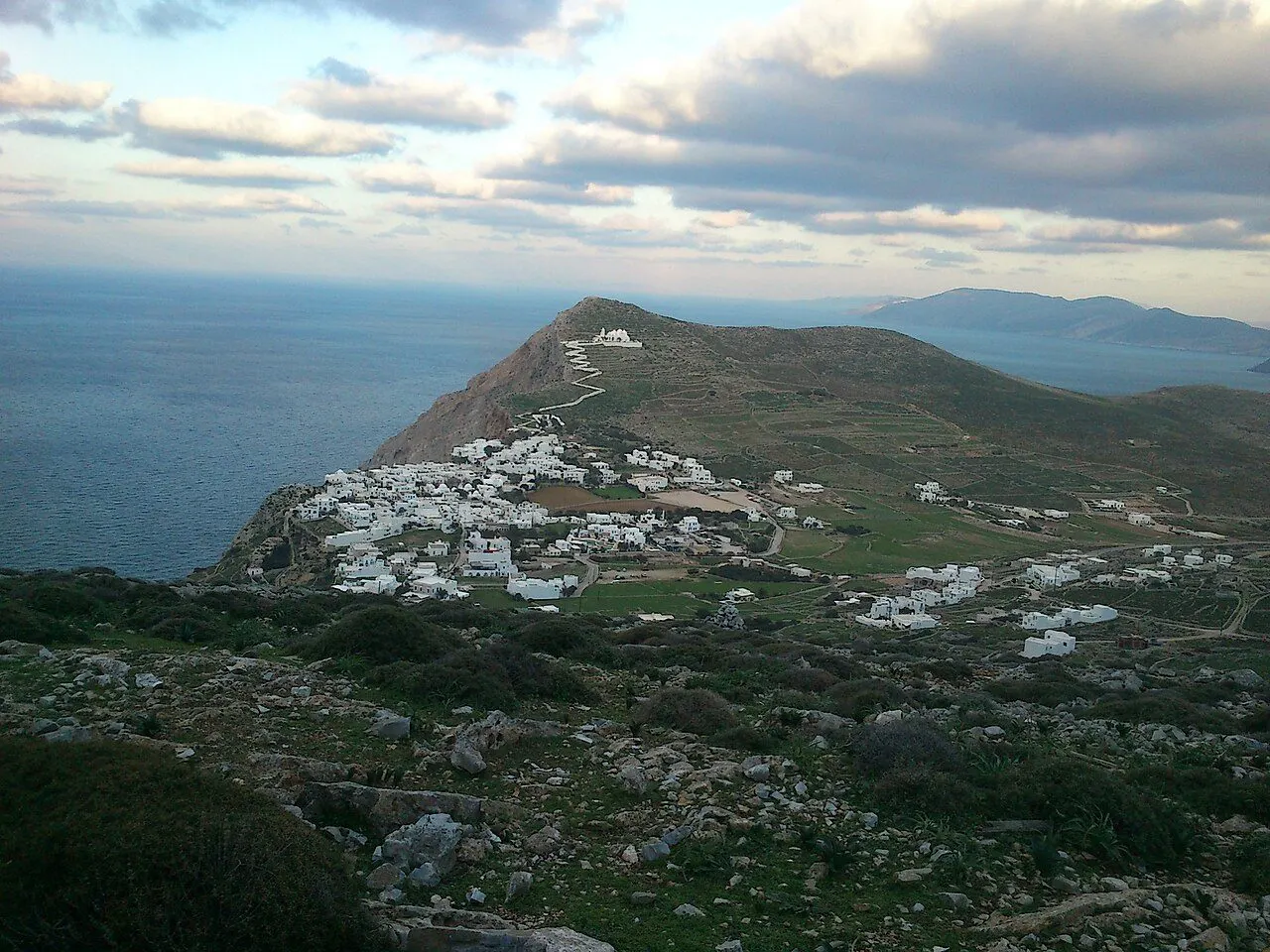
The island's largest church, white on its rock above the village, built on the site of an ancient temple, 15 minutes up the zig-zag path from Pounta.
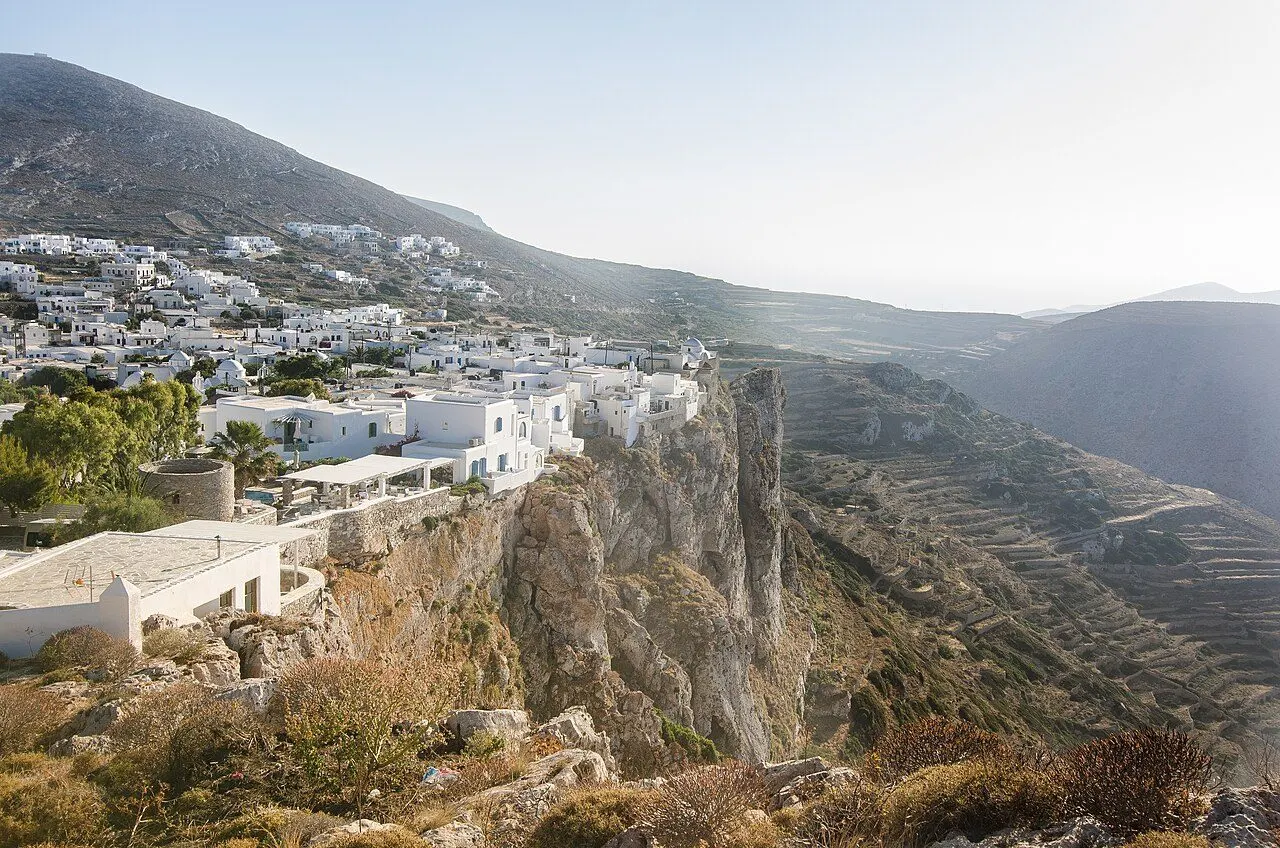
Folegandros · Chora & the cliffs · Χώρα Φολεγάνδρου
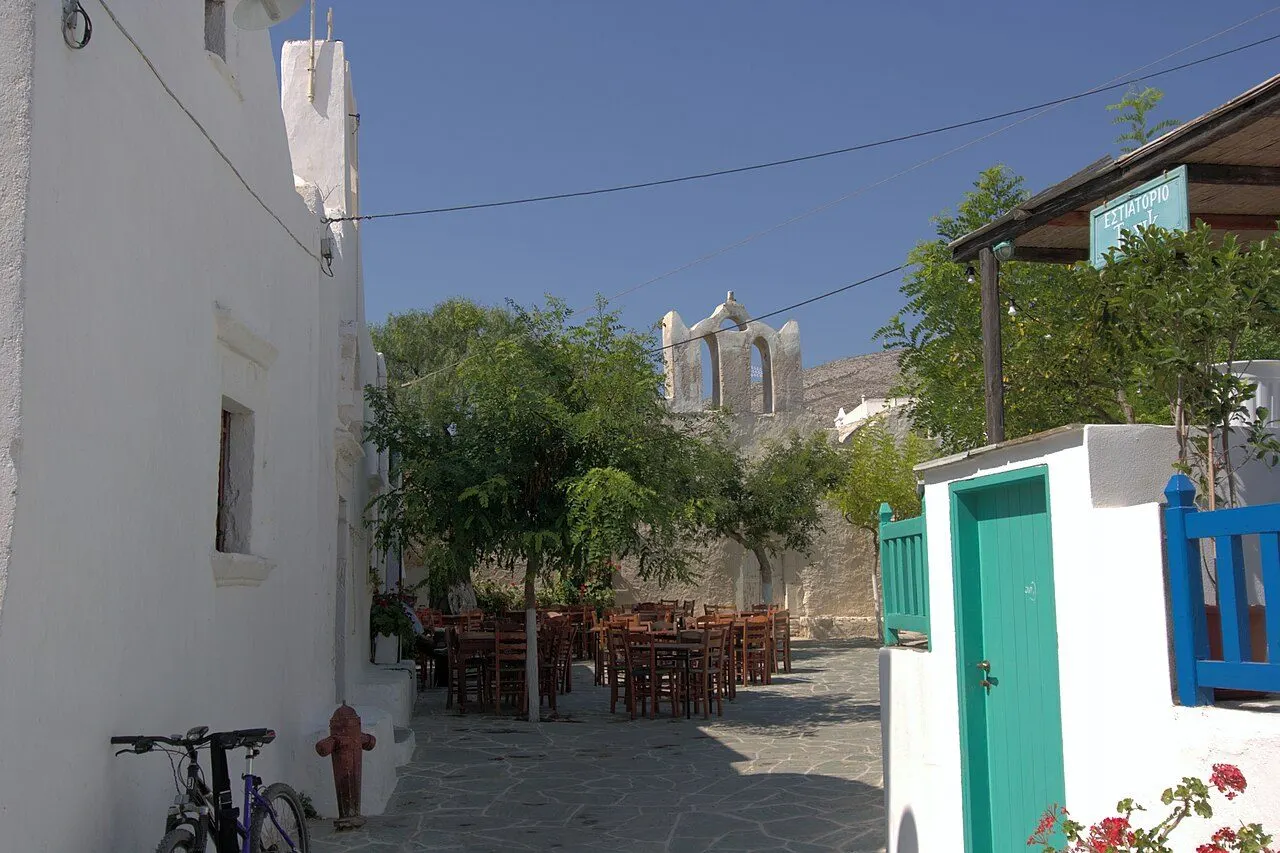
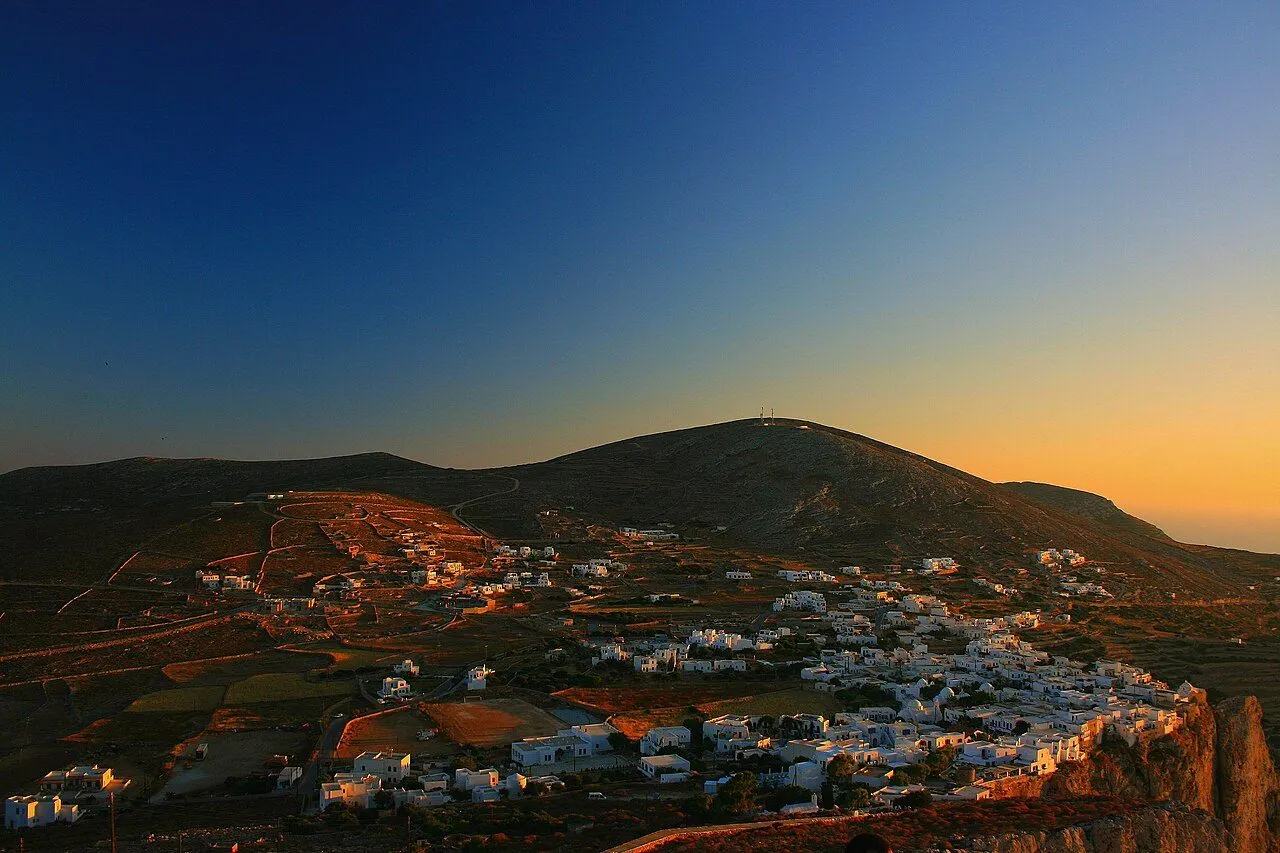
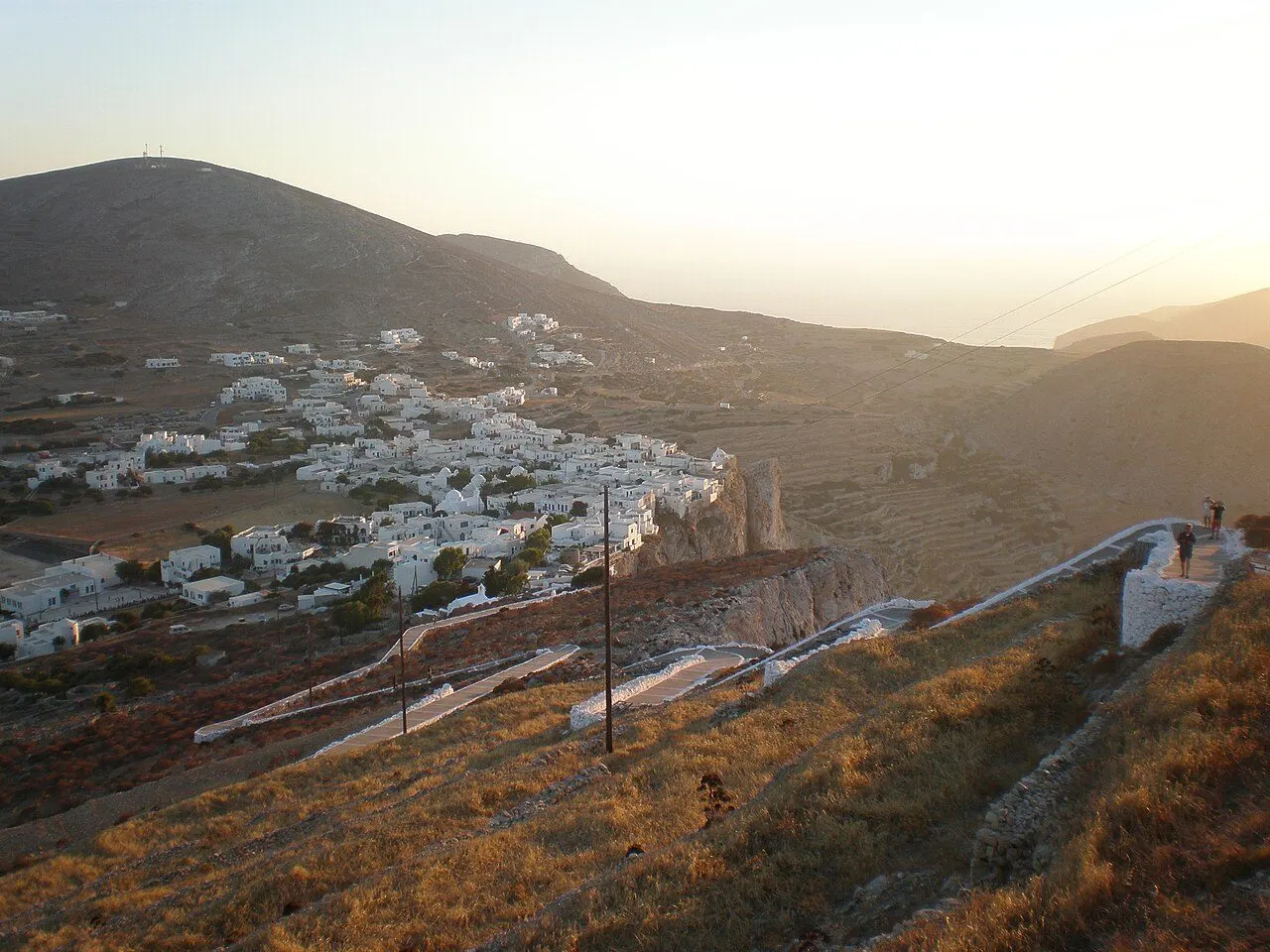
Chora, the island's capital, stands about 200 m above the sea on the edge of a sheer cliff on the north-east coast, on the site of the ancient city of Pholegandros. Its oldest part is the Kastro, a walled medieval settlement built against pirates, whose north side runs along the very lip of the precipice and which has been lived in ever since. Around it the newer village spreads in whitewashed houses, cobbled lanes and, unusually for the Cyclades, one square opening into the next: Pounta, Dounavi and Piatsa, shaded by trees and full of tables at night. No cars are allowed inside. Above it, on a rock, stands the white church of the Panagia, reached by a zig-zag path.
Greetings from Chora
Chora
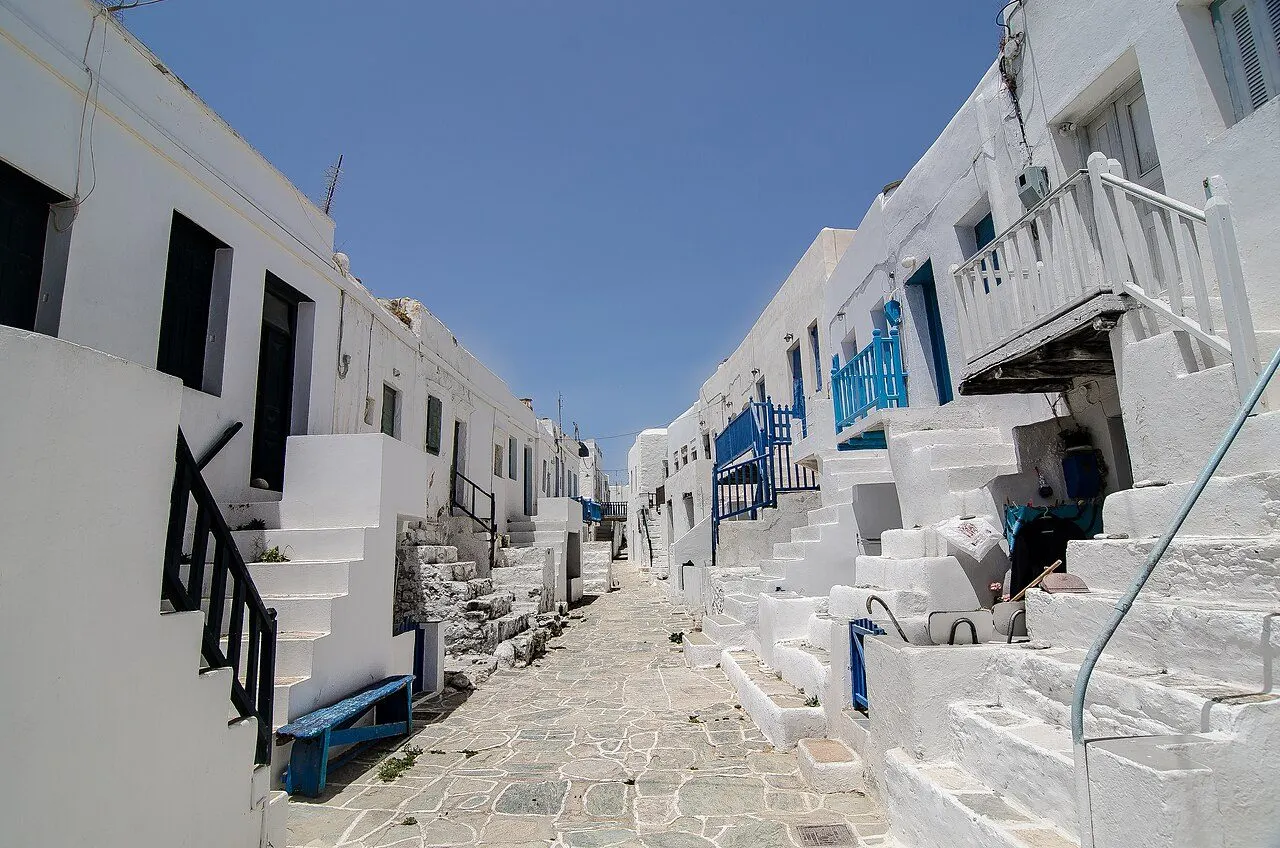
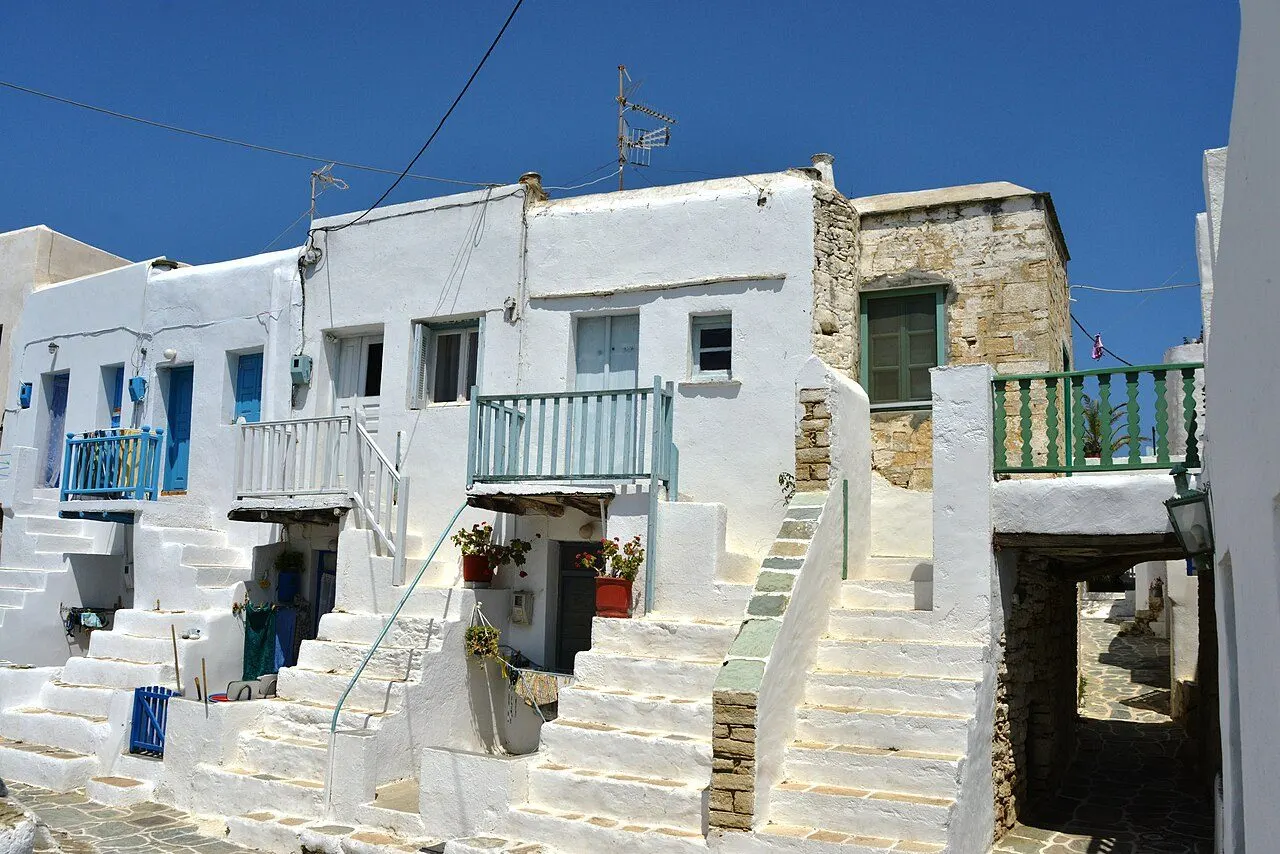
We came up the road from the port and the village was suddenly there, white on the edge of nothing, with the sea 200 metres straight down. We walked the two lanes of the Kastro, under balconies hung with flowers and outside stairs with blue rails, and climbed the zig-zag path to the white church on its rock as the sun went down and the houses below turned gold. Tonight we are under the trees of the square with rakomelo and a plate of matsata, and somebody has a violin.
A village of squares on the lip of a 200 m cliff, around a medieval Kastro lived in without a break since it was built
The ancient city of Pholegandros stood here. Its acropolis was on the height of Palaiokastro above the church of the Panagia, where broken pottery and the remains of buildings still lie among the rocks, and a stretch of its 4th-century BC wall survives a little lower down, in the cemetery of Chora. In the 5th century BC the city paid its tribute to Athens as a member of the Delian League; the poet Aratus called the island 'iron Pholegandros' for its harsh rock.
When the Venetian Marco Sanudo took the Cyclades after the Fourth Crusade and made them his Duchy of the Archipelago, Folegandros was among them, and the Kastro was built on the highest point of the old city to keep the islanders safe from pirates. It is a fortified village rather than a castle: two long parallel lanes, Kato Rua and Mesa Rua, lined with whitewashed houses with outside staircases and little balconies, a single square at the west end in the courtyard of the church of the Pantanassa, and only two ways in from the village side, the Lotza and the Paraporti. Its north side is built on the lip of the cliff. People still live in its houses today.
For centuries everyone lived inside the walls. Only after the island joined the new Greek state, when many Folegandrians went to work in Egypt, Constantinople and Athens and sent money home, did families begin to build outside the Kastro, and the modern Chora took shape: low white houses around a chain of squares. Pounta looks across to the cliff face of the Kastro; Dounavi is the place for a midday rest in the shade; Piatsa comes alive at night. In 1835 Chora became the seat of the island's new municipality.
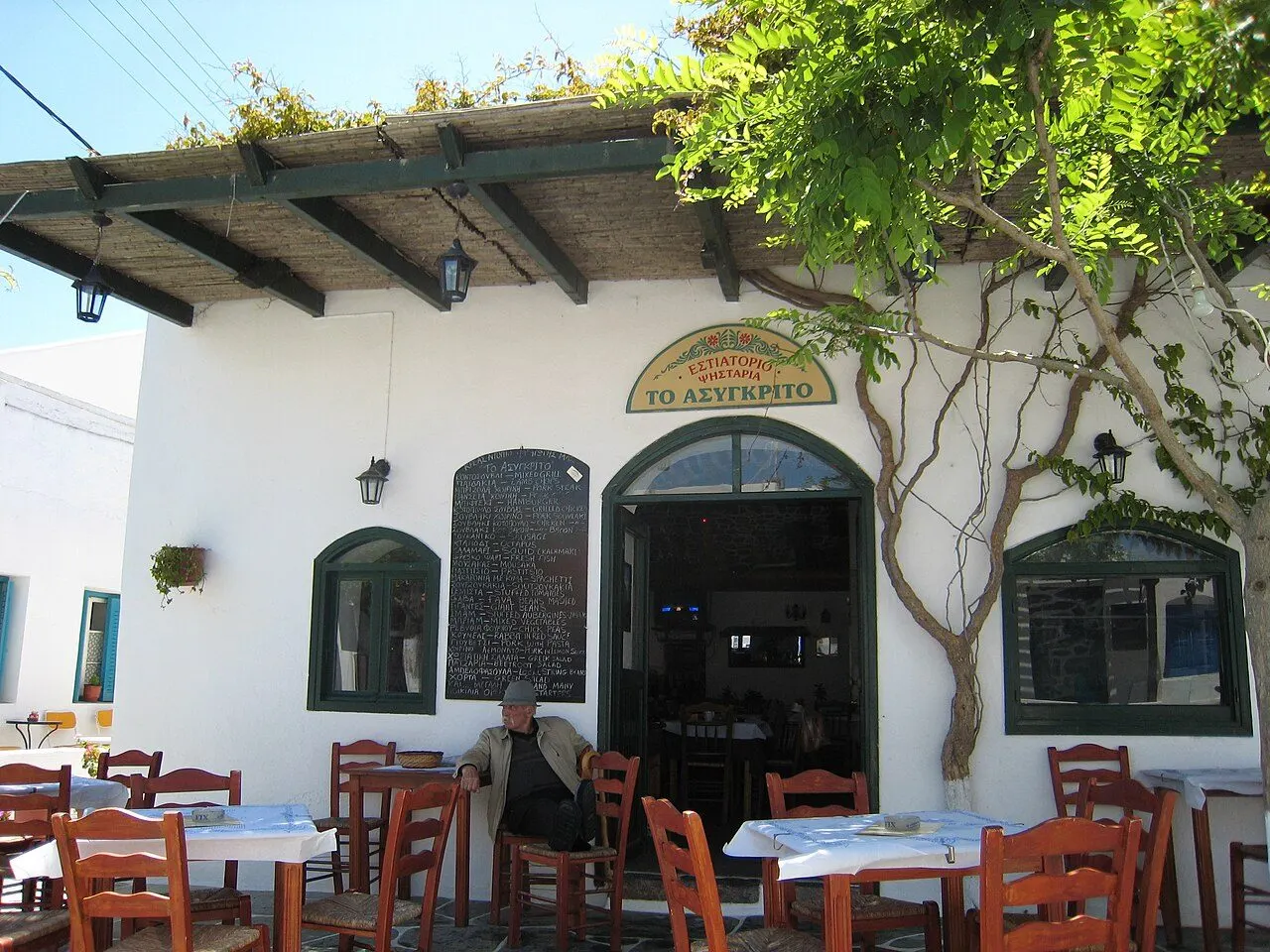
The squares are the island's living room. Folegandrians love music, and the violin and the lute turn up at every celebration; in summer the tables of the tavernas and kafeneia fill the squares until late, over rakomelo, raki warmed with honey. At Easter the whole village prepares for days, whitewashing the paving and cooking, to receive the icon of the Panagia, carried down from her church on Easter Sunday and taken from house to house through every lane of Chora.
Hour by hour
The Kastro before the heat, the edge of the cliff, a long lunch on a square, the Panagia at sunset and a night under the trees.
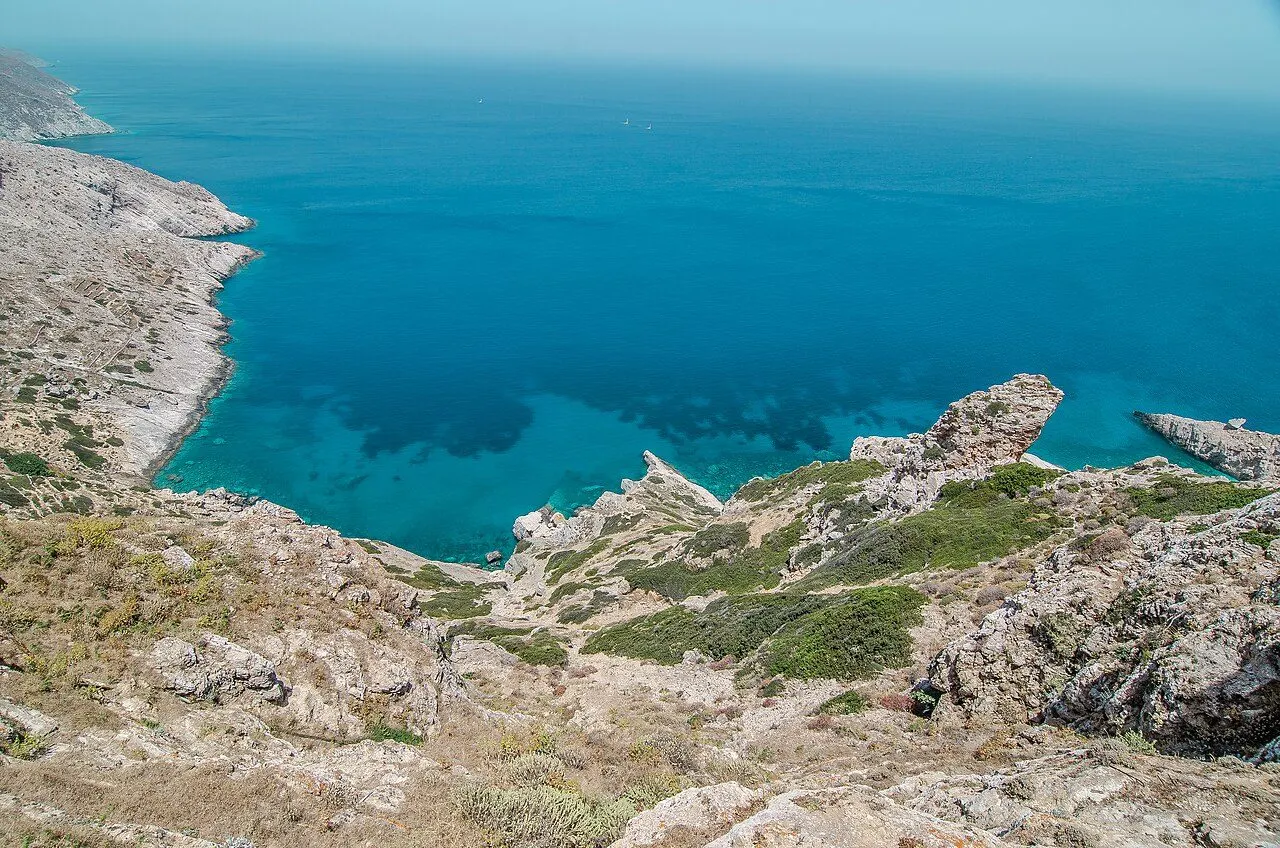
Start with breakfast on a terrace hung over the drop, where the village's only windmill once stood, with the open Aegean below.
Walk in through the Paraporti and along Kato Rua and Mesa Rua, the two lanes of the medieval village, to the little square in front of the Pantanassa.
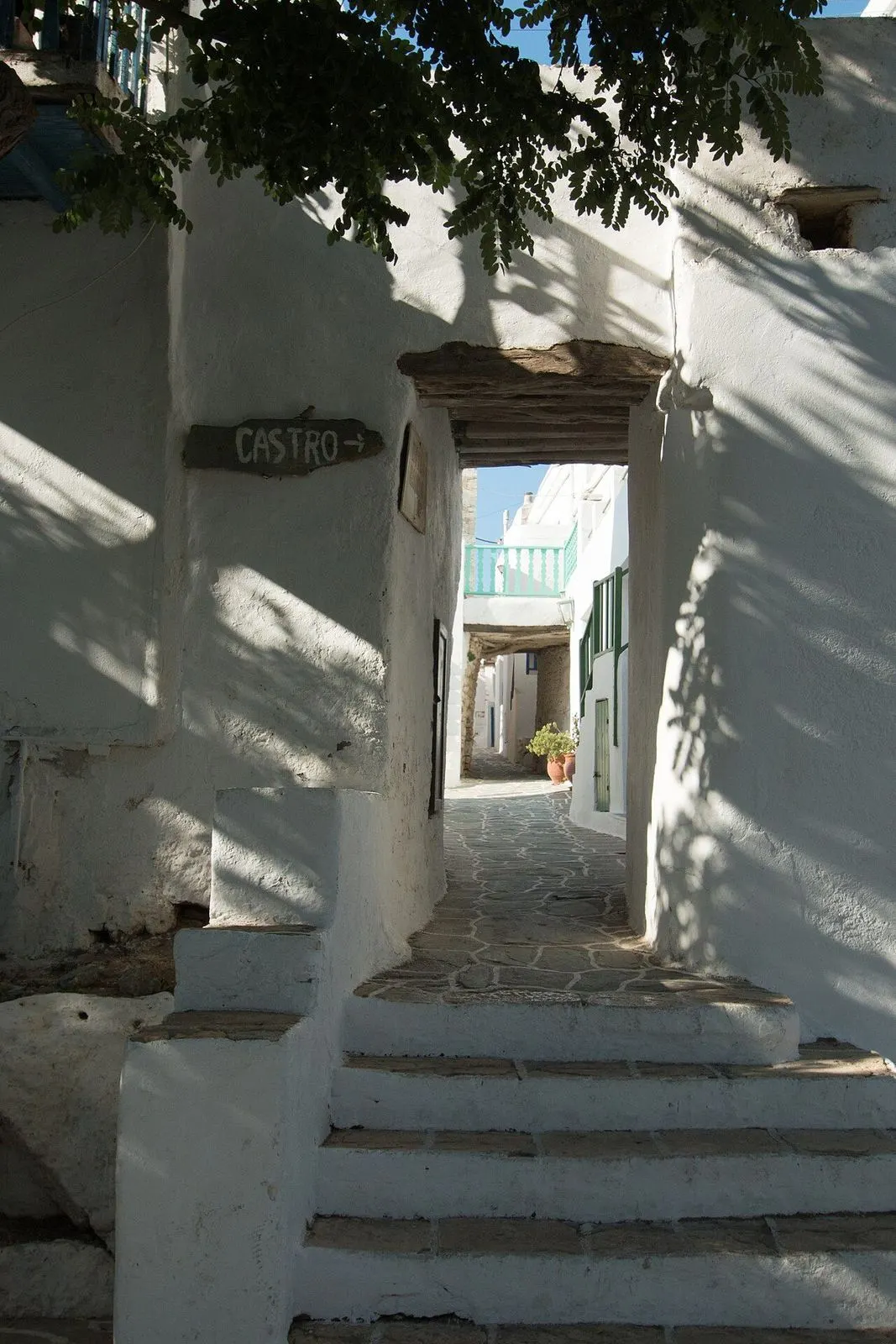
Come out into the chain of squares and sit in the shade of Dounavi with a home-made ice cream.
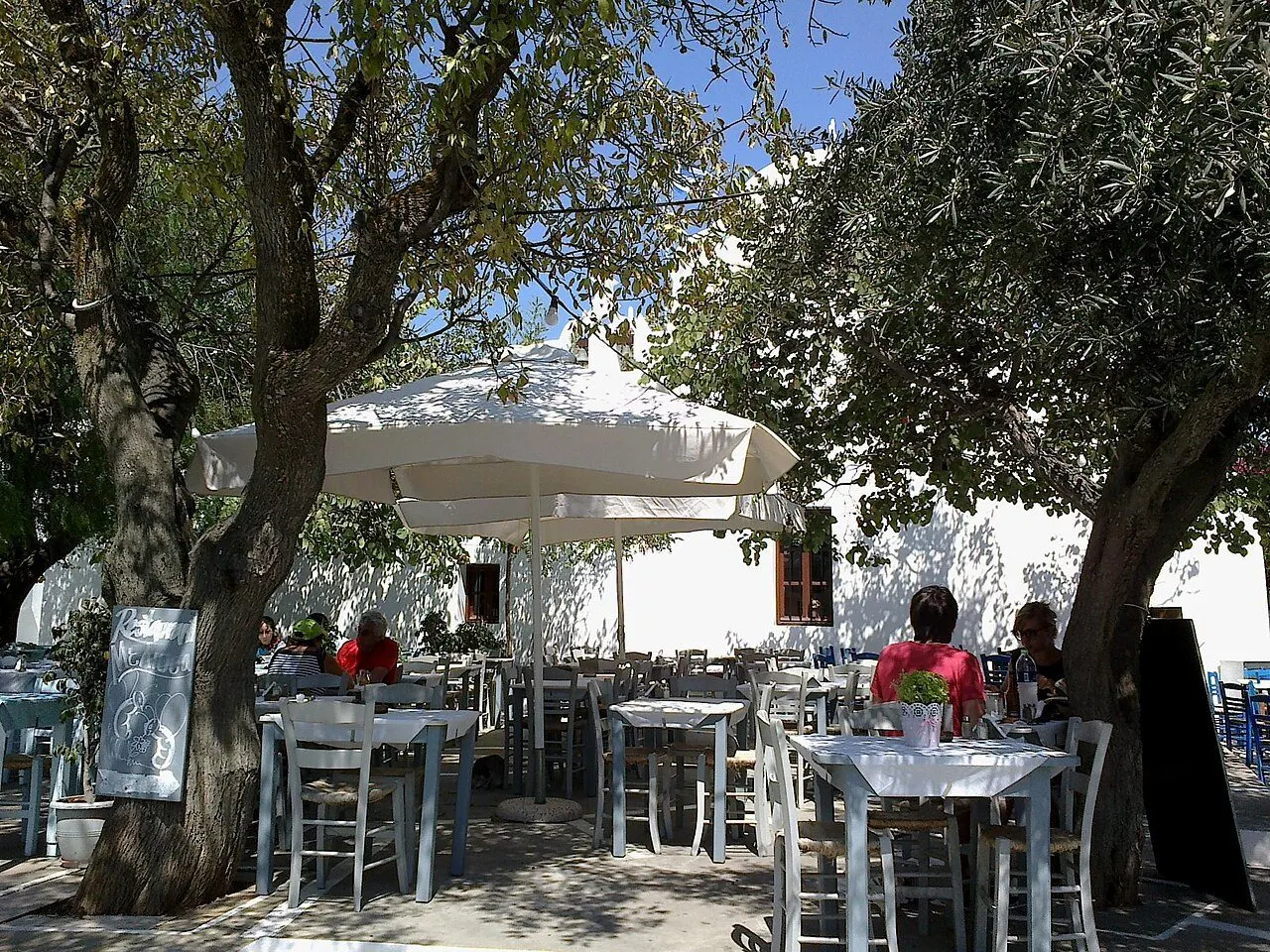
Ask for matsata, the island's hand-made pasta, with rooster in tomato sauce, and a slice of kalasouna, the onion pie.
From Pounta square take the cobbled path that zig-zags up the rock to the white church of the Panagia, about 15 minutes, and watch the sun set over the cliffs.
Come down to Piatsa for dinner under the trees, then a rakomelo, raki warmed with honey, until late.
Where to stay
Chora
Anemomilos Boutique Hotel · Boutique hotel · €€€€
Chora
Hotel Castro · Family hotel in the Kastro · €€€
Chora · Chora & the cliffs
Chora · Chora & the cliffs
Chora · Chora & the cliffs
Where to eat
Chora · Chora & the cliffs
Chora · Chora & the cliffs
Chora · Chora & the cliffs
Chora · Chora & the cliffs
Chora · Chora & the cliffs
Chora · Chora & the cliffs
Chora · Chora & the cliffs
Within an easy drive
The island's largest church, white on its rock above the village, built on the site of an ancient temple, 15 minutes up the zig-zag path from Pounta.
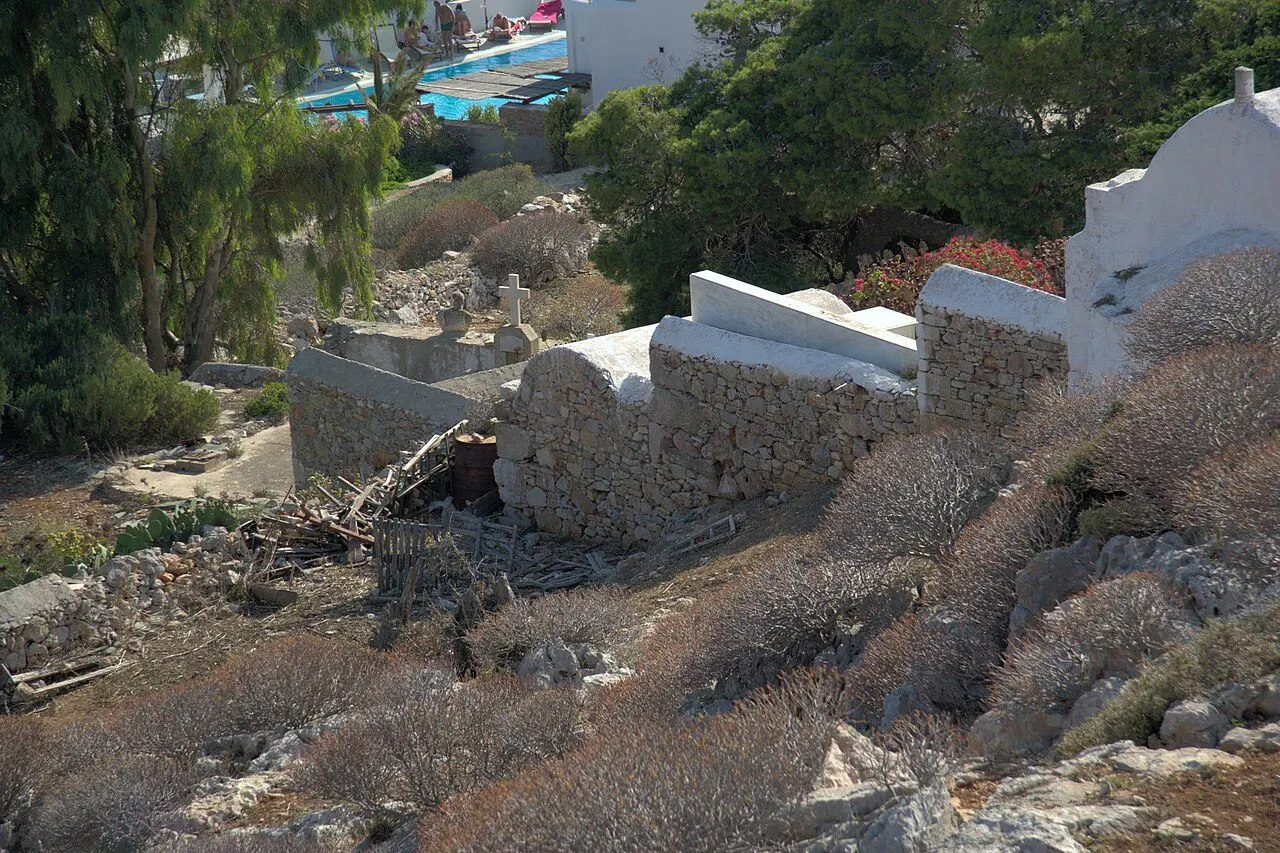
A stretch of the 4th-century BC city wall of ancient Pholegandros, in the cemetery on the way to the Panagia.
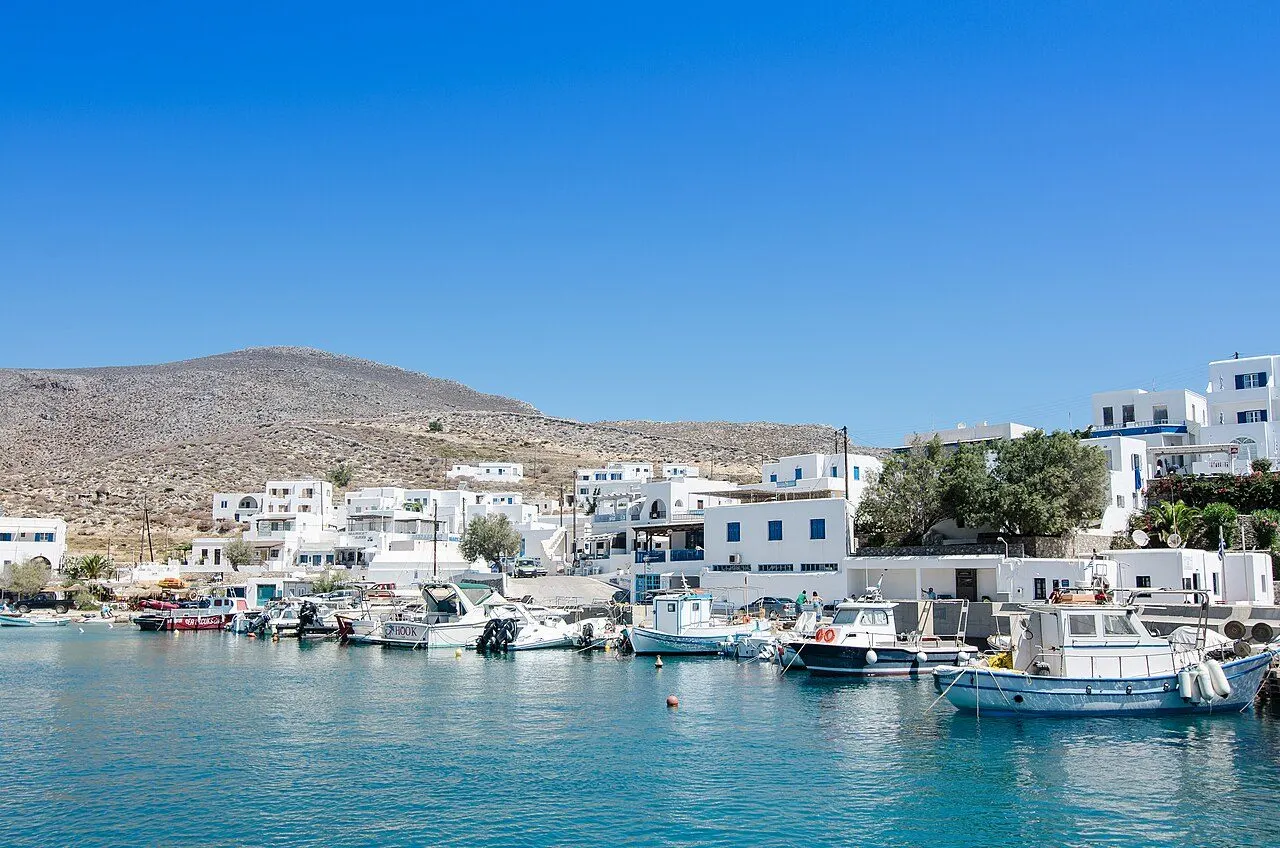
The little port 3.5 km below, with the family beaches of Chochlidia, Vardia and Latinaki.
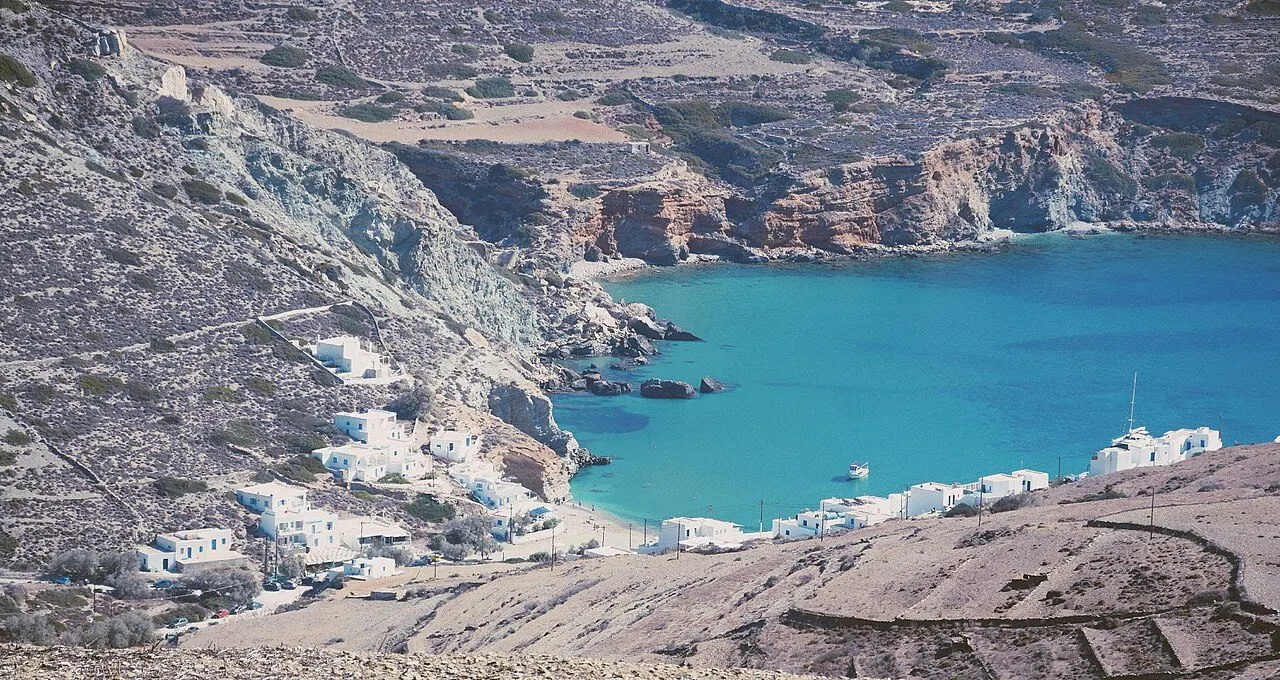
The deep bay of the south coast, 4 km away by road or bus, with paths on to Galyfos, Fira and Agios Nikolaos.
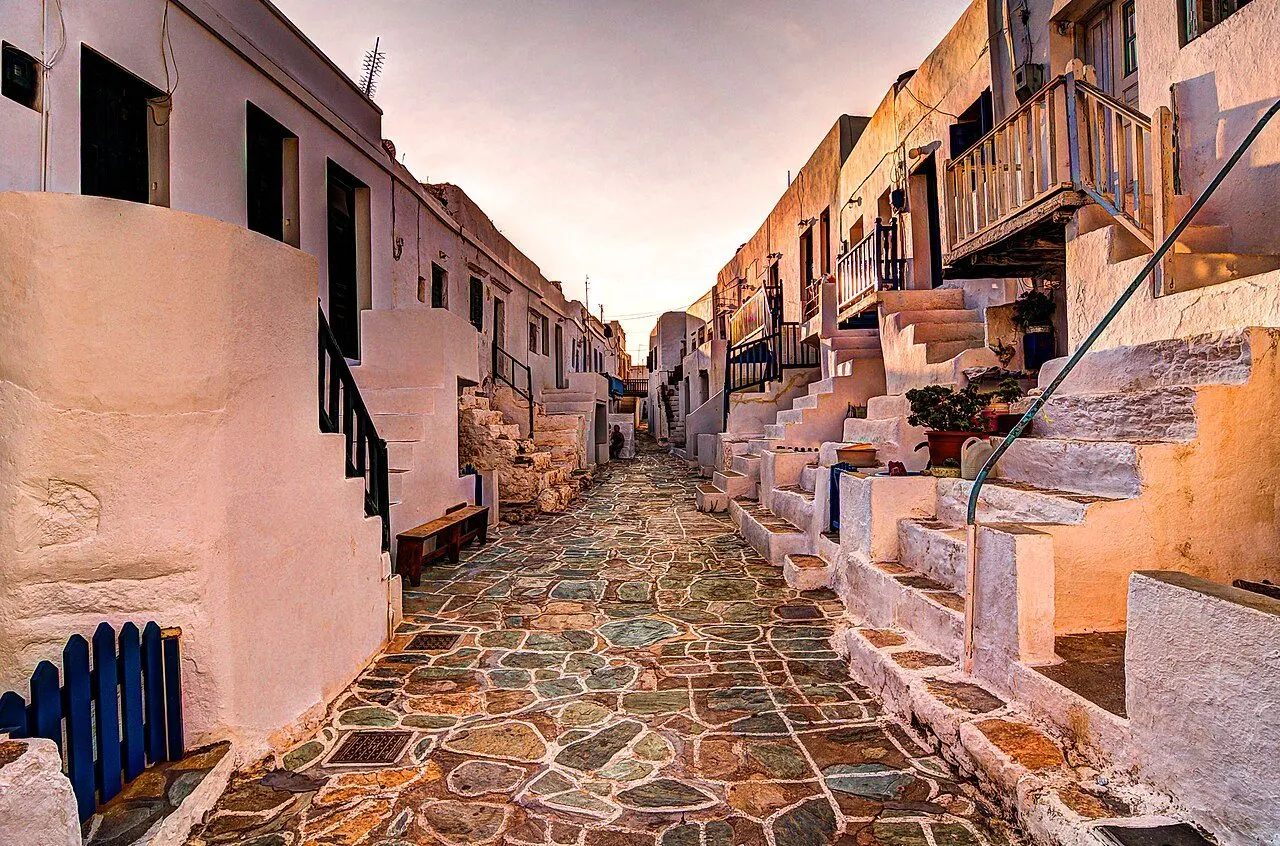
Good to know
The bus meets every boat at Karavostasis, whatever the hour, and climbs the 3.5 km to Chora in a few minutes. Cars and scooters are left in the car parks on the edge of the village: inside, everything is on foot.
Late afternoon, for the walk up to the Panagia and the light on the cliffs, and the evening for the squares. Easter, when the icon of the Panagia visits every house, is the island's great feast.
More of Folegandros
Chora & the cliffs
The white church on the rock above Chora, built from an ancient temple, at the top of a zig-zag path
Ano Meria & the north
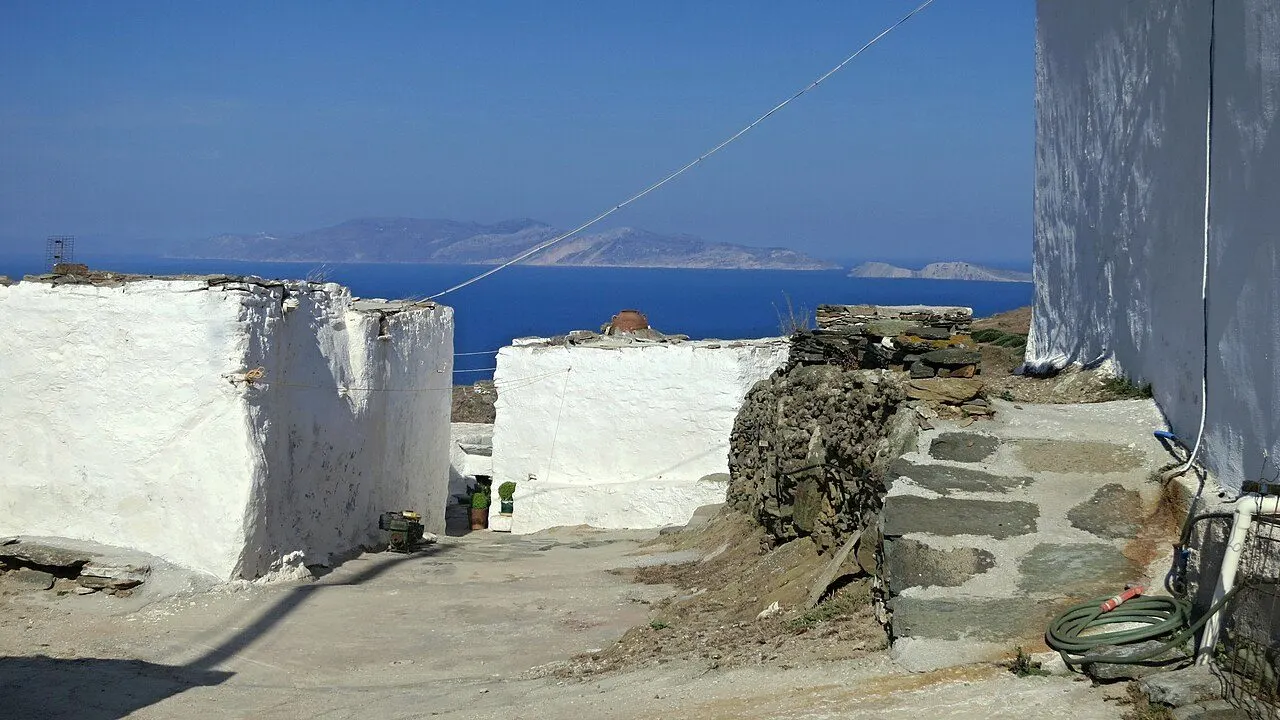
A farming village 3 km long, made of farmsteads, stone walls and lemon trees in round towers against the wind
Karavostasis & the south-east
The 'ship stop', a harbour that had no ferry pier until 1984, with three family beaches round it
Every stay we recommend across Folegandros, from village guesthouses to rooms on the sea.
See all staysLast updated