Folegandros · Chora & the cliffs · Χρυσοσπηλιά
Chrysospilia, the cave of names
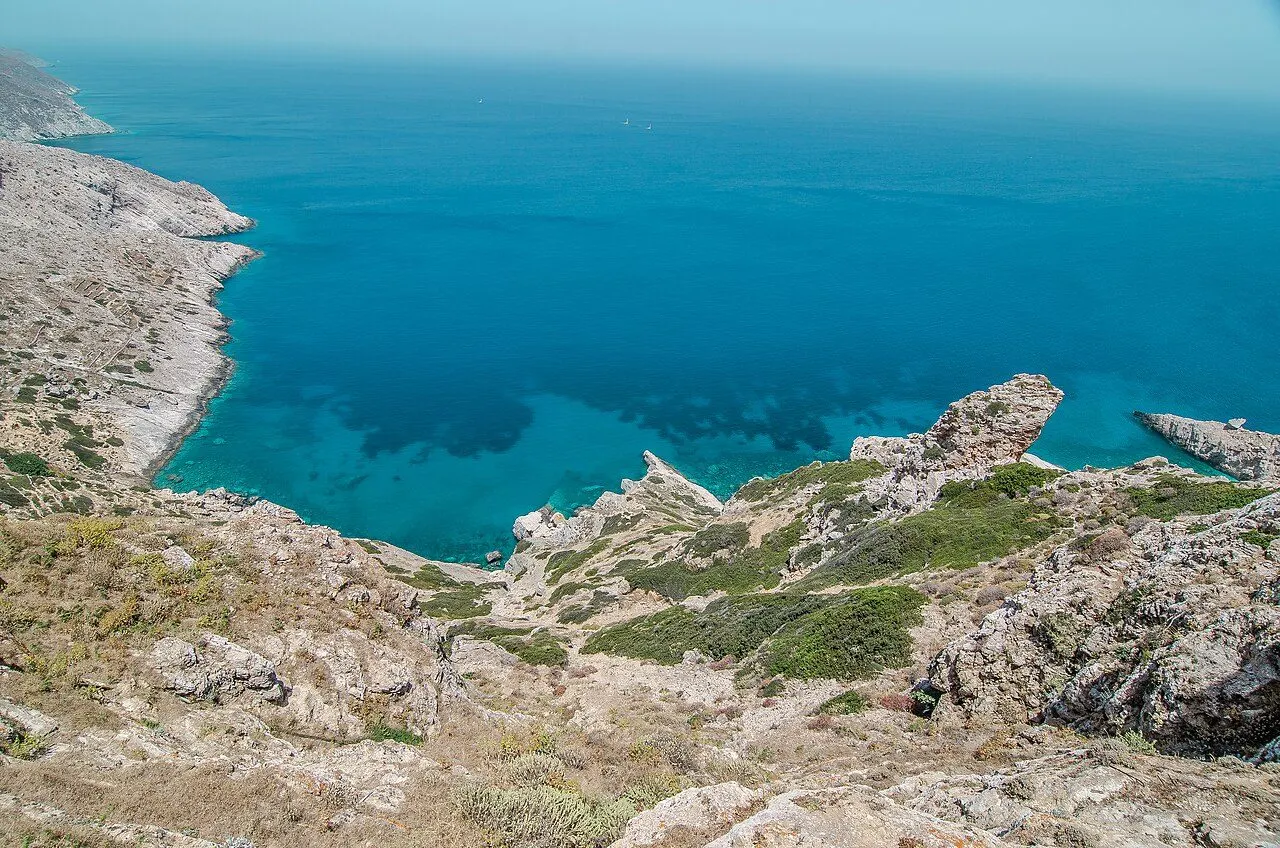
Chrysospilia, 'the golden cave', opens in the cliffs of the north-east coast, about 30 m above the sea. It runs some 300 m into the rock in two great chambers joined by a narrow passage: in the first, Roman cisterns and a mass of broken pottery have been found, and the second is hung with stalactites. What makes it unique is writing: hundreds of ancient names cover its walls and roof, most of them of the 4th century BC, left by young men who came here from all over the Greek world.
The 'golden cave' in the north cliffs, its walls covered in the names of ancient youths
The story of Chrysospilia
Around 400 men's names have been recorded on the walls, women's names are rare, and many carry an adjective saying where the young man came from. The visits seem to have been religious: reaching the cave and getting into its main chamber was hard and dangerous, and archaeologists think it was part of a coming-of-age rite for ephebes, the youths on the edge of manhood, who wrote their names to mark that they had made it.
Human bones found at the entrance gave rise to the island's own legends, that the people of Folegandros hid here from pirates. Steps built in antiquity, known as the 'Hellenic stairs', lead down towards the cave, but the way is hard and dangerous, above all in a north wind.
Good to know
Before you go to Chrysospilia
Getting there
The cave is not open to visitors: the archaeological research is not finished and there is no safe way in. It can only be approached from the sea, and in summer the boats that sail round the island from Karavostasis run along these cliffs.
When to go
A calm day with no north wind, on a boat trip round the island.
More of Folegandros
Villages you'll want to see next
Chora & the cliffs
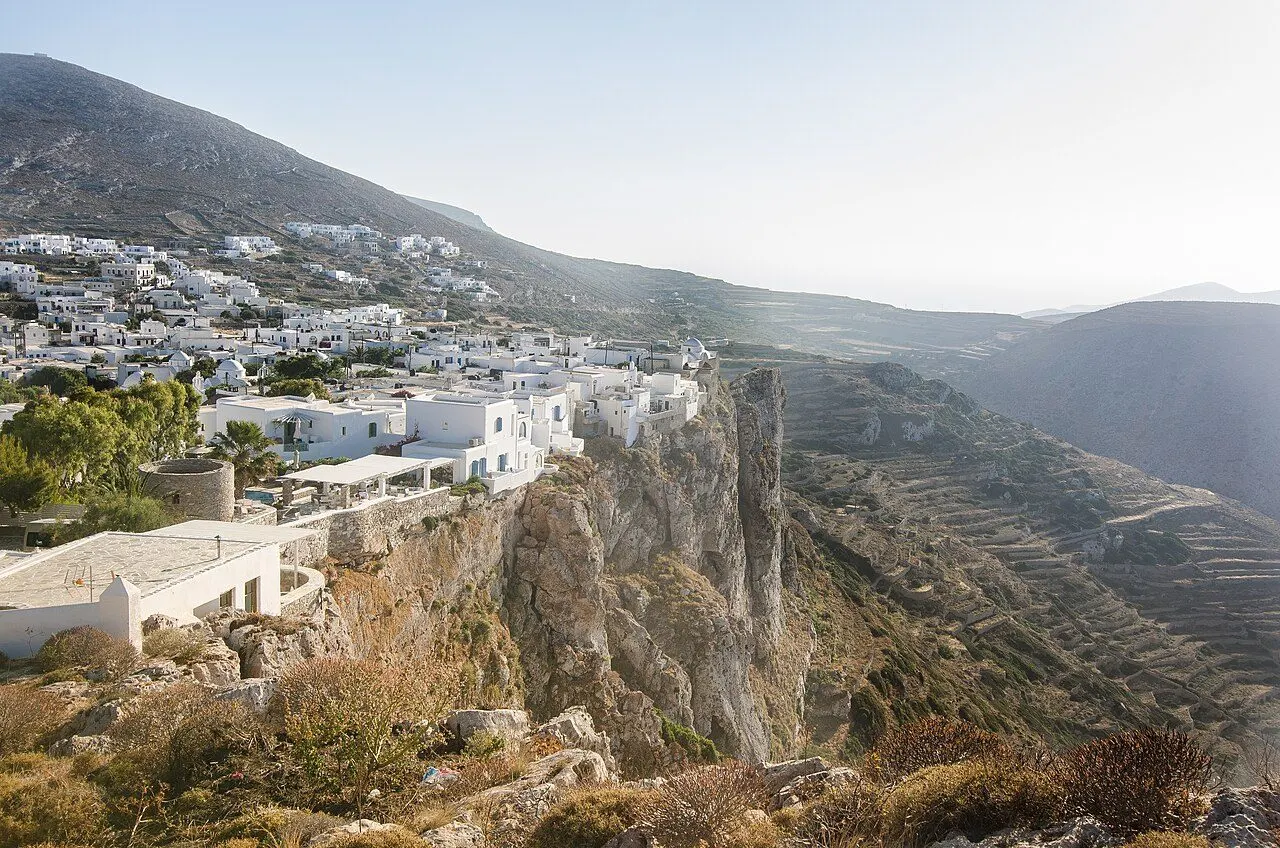
Chora
A village of squares on the lip of a 200 m cliff, around a medieval Kastro lived in without a break since it was built
Chora & the cliffs
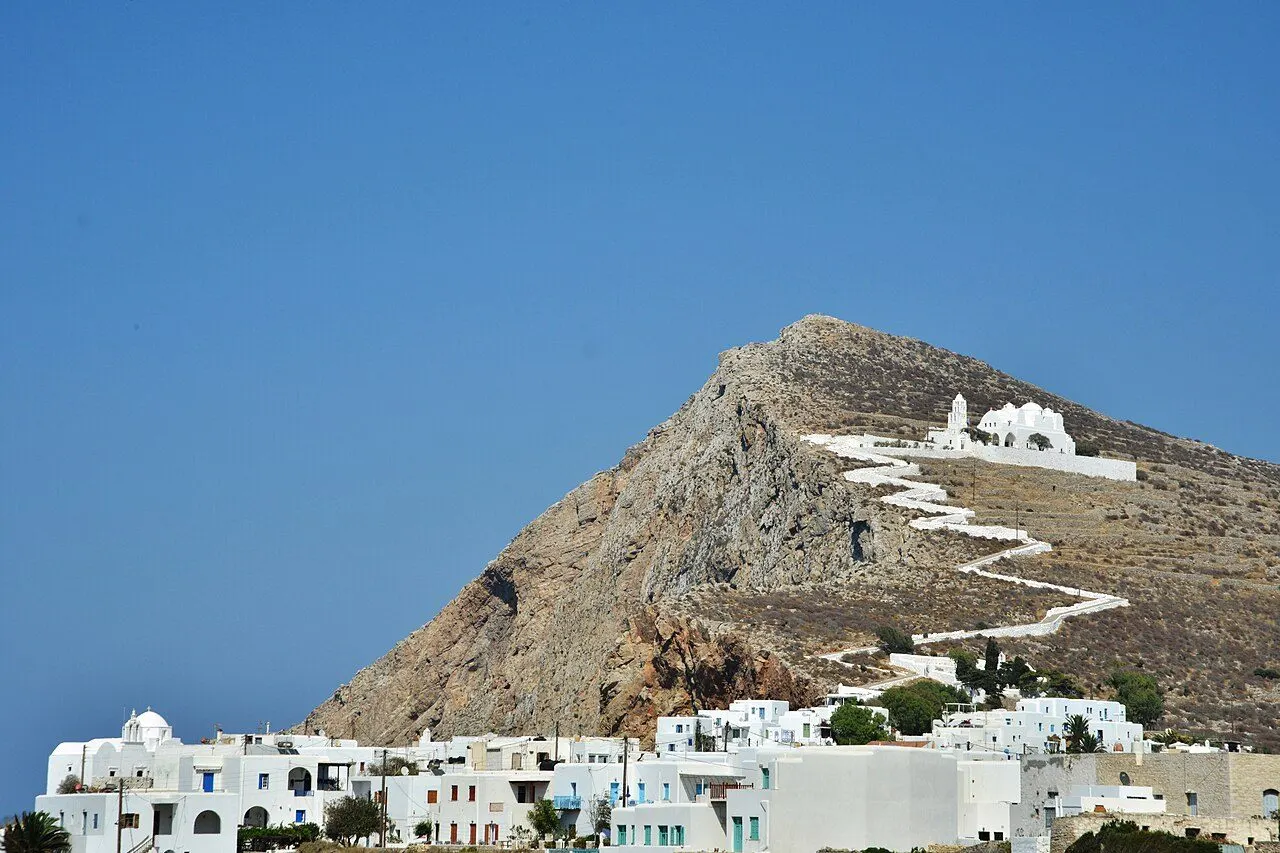
The Panagia
The white church on the rock above Chora, built from an ancient temple, at the top of a zig-zag path
Ano Meria & the north
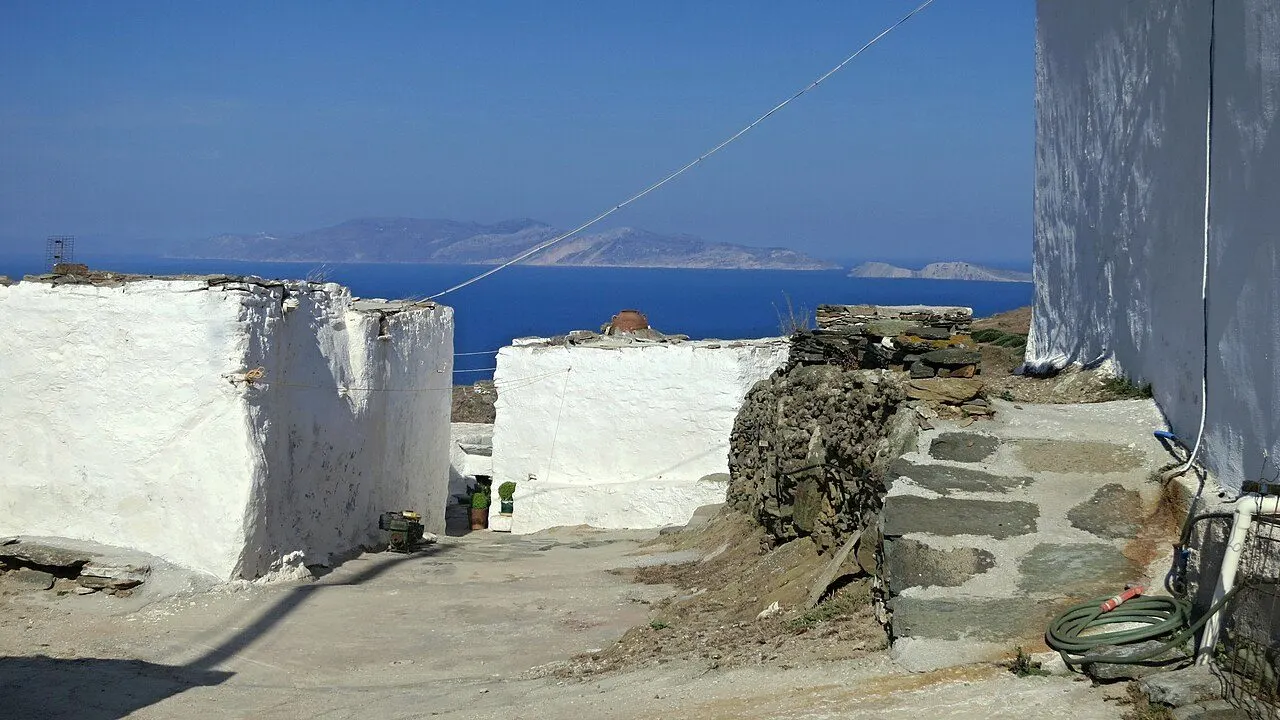
Ano Meria
A farming village 3 km long, made of farmsteads, stone walls and lemon trees in round towers against the wind
Fall for more of Folegandros
Every stay we recommend across Folegandros, from village guesthouses to rooms on the sea.
See all staysLast updated