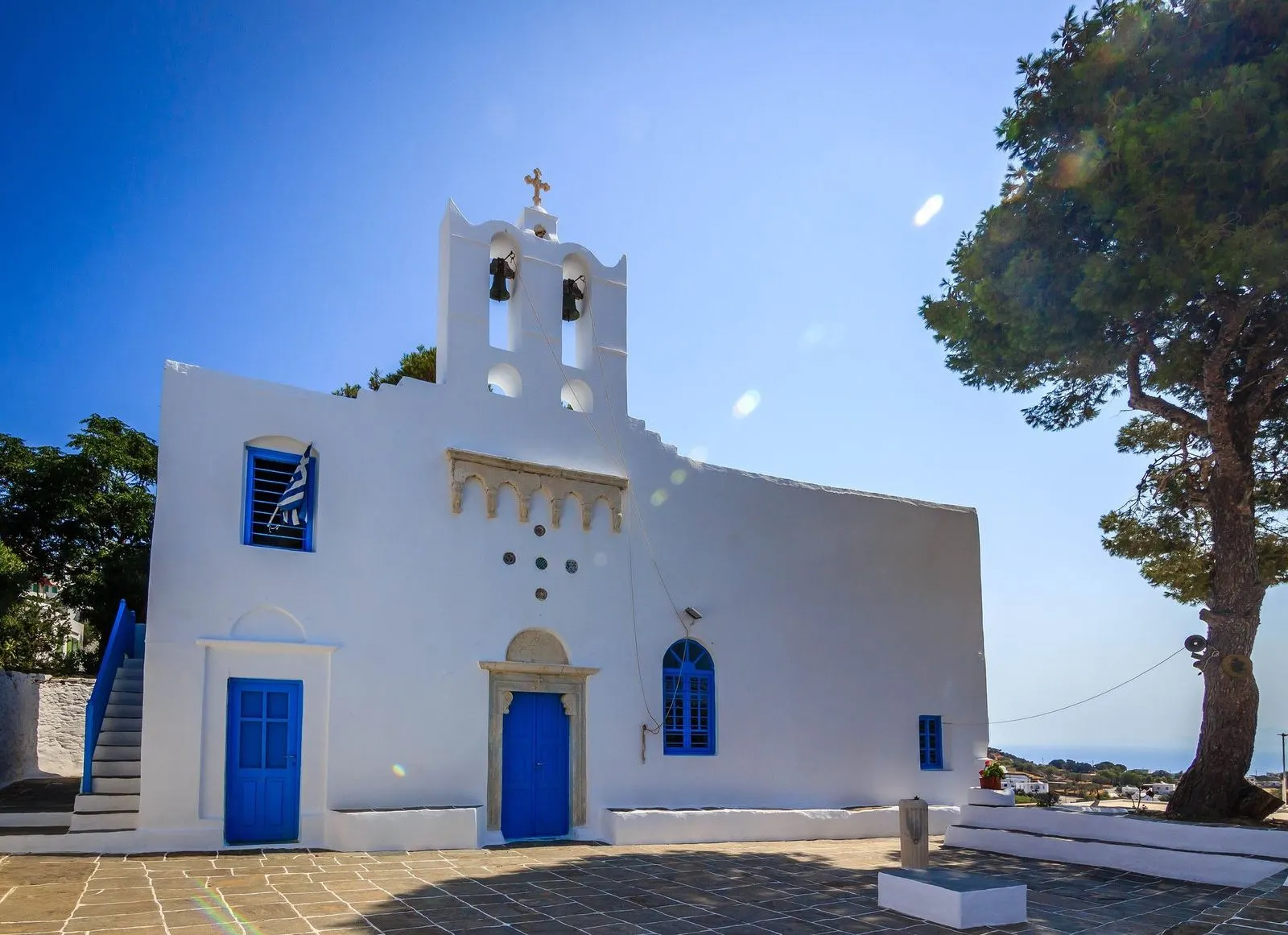
Artemonas
The elegant village just north, with mansions, windmills and the best views of the island, an easy walk along the lanes.
Sifnos · Apollonia & the hill villages · Απολλωνία
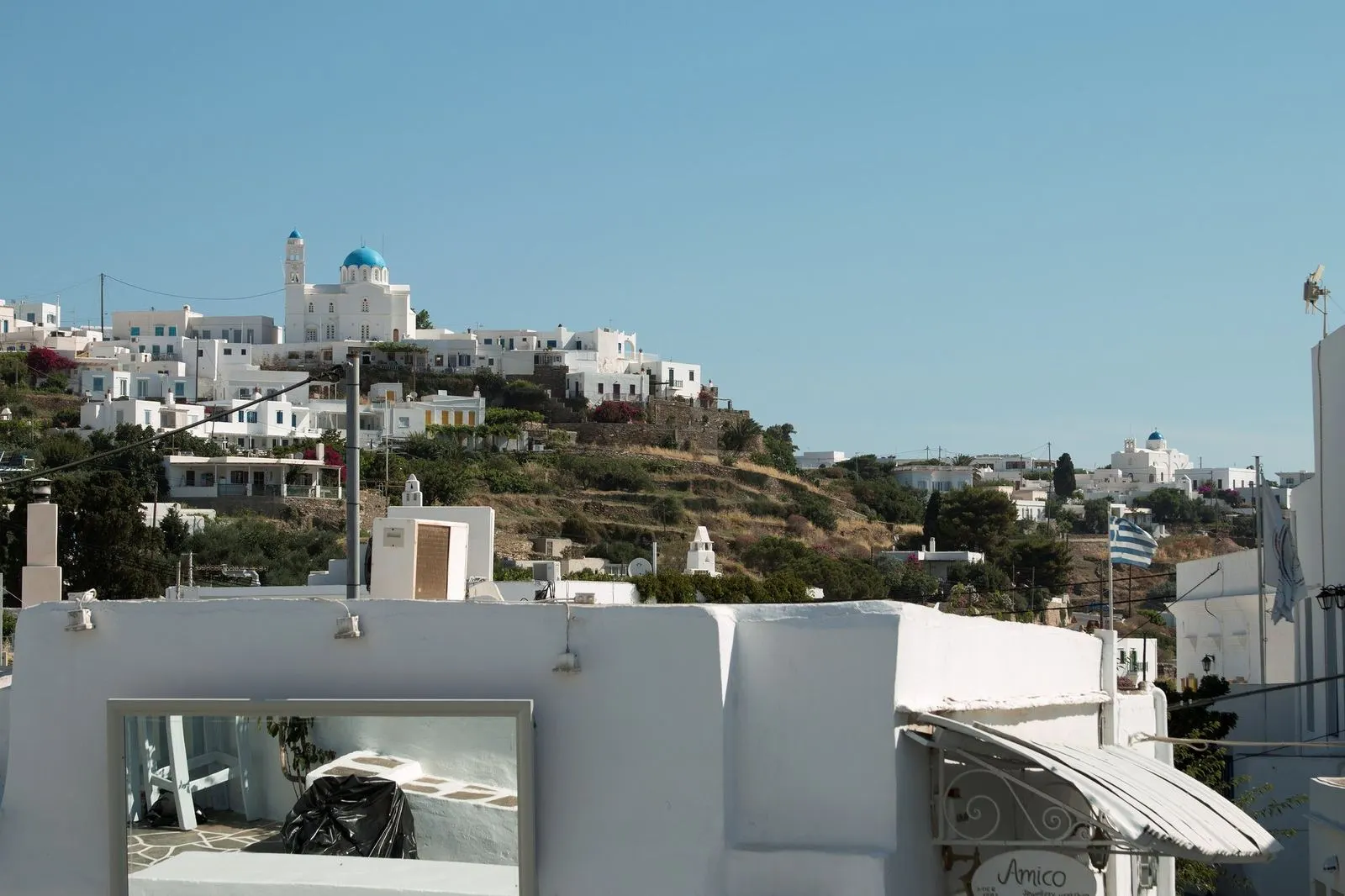
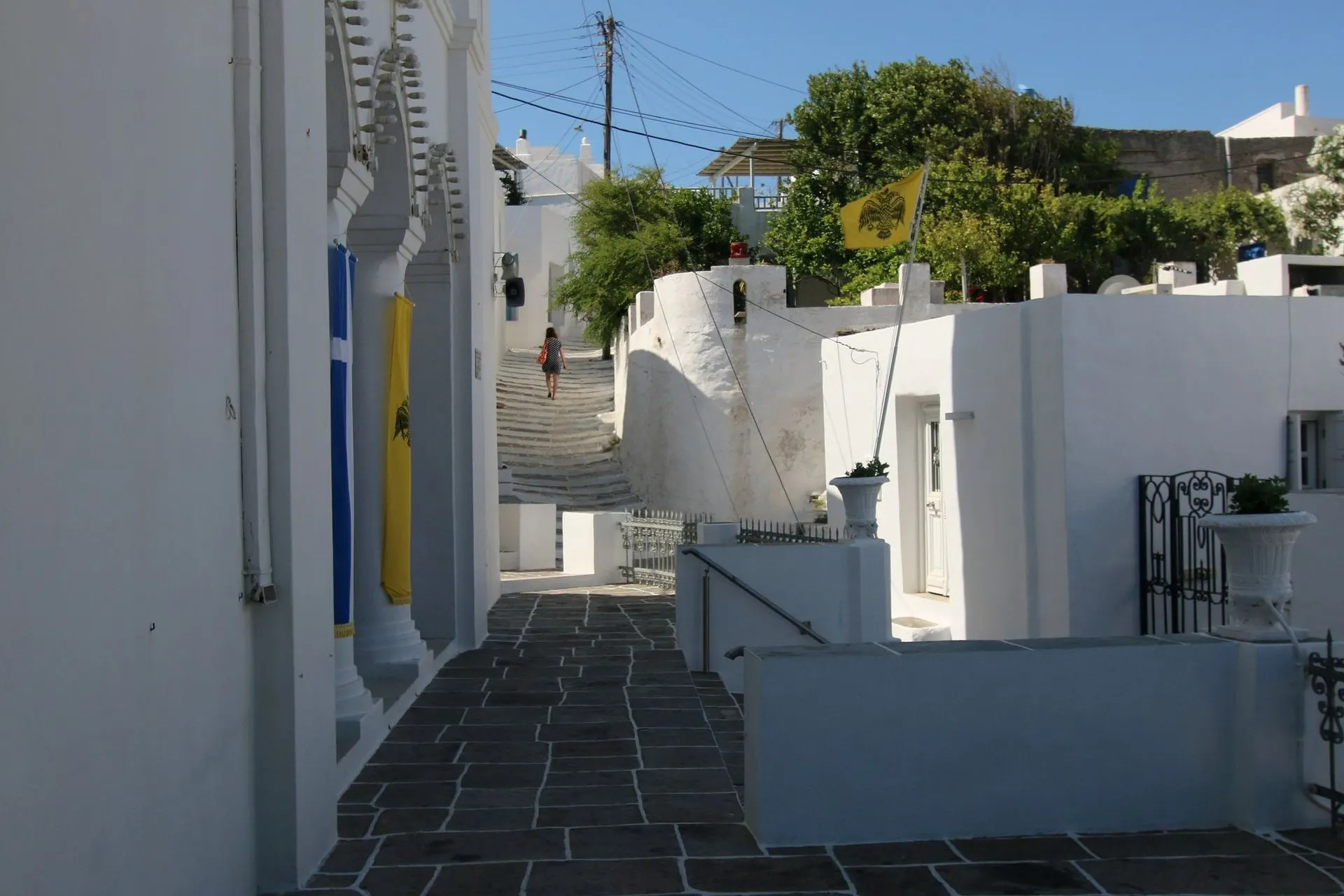
Apollonia is the capital of Sifnos, a white village spread over three low hills in the middle of the island, which older islanders also call Stavri. Its main lane, the Steno, is a narrow marble-paved street of shops, cafes and small bars that fills up after dark. Around it are quiet lanes of whitewashed houses with blue doors, a church at almost every turn, the Folklore Museum on Iroon Square and paths that lead out across the terraces to Artemonas, Kastro and Exambela. It is the best base for a first visit: everything on the island is a short drive or a walk away.
Greetings from Apollonia
Apollonia
We spent the morning walking the old marble path to Kastro, past dovecotes and chapels, and came back hungry for a plate of chickpea fritters and a glass of white wine. In the afternoon we sat in the shade on Iroon Square and looked at old photographs of the island in the Folklore Museum. Tonight the Steno is full of people, the church bells are ringing for some saint, and we have a table on a roof with the whole white village below us.
Three white hills that ran together into a capital, with the Steno for a main street
Apollonia is not one old village but several. Hamlets grew up on the hills in the middle of the island and slowly ran into one another, so that today Apollonia, Ano and Kato Petali, Katavati and Exambela feel like one long white village, with Artemonas just beyond. The name is taken from the god Apollo. Many islanders still use its other name, Stavri.
For most of its history Sifnos was governed from Kastro, the walled village on the east coast. In 1836, a few years after Greece became independent, the capital moved inland to Apollonia: safer from the sea, closer to the fields and at the crossing of the island's paths. It has stayed the capital ever since.
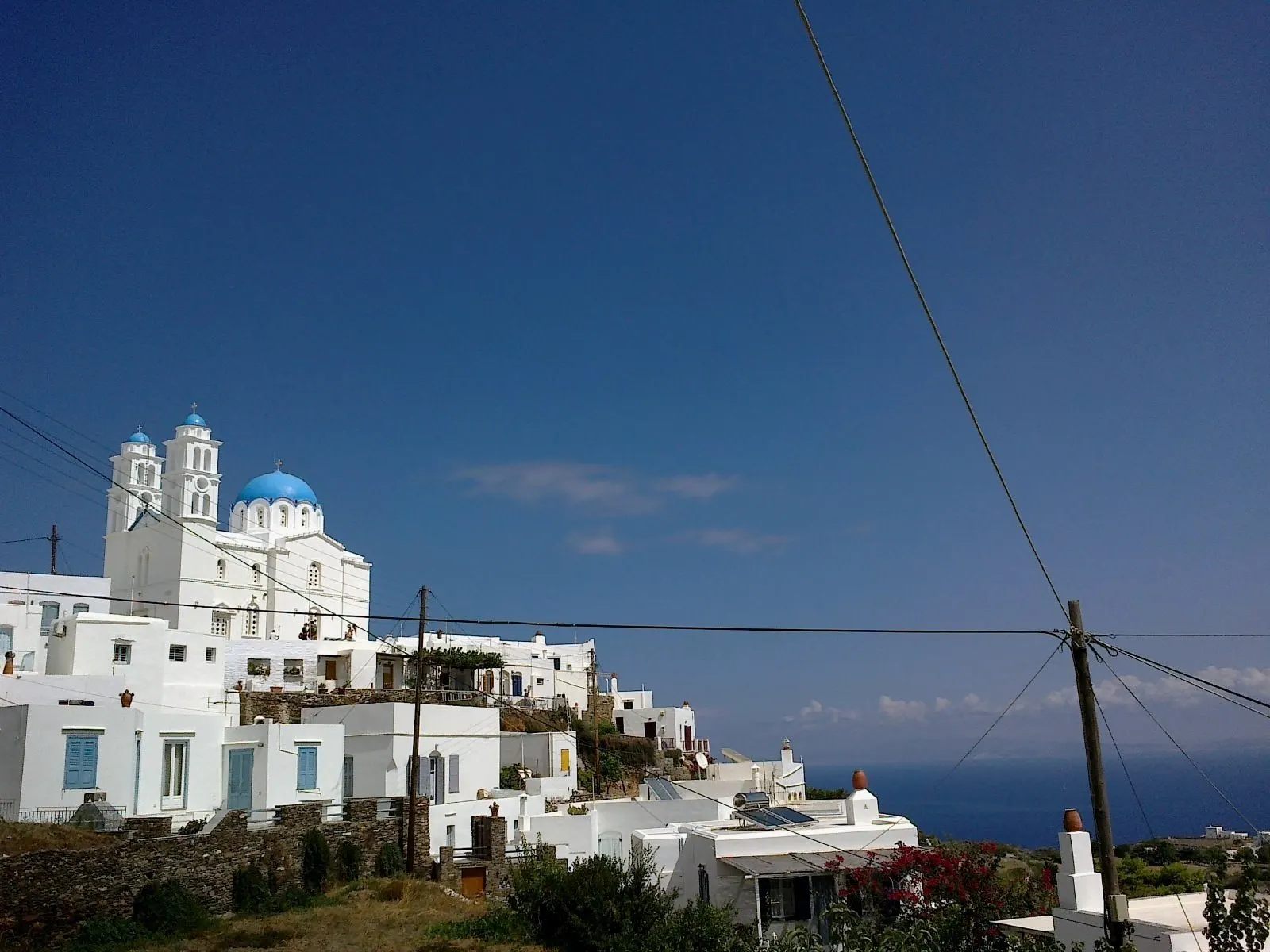
The village is built the Cycladic way: low white houses with flat roofs that once fed rainwater into cisterns, outside steps, courtyards with jasmine and bougainvillea, and lanes paved in stone and marble with the joints painted white. On the roofs stand flaroi, the clay chimney pots of the island's potters. Agios Spyridon, the island's cathedral, sits right on the Steno. Each Ascension Day the icon of Chrysopigi ends its procession around the villages here, and is handed to the family that will host its feast the following year.
Iroon Square, the square of the heroes, is the centre of village life, with its war memorial and the Folklore Museum. The museum was set up by the teacher and folklorist Antonis Troullos, and keeps the island's old costumes, embroidery and lace, tools for the fields, beehives, pottery and weapons, with photographs of Sifnos before the roads. On nearby Rabagas Square stands the bust of Kleanthis Triantafyllos, known as Rabagas, the satirical poet and journalist born in Apollonia in 1850.
Food is serious here. Nikolaos Tselementes was born in 1878 in Exambela, just south of Apollonia, and his cookbook of 1930 became the kitchen bible of Greece. On Saturday nights families still take clay pots of chickpeas to the wood oven, to eat as revithada after church on Sunday. At Christmas the square of Kato Petali becomes a small Christmas village, and on an August Saturday the Grypareia, an evening of poetry for the island's poet Ioannis Gryparis, is held in a courtyard on the path from Apollonia up to Ano Petali.
Hour by hour
A walk to the old capital, a museum, a sweet shop and a long dinner on the Steno. Here is how we would spend a day here.
Start on a terrace in Ano Petali, with the white villages spread out below you and the sea beyond them.
Walk the signposted path down from Apollonia to Kastro, about an hour, past fields, dovecotes and small chapels, before the day gets hot.
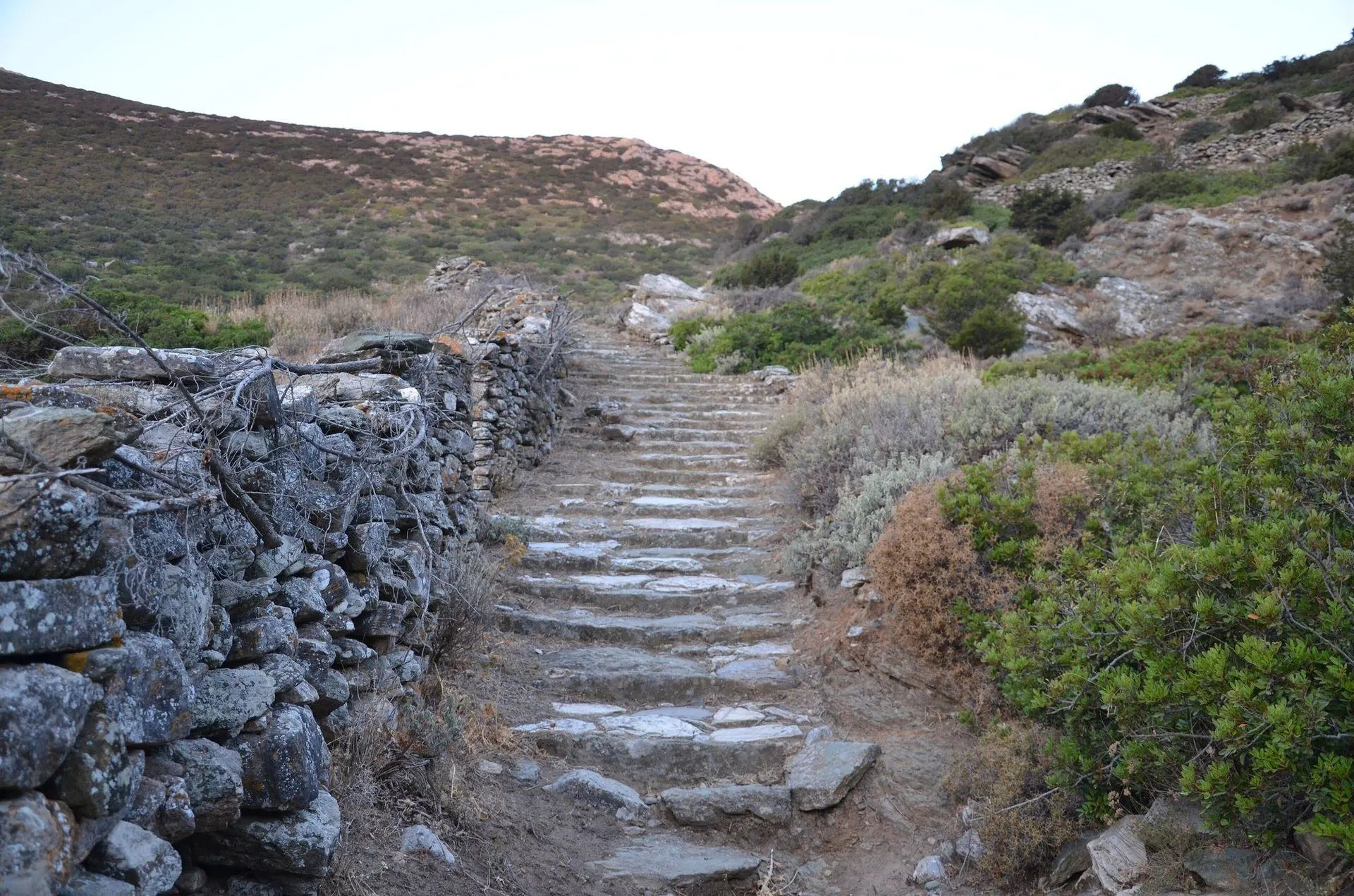
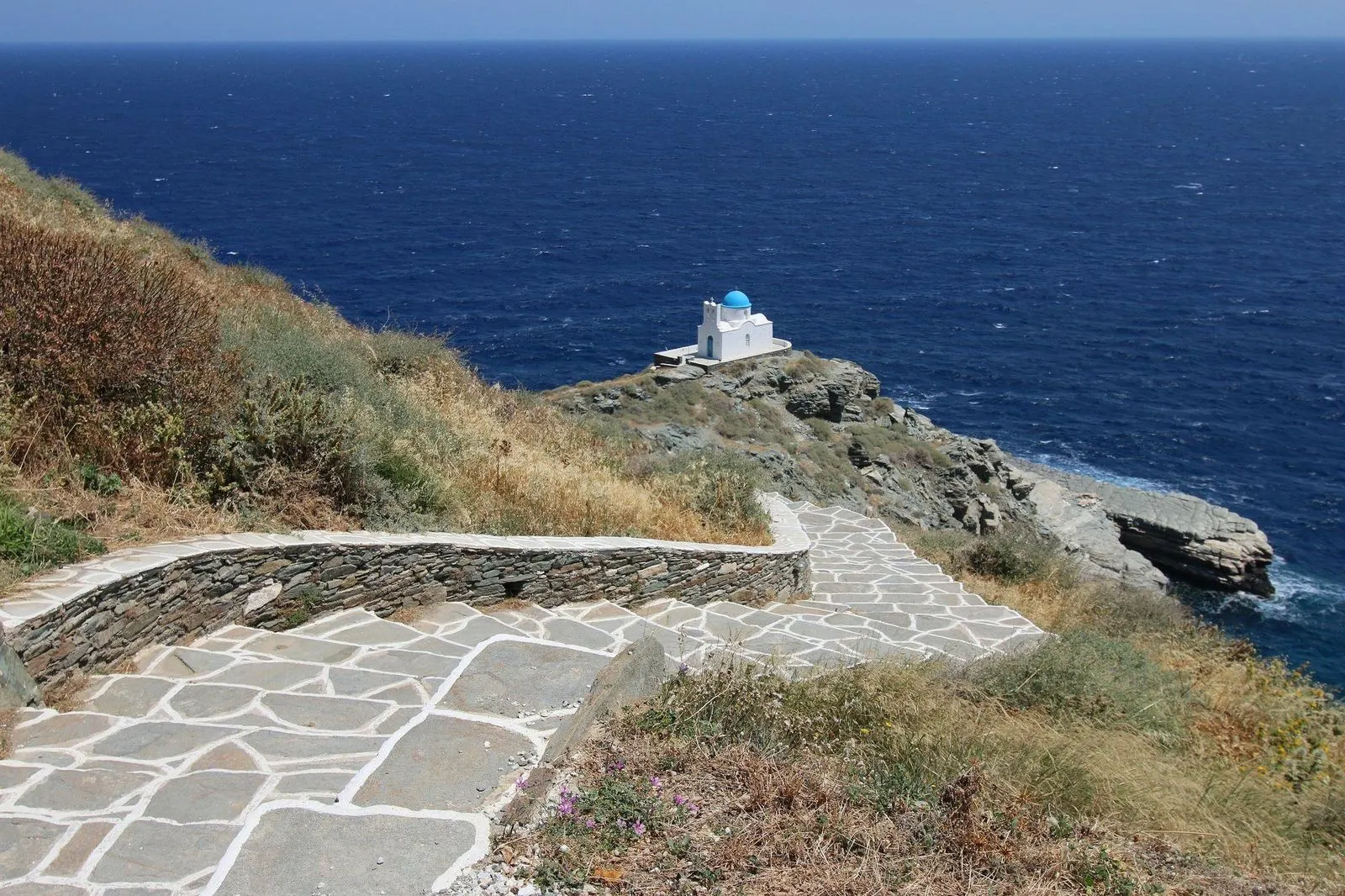
Walk down from Kastro to the chapel of the Seven Martyrs on its rock, and swim from the rocks below it. Take a taxi or the bus back up.
Back in Apollonia, eat in the garden beside Agios Spyridon. Order revithada if it is Sunday, or chickpea fritters and capers any day.
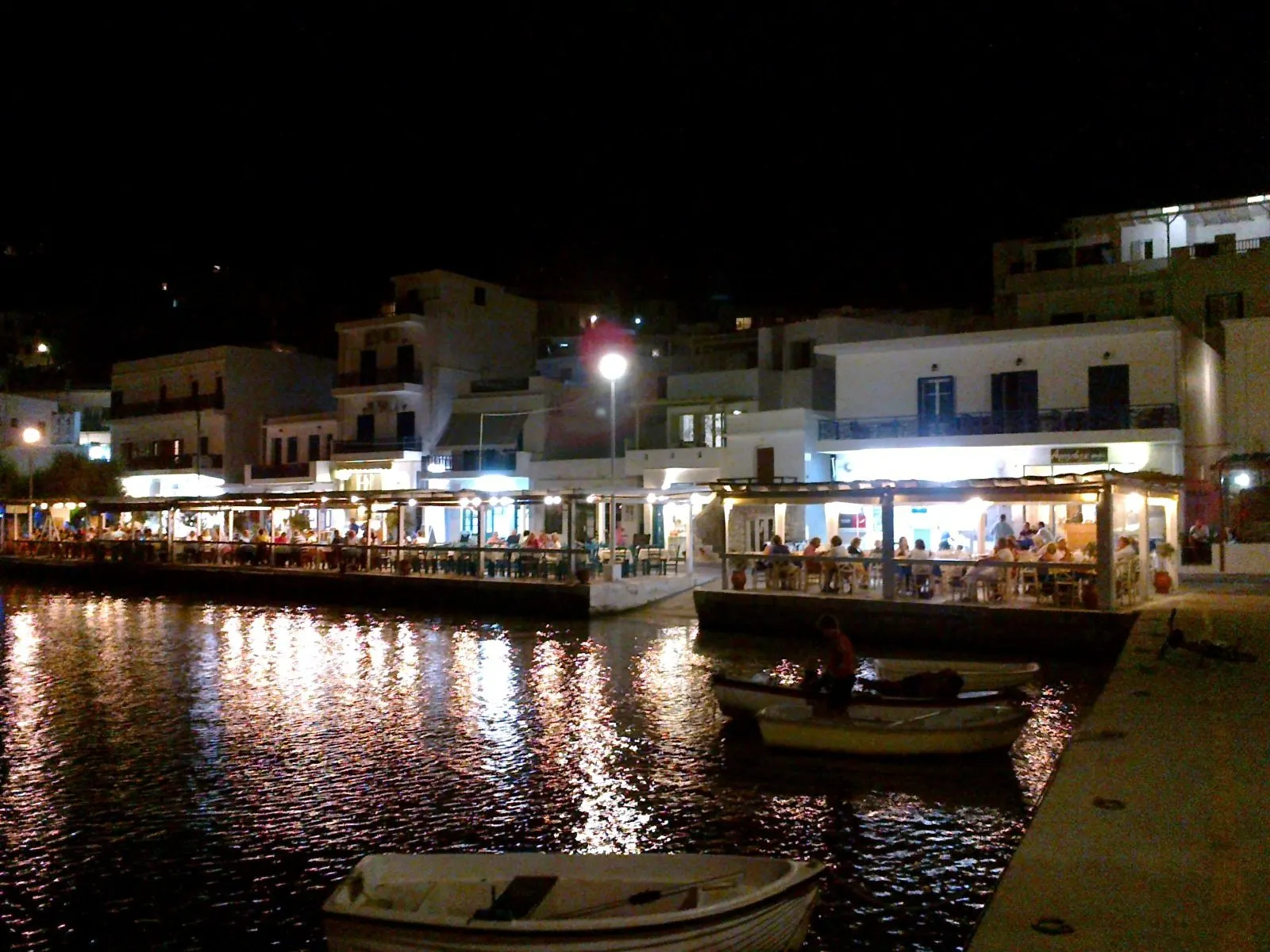
When the heat drops, step into the museum on Iroon Square to see the island's costumes, lace and pottery, then wander the lanes to Artemonas.
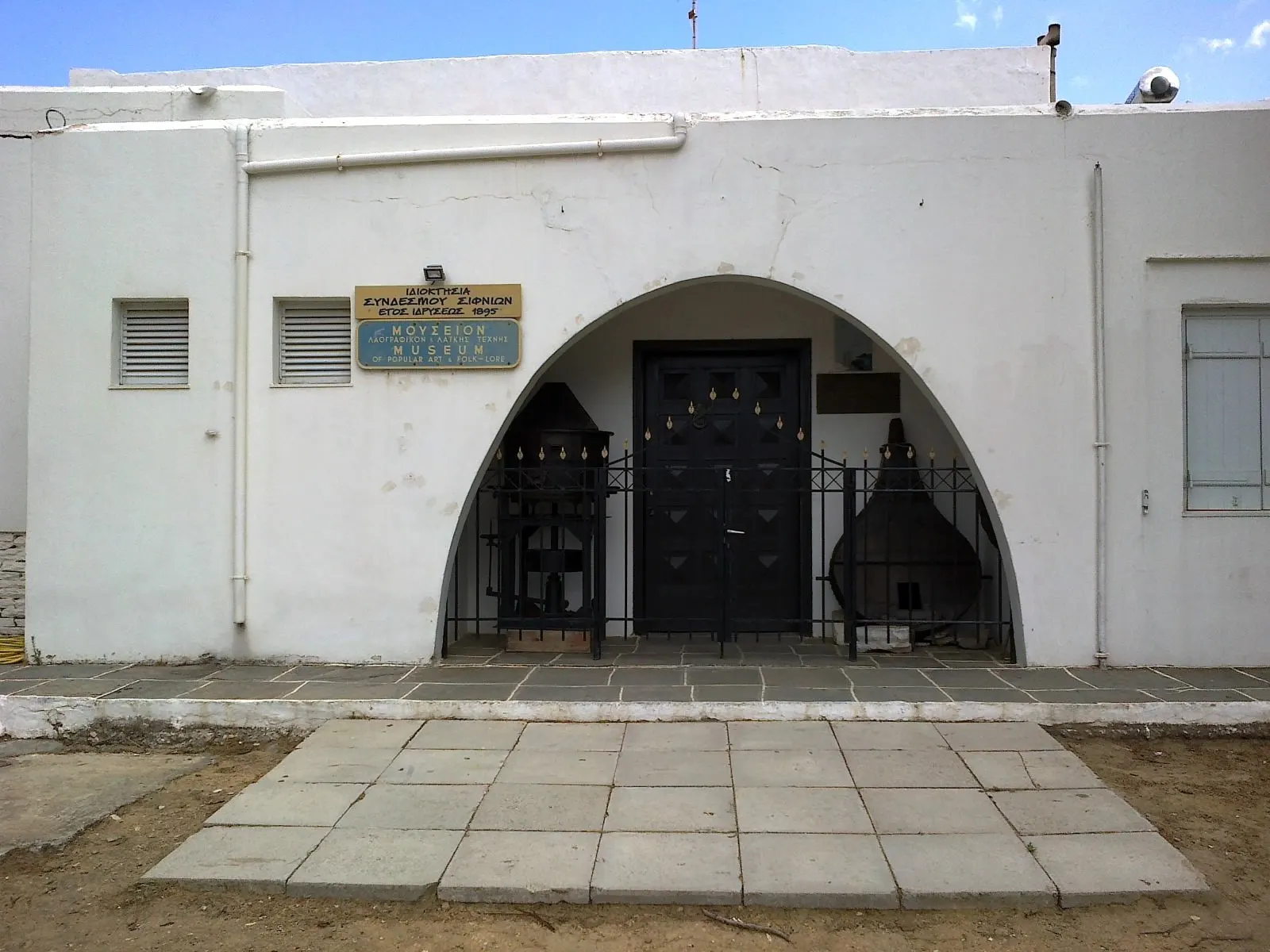
End the day with a late dinner, then walk the Steno with everyone else, from bar to bar, until the small hours.
Where to stay
Ano Petali
Petali Village Hotel · Village hotel · €€€
Apollonia · Apollonia & the hill villages
Where to eat
Apollonia · Apollonia & the hill villages
Apollonia · Apollonia & the hill villages
Within an easy drive
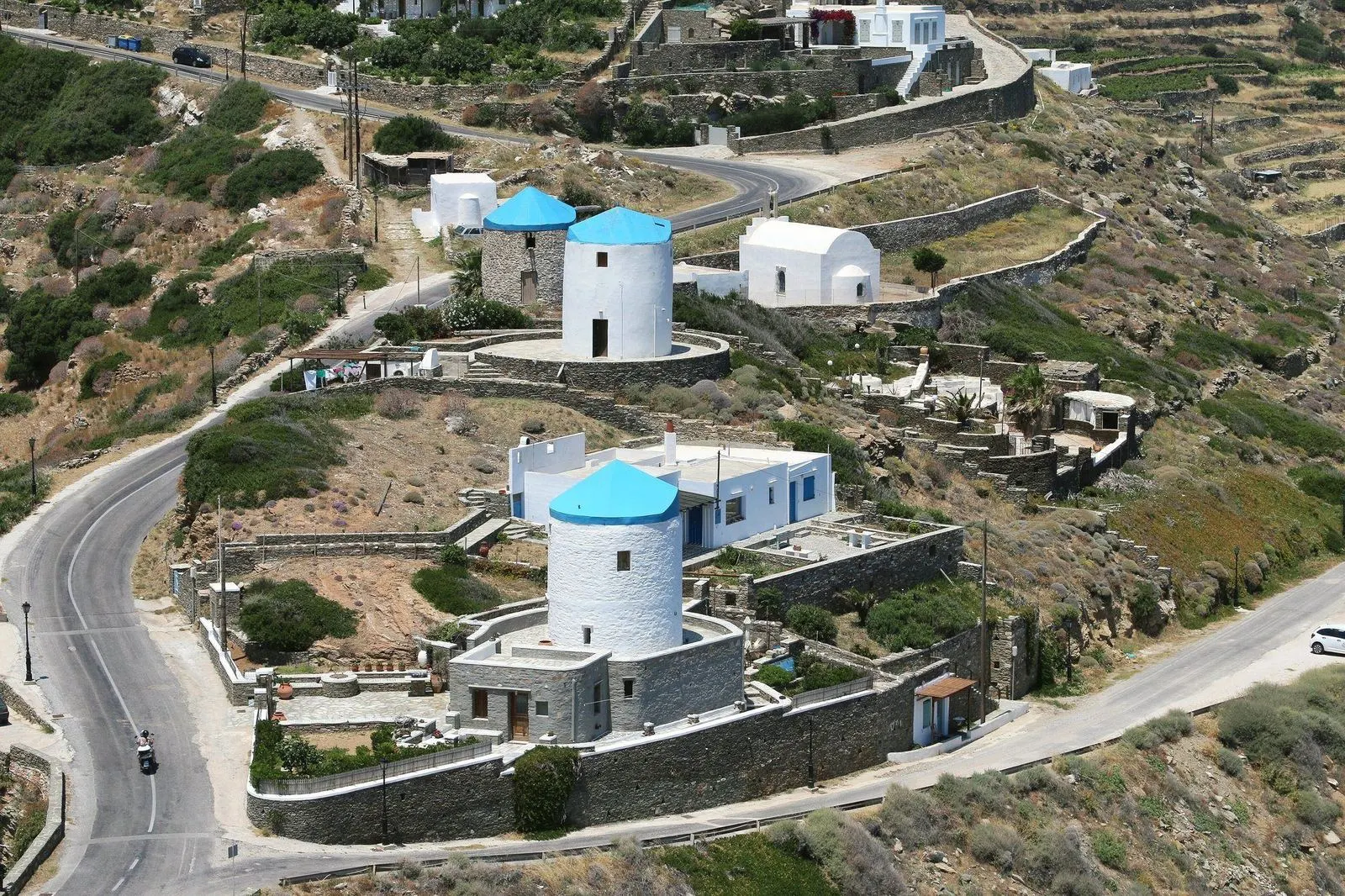
The elegant village just north, with mansions, windmills and the best views of the island, an easy walk along the lanes.
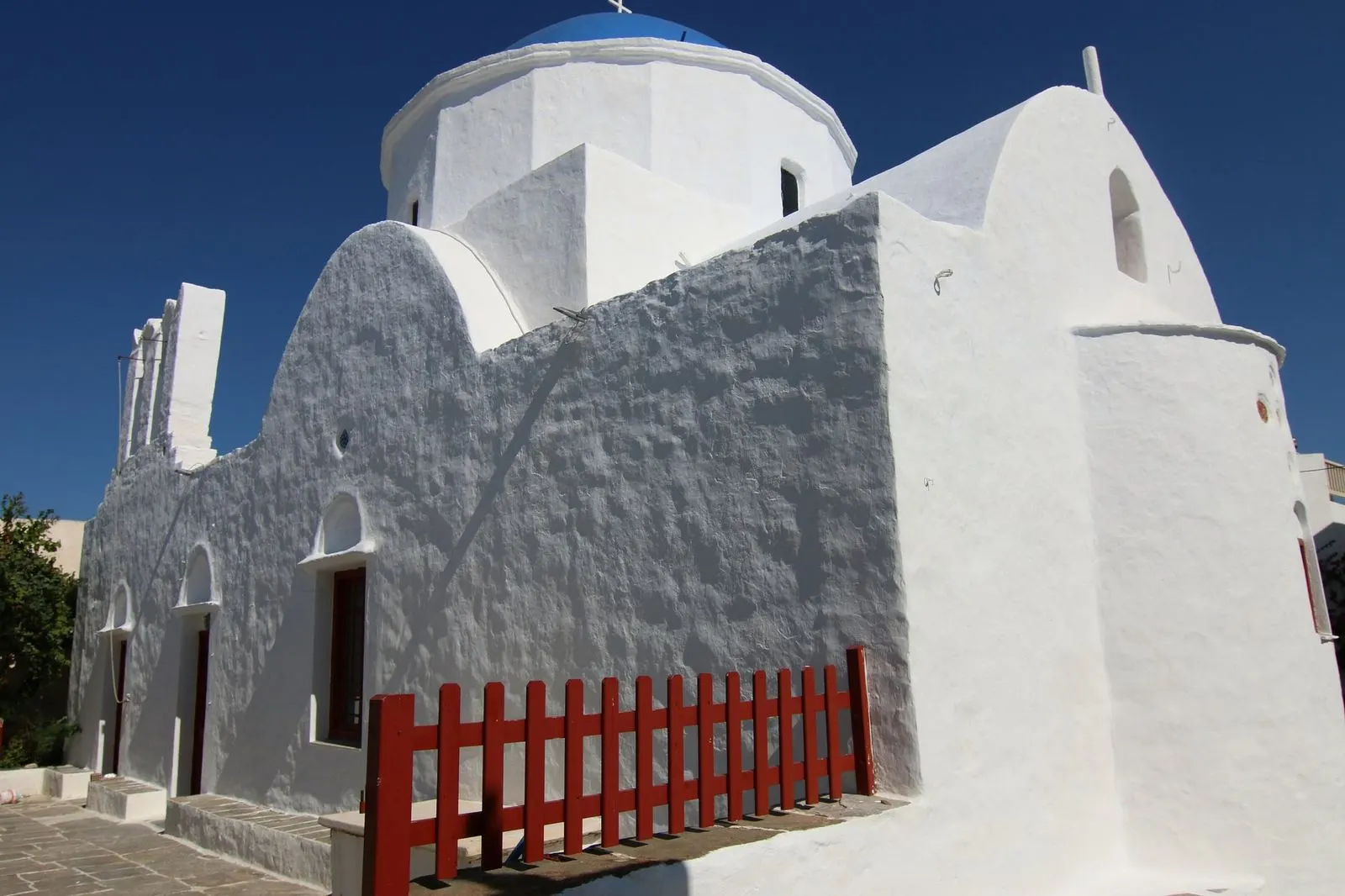
The quiet village where Tselementes was born, with the monastery of Panagia tis Vrysis and its museum of church treasures.
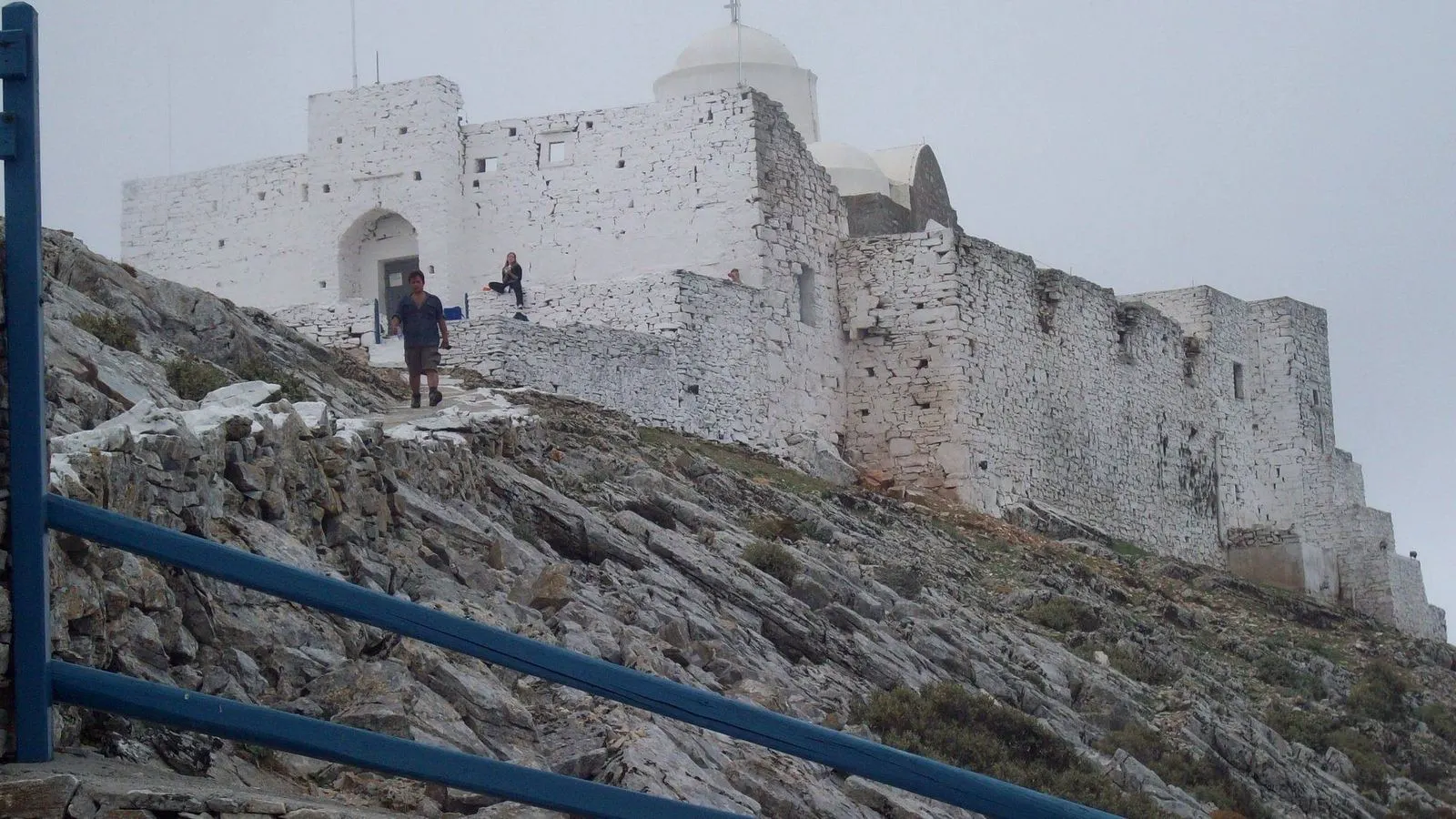
The monastery on the highest peak of the island, about 680 m, reached by a long footpath. The view takes in half of the Cyclades.
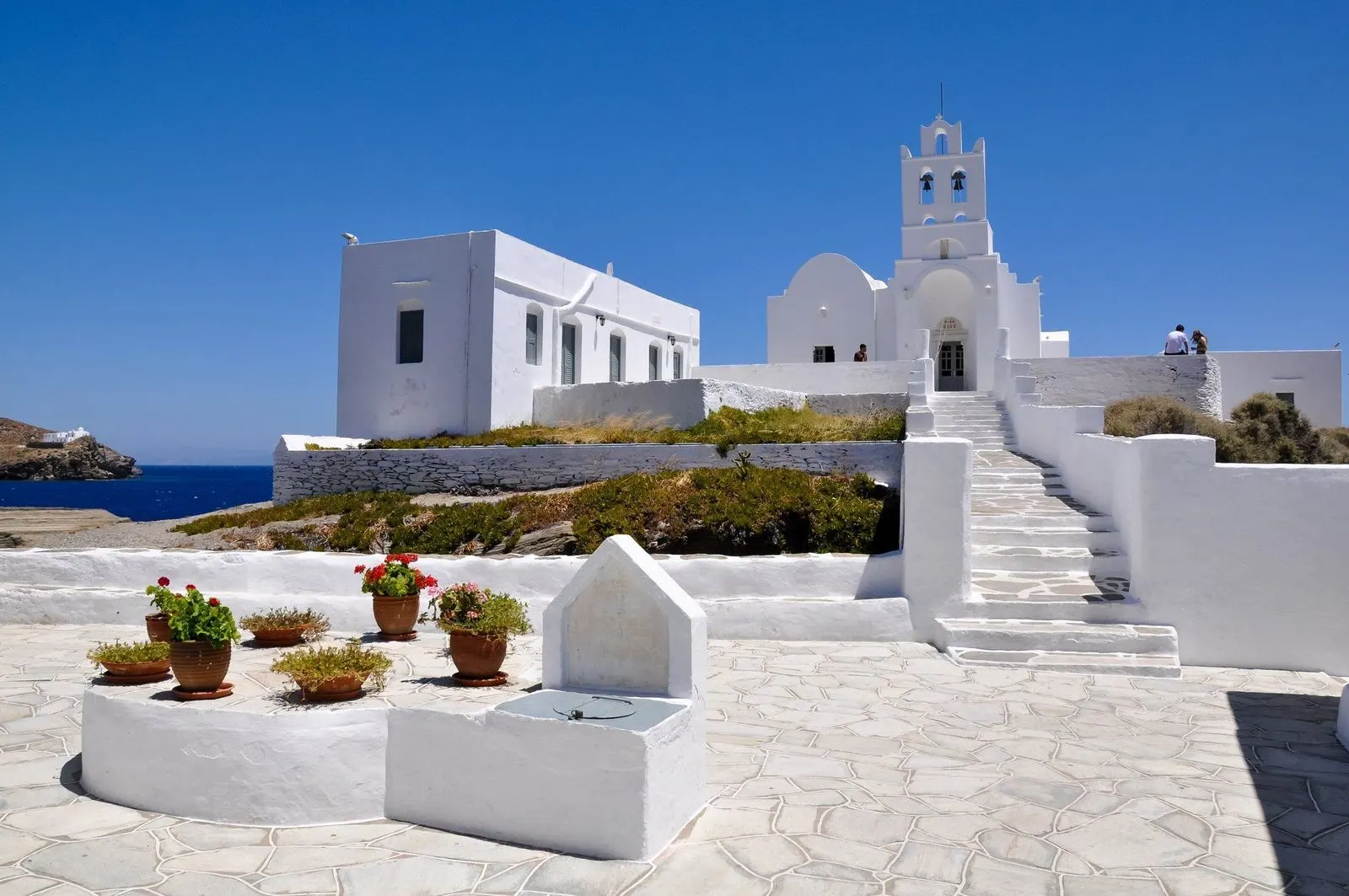
The island's patron monastery on a split rock by the sea in the south-east, about 8 km away, beside the beach of Apokofto.
Good to know
Apollonia is about 6 km up the hill from the port of Kamares, a short bus or taxi ride after the ferry. It is the hub of the island's buses, which run on to Kastro, Platis Gialos, Vathi, Faros and Cherronisos. Park on the edge of the village: the Steno and the lanes are for walking.
May, June and September are ideal, warm and green enough for walking. In late summer, the feast days fill the island with long dinners after church. July and August bring the crowds, and the Steno is busy until very late.
More of Sifnos
Apollonia & the hill villages
Mansions, windmills and old churches on the hill above the capital
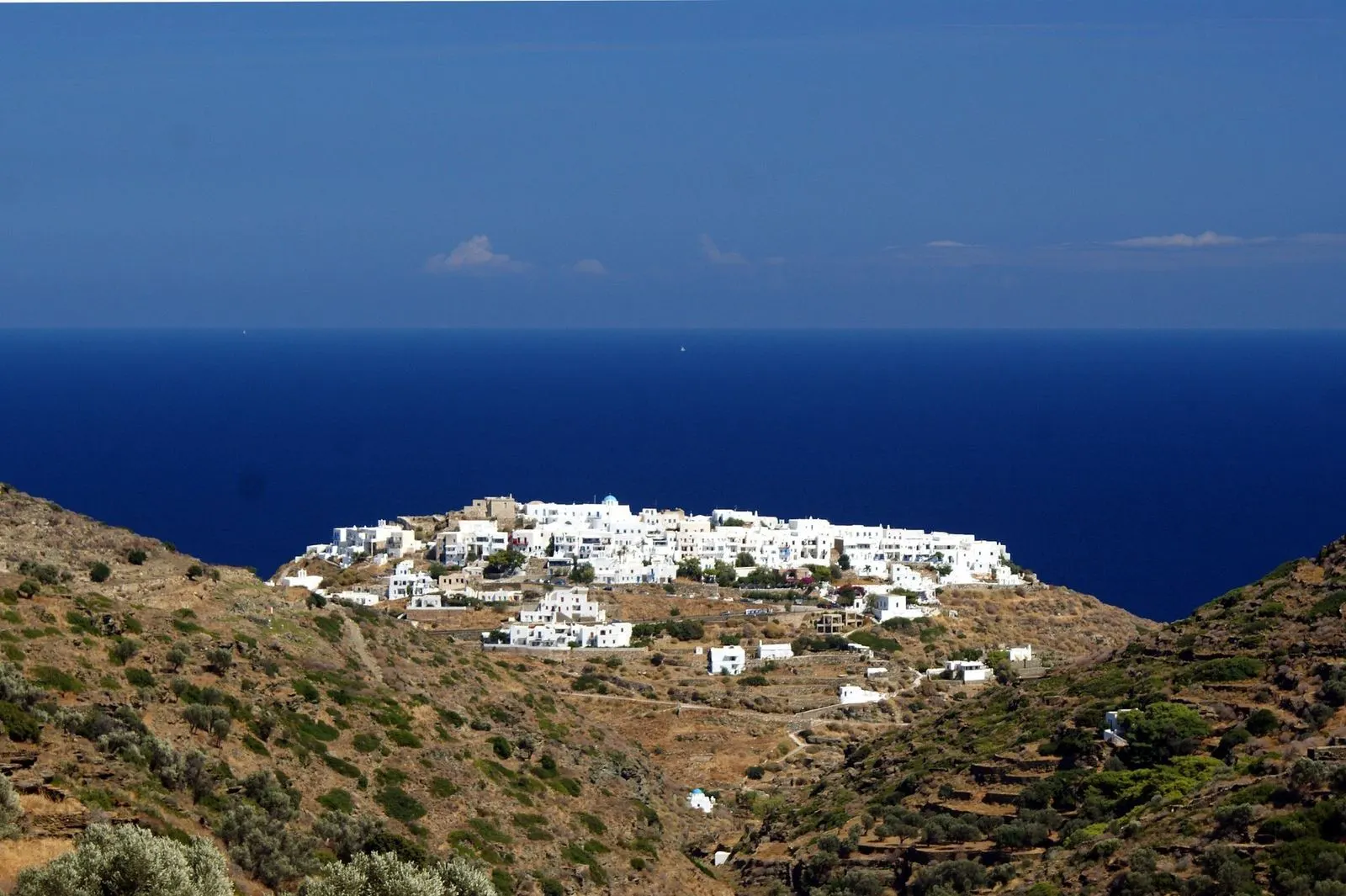
Kastro & the east coast
A medieval village whose houses are its walls, on a cliff lived on since antiquity
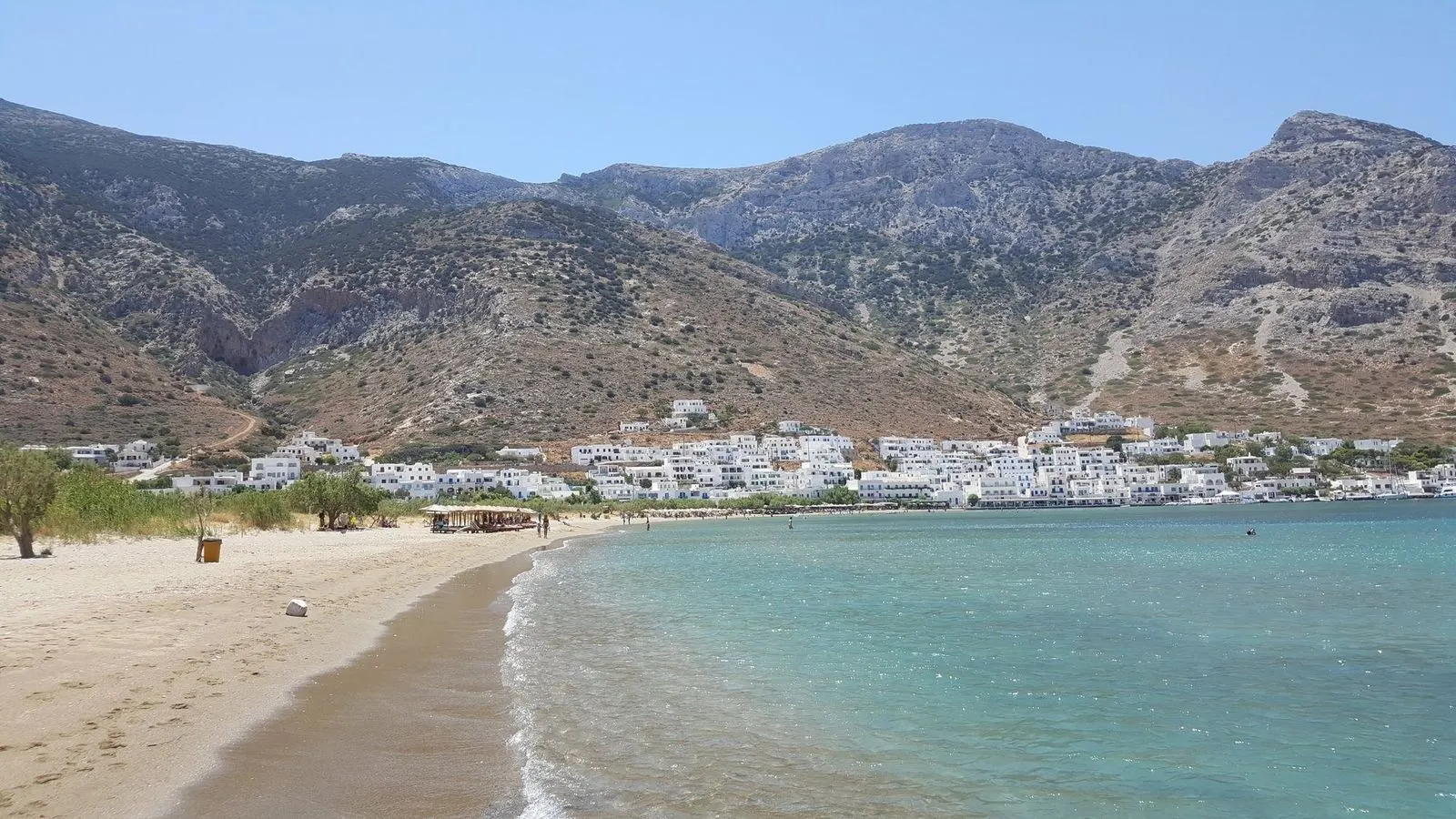
Kamares & the west
The port in a deep bay, with potters on the shore and the sunset straight ahead
Every stay we recommend across Sifnos, from village guesthouses to rooms on the sea.
See all staysLast updated