Agia Anna and the chapels
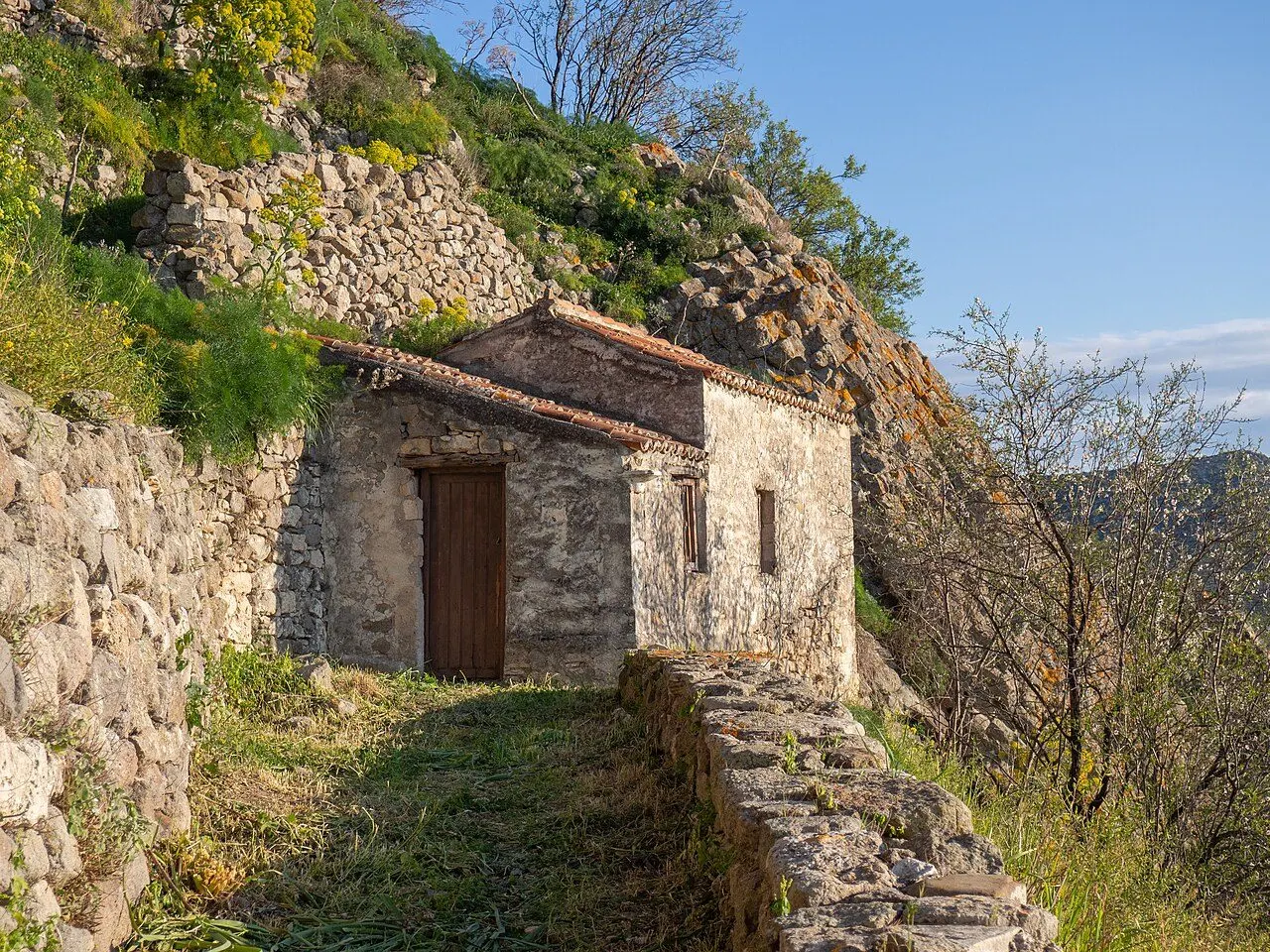
Paths and steps lead from one chapel to the next across the hillside; the little church of Agia Anna is built right against the rock.
Aegina · Paleochora & the interior · Παλαιοχώρα
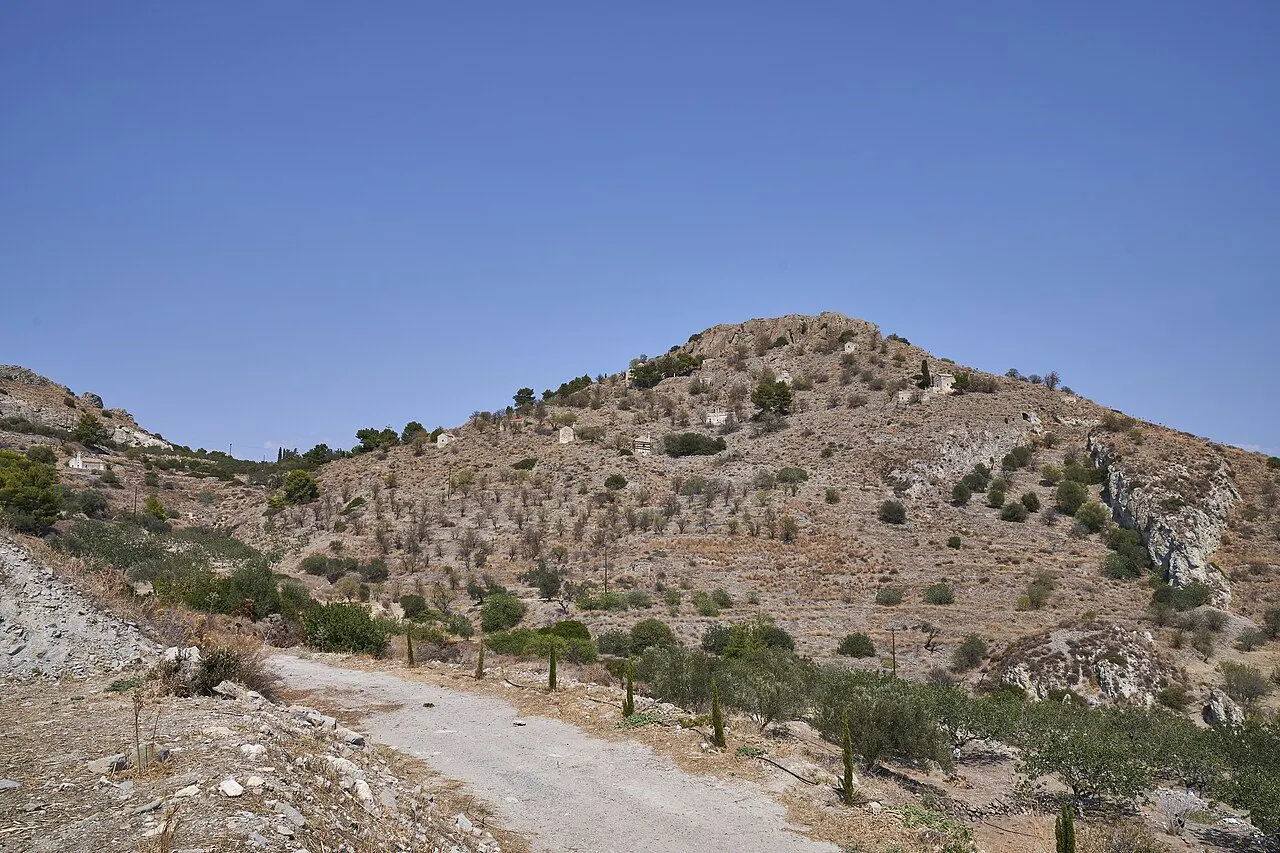
The island's abandoned medieval capital: a bare hill scattered with dozens of little churches
Paleochora & the interior · Aegina
For about a thousand years the people of Aegina lived not by the sea but here, on a rocky hill in the middle of the island, out of sight of the pirates. Paleochora, 'the old town', was founded in the Byzantine period, probably in the ninth century, after Arab raids made the coast too dangerous. It was sacked by the Ottoman admiral Hayreddin Barbarossa in 1537, rebuilt, and finally abandoned in the early nineteenth century, when the islanders moved back down to the harbour. The houses have gone, but more than thirty small churches survive among the rocks and thyme, several with faded frescoes, together with the walls of a Venetian castle on the summit. It is sometimes called the 'Mystras of the islands', after the Byzantine ghost town in the Peloponnese.
Within an easy drive
Paths and steps lead from one chapel to the next across the hillside; the little church of Agia Anna is built right against the rock.
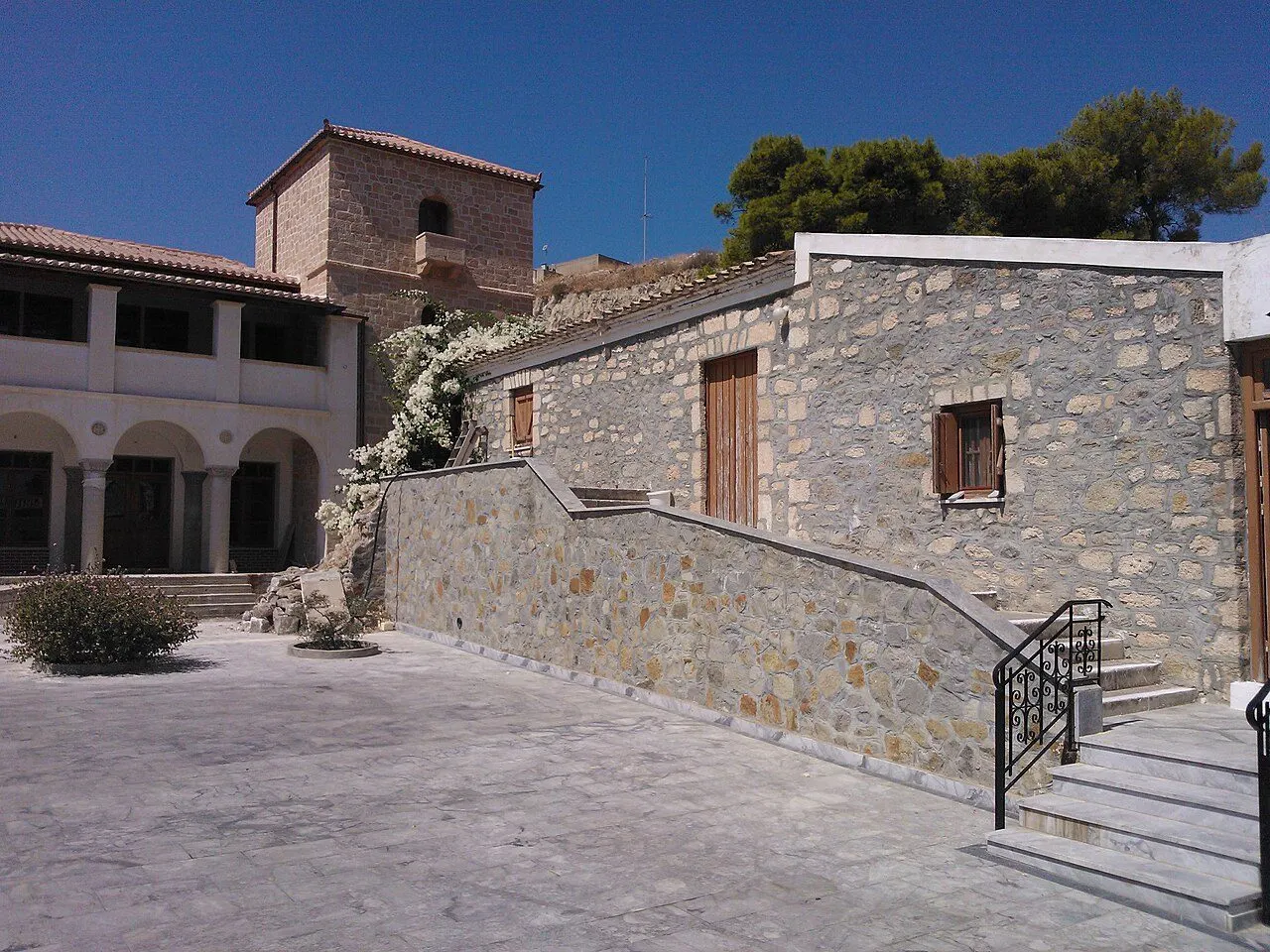
The monastery of the island's saint, just below the hill on the road from town.
Good to know
About 7 km from Aegina Town on the road to Agia Marina; turn off just past the Agios Nektarios monastery. The bus to Agia Marina stops at the monastery, a short walk away. Wear good shoes: the paths are rough.
Early morning or late afternoon, as there is almost no shade. Most chapels are locked; a few open on their feast days.
More of Aegina
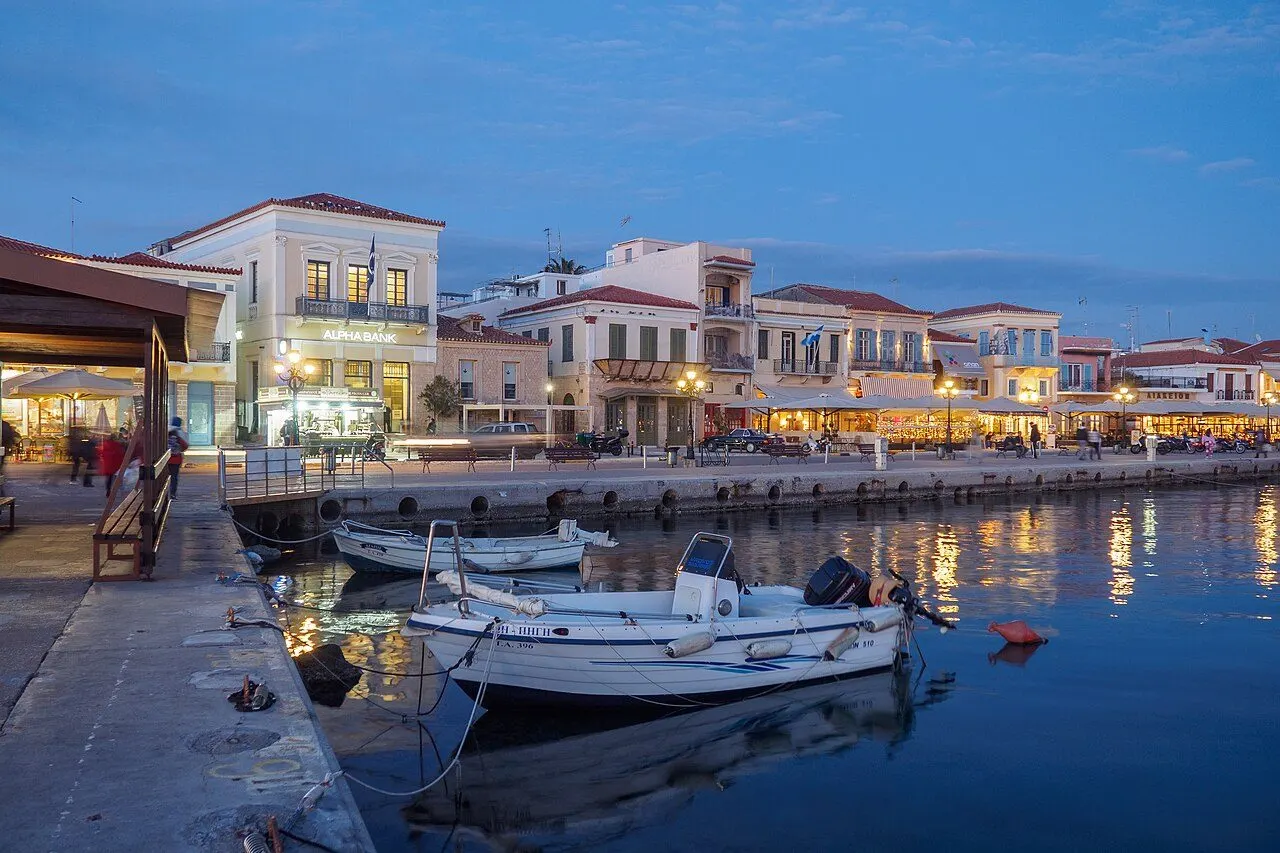
Aegina Town & Kolona
A harbour of neoclassical houses that was briefly the capital of Greece, with a lone Archaic column at the end of the quay
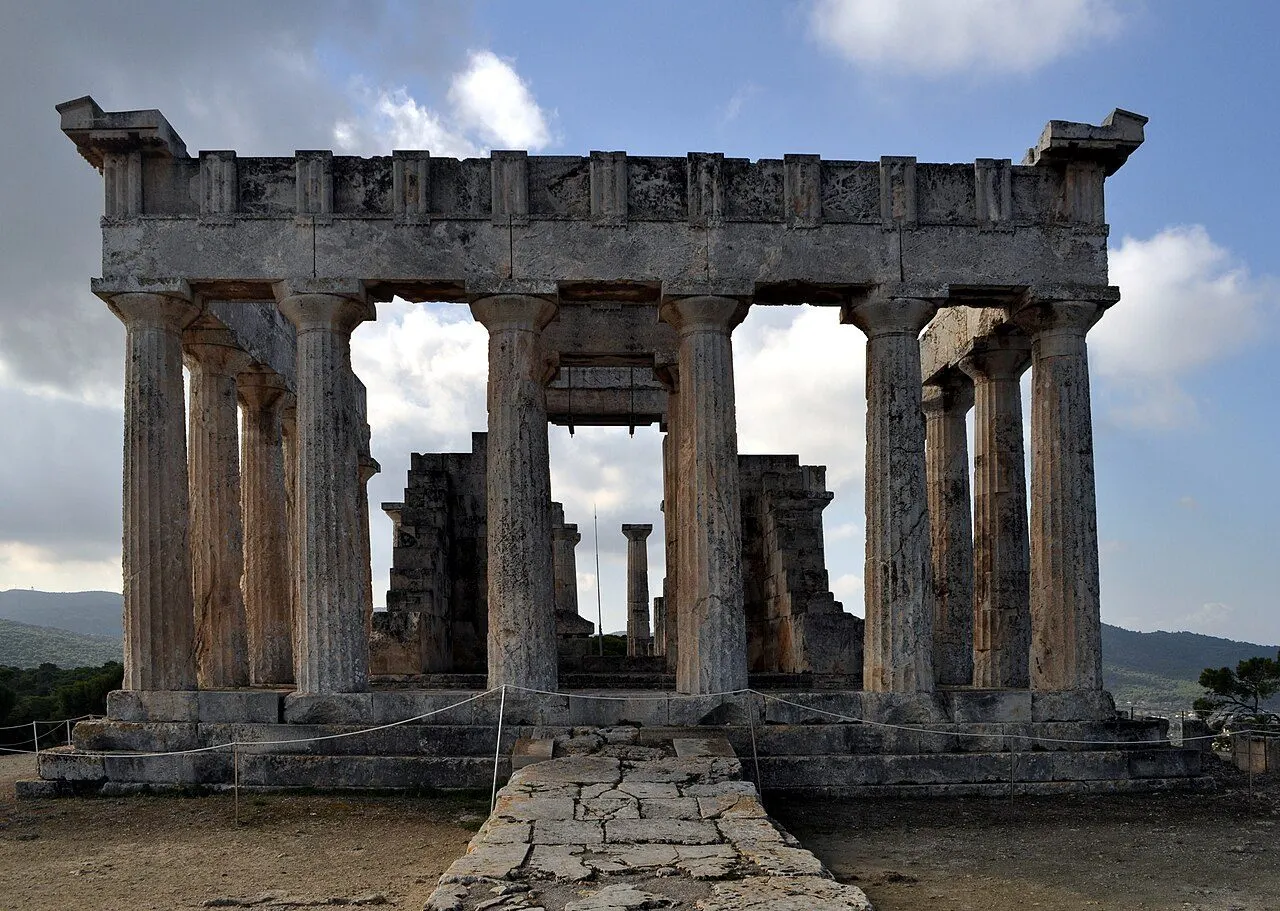
Agia Marina & Aphaia
A limestone temple of about 500 BC on a pine-clad summit, with Athens on the far side of the water
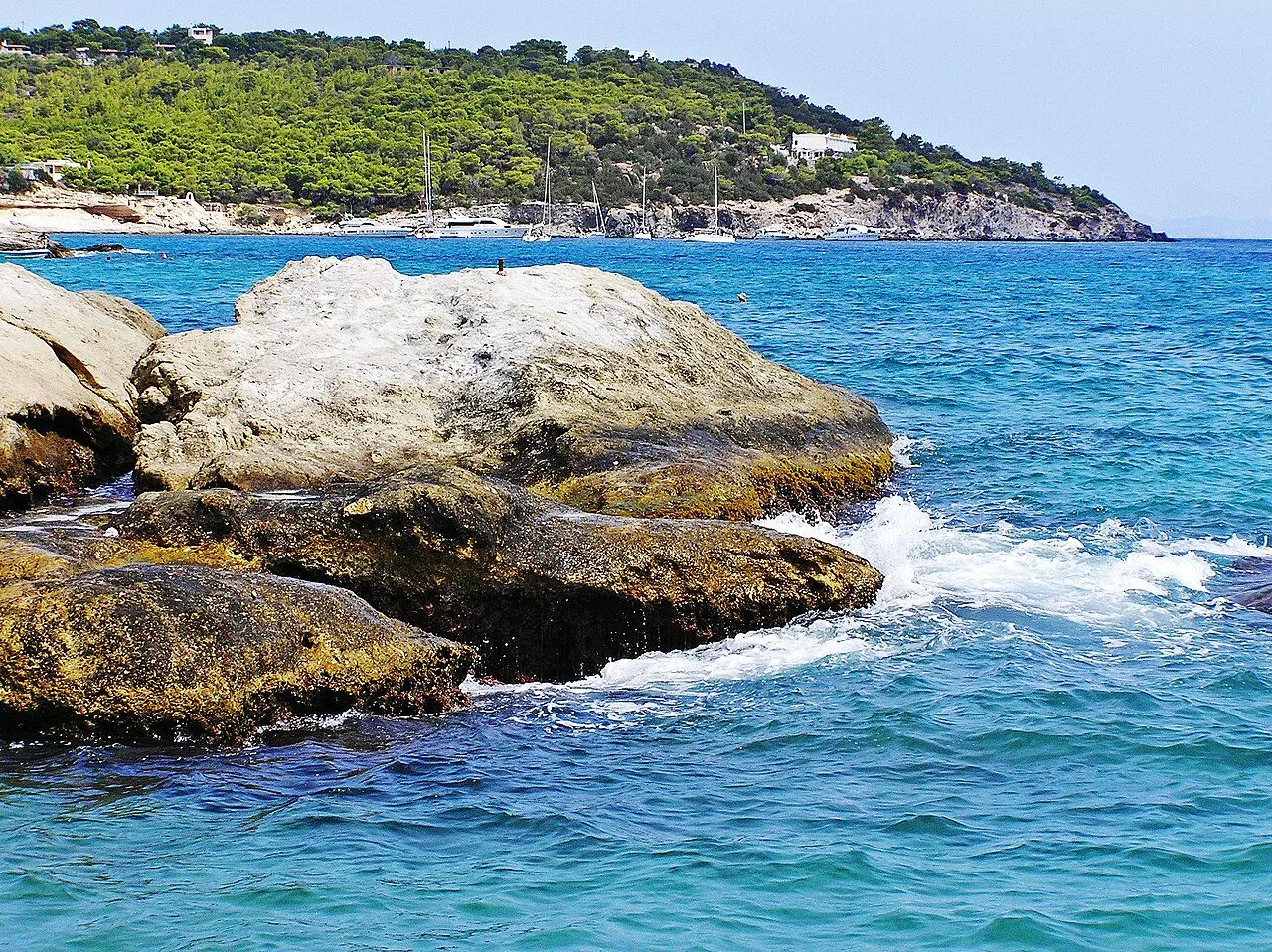
Agia Marina & Aphaia
The island's beach resort, in a sandy bay at the foot of the temple hill
Every stay we recommend across Aegina, from village guesthouses to rooms on the sea.
See all staysLast updated